Wuhan

Wuhan

Wuhan is a sprawling industrial and educational powerhouse where the Yangtze and Han rivers collide. It offers a gritty, authentic look at modern China through its massive bridges, colonial riverfront architecture, and a legendary breakfast culture that rivals any in Asia.

Wuhan is a massive, high-energy metropolis that serves as the primary transport and economic hub of Central China. Formed by the historic merger of three distinct cities—Hankou, Hanyang, and Wuchang—it is physically defined by the intersection of the Yangtze and Han rivers. This is not a city of manicured tourist zones; it is a place of colossal bridges, sprawling university campuses, and a relentless pace of life that feels distinctly more 'real' than the polished streets of Shanghai or Beijing.

Travelers who enjoy urban exploration will find Wuhan fascinating for its layers of history. You can walk through the former foreign concessions in Hankou, where 19th-century European architecture still stands, and then take a ferry across the river to climb ancient towers that have inspired Chinese poets for over a millennium. It is a city of contrasts, where futuristic skyscrapers overlook bustling wet markets and quiet lakeside parks.

The soul of Wuhan is arguably found in its food, specifically its breakfast culture known as 'guo za.' Every morning, the city wakes up to the smell of sesame paste and hot oil as thousands of street vendors prepare noodles and fried snacks for commuters. It is a gritty, humid, and intensely local experience that rewards those willing to look past the industrial exterior to find the cultural heart of the Middle Kingdom.

Orientation and Neighborhoods

Wuhan is divided into three main districts separated by the rivers, each with a very different character. Understanding this layout is essential for navigating the city efficiently.

  • Hankou: This is the commercial heart of Wuhan and the best place for first-time visitors to stay. It contains the colonial-era architecture of the former foreign concessions, the best shopping along Jianghan Road, and a vibrant nightlife scene. Stay here if you want to be close to high-end hotels, malls, and the riverfront park.
  • Wuchang: Located on the eastern bank of the Yangtze, this is the cultural and educational soul of the city. It is home to the Yellow Crane Tower, the Hubei Provincial Museum, and East Lake. With numerous universities in the area, it has a more youthful, academic vibe and is generally more scenic than Hankou.
  • Hanyang: The smallest and oldest industrial area, Hanyang is located west of the Han River and south of the Yangtze. While less tourist-centric, it houses the Guiyuan Temple and the Qingchuan Pavilion. It is a quieter alternative for those looking to escape the intensity of the main commercial centers.

精彩活动

Best Time to Visit

Wuhan is famously known as one of the 'Four Furnaces' of China due to its extreme summer humidity and heat. Timing your visit is crucial for comfort.

Month RangeWeatherCrowdsPrices
March to MayMild and pleasant; cherry blossoms in late March.Moderate (High during blossoms)Moderate
June to AugustOppressively hot and humid; frequent rain.LowLow
September to NovemberCool, dry, and sunny; the best time for walking.ModerateModerate
December to FebruaryCold, damp, and grey; piercing wind near the river.LowLow

The cherry blossom season (late March) at Wuhan University is a major national event, drawing hundreds of thousands of visitors. If you plan to visit then, book accommodation months in advance. Avoid the first week of October (National Day) and the Lunar New Year period, as transport becomes difficult and many local shops close.

Getting There and Getting Around

Wuhan Tianhe International Airport (WUH) is located roughly 16 miles north of the city center. The most efficient way to reach the city is via Metro Line 2, which connects the airport directly to Hankou and Wuchang for roughly $1.50. A taxi or ride-hailing car will cost approximately $15 to $20 depending on your destination and traffic.

The city is a major railway hub with three main stations: Wuhan Station (high-speed trains to Beijing/Guangzhou), Hankou Station (trains to Shanghai/Chengdu), and Wuchang Station. Always check your ticket carefully to ensure you go to the correct station. You can check schedules and book tickets via GoAsia.cc for convenience.

The Wuhan Metro is world-class, clean, and easy to use with English signage. Fares are based on distance and typically range from $0.30 to $1.20. For crossing the Yangtze, the local ferry between Hankou's Wuhan Customs Wharf and Wuchang's Zhonghua Road is a must-do experience, costing only about $0.30 and providing the best views of the skyline. Ride-hailing via the Didi app is affordable and reliable, with most cross-city trips costing between $5 and $10.

Top Sights and Experiences

The Must-Sees

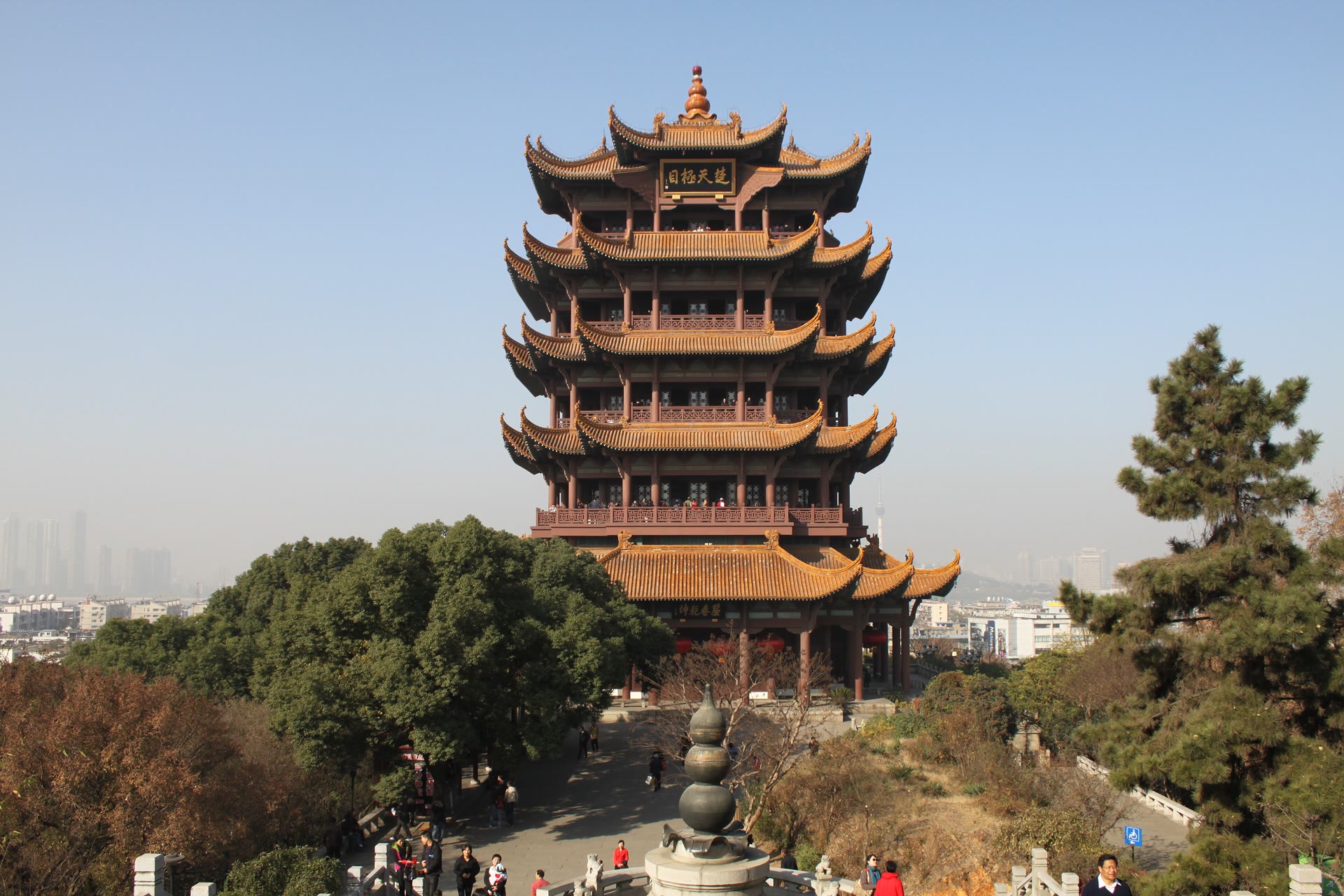
Yellow Crane Tower: Reconstructed many times, this five-story pagoda is a symbol of the city. While the current structure is modern (built in the 1980s), the views of the Yangtze Bridge and the surrounding park are spectacular. Allow 2 hours and try to arrive early to avoid tour groups.

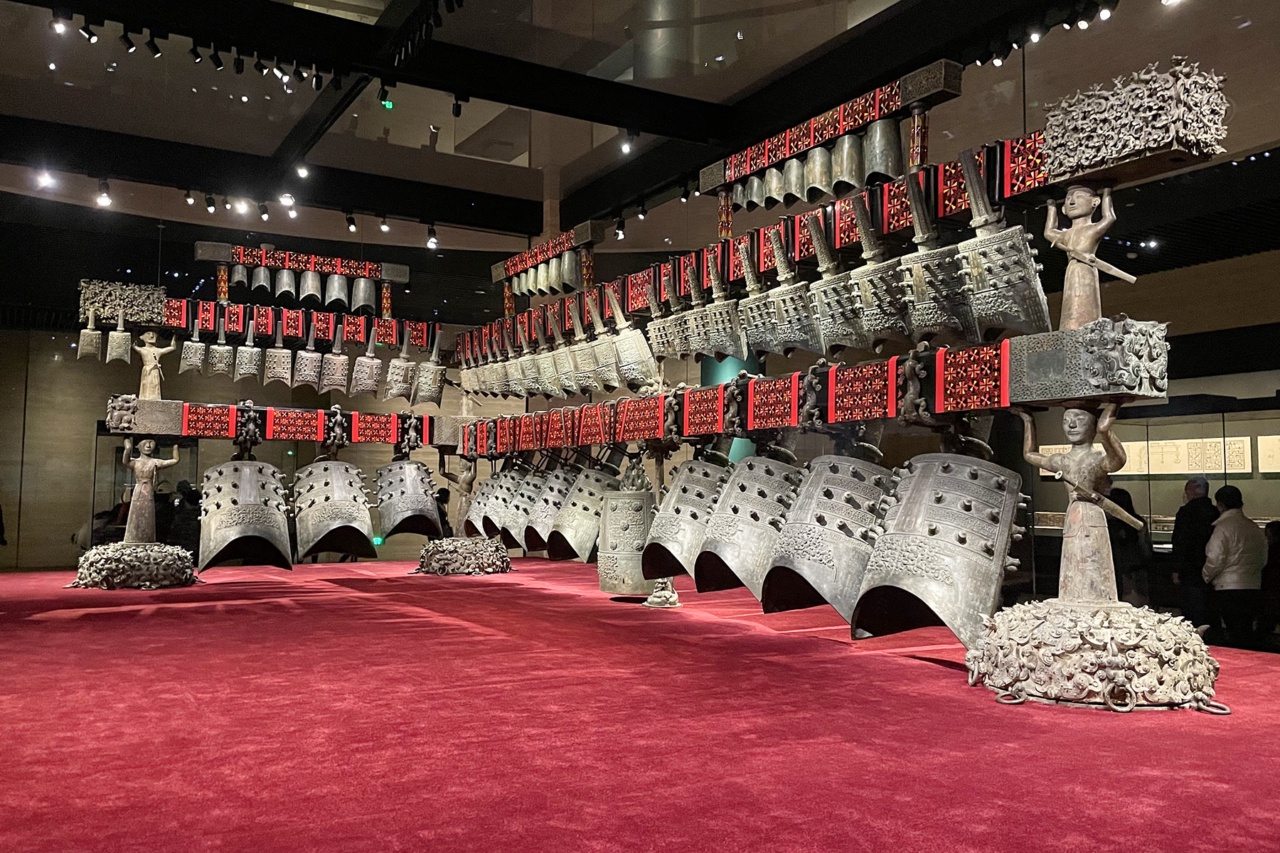
Hubei Provincial Museum: One of China's best museums, it houses the incredible Chime Bells of Marquis Yi of Zeng. These 2,400-year-old bronze bells are still playable. The museum is free, but you must book a time slot online in advance using your passport. The bell performances are held several times daily for a small fee.

Lesser-Known Gems

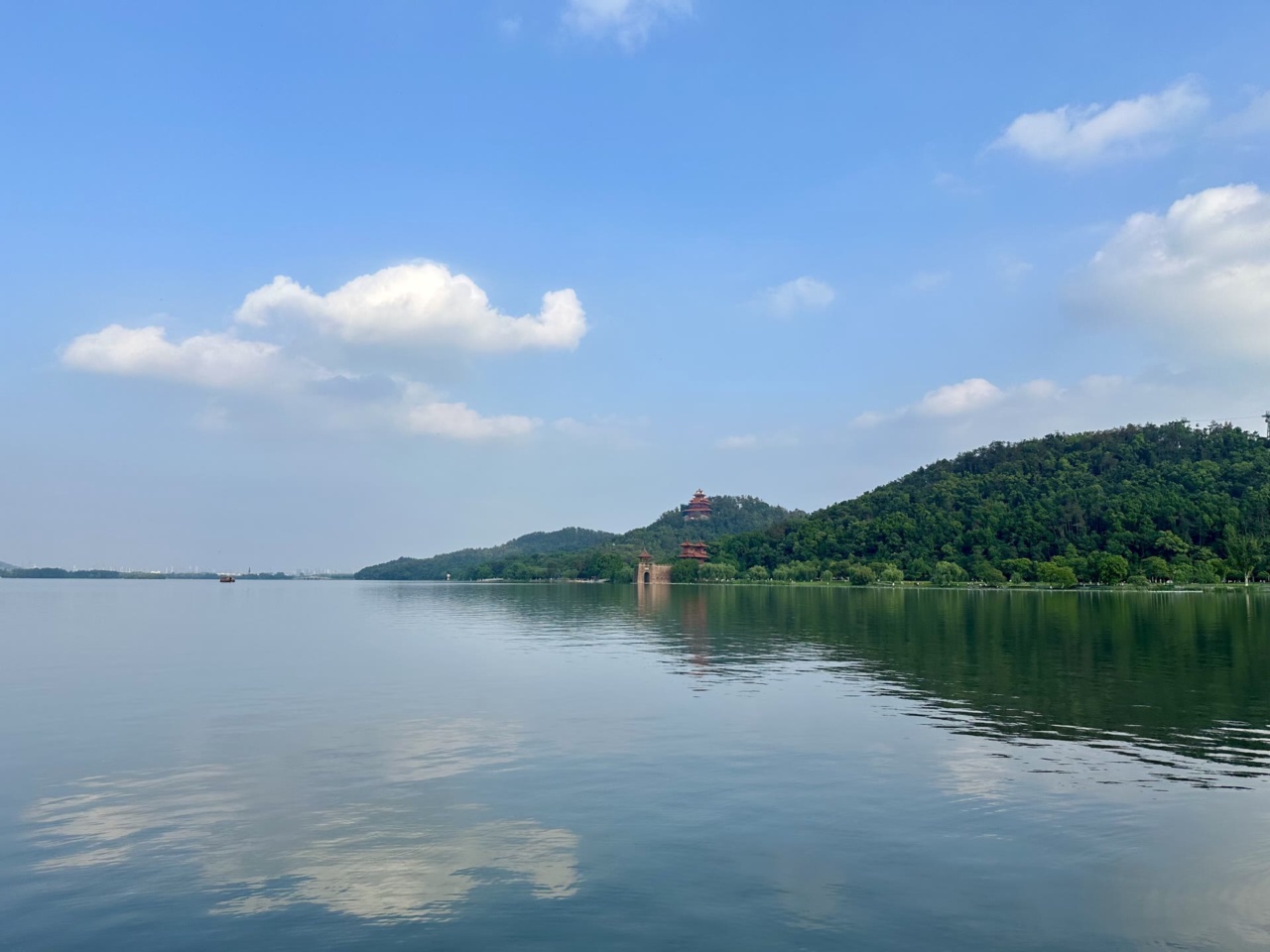
East Lake (Donghu): Larger than Hangzhou's West Lake, this massive freshwater lake offers cycling paths, botanical gardens, and bird sanctuaries. The Moshan Hill area provides great hiking trails and a cable car with views over the water. It is a perfect escape from the city's concrete jungle.

Hankou Riverfront Park: This 7-mile long park is where the city comes to breathe. In the evening, you can see thousands of people flying kites, dancing, or swimming in the Yangtze. The light show on the skyscrapers across the river is one of the most impressive in China.

Overrated Attractions

Hubu Alley: Often marketed as the 'ultimate' food street, it has become a generic tourist trap selling overpriced snacks found in any Chinese city. For a more authentic experience, head to Liangdao Street or Shanhua Road where locals actually eat.

Food and Drink

Wuhanese cuisine is defined by its bold use of black pepper, sesame, and chili. It sits geographically and culinary-wise between the spice of Sichuan and the sweetness of Shanghai.

DishDescriptionWhere to TryTypical Price
Re Gan MianHot Dry Noodles: alkaline noodles tossed in thick sesame paste and pickles.Cai Lin Ji (various locations)$1 - $2
DoupiA 'skin' of bean milk and egg filled with sticky rice, pork, and mushrooms.Lao Tong Cheng$1.50 - $3
Mianyang San ZhengThree Steamed Dishes: typically meat, fish, and vegetables coated in rice flour.Local restaurants in Hanyang$8 - $12
Spicy CrayfishWuhan is the crayfish capital; heavily seasoned with Sichuan peppercorns.Bali Longxia (Hankou)$15 - $25

Breakfast is an event here. Look for streets with long queues early in the morning. For dinner, the area around Wansongyuan Road is famous for its concentration of gourmet restaurants and late-night snack stalls.

Where to Stay

Hankou (Best for Tourists): Look for hotels near Jianghan Road or the Wuhan Customs House. This area is walkable and offers the best mix of shopping and history. Budget: $25-$40; Mid-range: $60-$100; Upscale: $120+.

Wuchang (Best for Nature/Culture): Staying near East Lake or the Chu River and Han Street area offers a more relaxed environment and better access to the major museums. Prices are similar to Hankou but with more boutique options.

Practical Tips

  • Payment: Cash is rarely used. Download Alipay or WeChat Pay and link your international credit card before arrival. Most vendors, even street stalls, prefer mobile payments.
  • Internet: A VPN is necessary to access Google, Facebook, or Instagram. Alternatively, purchase an international roaming e-SIM which often bypasses the firewall.
  • Safety: Wuhan is extremely safe for foreigners. Petty crime is rare, but always watch your belongings in crowded markets.
  • Language: English is not widely spoken outside of major hotels. Carry your hotel's name and address in Chinese characters. Use a translation app like Baidu Translate or Pleco.
  • Etiquette: Wuhanese people are known for being loud and direct. Don't mistake a loud conversation for an argument; it is simply the local 'hot' temperament.

Day Trips

Wudang Mountains: Located about 2.5 hours away by high-speed train, these mountains are the birthplace of Tai Chi and a UNESCO World Heritage site. It is a long day trip, so an overnight stay is recommended to see the sunrise from the Golden Summit.

Jingzhou: A historic city about 1.5 hours away by train, famous for its perfectly preserved ancient city walls. It is much quieter than Wuhan and offers a glimpse into the Three Kingdoms era of Chinese history.

Sample 3-Day Itinerary

Day 1: Colonial History and River Views

Morning: Start in Hankou at the Wuhan Customs House and walk through the former British and French concessions. Grab Re Gan Mian from a street vendor for breakfast. Afternoon: Walk down Jianghan Road pedestrian street for shopping and snacks. Evening: Take the ferry from Hankou to Wuchang at sunset, then walk along the Wuchang riverfront to see the Yangtze Bridge lit up.

Day 2: Culture and Pagodas

Morning: Visit the Yellow Crane Tower early. Walk down to the nearby Red Tiao (Revolutionary) sights if you have time. Afternoon: Spend several hours at the Hubei Provincial Museum (book ahead). Evening: Head to Han Street for a modern dining and shopping experience by the canal.

Day 3: Nature and Local Life

Morning: Rent a bike and cycle around the Greenway at East Lake. Visit the Plum Garden or Cherry Garden depending on the season. Afternoon: Explore the Guiyuan Buddhist Temple in Hanyang, known for its 500 unique statues of Arhats. Evening: Go to Wansongyuan Road for a massive feast of spicy crayfish and local beer.

Budget Overview

CategoryBudgetMid-RangeComfort
Accommodation$25$75$150
Food$10$25$60
Transport$3$10$25
Activities$5$15$30
Daily Total$43$125$265

常见问题

Is Wuhan worth visiting?

Yes, Wuhan is worth visiting for travelers interested in authentic Chinese urban life, massive engineering marvels like the Yangtze bridges, and a world-class culinary scene. It offers a deeper, less-sanitized look at China's development compared to coastal cities.

How many days do you need in Wuhan?

Three days is the ideal amount of time to see the major sights in the three districts, explore East Lake, and sample the famous breakfast culture. Adding a fourth day allows for a trip to the nearby Wudang Mountains.

Is Wuhan safe for tourists?

Wuhan is exceptionally safe for international travelers, with very low rates of violent crime. Standard precautions against pickpockets in crowded areas like Jianghan Road are sufficient.

What is the best time to visit Wuhan?

The best times are spring (March to May) for cherry blossoms and autumn (September to November) for dry, cool weather. Avoid the summer months of June through August when temperatures and humidity are extreme.

What food is Wuhan famous for?

Wuhan is most famous for 'Re Gan Mian' (Hot Dry Noodles), 'Doupi' (sticky rice omelets), and spicy freshwater crayfish. Its breakfast culture, known as 'guo za,' is considered one of the most diverse in China.

Is English widely spoken in Wuhan?

English is not common among the general population, though staff at high-end hotels and younger university students may speak some. Using translation apps and having addresses written in Chinese is essential.

Can you drink tap water in Wuhan?

No, tap water in Wuhan is not safe to drink. Stick to bottled water, which is cheap and available at every convenience store, or use the boiled water provided in most hotel rooms.

What is the best neighborhood to stay in Wuhan?

Hankou is the best area for most tourists due to its central location, historic architecture, and abundance of dining and shopping options near the riverfront.

路线

到Wuhan的路线 (1)