Wuhan is a sprawling industrial and educational powerhouse where the Yangtze and Han rivers collide. It offers a gritty, authentic look at modern China through its massive bridges, colonial riverfront architecture, and a legendary breakfast culture that rivals any in Asia.
Wuhan is a massive, high-energy metropolis and a major transport hub in Central China. Formed by the merger of three distinct towns, Hankou, Hanyang and Wuchang, it is physically defined by the intersection of the Yangtze and Han rivers. This is not a city of manicured tourist zones; it is a place of colossal bridges, sprawling university campuses, and a relentless pace of life that feels distinctly more 'real' than the polished streets of Shanghai or Beijing.
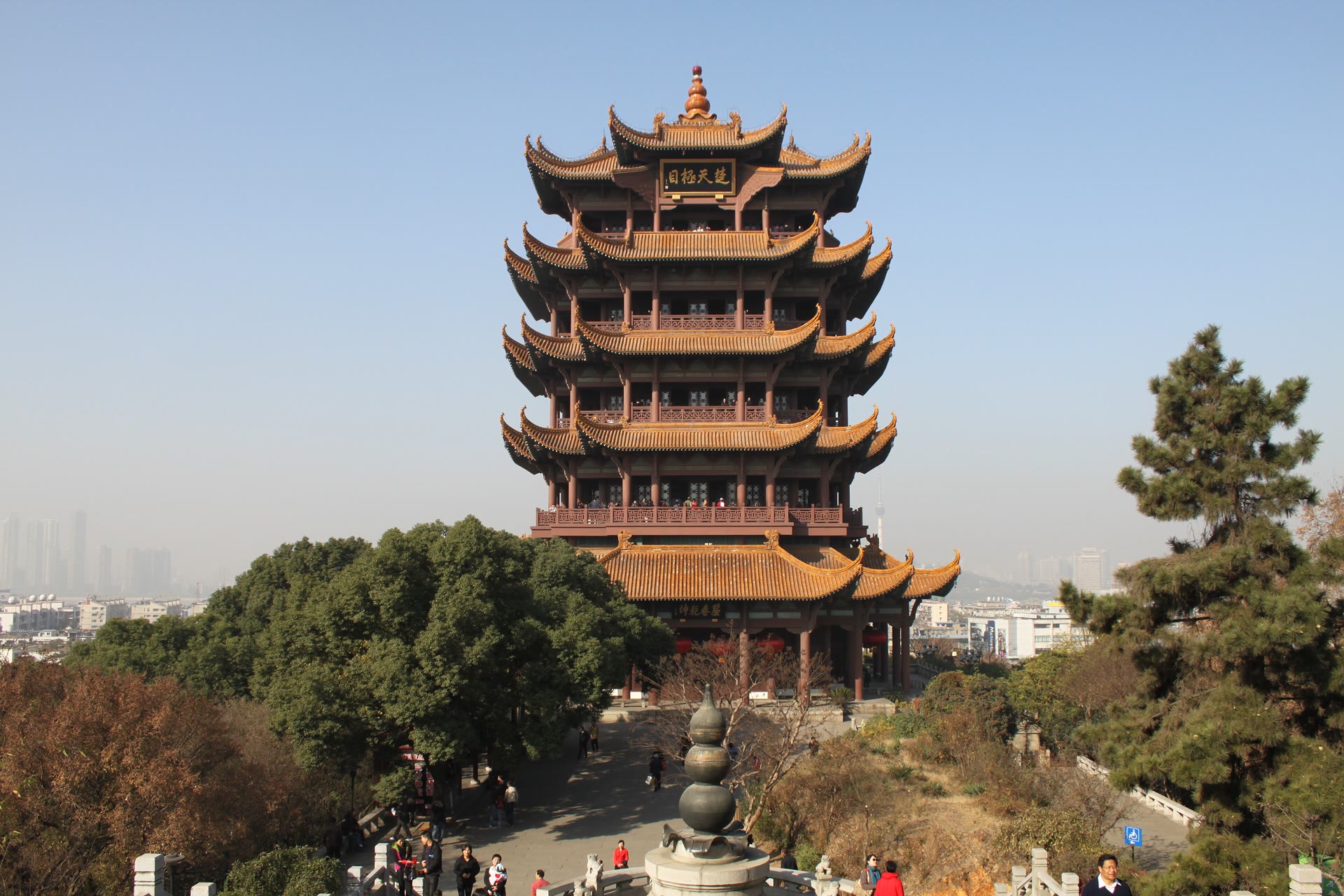
Travelers who enjoy urban exploration will find Wuhan fascinating for its layers of history. You can walk through the former foreign concessions in Hankou, where European-style architecture still stands, and then take a ferry across the river to climb the Yellow Crane Tower, a landmark that has inspired poets since the Tang Dynasty.[1] It is a city of contrasts, where futuristic skyscrapers overlook bustling wet markets and quiet lakeside parks.
The soul of Wuhan is arguably found in its food, specifically its breakfast culture known as 'guo za.' Every morning, the city wakes up to the smell of sesame paste and hot oil as street vendors prepare noodles and fried snacks for commuters. It is a gritty, humid, and intensely local experience that rewards those willing to look past the industrial exterior to find the cultural heart of the Middle Kingdom.
Orientation and Neighborhoods
Wuhan is divided into three main districts separated by the rivers, each with a very different character. Understanding this layout is essential for navigating the city efficiently.
Hankou: This is the commercial heart of Wuhan and the best place for first-time visitors to stay. It contains the colonial-era architecture of the former foreign concessions, the best shopping along Jianghan Road, and a vibrant nightlife scene. Stay here if you want to be close to high-end hotels, malls, and the riverfront park.
Wuchang: Located on the eastern bank of the Yangtze, this is the cultural and educational soul of the city. It is home to the Yellow Crane Tower, the Hubei Provincial Museum, and East Lake. With numerous universities in the area, it has a more youthful, academic vibe and is generally more scenic than Hankou.
Hanyang: Located west of the Han River and south of the Yangtze, Hanyang is an older industrial area. While less tourist-centric, it houses the Guiyuan Temple and the Qingchuan Pavilion. It is a quieter alternative for those looking to escape the intensity of the main commercial centers.
Things to Do
Offers are only loaded from GetYourGuide after you click. GetYourGuide can then process your IP address and set cookies. Privacy Policy
GetYourGuide partner offers. GoAsia may earn a commission if you book through these offers. Check whether tickets or transfers are included, and follow the attraction's official booking and admission rules.
Best Time to Visit
Wuhan has very hot, humid summers, so timing your visit is crucial for comfort.
Month Range
Weather
March to May
Mild and pleasant; cherry blossoms in late March.
June to August
Oppressively hot and humid; frequent rain.
September to November
Cool, dry, and sunny; the best time for walking.
December to February
Cold, damp, and grey; piercing wind near the river.
The cherry blossom season (late March) at Wuhan University is a major event that draws large crowds. If you plan to visit then, book accommodation well in advance. Avoid the National Day holiday in early October and the Lunar New Year period, as transport becomes difficult and many local shops close.
Getting There and Getting Around
Wuhan Tianhe International Airport (WUH) is one of the busiest civil airports in mainland China and a regional aviation hub designated by the civil aviation authority. The most direct way to reach the city is Metro Line 2, which serves the airport (6:30 to 23:00) and takes about 35 minutes from Hankou Railway Station.[2] Airport shuttle buses also run from Wuhan Railway Station, Hankou Railway Station and other points in the city, and taxis and ride-hailing cars are available at the airport.
The city is a major railway hub with three main stations: Wuhan Station, Hankou Station and Wuchang Station.[2] On 16 October 2026, the fastest train from Shanghai Hongqiao to Wuhan took 3 hours 32 minutes (G460), and trains from Shanghai arrived at Wuhan, Hankou or Wuchang.[3] The fastest train from Changsha South to Wuhan took 1 hour 22 minutes (G318).[4] Always check your ticket carefully to ensure you go to the correct station. You can check schedules and book tickets via GoAsia.cc for convenience.
The Wuhan Metro is clean and easy to use. Fares are based on distance: the minimum fare is 2 yuan for up to 4 kilometers, and the highest fare was 12 yuan as of October 2024.[5] For crossing the Yangtze, the local ferry between Hankou's Wuhan Customs Wharf and Wuchang's Zhonghua Road Wharf is a worthwhile experience. It costs 1.5 yuan one way and runs daily from 6:30 to 20:00, and as of May 2026 the second deck is open to passengers again.[6] Ride-hailing via the Didi app is also common in the city.
Top Sights and Experiences
The Must-Sees
Yellow Crane Tower: One of the best-known towers south of the Yangtze and a symbol of Wuhan. Poets praised it as early as the Tang Dynasty, and from the top you get a panoramic view of the Yangtze River and the buildings of the city.[1] Try to arrive early to avoid tour groups.
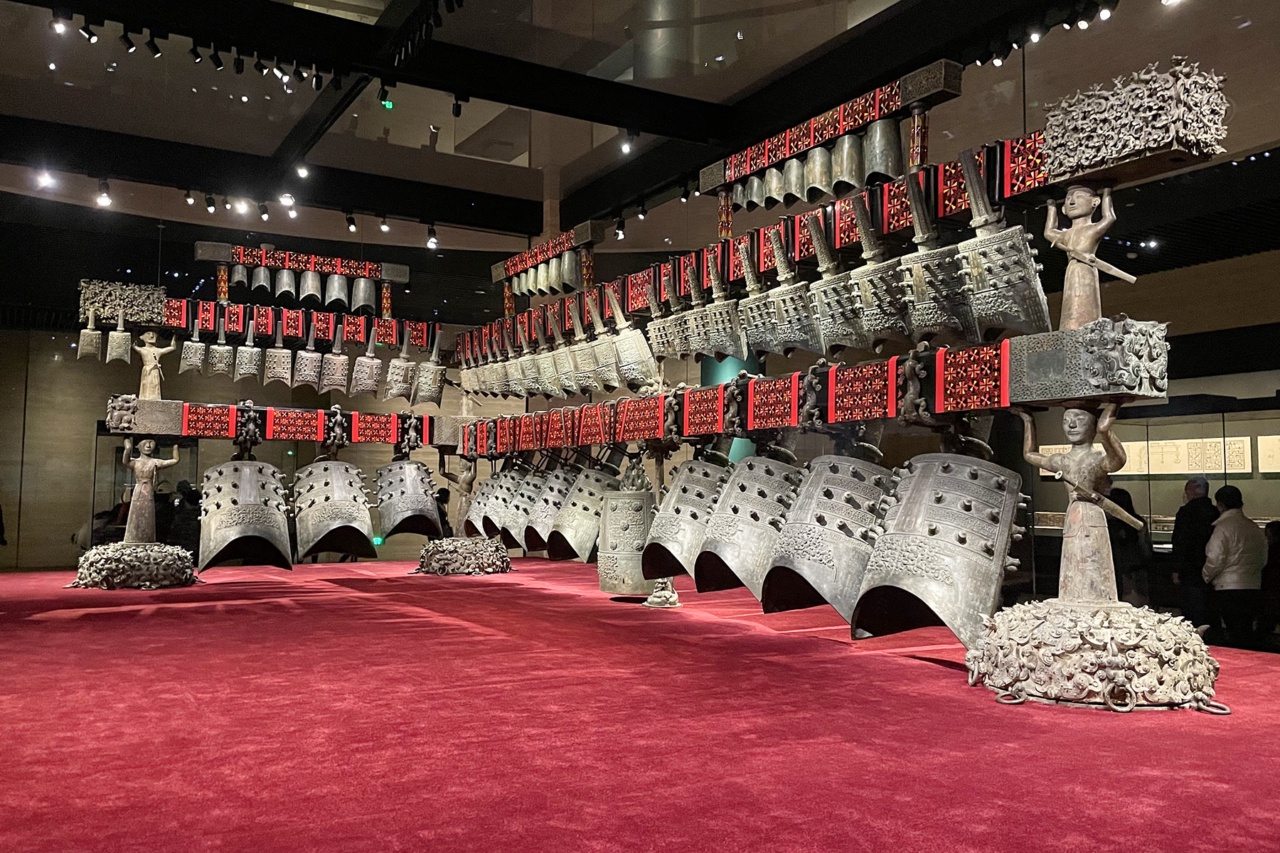
Hubei Provincial Museum: One of China's best museums, it is known for its chime bells. Admission is free, but entry requires a time slot reserved in advance with your passport; reservations open up to 5 days ahead through the museum's official WeChat account. The museum is open from 9:00 to 17:00 and closed on Mondays except public holidays.[7] Live chime bell performances last 30 minutes and need a separate ticket (50 yuan for adults); check the museum's notice for the current show times.[7]
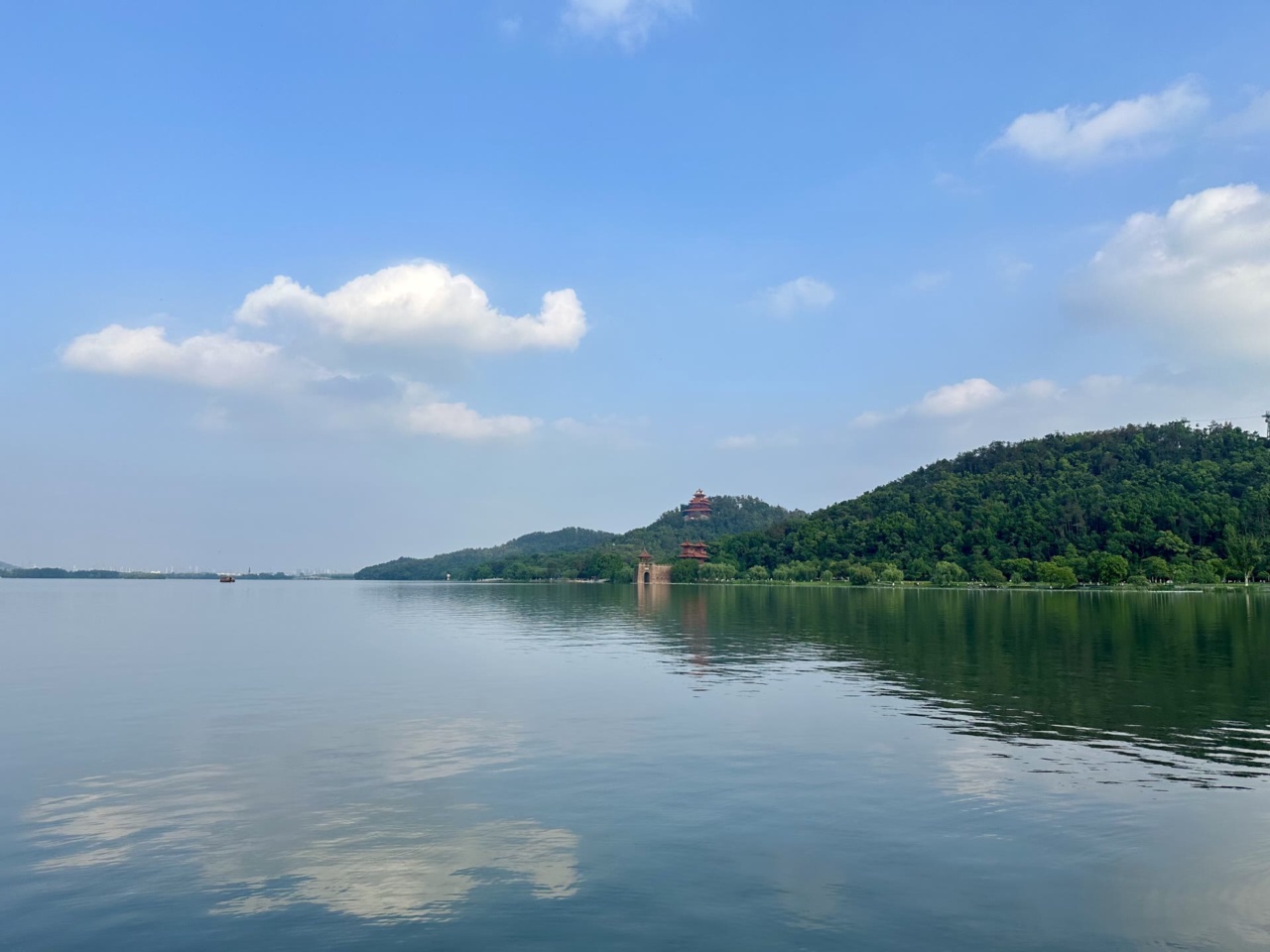
East Lake (Donghu): This massive freshwater lake offers cycling paths, botanical gardens and bird sanctuaries, and the East Lake Greenway has become a popular place to cycle since it opened in 2016.[8] The Moshan Hill area provides hiking trails and a cable car with views over the water. It is a good escape from the city's concrete jungle.
Hankou Riverfront Park: This long riverside park is where the city comes to breathe. In the evening you can see people flying kites, dancing or walking along the Yangtze, with the lights of the skyscrapers across the river.
Overrated Attractions
Hubu Alley: Often marketed as the 'ultimate' food street, it is busy with tour groups and sells snacks that you can find in any Chinese city. For a more local experience, head to Liangdao Street or Shanhua Road where locals eat.
Food and Drink
Wuhanese cuisine is defined by its bold use of black pepper, sesame, and chili. It sits geographically and culinary-wise between the spice of Sichuan and the sweetness of Shanghai.
Dish
Description
Re Gan Mian
Hot Dry Noodles: alkaline noodles tossed in thick sesame paste and pickles.
Doupi
A 'skin' of bean milk and egg filled with sticky rice, pork, and mushrooms.
Mianyang San Zheng
Three Steamed Dishes: typically meat, fish, and vegetables coated in rice flour.
Spicy Crayfish
A popular dish, especially in summer, heavily seasoned with chili and Sichuan peppercorns.
Breakfast is an event here. Look for streets with long queues early in the morning.
Where to Stay
Hankou (Best for Tourists): Look for hotels near Jianghan Road or the Wuhan Customs House. This area is walkable and offers the best mix of shopping and history.
Wuchang (Best for Nature/Culture): Staying near East Lake or the Chu River and Han Street area offers a more relaxed environment and better access to the major museums.
Practical Tips
Payment: Mobile payment is used almost everywhere, even at street stalls. Download Alipay or WeChat Pay and link your international card before arrival, and keep some cash as a backup.
Internet: Many Western services such as Google, Facebook and Instagram are blocked in mainland China. Set up a VPN or an international roaming eSIM before you travel.
Water: Tap water in China is not drinkable, even in major cities. Stick to bottled or boiled water.[9]
Safety: Like most large Chinese cities, Wuhan is generally regarded as safe for visitors. Always watch your belongings in crowded markets.
Language: English is not widely spoken outside of major hotels. Carry your hotel's name and address in Chinese characters. Use a translation app like Baidu Translate or Pleco.
Day Trips
Wudang Mountains: This complex of Taoist palaces and temples in Hubei Province is a UNESCO World Heritage site.[10] It is a long day trip from Wuhan, so an overnight stay is recommended.
Jingzhou: A historic walled city west of Wuhan, much quieter than Wuhan.
Sample 3-Day Itinerary
Day 1: Colonial History and River Views
Morning: Start in Hankou at the Wuhan Customs House and walk through the former foreign concessions. Grab Re Gan Mian from a street vendor for breakfast. Afternoon: Walk down Jianghan Road pedestrian street for shopping and snacks. Evening: Take the ferry from Hankou to Wuchang at sunset, then walk along the Wuchang riverfront to see the Yangtze Bridge lit up.
Day 2: Culture and Pagodas
Morning: Visit the Yellow Crane Tower early. Afternoon: Spend several hours at the Hubei Provincial Museum (book ahead). Evening: Head to Han Street for a modern dining and shopping experience by the canal.
Day 3: Nature and Local Life
Morning: Rent a bike and cycle around the Greenway at East Lake. Visit the Plum Garden or Cherry Garden depending on the season. Afternoon: Explore the Guiyuan Buddhist Temple in Hanyang, known for its statues of Arhats. Evening: Find a local restaurant for a feast of spicy crayfish and local beer.
Yes, Wuhan is worth visiting for travelers interested in authentic Chinese urban life, large engineering projects like the Yangtze bridges, and a rich food culture. It offers a deeper, less polished look at China's development compared to coastal cities.
How many days do you need in Wuhan?
Three days is a good amount of time to see the major sights in the three districts, explore East Lake, and sample the famous breakfast culture. Adding a fourth day allows for a trip to the nearby Wudang Mountains.
Is Wuhan safe for tourists?
Like most large Chinese cities, Wuhan is generally regarded as safe for visitors. Standard precautions against pickpockets in crowded areas like Jianghan Road are sufficient.
What is the best time to visit Wuhan?
The best times are spring (March to May) for cherry blossoms and autumn (September to November) for dry, cool weather. Avoid the summer months of June through August when temperatures and humidity are extreme.
What food is Wuhan famous for?
Wuhan is most famous for 'Re Gan Mian' (Hot Dry Noodles), 'Doupi' (sticky rice omelets), and spicy freshwater crayfish. Its breakfast culture, known as 'guo za,' is considered one of the most diverse in China.
Is English widely spoken in Wuhan?
English is not common among the general population, though staff at high-end hotels and younger university students may speak some. Using translation apps and having addresses written in Chinese is essential.
Can you drink tap water in Wuhan?
No, tap water is not drinkable in China, including Wuhan. Stick to bottled water, which is sold at every convenience store, or use the boiled water provided in most hotel rooms.
What is the best neighborhood to stay in Wuhan?
Hankou is the best area for most tourists due to its central location, historic architecture, and abundance of dining and shopping options near the riverfront.
Sources and background
Numbers in the text such as [1] refer to these sources.