South Korea is a country of exhilarating contrasts. In Seoul, glass skyscrapers tower over 600-year-old palaces, K-pop blares from neon storefronts just steps from serene Buddhist shrines, and Michelin-starred restaurants sit alongside street vendors grilling tteok (rice cakes) over charcoal. Step outside the capital and you will find misty mountain trails, terraced rice paddies, coastal fishing villages, and a volcanic island that feels like another world entirely.
What makes South Korea particularly rewarding for travelers is how accessible it all is. The country is compact, safe, hyper-connected, and blessed with one of the most efficient public transport systems on Earth. You can eat a palace-worthy meal for a few dollars, hike a national park before lunch, soak in a jjimjilbang (bathhouse) by afternoon, and catch a baseball game in the evening. Whether you are drawn by K-culture, history, hiking, or simply the food, South Korea consistently over-delivers.
Despite its global cultural influence, South Korea remains surprisingly under-visited compared to neighbors like Japan and Thailand. That means fewer crowds at many attractions, more authentic interactions, and the thrill of discovering a destination that still feels somewhat off the mainstream radar.
Top Destinations
Seoul
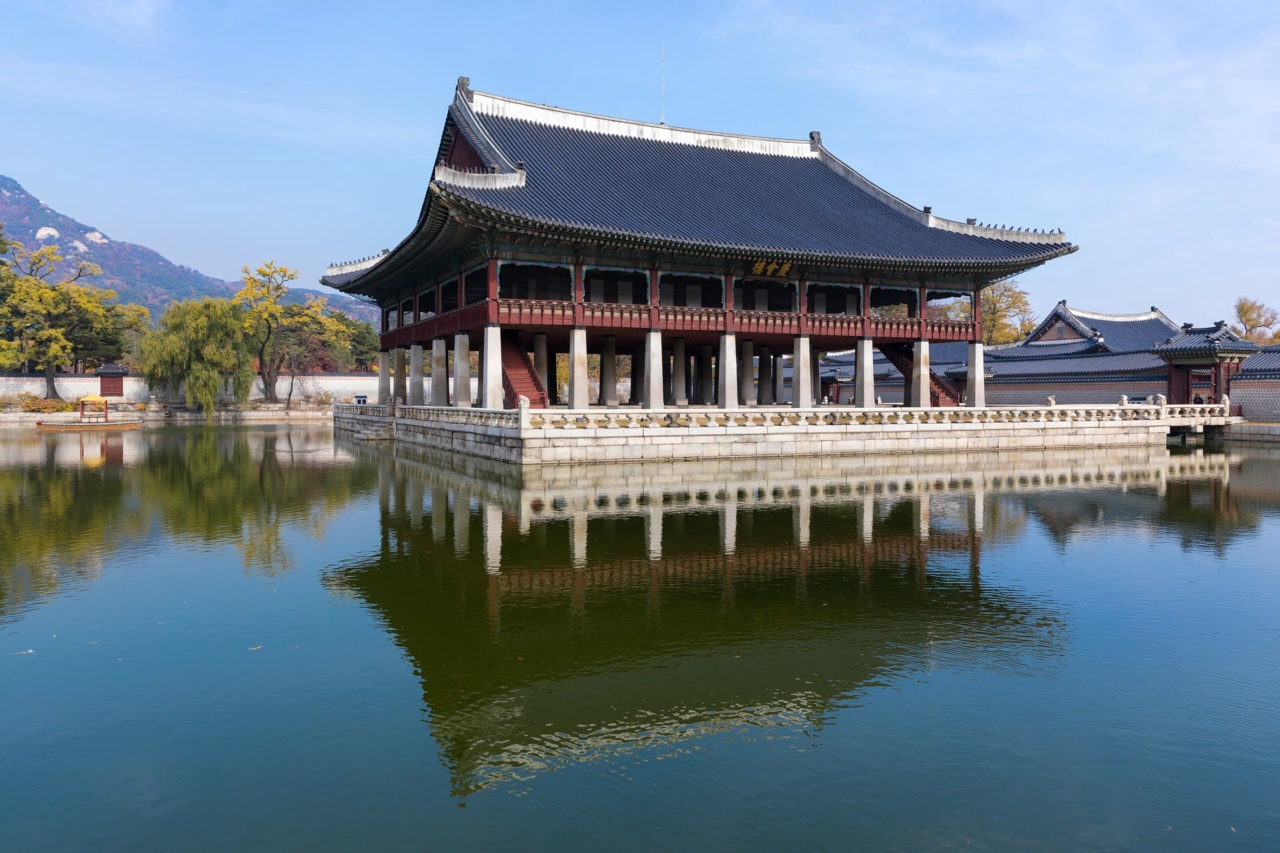
The capital is overwhelming in the best possible way. Start with the grand Joseon-era palaces: Gyeongbokgung is the most iconic, complete with a changing of the guard ceremony, while Changdeokgung's Secret Garden is arguably more beautiful. The neighborhoods each have distinct personalities. Bukchon Hanok Village offers a labyrinth of traditional tile-roofed houses; Insadong is the go-to for teahouses and galleries; Hongdae pulses with indie music, street art, and nightlife; Gangnam gleams with luxury shopping and K-beauty clinics; and Itaewon has reinvented itself as a diverse food and bar district.
Do not miss Gwangjang Market for bindaetteok (mung bean pancakes) and mayak gimbap, the Dongdaemun Design Plaza for futuristic architecture, and Namsan Tower for panoramic city views. For something deeper, visit the War Memorial of Korea or the sobering Seodaemun Prison History Hall. Seoul's subway system makes all of this remarkably easy to navigate.
Busan
South Korea's second city is a coastal gem with a personality entirely its own. Haeundae Beach is the most famous stretch of sand, but the real magic lies in places like Gamcheon Culture Village, a hillside neighborhood painted in every color imaginable, and Haedong Yonggungsa, a rare seaside Buddhist temple perched on ocean cliffs. Jagalchi Fish Market is one of the best-known seafood markets in the country, where you can pick your fish and have it prepared on the spot. The BIFF Square area in Nampo-dong is great for street food, particularly hotteok (sweet filled pancakes) and ssiat hotteok stuffed with seeds and brown sugar.
Busan also serves as a gateway to some excellent day trips, including the ancient Tongdosa Temple and the coastal Taejongdae cliffs. The city hosts the Busan International Film Festival, one of Asia's most prestigious, and has a thriving craft beer scene.
Jeju Island
Jeju is South Korea's tropical escape, a volcanic island off the southern coast with a UNESCO-listed landscape.[1] Hallasan, the country's tallest peak, dominates the center and offers several well-maintained hiking trails to its crater lake summit. The coastline is equally dramatic, with lava tubes like Manjanggul Cave, the columnar basalt cliffs of Jusangjeolli, and the quirky Jeju Stone Park celebrating the island's famous dol hareubang (grandfather statues).
Jeju has a more relaxed pace than the mainland. Rent a car to explore properly, stopping at tangerine orchards, black-sand beaches, and the haenyeo (female free-divers) who still harvest seafood the traditional way. The island is also known for its themed museums and cafes, from teddy bear museums to lavender fields, giving it a slightly whimsical character.
Gyeongju
Often called the "museum without walls," Gyeongju was the capital of the ancient Silla Kingdom for nearly a thousand years. The city is dotted with royal tombs, temple ruins, and archaeological treasures. Bulguksa Temple and the Seokguram Grotto, both UNESCO World Heritage Sites, are masterpieces of Buddhist art and architecture.[1] Tumuli Park, with its grassy burial mounds rising in the heart of the city, is hauntingly beautiful, especially at dawn or dusk. Anapji Pond (Donggung Palace) is stunning when illuminated at night. Gyeongju is easily visited as a day trip from Busan or as an overnight stop on a broader itinerary.
Jeonju
Jeonju is the culinary capital of South Korea and the birthplace of bibimbap. The Jeonju Hanok Village, with hundreds of traditional Korean houses, is one of the best-preserved in the country. Wander the alleys sampling street food, dress up in hanbok (traditional clothing) for photos among the old houses, and try a proper Jeonju-style bibimbap with raw beef and a generous spread of banchan (side dishes). The city also has a vibrant craft makgeolli (rice wine) scene.
Seoraksan National Park
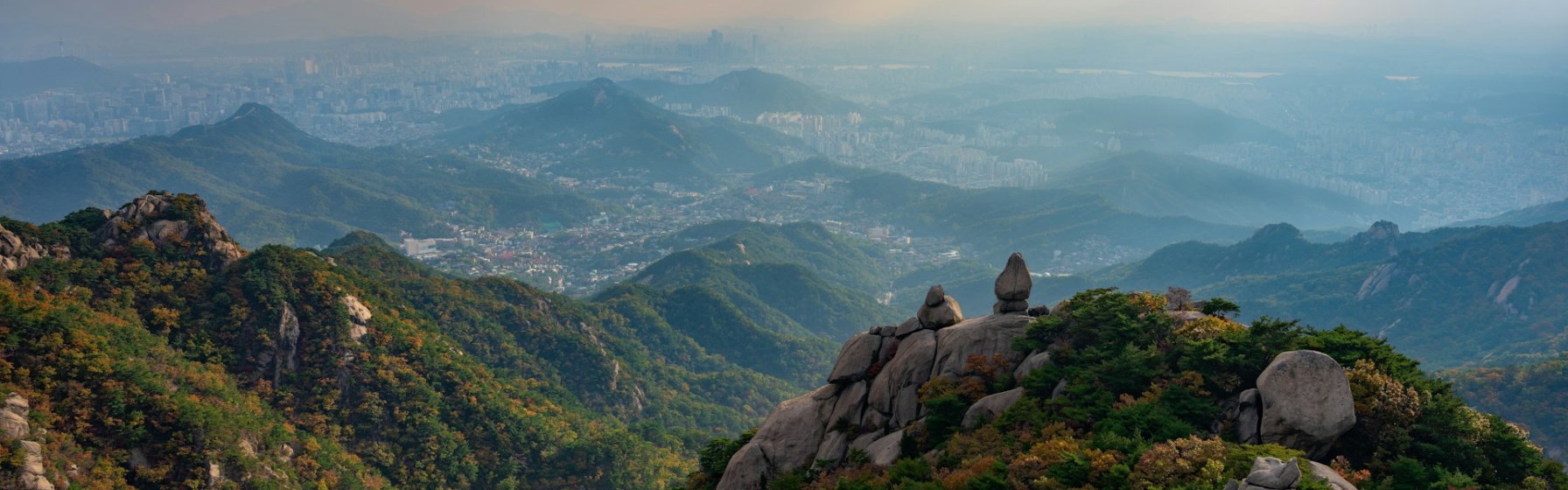
Located in the northeast, Seoraksan is widely considered the most beautiful national park in South Korea. Jagged granite peaks, dense forests, waterfalls, and Buddhist hermitages create a landscape that is particularly spectacular during autumn foliage season. The Ulsanbawi Rock hike, with its long stairway up to a dramatic viewpoint, is the most popular trail. The park is accessible from the nearby town of Sokcho, which also offers excellent raw fish restaurants along its harbor.
Andong and Hahoe Village
For a window into Korea's Confucian past, visit Andong and the nearby Hahoe Folk Village, a UNESCO World Heritage Site where traditional clan families have lived for centuries.[1] The village, nestled in a bend of the Nakdong River, feels frozen in time. Andong is also famous for jjimdak, a braised chicken dish with glass noodles that originated here, and for its traditional mask dance festival.
DMZ (Demilitarized Zone)
The border area between North and South Korea is one of the most surreal places on Earth. Tours from Seoul take you to the Joint Security Area (JSA) at Panmunjom, where you can technically step into North Korean territory, and the Third Tunnel of Aggression. The Dora Observatory offers views into the North. Visits require advance booking through authorized tour operators, and passport details must be submitted ahead of time.
Things to Do
Offers are only loaded from GetYourGuide after you click. GetYourGuide can then process your IP address and set cookies. Privacy Policy
GetYourGuide partner offers. GoAsia may earn a commission if you book through these offers. Check whether tickets or transfers are included, and follow the attraction's official booking and admission rules.
Getting Around
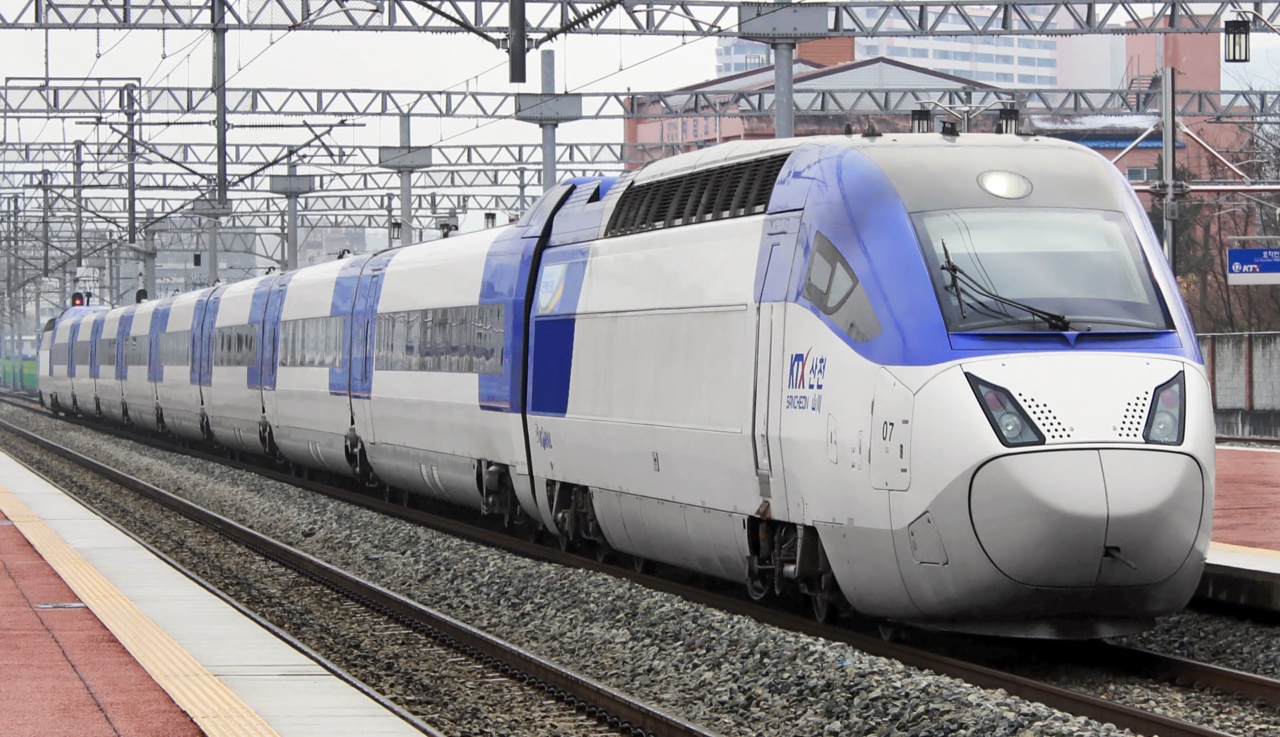
South Korea's transport infrastructure is world-class. The KTX (Korea Train Express) high-speed rail connects Seoul to Busan in about three hours.[2] Standard Korail trains and the ITX network cover routes the KTX does not. Book tickets through the Korail website or app, or at station kiosks.[3]
Express and intercity buses are extensive, affordable, and reach virtually every corner of the country. Terminals like Seoul's Express Bus Terminal and Dong Seoul Bus Terminal are major hubs. Buses are comfortable and punctual, and tickets can be booked via the Kobus or T-money websites.[4]
Within cities, subways are the backbone of urban transport. Seoul's metro is massive, clean, and well-signed in English and Korean.[5] Busan, Daegu, Daejeon, and Gwangju also have metro systems. Get a T-money card (available at convenience stores) for seamless tap-on, tap-off payment across subways, buses, and even some taxis nationwide.[5]
Taxis are plentiful and reasonably priced, especially for short hops. Regular taxis are silver or white; deluxe (mobeom) taxis are black and cost more.[6] The Kakao T app is the local ride-hailing standard and works like Uber. For Jeju Island and rural areas, renting a car is the best option. International driving permits are accepted, and roads are well-maintained with clear signage.
Domestic flights connect Seoul (Gimpo Airport) to Jeju, Busan, and other regional airports. Budget carriers like Jeju Air and Jin Air make these routes very affordable if booked in advance.[7]
Best Time to Visit
South Korea has four distinct seasons, and each has its appeal.
Spring (March to May) is arguably the most beautiful time to visit. Cherry blossoms sweep the country from south to north starting in late March, peaking in Seoul around mid-April. Temperatures are mild, skies are clear, and the countryside bursts with color. The Jinhae Cherry Blossom Festival near Busan is legendary.
Summer (June to August) is hot, humid, and punctuated by a monsoon season (jangma) typically in late June through July. While not ideal for sightseeing, summer is beach season in Busan and along the east coast. Festivals abound, and the lush green mountains are perfect for waterfall hikes. Expect occasional heavy downpours.
Autumn (September to November) rivals spring as the best travel season. Crisp air, deep blue skies, and the most vivid fall foliage you will see anywhere. Seoraksan, Naejangsan, and the mountains around Gyeongju are particularly stunning. October is peak foliage season and temperatures are comfortable.
Winter (December to February) is cold, especially in the north, with temperatures dropping well below freezing in Seoul. Snowfall transforms temples and palaces into postcard scenes. Ski resorts like Yongpyong and High1 draw winter sports enthusiasts. Heated ondol floors in traditional guesthouses make winter stays cozy, and winter street food like hotteok and bungeoppang (fish-shaped pastries) is at its best.
Culture and Customs
Korean culture is deeply rooted in Confucian values that emphasize respect for elders, social harmony, and hierarchy. Age matters in social interactions. When meeting someone, a slight bow is the standard greeting. If someone hands you a business card or a gift, receive it with both hands.
Shoes must be removed when entering homes, many traditional restaurants, and temples. Look for shoe racks or a raised floor as your cue. In temples, dress modestly, covering shoulders and knees, speak quietly, and ask before photographing monks or ceremonies. Many temples offer templestay programs where visitors can experience monastic life, including meditation and tea ceremonies.
Tipping is not customary in South Korea and can even cause confusion. Service charges are included in restaurant bills, and taxi drivers do not expect tips. In high-end international hotels, small tips may be accepted but are never required.
Koreans take dining etiquette seriously. Wait for the eldest person at the table to begin eating before you start. Do not stick chopsticks upright in rice, as this resembles funeral rituals. Pouring drinks for others (especially elders) is a sign of respect. When receiving a drink from an elder, hold the glass with both hands and turn slightly away while drinking.
K-culture is everywhere. Do not be surprised if a taxi driver plays K-pop, if you stumble upon a K-drama filming, or if a convenience store plays BTS. Embracing the pop culture side of Korea, from noraebang (karaoke rooms) to PC bangs (gaming cafes), is part of the fun.
LGBTQ+ travelers should be aware that while South Korea is safe, social attitudes can be conservative. Public displays of affection between same-sex couples may attract stares outside of specifically queer-friendly areas like Itaewon's Homo Hill in Seoul.
Food and Drink
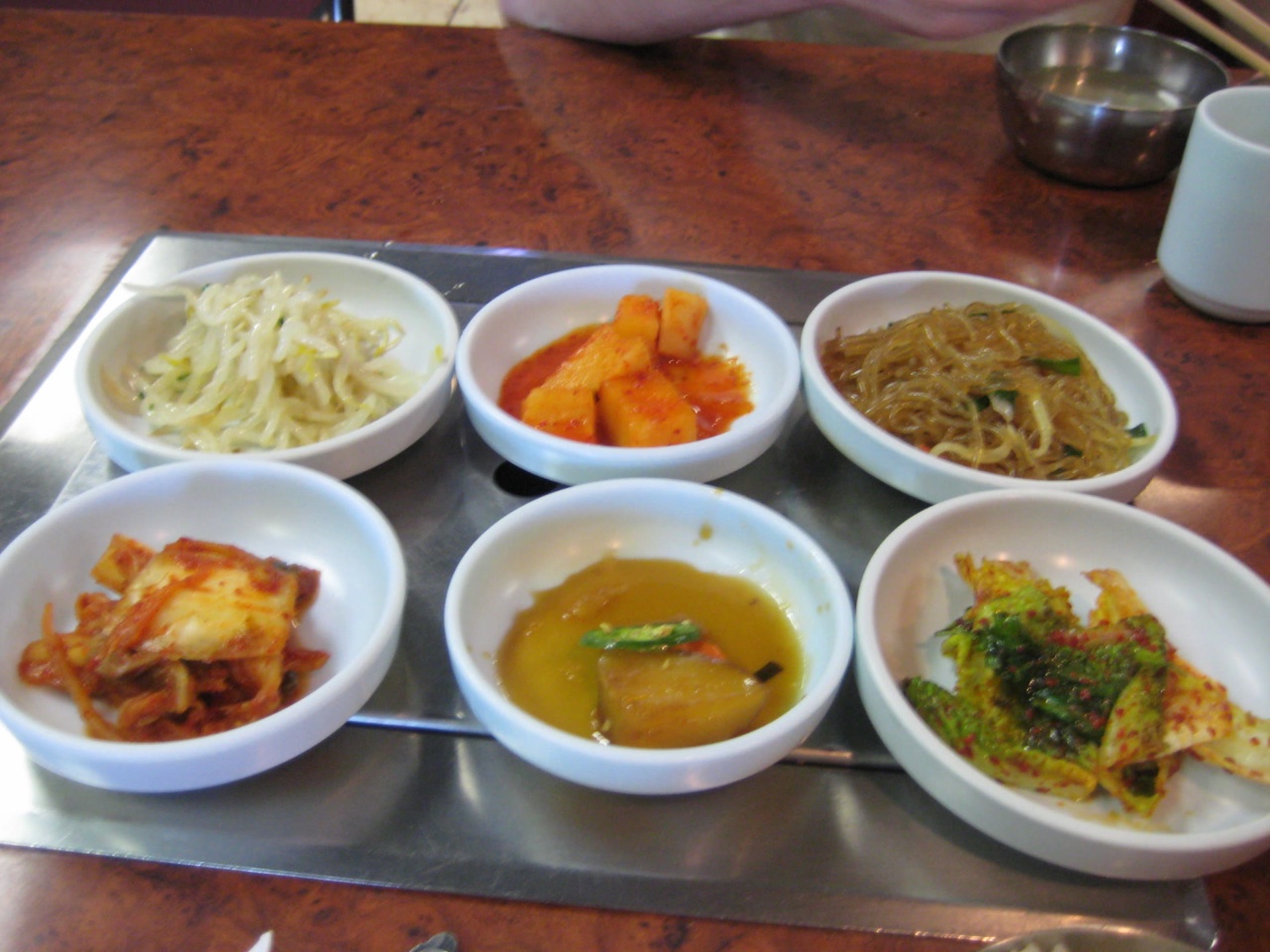
South Korean cuisine is one of the world's great food traditions, and eating well here requires almost no effort or budget. Every meal comes with banchan, an array of small side dishes (kimchi, pickled radish, seasoned spinach, and many more) that are refilled for free.
Kimchi jjigae - a fiery stew of fermented kimchi, pork, and tofu that is comfort food at its finest
Bibimbap - rice topped with vegetables, meat, egg, and gochujang (chili paste), mixed together before eating
Korean BBQ (gogigui) - grill your own marinated beef (bulgogi), pork belly (samgyeopsal), or short ribs (galbi) at the table
Tteokbokki - chewy rice cakes in a sweet-spicy red sauce, the king of Korean street food
Japchae - glass noodles stir-fried with vegetables and sesame oil
Naengmyeon - icy cold buckwheat noodles, perfect in summer, served in a tangy broth or with spicy sauce
Sundubu jjigae - soft tofu stew, often with seafood, served bubbling in a stone pot
Chimaek - Korean fried chicken paired with beer (maekju), a national obsession
Gimbap - Korean rice rolls filled with vegetables, egg, and meat, ideal for picnics and hiking
Jeon - savory pancakes made with seafood (haemul pajeon) or kimchi
Street Food
Korean street food is abundant and affordable. Markets like Gwangjang, Namdaemun, and Myeongdong in Seoul, and BIFF Square in Busan, are ideal grazing grounds. Look for hotteok, sundae (blood sausage), eomuk (fish cake skewers in warm broth), and tornado potatoes. Convenience stores (GS25, CU, 7-Eleven) are destinations in themselves, stocked with surprisingly good triangle gimbap, instant ramyeon stations, and unique snacks.
Drinks
Soju, the clear rice-based spirit, is ubiquitous and incredibly cheap. It comes in various flavors and strengths. Makgeolli, a milky, slightly sweet fermented rice wine, is traditional and pairs beautifully with pajeon. Korean craft beer has exploded in recent years, with taprooms in Seoul and Busan offering excellent local brews. For non-alcoholic options, try sikhye (sweet rice drink), yuja-cha (citron tea), or the many inventive cafe drinks in Korea's thriving coffee culture. South Korea has more coffee shops per capita than almost any country on Earth.
Dietary Considerations
Vegetarians and vegans will find Korea more challenging than some Asian countries, as meat, fish sauce, and anchovy stock are used extensively, even in dishes that appear vegetable-based. Temple food restaurants (sachal eumsik) are the best option for plant-based meals, and the concept is growing in popularity. Learning the phrase "gogi ppaeyo" (without meat) helps, though hidden animal products in broths remain common. Gluten-free travelers should note that soy sauce (containing wheat) is a staple ingredient.
Visa and Entry Requirements
South Korea offers visa-free entry to passport holders from many countries, with allowed stays that range from 30 days to 6 months depending on nationality, for example 90 days for US citizens and 6 months for Canadians.[8] Citizens of the United States, Canada, the United Kingdom, Australia, and most EU countries can enter visa-free for tourism.
K-ETA: The government has extended the temporary exemption for the countries and regions already covered by it from 1 January through 31 December 2026.[9] The extension does not apply to every visa-free nationality. Check the current eligibility result on the official K-ETA website before travel. Eligible travelers who still choose to apply may receive benefits such as not submitting an arrival card, but the application fee of 10,000 won (about 7 to 8 US dollars) applies.[10]
For longer stays, work, or study, appropriate visas must be arranged through Korean embassies or consulates before arrival. Always verify the latest requirements with official sources, as entry policies can change.
Upon arrival, you will go through immigration and customs. Having a return or onward ticket and proof of accommodation can speed up the process. Incheon International Airport, the main gateway, offers free showers for passengers in its duty-free area.[11]
Safety and Health
South Korea is one of the safest countries in Asia and the world. Violent crime against tourists is extremely rare. You can walk through most neighborhoods at any hour without concern, and lost items are frequently returned. That said, exercise normal urban precautions in crowded areas and nightlife districts.
Common scams: Overcharging in some Itaewon bars (check prices before ordering), taxi drivers refusing to use the meter (insist on it or use Kakao T), and counterfeit goods in markets. These are minor annoyances rather than serious threats.
Health: No special vaccinations are required for South Korea, though routine immunizations should be up to date. Tap water is technically safe in most cities, but many locals and travelers prefer filtered or bottled water. Pharmacies (yakguk) are widespread and pharmacists can recommend over-the-counter medications. Hospitals and clinics are modern and well-equipped, though English-speaking staff can be limited outside major hospitals in Seoul and Busan. Travel insurance is strongly recommended.
Air quality: Fine dust (misemun) from industrial pollution and seasonal factors can be a concern, particularly in spring. Check air quality apps like AirVisual and consider carrying a KF94 mask (the Korean equivalent of N95) during high-pollution days.
Natural hazards: Typhoons occasionally affect the southern coast in late summer. Earthquakes are rare and typically minor. The proximity to North Korea understandably raises questions, but day-to-day life in South Korea is entirely unaffected by geopolitical tensions, and the country has robust civil defense systems in place.
Budget Tips
South Korea offers excellent value, especially compared to Japan. It is possible to travel comfortably on a range of budgets. The figures in the table are rough planning ranges, not official prices.
Category
Budget
Mid-Range
Luxury
Daily Total (approx.)
$50-70
$100-180
$250+
Accommodation
$15-30 (hostels, guesthouses)
$60-120 (hotels, hanok stays)
$150+ (5-star hotels)
Meals
$10-20
$20-40
$50+
Transport
$5-10 (subway, bus)
$10-30 (KTX, taxis)
$30+ (car rental, KTX first class)
Where to Save Money
Eat local: A filling meal at a neighborhood restaurant (kimbap shop, jjigae restaurant, or market stall) is cheap. Korean BBQ is pricier but still affordable at casual spots.
Stay in guesthouses or love motels: Budget guesthouses and hanok stays offer character at low prices. Love motels (now often rebranded as boutique motels) are clean, private, and affordable.
Use public transport: A T-money card saves money on every ride. A single subway trip in Seoul costs 1,550 won with a transit card.[6] Multi-day transit passes exist but are only worthwhile if you ride frequently.
Free attractions: Seoul's palaces waive the entrance fee if you wear hanbok (available for rent nearby).[12] National parks charge minimal or no entry fees. Temples are generally free to visit.
Convenience store meals: A triangle gimbap and a drink from CU or GS25 make a perfectly acceptable quick meal.
Jjimjilbangs: These Korean bathhouses double as ultra-budget accommodation, with baths, saunas, sleeping areas, and sometimes entertainment. Dragon Hill Spa in Seoul is a famous option.
Currency and Payment
The currency is the Korean Won (KRW). Credit and debit cards are accepted almost everywhere, including market stalls and convenience stores. Contactless payment via Samsung Pay and other mobile wallets is widespread. However, some smaller traditional restaurants and rural vendors may be cash-only, so carry some won. ATMs are abundant, with those in convenience stores (particularly CU and GS25) often accepting international cards. Notify your bank before traveling to avoid card blocks.
South Korea is rapidly moving toward a cashless society. You can load your T-money card at any convenience store and use it for transport, vending machines, and some shops. For the tech-savvy, apps like KakaoPay and Naver Pay dominate local digital payments, though they typically require a Korean bank account or phone number to set up.
Sources and background
Numbers in the text such as [1] refer to these sources.