Sources and background
Numbers in the text such as [1] refer to these sources.
- [1] Korea Tourism Organization: Express Bus & Intercity Bus. Retrieved October 15, 2026.

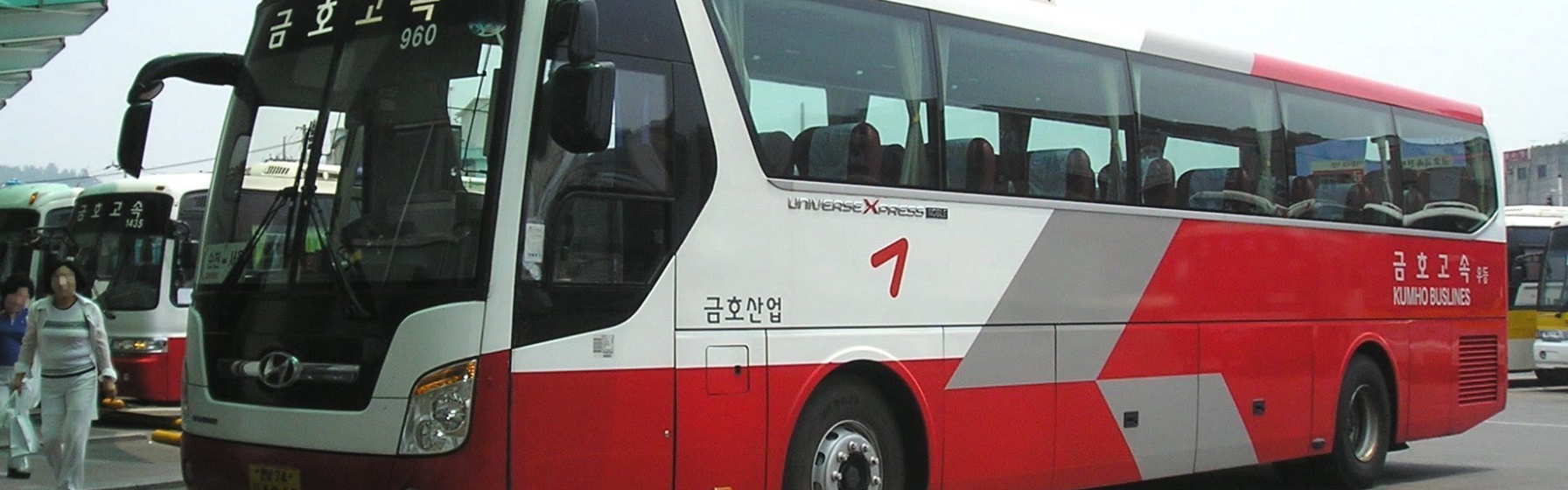
Plan your South Korea bus trip with our complete guide to express and intercity routes, booking tips, comfort classes, and practical advice for traveling by bus.
South Korea's intercity bus system is one of the most efficient and underrated ways to explore a country that extends far beyond the neon glow of Seoul. While the KTX bullet train gets most of the attention, it is the humble express bus that knits together the fabric of the nation - linking sprawling metropolises to quiet coastal towns, mountain temple stays, and countryside villages that no rail line reaches. For travelers willing to step off the beaten path, the bus network opens up a version of South Korea that feels refreshingly unhurried.
South Korea has an extensive intercity bus network, divided into two main categories: gosok bus (express buses) and sioe bus (intercity buses). Express buses use expressways between major cities without stopping in the cities along the way, while intercity buses make intermediate stops and reach smaller towns.[1]
The network radiates from Seoul, which has 4 main long-distance bus terminals.[1] Seoul Express Bus Terminal (Express Bus Terminal Station, subway Lines 3, 7 and 9) serves Busan, Daegu, Gyeongju, Pohang and Gangwon State, and the Central City Express Bus Terminal at the same station serves the southwest, including Gwangju, Jeonju, Mokpo, Suncheon and Yeosu. Dong Seoul Terminal (Gangbyeon Station, Line 2) and Seoul Nambu Terminal (Nambu Terminal Station, Line 3) are the other two.[1] Express and intercity buses for the same destination may depart from different terminals.[1]
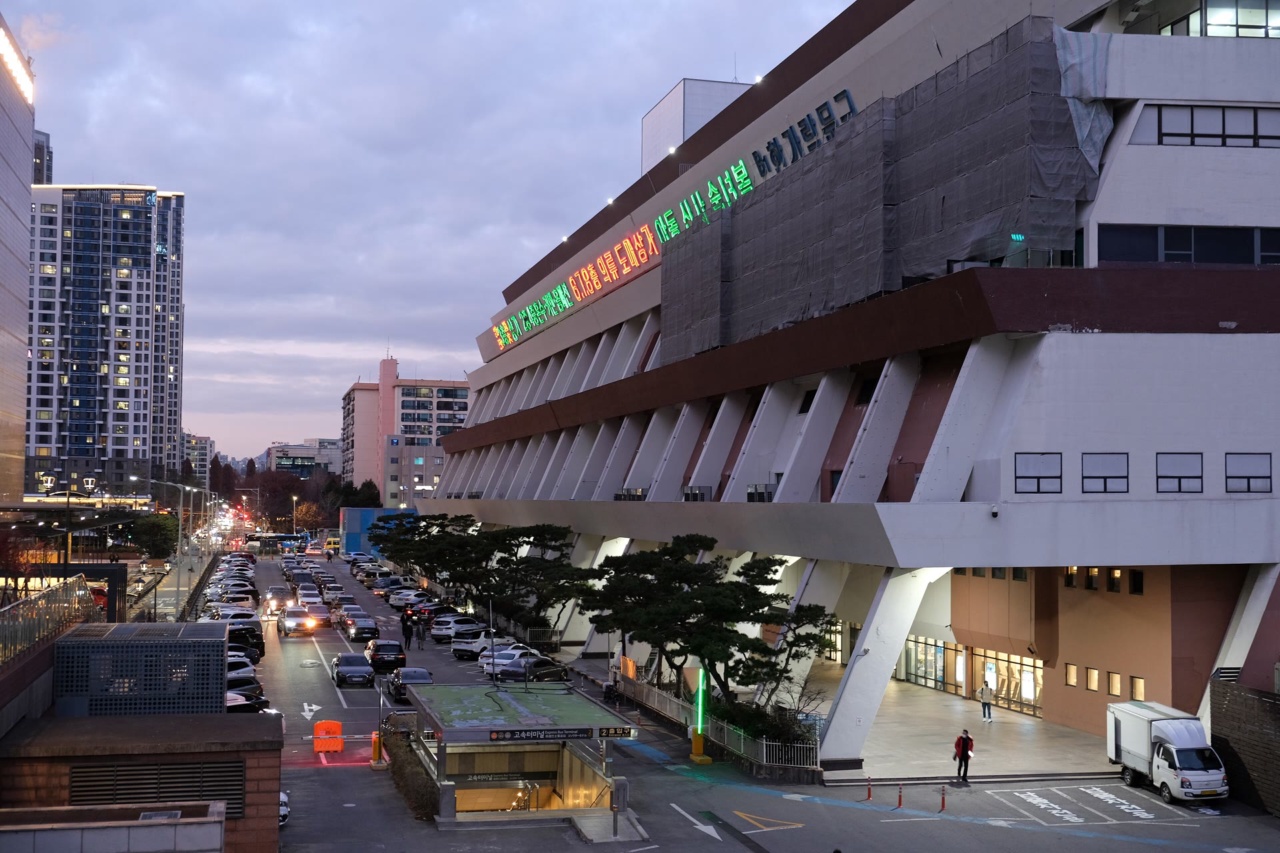
Seoul has direct express bus routes to Busan, Daegu, Gyeongju, Gwangju, Jeonju, Mokpo and many other cities, and to Gangwon destinations such as Gangneung and Sokcho.[1] Check the timetable on the booking site for the departure times of your route.
Express bus fares vary with the level of comfort and the number of seats, from standard to premium seating, and extra charges apply during late-night hours.[1] Intercity buses are divided into standard and luxury classes, the latter with larger seats, and also carry late-night surcharges.[1]
For any journey over a couple of hours, the roomier class can be worth the extra cost. Air conditioning on Korean buses can run cold, so a light jacket is useful regardless of season.
Booking a bus in South Korea is remarkably straightforward. Kobus (kobus.co.kr) sells express bus tickets, while Bustago (bustago.or.kr) and txbus.t-money.co.kr sell intercity bus tickets. The sites are available in Korean, English, Japanese and Chinese, though regional restrictions may block access from some countries.[1] Platforms such as Klook and Hanpass also sell tickets to foreign visitors.[1] Travelers looking to compare bus options alongside other transport modes can also check schedules and book through GoAsia.cc for a smoother English-language experience.
Walk-up ticket purchases at terminal counters remain perfectly viable, especially outside of major holidays. Terminals have ticket offices and kiosks, and you can pay with cash, credit card or mobile pay.[1] If you booked online, you may need to print the ticket at the departure terminal's ticket office first, so check this when you book.[1]
Advance booking becomes essential during Chuseok (Korean Thanksgiving) and Seollal (Lunar New Year), when the entire country migrates to hometowns simultaneously. During these holidays, buses can sell out well in advance. For regular travel, booking a day ahead or even the same day is often enough.
Korean long-distance buses are generally clean and quiet. The buses do not have onboard restrooms, so mid- and long-distance routes include scheduled stops at highway service areas (called hyugeso).[1] These rest stops are destinations in themselves: complexes with food courts, convenience stores, regional snack vendors, and clean restrooms, known for snacks such as hotteok (sweet pancake).[1]
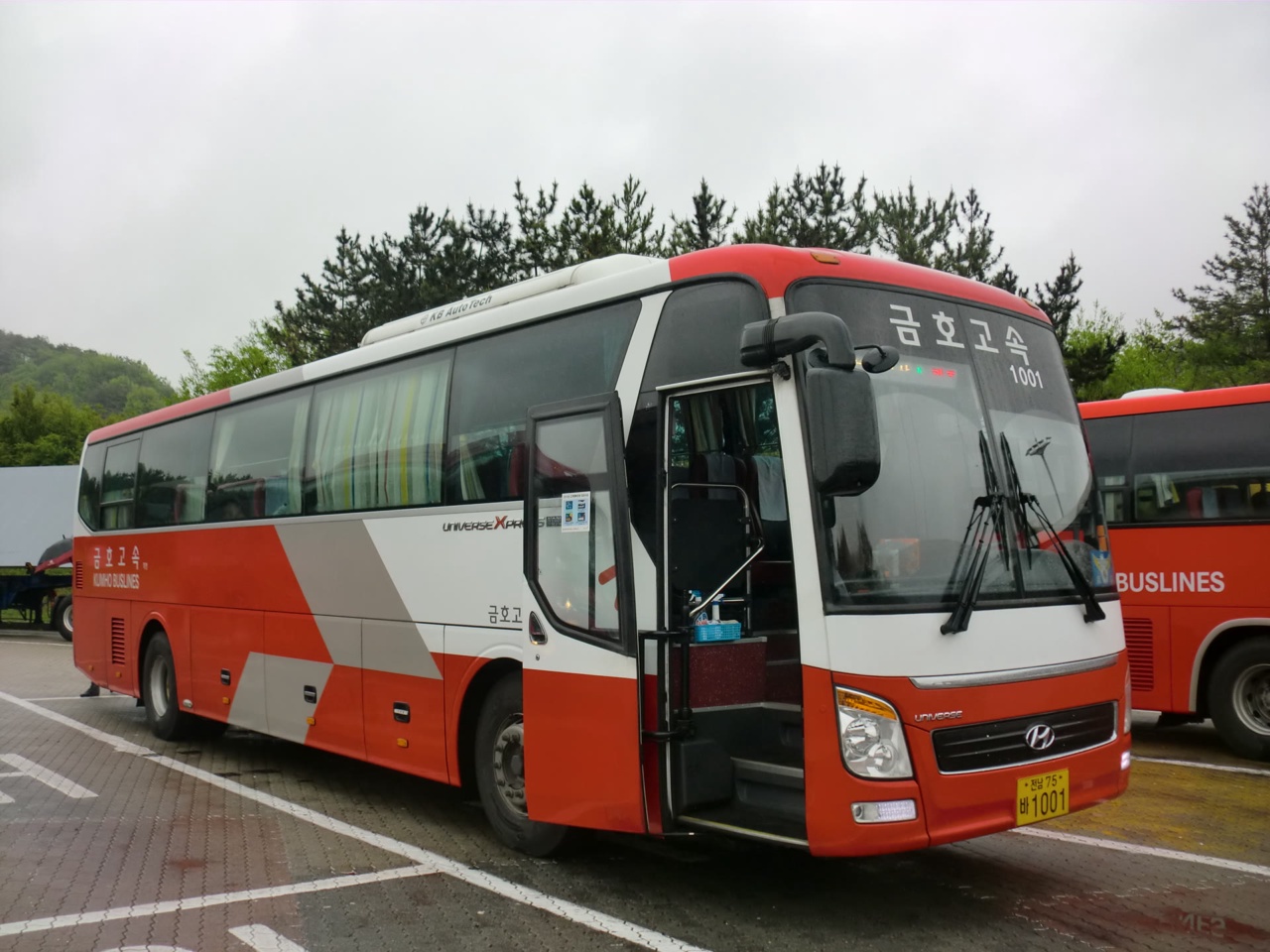
Onboard, the atmosphere skews toward silence. Korean bus etiquette strongly discourages loud conversations, phone calls, and noisy media. Many passengers sleep, read, or watch content on their phones with earbuds. This quiet environment makes bus travel surprisingly restful. Luggage goes in the undercarriage hold for large bags, while smaller backpacks can be placed on overhead racks or in front of your seat.
Wi-Fi and USB charging are available on some newer buses, though the connection can be spotty in mountainous areas. There is no onboard food service, so stock up at the terminal or rest stop. The scenery varies dramatically by route - the Seoul to Gangneung corridor cuts through stunning mountain passes, while southern routes to Yeosu or Tongyeong offer glimpses of terraced farmland and island-dotted coastlines.
Numbers in the text such as [1] refer to these sources.
No articles available yet.