Plan your South Korea train trip with our guide to KTX high-speed rail, classes, booking tips, scenic routes, and practical advice for riding Korean railways.
South Korea's trains run with a precision that borders on artistry. Step into any major station and you'll find modern platforms and a network that ranges from high-speed trains to slow local services. The Korean railway network is a point of national pride, threading through mountain valleys, coastal stretches, and the sprawling urban corridors that connect some of Asia's most dynamic cities. For travelers, it offers something rare: the ability to travel from Seoul to Busan in about three hours.[1]
The Train Network in South Korea
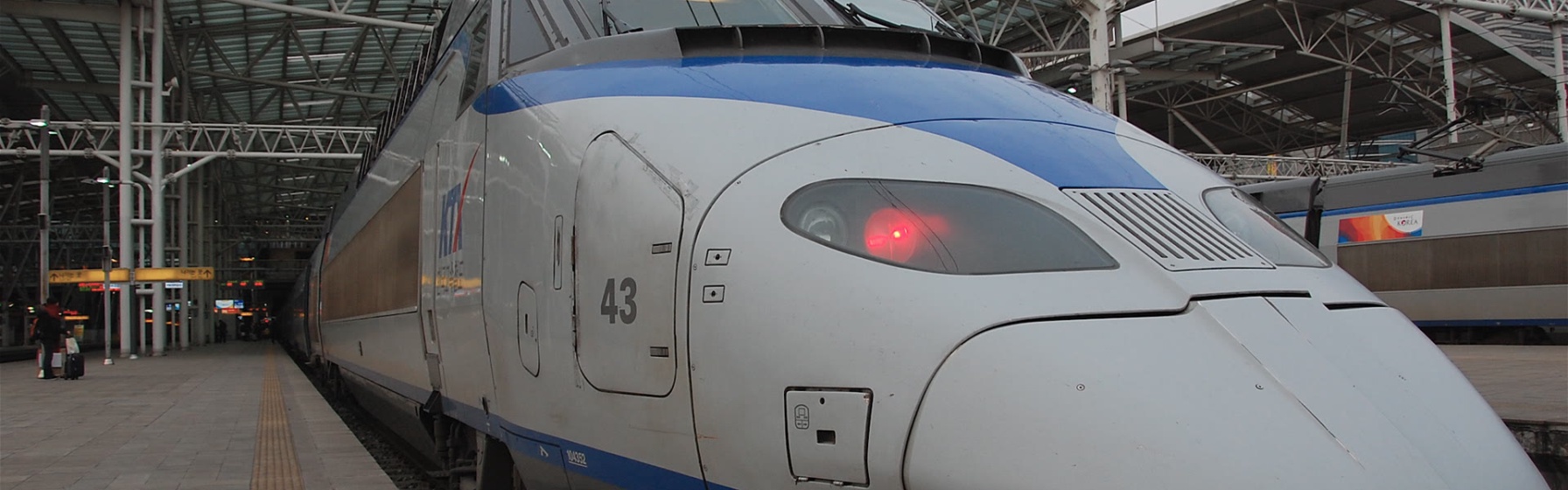
South Korea's railway system is operated primarily by Korail (Korea Railroad Corporation), which runs everything from KTX high-speed trains to slower regional services.[2] The backbone of the network is the KTX (Korea Train eXpress), a high-speed service with a top speed of 330 km/h.[2][3] The main KTX corridor runs from Seoul to Busan, the country's two largest cities.
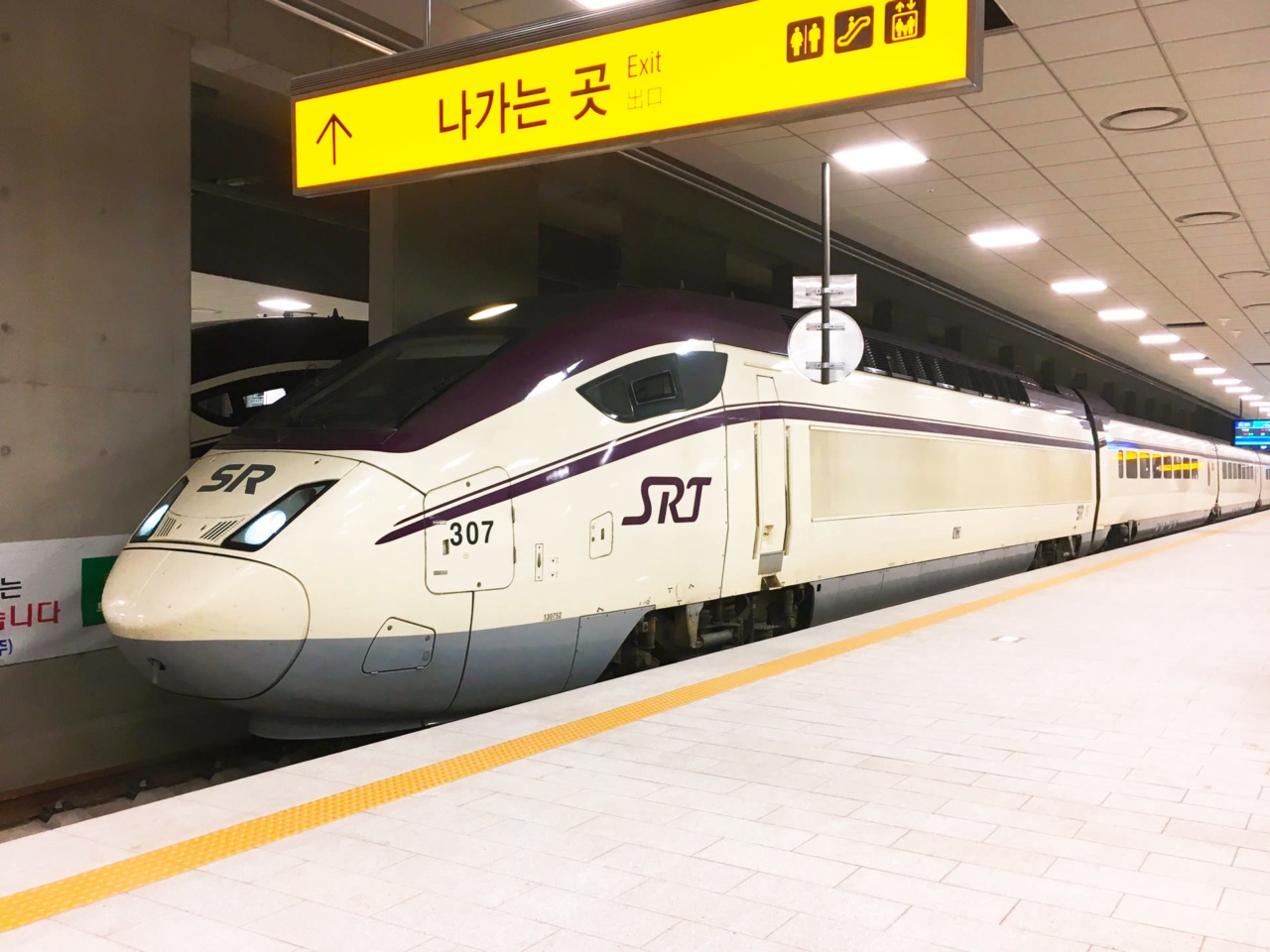
Beyond the Seoul-Busan line, KTX trains run to cities such as Mokpo and Yeosu in the southwest and Gangneung on the east coast.[2] A second high-speed operator, the SRT (Super Rapid Train), runs from Suseo Station in southern Seoul to Busan and Mokpo, with a top speed of 300 km/h.[2][4]
For destinations not served by high-speed rail, Korail runs conventional trains. The ITX-Saemaeul is a premium-class conventional train, while the Mugunghwa is slower and stops at small stations that KTX and premium trains bypass.[2] Themed tourist trains run on a number of routes.[2] Places without a rail station are best reached by bus.
Classes and Comfort Levels
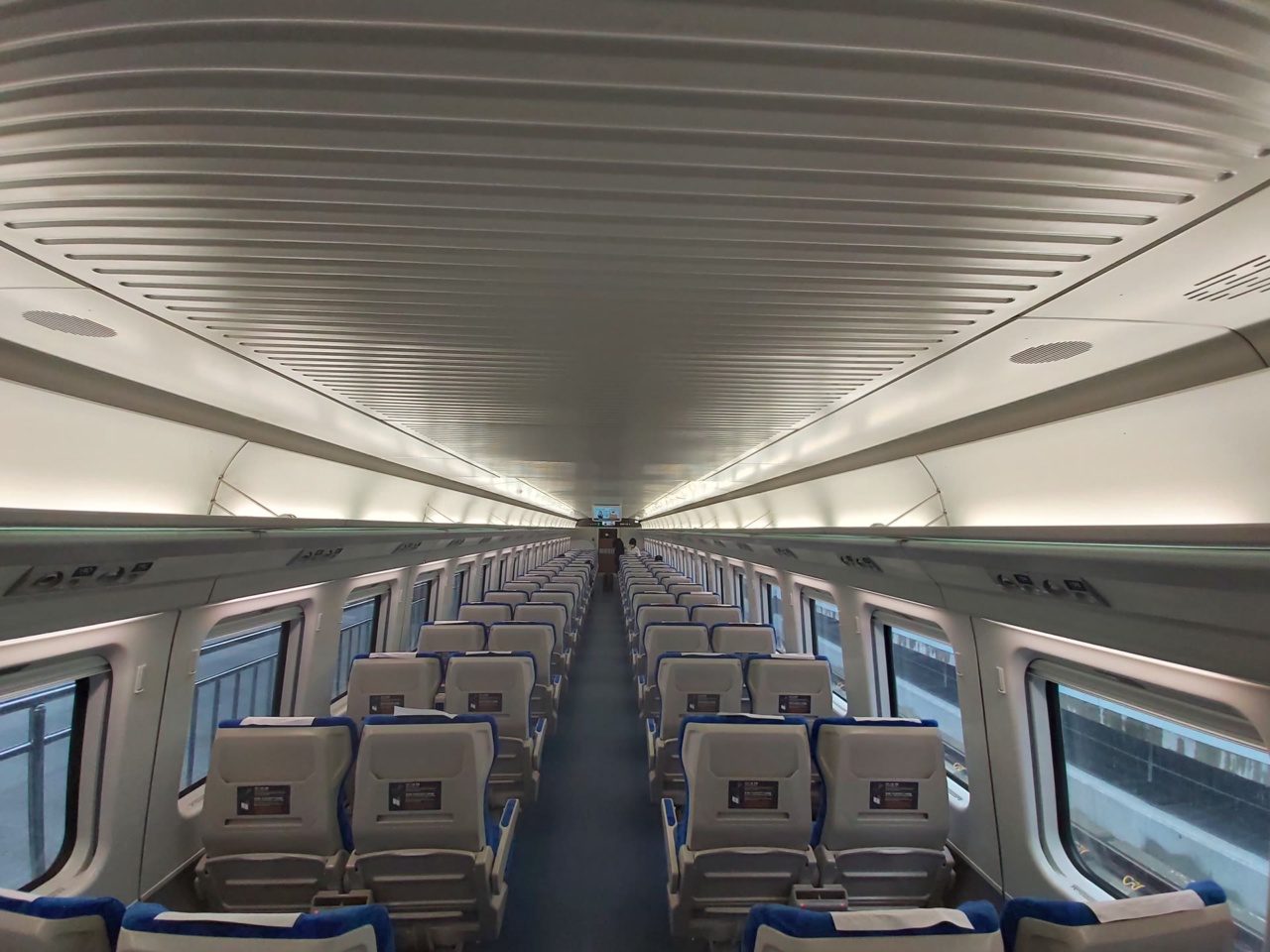
KTX trains offer standard and first-class seats. KORAIL Pass holders can book a first-class seat by paying 50 percent of the first-class fare for the route.[2]
On conventional services, the ITX-Saemaeul is the premium-class option and the Mugunghwa makes more stops. For travelers who are not in a rush, the Mugunghwa is a simple way to reach smaller towns, while standard KTX class is the choice for speed.[2]
Booking and Tickets
Tickets can be bought on the Korail website (which has an English version), in the KORAIL+ mobile app, at ticket vending machines and at station ticket counters.[5] SRT tickets are sold on the SRT website, which also has an English version.[4]
For popular routes like Seoul to Busan, especially around Korean holidays such as Chuseok (harvest festival) and Seollal (Lunar New Year), trains sell out early. Korail runs a dedicated reservation schedule for these periods; for Chuseok 2026, for example, it announced the dates in August.[6] Booking as soon as sales open is essential. On regular days, you can often still find seats shortly before departure, though weekend trains on busy routes can fill up.
Travelers exploring several destinations can look at the KORAIL Pass, a rail pass for foreign visitors that covers Korail's passenger trains, including KTX, for a set period.[6] It does not cover SRT trains, metropolitan subway trains or special tourist trains.[6] Korail changed the pass types and age categories on 11 December 2025.[6] You can compare individual routes and book on platforms like GoAsia.cc.
Korail accepts payment by credit card.[5] Tickets can be refunded before departure for a fee that depends on how close to departure you cancel, and the fees are higher on weekends and holidays.[5]
What to Expect on Board
The KTX covers Seoul to Busan in about 3 hours,[1] with a top speed of 330 km/h.[3] The ride is remarkably smooth, and the scenery shifts from Seoul's urban sprawl to rolling farmland, forested hills, and the occasional tunnel through mountain ranges. The east coast line to Gangneung is particularly scenic, passing through the Taebaek Mountains before descending toward the sea.
Food service on board is limited, so many travelers pick up kimbap, sandwiches, or fried chicken from the convenience stores found in most stations before boarding. Eating on trains is perfectly acceptable and common.
Luggage storage is available in overhead racks and at the ends of each car, with space generally sufficient for standard suitcases. There are no dedicated luggage cars, so oversized items can be awkward to manage. Newer trains such as the KTX-Eum have 220V power outlets and wireless phone chargers,[3] while older conventional trains may offer fewer comforts.
Korean trains are notably quiet. Passengers generally keep phone conversations brief and voices low, and there is an unspoken expectation to maintain a calm atmosphere. You won't hear loud music or boisterous chatter - respect this norm and you'll fit right in.
Tips for Train Travel in South Korea
Use T-money for local connections: A rechargeable T-money card works on subways, buses, and even some taxis across the country. Pick one up at any convenience store when you arrive - it makes connecting to and from train stations seamless.
Avoid holiday travel if possible: Chuseok and Seollal trigger massive nationwide travel surges. If your dates overlap, book trains the moment reservations open or consider adjusting your itinerary.
Download the Korail and Naver Map apps: Naver Map is far more reliable than Google Maps in South Korea for navigation, transit directions, and finding station exits. The Korail app handles bookings and real-time train status.
Seoul has multiple major stations: KTX trains leave from Seoul, Yongsan and Cheongnyangni stations, and SRT trains from Suseo Station. Double-check which station your train departs from.[2]
Language is rarely a barrier: Korail's website and ticket machines offer English, and its customer center on +82-1599-7777 answers in English from 08:00 to 20:00 daily.[2] Translation apps fill any remaining gaps.
Explore beyond the main corridor: While Seoul to Busan gets the most attention, routes to Gyeongju (the ancient Silla capital), Jeonju (famous for bibimbap and hanok villages), and Gangneung (gateway to the east coast beaches) offer rewarding side trips that are easy to reach by rail.
Bring layers: Air conditioning on Korean trains can run cold, especially in summer. A light jacket or scarf will keep you comfortable on longer journeys.
Sources and background
Numbers in the text such as [1] refer to these sources.