The first thing you notice about Seoul is the pace. Subway doors snap open and a million people seem to move with synchronized purpose, weaving past glowing convenience stores, neon-lit barbecue joints, and temple gates and palace walls that are centuries old. Then you step onto a mountain trail twenty minutes from the city center and find yourself in near silence, looking down at a skyline of millions shimmering in the haze. That whiplash between ancient and ultramodern, between chaos and calm, is what makes Seoul unlike any other Asian capital.
Seoul is remarkably easy to navigate for a megacity. The subway system is world-class, English signage is widespread, and the food scene alone justifies a trip. Whether you came for K-pop pilgrimages, palace hopping, skincare shopping, or simply to eat your way through one of Asia's great culinary cities, Seoul delivers with an intensity that can be addictive. Budget travelers thrive here thanks to cheap transit and affordable street food, while luxury seekers will find five-star hotels, rooftop bars, and tasting menus that rival anything in Tokyo or Hong Kong.
The city also functions as a launchpad for the rest of South Korea. The KTX bullet train connects Seoul Station and Busan Station in about three hours,[1] and the DMZ lies about 50 km north of the city.[2] But most visitors find that Seoul itself consumes every available day, and they leave already planning a return trip.
Orientation and Neighborhoods
Seoul sprawls across both banks of the Han River, which divides the city into Gangbuk (north) and Gangnam (south). Most historic sites and older neighborhoods sit north of the river, while the flashier, more modern districts are to the south. The subway makes everything accessible, so choosing where to stay is more about vibe than logistics.
Jongno and Gwanghwamun
The historic heart of Seoul, home to Gyeongbokgung, Changdeokgung, and Bukchon Hanok Village. This is where you want to be if palaces, traditional teahouses, and cultural immersion are priorities. Hotels here range from hanok guesthouses to international chains.
Seoul's most tourist-dense shopping district, packed with skincare shops, department stores, and street food stalls. It is convenient and well-connected but can feel overwhelming and commercial. Good for first-time visitors who want everything within walking distance.
Hongdae
The university district anchored by Hongik University, known for indie music venues, street performers, quirky cafes, and affordable restaurants. Nightlife here is lively and younger-skewing. Budget accommodation is plentiful, and the area stays energetic until the early hours.
Itaewon and Hannam
Historically Seoul's international district, Itaewon has a diverse food scene spanning Mexican, Middle Eastern, Nigerian, and craft cocktail bars. Hannam-dong, just uphill, has become a design and gallery hub. This is the most cosmopolitan neighborhood, and English is spoken more widely here than anywhere else in the city.
Gangnam and Apgujeong
South of the river, Gangnam is Seoul's business and luxury district. Apgujeong and Cheongdam are where you find designer boutiques, celebrity-chef restaurants, and upscale nightlife. Accommodation tends to be pricier, and the area lacks the walkable charm of Gangbuk neighborhoods.
Insadong and Ikseon-dong
Insadong is the traditional arts and crafts street, filled with galleries, calligraphy shops, and tea houses. Adjacent Ikseon-dong is a tiny hanok alley that has been transformed into one of Seoul's trendiest cafe and restaurant clusters. Great for an afternoon of wandering.
Things to Do
Offers are only loaded from GetYourGuide after you click. GetYourGuide can then process your IP address and set cookies. Privacy Policy
GetYourGuide partner offers. GoAsia may earn a commission if you book through these offers. Check whether tickets or transfers are included, and follow the attraction's official booking and admission rules.
Best Time to Visit
Seoul has four distinct seasons, and each transforms the city. Spring (April to May) brings cherry blossoms and mild temperatures, making it the most popular time to visit. Autumn (September to November) is equally stunning, with fiery foliage across the city's mountains and palace grounds. Summer (June to August) is hot, humid, and punctuated by monsoon rains, particularly in July. Winter (December to February) is cold and dry, with temperatures regularly dropping below freezing, but the city is less crowded and looks striking under snow.
Season
Months
Weather
Crowds
Prices
Spring
Apr - May
Mild, occasional rain
High
Higher
Summer
Jun - Aug
Hot and humid, monsoon in Jul
Moderate
Moderate
Autumn
Sep - Nov
Cool and crisp, stunning foliage
High
Higher
Winter
Dec - Feb
Cold, dry, below freezing
Low
Lower
Notable events include the Lotus Lantern Festival in spring (celebrating Buddha's birthday), the Seoul Lantern Festival along Cheonggyecheon Stream in autumn, and Chuseok (Korean Thanksgiving) in September or October, when some businesses close but palaces offer special programs. If you visit during Chuseok or Lunar New Year, book accommodation well in advance.
Getting There and Getting Around
Incheon International Airport (ICN) is the main gateway, to the west of central Seoul. The AREX express train runs non-stop to Seoul Station every 20 to 40 minutes, takes about 40 minutes and costs 9,500 won; the all-stop train runs every 5 to 10 minutes, takes just under an hour and costs 4,150 to 4,750 won. Airport buses serve all major areas of Seoul for 5,000 to 15,000 won and take 60 to 80 minutes.[3] International taxis charge flat fares of 70,000 to 95,000 won from Incheon.[4] Gimpo Airport (GMP) is used mainly for domestic flights and is closer to the city. It is a transfer station for subway Lines 5 and 9 and the Gimpo Gold Line.[3]
Seoul's subway is the backbone of the city. It covers virtually every tourist destination, runs from about 05:30 to midnight, and has signs in Korean, English and Chinese. A T-money card costs 3,000 won, is sold at convenience stores and stations, and also works on buses.[4] A single subway ride costs 1,550 won with a card and 1,650 won in cash, and transfers between subway and bus are discounted when you tap on exit.[5] For more detailed transport routes and schedules, GoAsia.cc has comprehensive guides.
Taxis are affordable by international standards. The base fare of a standard taxi is 4,800 won for the first 1.6 km, with a night surcharge of 20 to 40 percent between 22:00 and 04:00.[5] Most taxis accept cash, credit cards and T-money.[4] Kakao T is the dominant ride-hailing app and far more reliable than trying to flag cabs during peak hours. Grab does not operate in South Korea. Buses are extensive but harder to navigate for non-Korean speakers; stick to the subway unless a specific route demands it.
Seoul is walkable within individual neighborhoods, but the city is too spread out to walk between districts. The exception is the Jongno-Insadong-Bukchon corridor, which rewards hours of exploration on foot.
Top Sights and Experiences
Must-See Attractions
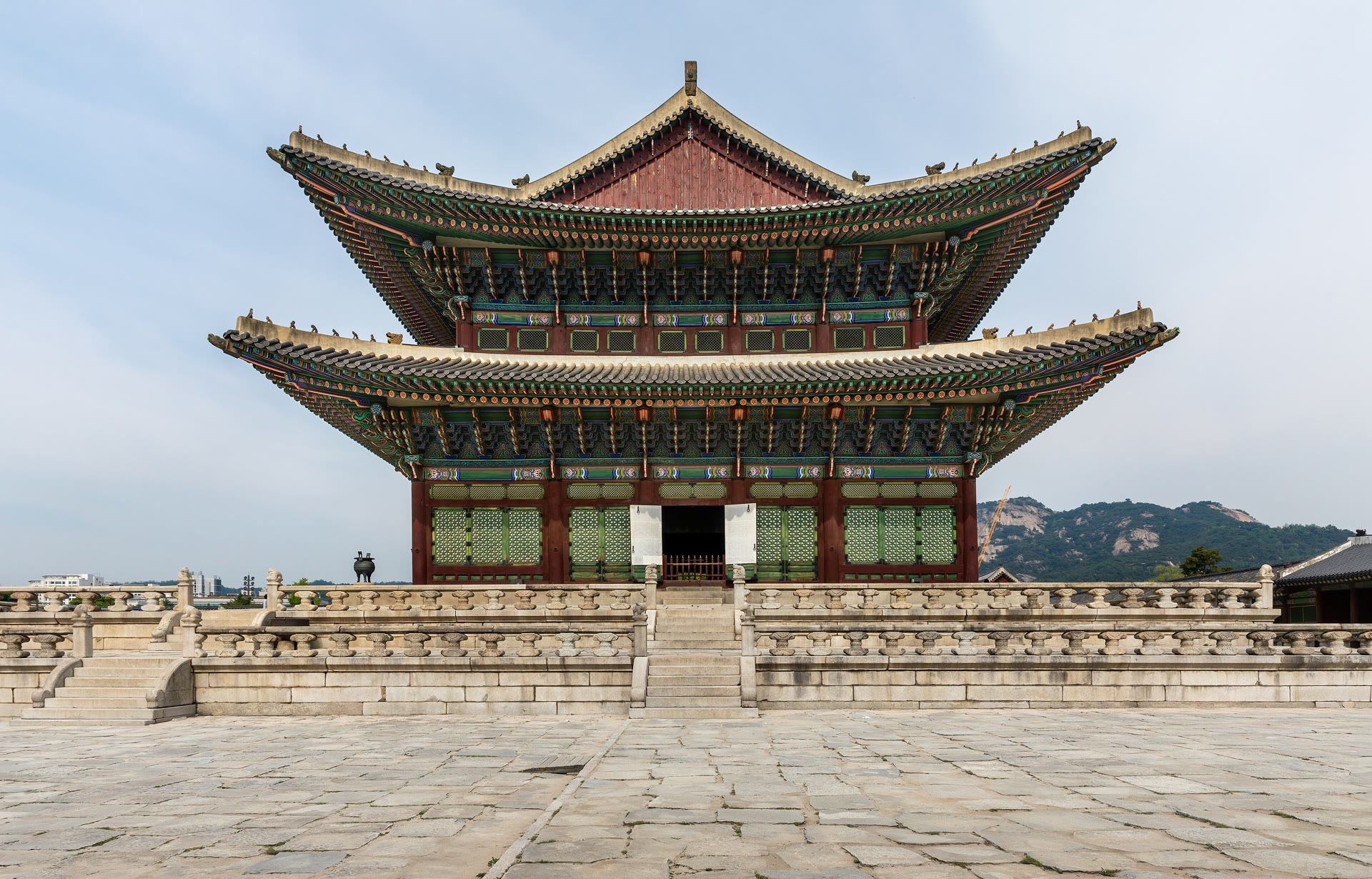
Gyeongbokgung Palace: The grandest of Seoul's five Joseon-era palaces. Admission is 3,000 won for adults, visitors wearing hanbok (traditional Korean dress) get in free, and the palace is closed on Tuesdays. Free English-language guided tours start at 11:00, 13:30 and 15:30 from Wednesday to Monday.[6] Arrive when the gates open to beat crowds. Allow 90 minutes to two hours.
Changdeokgung Palace and Secret Garden: A UNESCO World Heritage Site[7] with arguably more atmosphere than Gyeongbokgung. The palace is closed on Mondays. The rear garden (Huwon) costs 5,000 won on top of the 3,000 won palace ticket, and you can only enter at the time printed on your ticket. Guided tours in English run at 10:30, 11:30, 14:30 and 15:30 from March to November and are optional. Only 100 people are admitted per session, half of them through online booking, so book ahead.[8] The garden is especially worth it during autumn foliage.
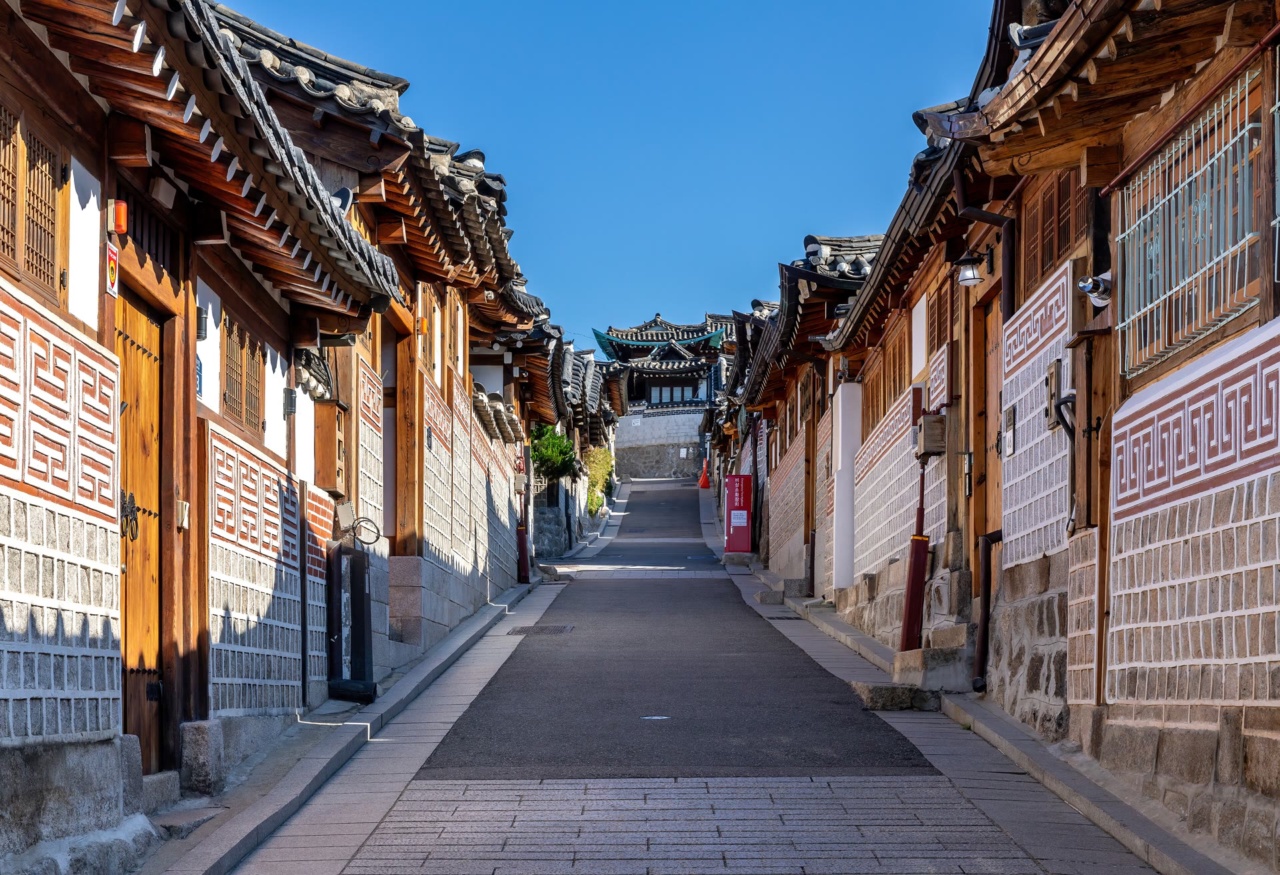
Bukchon Hanok Village: A hillside neighborhood of traditional Korean houses (hanok) wedged between two palaces. It is photogenic and atmospheric, but remember this is a residential area. Visit early morning on weekdays to avoid crowds and be respectful of noise levels. Free to walk through.
N Seoul Tower (Namsan Tower): The iconic tower atop Namsan Mountain offers panoramic city views. You can take the Namsan Cable Car (12,000 won one way for adults, 15,000 won round trip)[9] or hike up from various trailheads. The observatory costs 29,000 won for adults and 23,000 won for children and seniors.[10] Sunset visits are the most popular, so expect lines.
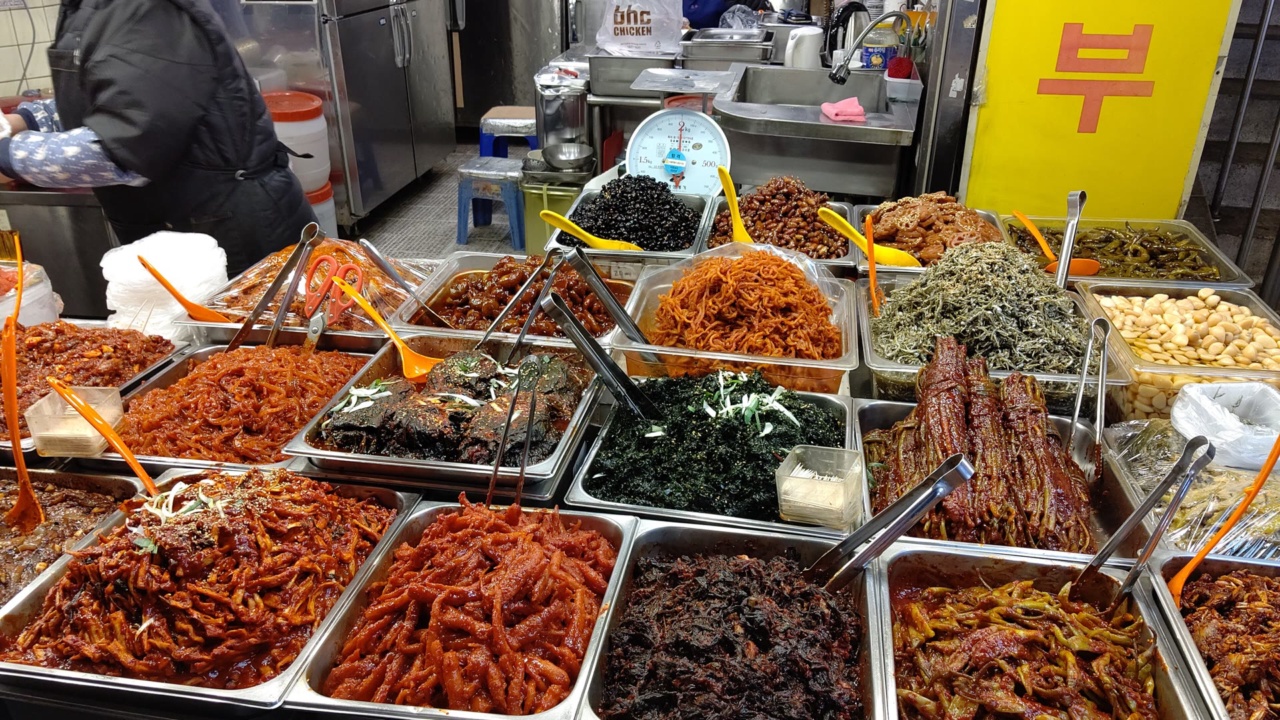
Gwangjang Market: One of Seoul's best-known traditional markets and a street food paradise. Come hungry and try bindaetteok (mung bean pancakes), mayak gimbap (addictive mini rice rolls), and yukhoe (Korean beef tartare). Best visited for a late lunch to avoid the worst crowds. The atmosphere is chaotic and wonderful.
Cheonggyecheon Stream: A restored urban stream running through the city center, perfect for a peaceful walk. It stretches about 11 km,[11] but even a short stroll along the first section is pleasant. Lit beautifully at night.
Lesser-Known Gems
Seongsu-dong: Seoul's answer to Brooklyn, a converted industrial district now filled with independent cafes, pop-up galleries, and concept stores in repurposed warehouses. It captures the creative side of Seoul without the tourist crowds.
Naksan Park: A hilltop park along the old Seoul city wall offering sweeping views of both the old city and the eastern skyline. Far less visited than Namsan, it is especially beautiful at sunset. Combine it with a walk along the ancient fortress wall.
Noryangjin Fish Market: A sprawling wholesale fish market where you can pick live seafood from the tanks and have it prepared on the spot at upstairs restaurants. The experience is more authentic and less polished than Tsukiji-style markets, and prices are reasonable.
Bongeunsa Temple: A working Buddhist temple right in the middle of Gangnam, offering a surreal contrast to the surrounding skyscrapers.
Overrated Attractions
Lotte World: An indoor/outdoor theme park that draws huge crowds, especially on weekends. Unless you are traveling with children or are a dedicated theme park fan, the long lines and the high admission (64,000 won for an adult one-day park pass)[12] are hard to justify when Seoul offers so much else. Everland, outside the city, is the better Korean theme park if you must visit one.
Myeongdong Shopping: While iconic, most skincare and fashion products sold here are available for the same or lower prices at Olive Young stores citywide or in Hongdae. The crowds are intense and the experience is more commercial than cultural.
The Love Locks at N Seoul Tower: Thousands of padlocks on the fences near the tower are a social media staple, but the area is cramped and the locks themselves are unremarkable up close. The views from the tower are the real draw; do not spend too much time at the lock fences.
Food and Drink
Seoul is one of Asia's great food cities, and eating well here is remarkably affordable. Korean cuisine revolves around fermented flavors, grilled meats, stews, and an astonishing variety of banchan (side dishes) that arrive free with every meal.
Grilled pork belly or marinated short ribs cooked at your table
Mapo-gu and Jongno backstreets
Bibimbap
Rice topped with vegetables, meat, egg, and gochujang chili paste
Traditional restaurants in Insadong or Jeonju-style specialists
Tteokbokki
Chewy rice cakes in spicy-sweet red sauce, classic street food
Sindang Tteokbokki Town or any pojangmacha (street stall)
Jjajangmyeon
Black bean sauce noodles, Korean-Chinese comfort food
Chinese-Korean restaurants citywide
Kimchi jjigae
Fermented kimchi stew with pork, tofu, and rice
Any local neighborhood restaurant
Naengmyeon
Cold buckwheat noodles in icy broth, perfect in summer
Specialists near Euljiro or Mapo
Chimaek (chicken and beer)
Korean fried chicken paired with draft beer
Chains and independents in Hongdae or Sinchon
Where and How to Eat
Street food is everywhere and excellent. Gwangjang Market is the most famous spot, but Myeongdong's street food alley, Tongin Market (where you use old coins to pick dishes), and the alleys around Namdaemun Market are equally rewarding. Street food stalls are the cheapest way to eat a filling meal.
For sit-down meals, look for local restaurants in Euljiro, Mapo, and the backstreets of Jongno. These areas have generations-old restaurants that specialize in a single dish and do it perfectly. Upscale Korean dining, including modern interpretations of royal court cuisine, is concentrated in Gangnam, Hannam, and around Samcheong-dong.
Seoul's cafe culture is extraordinary. The cafe scene is very dense, and competition drives creativity. Expect themed cafes, rooftop cafes with skyline views, and specialty coffee shops that rival Melbourne or Portland.
Drinking culture centers on soju (Korea's distilled spirit) and Korean craft beer, which has exploded in recent years. Pojangmacha (orange tent bars) offer an atmospheric, casual drinking experience with snacks. Itaewon and Hannam have the best cocktail bars, while Hongdae is the go-to for affordable, lively drinking.
Where to Stay
Budget
Hongdae and Sinchon have the highest concentration of hostels and budget guesthouses, with dorm beds and private rooms. Jongno also has affordable guesthouses, including traditional hanok stays. Goshiwon (tiny study rooms converted to budget accommodation) exist but are extremely small and better suited for long-term stays.
Mid-Range
Boutique hotels and well-reviewed guesthouses in Myeongdong, Insadong, and Hongdae fall in this range. Hanok stays with more space and better amenities are available in Bukchon and Ikseon-dong. Serviced apartments near Dongdaemun offer good value for families.
Upscale
International chains cluster around Myeongdong, Gwanghwamun, and Gangnam. The area around Yeouido and the Han River has several luxury hotels with river views. Hannam and Itaewon have design-forward boutique hotels.
Practical Tips
Seoul is one of the safest major cities in the world. Violent crime against tourists is extremely rare, and it is common to see people leaving bags unattended in cafes or walking alone late at night. That said, exercise normal precautions.
Common scams: Overcharging at unlicensed taxis (always use official cabs or Kakao T), inflated prices at some tourist-facing restaurants in Myeongdong, and occasional bar scams in Itaewon where drinks are spiked or bills inflated. Stick to places with visible menus and prices.
Payment: South Korea is heavily cashless. Credit and debit cards are accepted almost everywhere, including street food stalls and convenience stores. Carry some cash (Korean won) for traditional markets and small vendors. Tipping is not customary and can cause confusion.
SIM cards and Wi-Fi: Pocket Wi-Fi devices and tourist SIM cards are widely available, including at the airports, and many cafes and restaurants offer free Wi-Fi.
Tap water: The city government says that Seoul's tap water, called Arisu, is safe to drink and is tested for 357 substances.[13]
Language: English proficiency varies. Younger Koreans in tourist areas often speak conversational English, but outside those zones, communication can be challenging. Naver Map (more accurate than Google Maps in Korea) and Papago (Naver's translation app) are essential downloads. Google Maps works poorly for navigation in Seoul; use Naver Map or Kakao Map instead.
Cultural tips: Remove shoes when entering homes, temples, and some traditional restaurants. Use two hands when giving or receiving items from elders. Bowing slightly when greeting is appreciated. Avoid sticking chopsticks upright in rice, as this resembles funeral rites. Public displays of affection are modest compared to Western norms.
Drinking etiquette: When drinking with Koreans, pour for others (never for yourself), turn your head slightly away when drinking in front of elders, and hold the glass with two hands when someone senior pours for you.
Day Trips
DMZ and JSA
The Demilitarized Zone between North and South Korea lies about 50 km north of Seoul and is one of the most surreal places on earth. The Joint Security Area (JSA) at Panmunjom is a civilian-controlled area, so individual visits are not permitted. Tours must be booked in advance through an operator designated by the United Nations Command, you must bring your passport, children aged 7 and under are not admitted, and tours run only on Tuesdays, Wednesdays, Fridays and Saturdays. A visit takes about 3 hours.[2] Ask your tour operator about current access conditions when you book.
Suwon
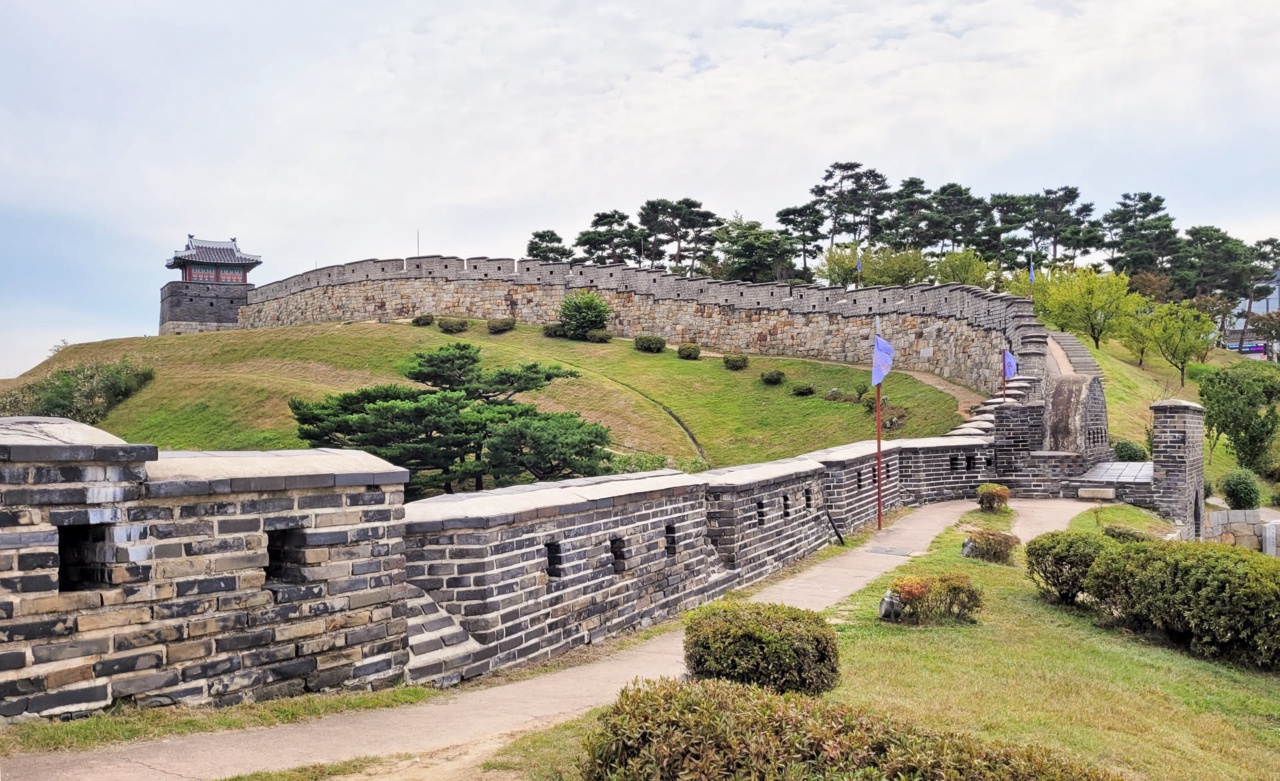
South of Seoul and reachable by subway or train, Suwon is home to Hwaseong Fortress, a UNESCO World Heritage Site[7] with impressive walls you can walk along. The fortress alone justifies the trip, and the surrounding traditional market area has excellent galbi restaurants. Easy to combine with a half day in Seoul.
Nami Island, northeast of Seoul, is a tree-lined island famous as a filming location for the K-drama Winter Sonata. It is beautiful during autumn foliage and spring cherry blossoms but can feel like a theme park during peak season. Nearby Petite France is a small French-themed village that is frankly skippable unless you are traveling with children.
Bukhansan National Park
Technically within Seoul's city limits but feels like a proper mountain escape. Multiple trails range from easy walks to challenging granite scrambles. The Baegundae Peak trail is the most popular. It can be reached by public transport. Bring proper shoes and water.
Incheon Chinatown and Wolmido
Reached by subway Line 1 from central Seoul, Incheon's Chinatown is known as the birthplace of jjajangmyeon. Nearby Wolmido is a small island with a boardwalk, seafood restaurants, and harbor views. A pleasant half-day trip, best combined with a visit to the Incheon Open Port area.
Sample 3-Day Itinerary
Day 1: Palaces, History, and Tradition
Morning: Start at Gyeongbokgung Palace when it opens. Explore the grounds and the National Folk Museum inside. Consider renting hanbok from one of the many shops nearby for free palace admission and great photos.
Afternoon: Walk north to Bukchon Hanok Village, winding through the narrow alleys. Continue to Changdeokgung Palace for the Secret Garden (book ahead, entry only at the time on your ticket). End with tea and traditional snacks in Ikseon-dong's hanok cafe alley.
Evening: Head to Gwangjang Market for a street food dinner. Try bindaetteok, mayak gimbap, and knife-cut noodles. Walk off dinner along the illuminated Cheonggyecheon Stream.
Day 2: Modern Seoul and Mountain Views
Morning: Take the subway to Bukhansan National Park for a morning hike. Choose a trail that matches your fitness level; even the shorter routes offer rewarding views. Aim to finish by lunchtime.
Afternoon: Head to Seongsu-dong for lunch at one of the trendy converted-warehouse restaurants, then browse the indie shops and galleries. Alternatively, visit the War Memorial of Korea (deeply moving, allow two hours).
Evening: Take the cable car or hike up Namsan for sunset views from N Seoul Tower. Descend and head to Itaewon or Hannam for dinner at one of the international restaurants, followed by cocktails at a rooftop bar.
Day 3: Markets, Culture, and Nightlife
Morning: Explore Insadong's galleries and craft shops. Visit Jogyesa Temple, the center of Korean Zen Buddhism, which is peaceful. Browse the antique shops along the backstreets.
Afternoon: Head to Myeongdong for shopping if skincare and fashion interest you, or cross the river to Gangnam and visit Bongeunsa Temple for a contrast of old and new. Stop by a jjimjilbang (Korean bathhouse) like Dragon Hill Spa in Yongsan for a uniquely Korean relaxation experience.
Evening: Dinner at a Korean BBQ restaurant in Mapo-gu, then head to Hongdae for live music, street performances, and bar hopping. The area peaks around 10 PM and stays lively until the early morning hours.
Budget Overview
Seoul is good value for a major capital, and the biggest cost variables are accommodation, nightlife and shopping. Several basics are inexpensive: a subway ride starts at 1,550 won,[5] an adult ticket to Gyeongbokgung costs 3,000 won,[6] and the N Seoul Tower observatory costs 29,000 won.[10] Street food and local restaurants keep daily food costs low, while upscale dining and rooftop bars cost much more.
Frequently Asked Questions
Is Seoul worth visiting?
Absolutely. Seoul combines world-class food, centuries of history, cutting-edge culture, and incredible natural scenery within city limits. It is one of the most rewarding cities in Asia for any type of traveler, and the infrastructure makes it easy to explore even on a first visit.
How many days do you need in Seoul?
Three to four days covers the major highlights, including palaces, markets, a mountain hike, and key neighborhoods. Five to seven days allows for deeper exploration, day trips to the DMZ or Suwon, and a more relaxed pace. Most visitors wish they had booked at least one extra day.
Is Seoul safe for tourists?
Seoul is one of the safest major cities in the world. Violent crime is very rare, public transport is secure at all hours, and solo travelers, including women, generally feel comfortable walking at night. The main risks are minor taxi overcharging and occasional bar scams in nightlife areas.
What is the best time to visit Seoul?
Spring (April to May) and autumn (September to November) offer the best weather and scenery, with cherry blossoms and fall foliage respectively. Summer is hot and humid with monsoon rains in July, while winter is cold but less crowded and good for budget travelers.
What food is Seoul famous for?
Seoul is renowned for Korean BBQ (samgyeopsal and galbi), bibimbap, kimchi jjigae, tteokbokki, cold noodles (naengmyeon), and Korean fried chicken. Gwangjang Market is the most famous street food destination, but incredible food is found in every neighborhood.
Is Seoul expensive?
Seoul is good value for a major capital. Public transport and palace admission are inexpensive, and street food and local restaurants keep food costs low. Nightlife, shopping and accommodation in popular areas are where costs add up.
Can you drink tap water in Seoul?
The Seoul city government says its tap water, called Arisu, is safe to drink, though many residents prefer filtered or bottled water. Bottled water is sold in every convenience store, and most restaurants serve filtered water for free.
Is English widely spoken in Seoul?
English is spoken in tourist areas, hotels, and by younger Koreans, but communication can be difficult in local neighborhoods and traditional markets. Download Naver Map for navigation (Google Maps is unreliable in Korea) and Papago for translation. Menus often have photos or English translations.
What is the best neighborhood to stay in Seoul?
Jongno and Gwanghwamun are ideal for sightseeing and palace access. Hongdae is best for budget travelers and nightlife. Myeongdong is central and convenient but touristy. Itaewon suits those wanting international food and a cosmopolitan vibe. Your choice depends on priorities, since the subway connects the main areas.
How do I get from Incheon Airport to central Seoul?
The AREX express train reaches Seoul Station in about 40 minutes and costs 9,500 won. The all-stop train costs 4,150 to 4,750 won and takes just under an hour. Airport buses serve major areas for 5,000 to 15,000 won and take 60 to 80 minutes, and international taxis charge flat fares of 70,000 to 95,000 won.
Sources and background
Numbers in the text such as [1] refer to these sources.