Busan announces itself with salt air and the rumble of container ships. South Korea's largest port city hugs the southeastern coast in a dramatic tangle of steep hills, white-sand beaches, and fish markets so vast they feel like small cities themselves. Where Seoul can feel polished to a corporate sheen, Busan is rougher, louder, and prouder of it. Locals speak in a distinctive dialect, eat their fish raw with a splash of soju, and will tell you, unprompted, that their city is better than the capital.
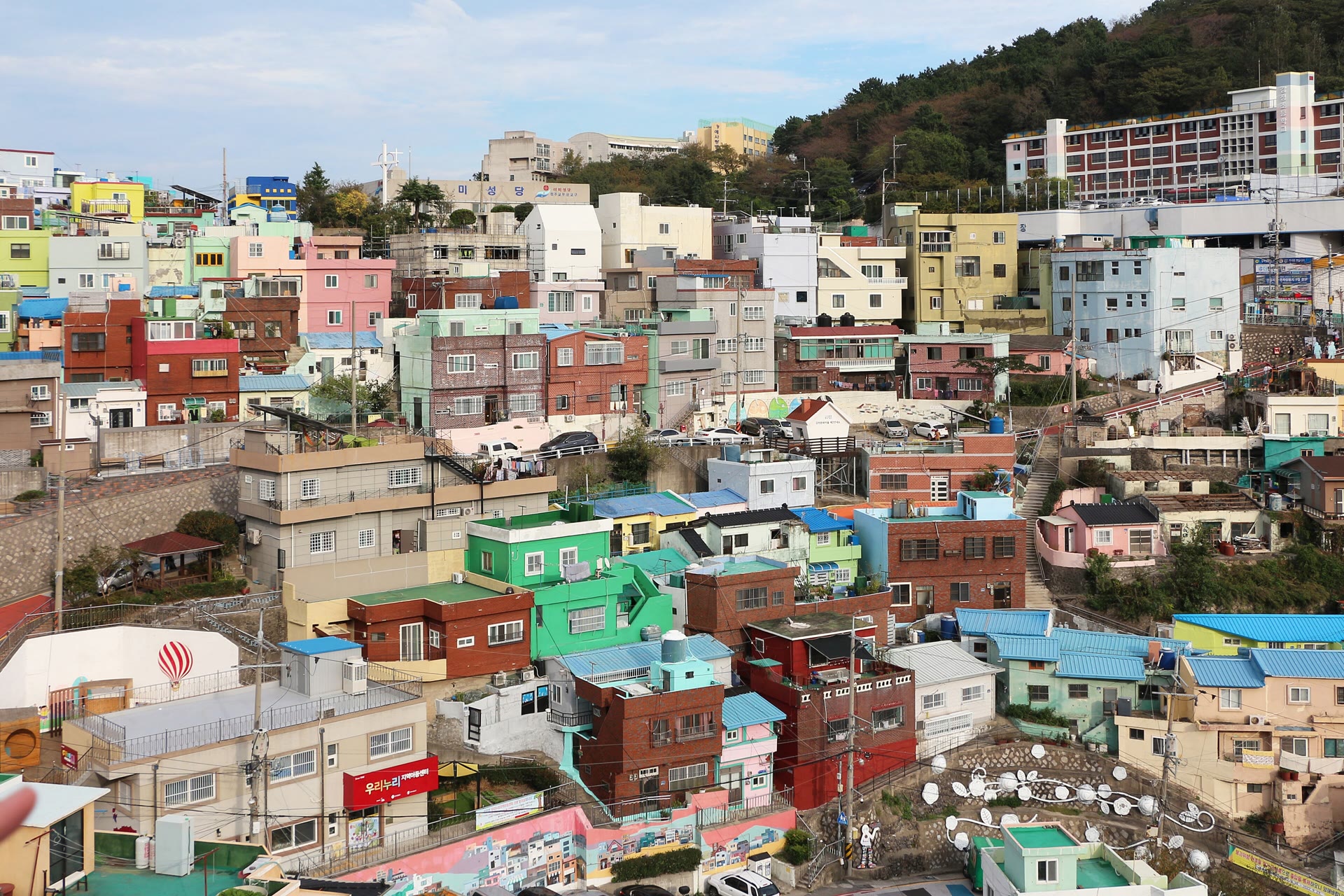
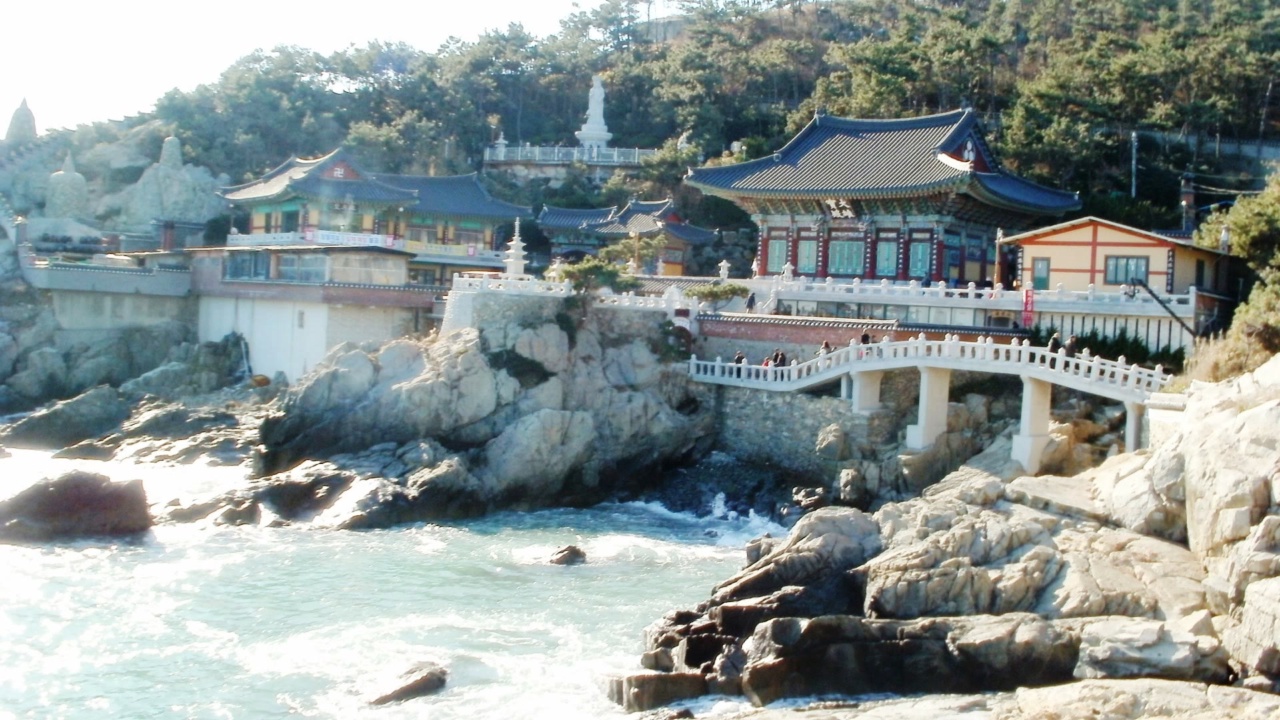
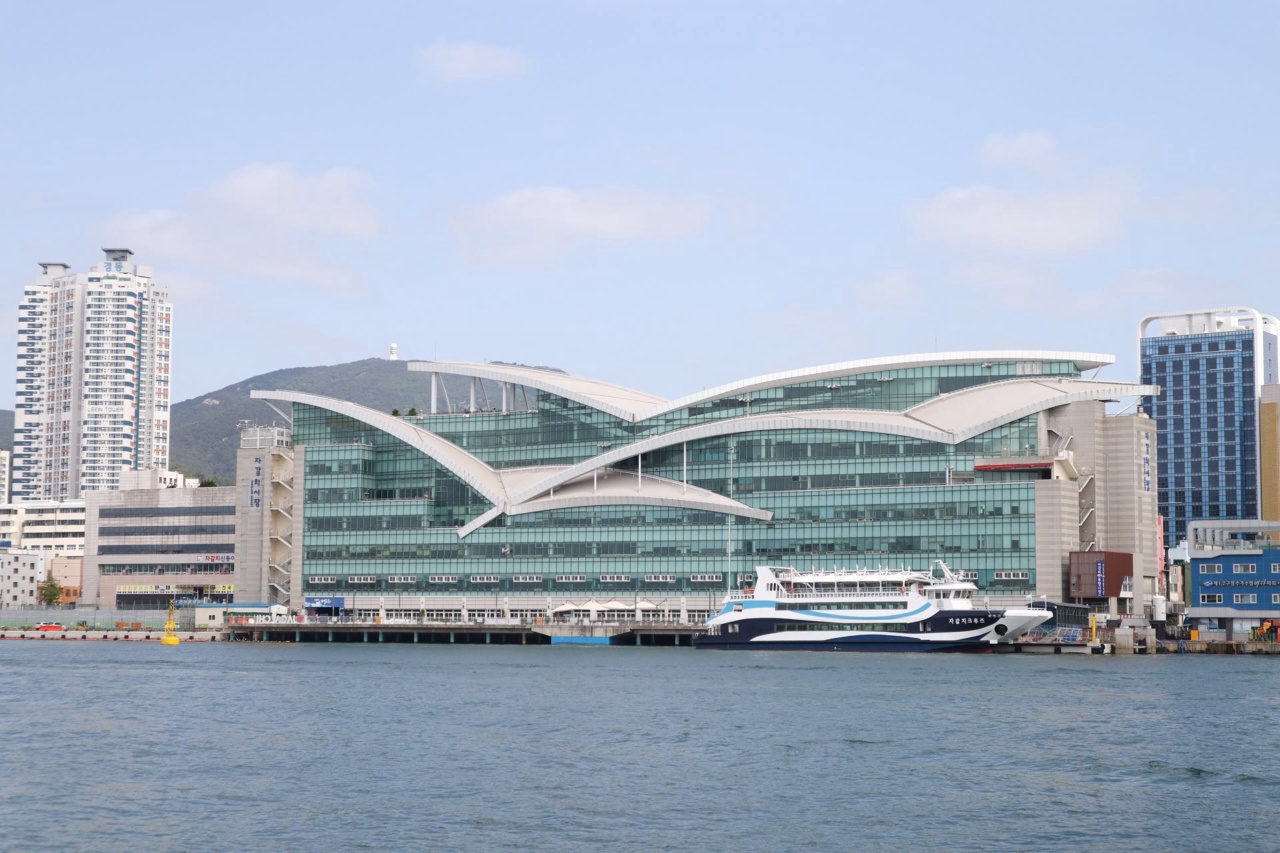
This is a place built for sensory overload. The pastel houses of Gamcheon Culture Village tumble down a hillside like a Korean Santorini. Haedong Yonggungsa Temple perches on a cliff above crashing waves. Jagalchi Market fills an entire waterfront building with tanks of still-swimming creatures you have never seen on a menu. And when you need to decompress, the city's hot springs and jjimjilbangs (Korean bathhouses) are among the best in the country.
Busan works for nearly every type of traveler. Couples love the coastal walks and rooftop bars, solo travelers find it easy to navigate and meet people, families appreciate the beaches and aquarium, and budget travelers can eat extraordinarily well for very little money. Three to five days is the sweet spot, though a week disappears quickly if you add day trips to Gyeongju or Tongyeong.
Orientation and Neighborhoods
Busan stretches far along the coast, so understanding its layout saves time and frustration. The city is not compact, but the metro system connects most key areas efficiently. Think of it as a string of distinct neighborhoods draped along the shoreline and pushed back into the hills.
Haeundae
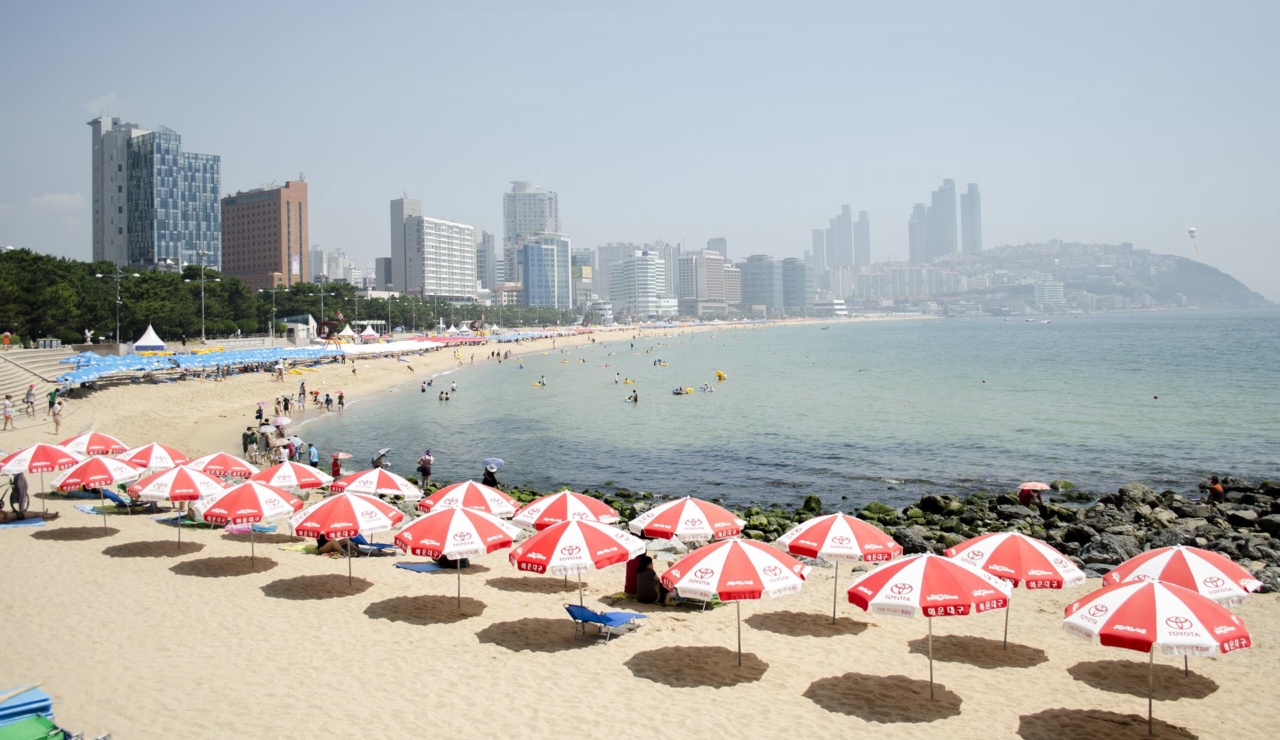
The most famous beach district sits in the northeast of the city. Haeundae Beach is a wide crescent of sand backed by high-rise hotels, seafood restaurants, and a buzzing nightlife strip. This is where most first-time visitors stay. The adjacent Dalmaji Hill area offers quieter cafes with ocean views, and the Haeundae Market nearby serves excellent street food. Best for: beach lovers, nightlife, families with kids.
A short metro ride southwest of Haeundae, Gwangalli Beach is slightly less touristy and beloved by younger locals. The main draw is the stunning view of Gwangan Bridge, especially when lit up at night. The beachfront is lined with bars, craft beer pubs, and live music venues. Best for: couples, nightlife without the tourist crowds, photography.
Seomyeon
The commercial heart of Busan sits inland at the intersection of two major metro lines. Seomyeon is packed with department stores, underground shopping arcades, Korean BBQ restaurants, and the city's densest concentration of bars and clubs. It lacks ocean views but makes up for it with convenience and energy. Best for: budget travelers, foodies, nightlife, central access.
Nampo-dong and Jagalchi
The original downtown area near the port is where old Busan lives. Jagalchi Fish Market, BIFF Square (the street food mecca), Gukje International Market, and Yongdusan Park are all within walking distance. Gamcheon Culture Village is a short bus ride up the hill. The area feels grittier and more authentic than Haeundae. Best for: culture seekers, market lovers, history buffs.
Dongnae and Oncheonjang
Inland and slightly north, this area is known for its hot springs. Several bathhouses and jjimjilbangs draw on natural thermal water. It is also close to Beomeosa Temple and the Geumjeongsan Mountain hiking trails. Best for: relaxation, hiking, experiencing local life away from tourist zones.
Things to Do
Offers are only loaded from GetYourGuide after you click. GetYourGuide can then process your IP address and set cookies. Privacy Policy
GetYourGuide partner offers. GoAsia may earn a commission if you book through these offers. Check whether tickets or transfers are included, and follow the attraction's official booking and admission rules.
Best Time to Visit
Busan's climate swings dramatically between seasons, and timing your visit makes a real difference in experience and budget.
Season
Months
Weather
Crowds
Prices
Spring
April - May
Mild, 15-22C, cherry blossoms in April
Moderate
Moderate
Summer
June - August
Hot and humid, 25-33C, monsoon rains in July
Very High
High
Autumn
September - November
Clear skies, 12-25C, best hiking weather
Moderate
Moderate
Winter
December - March
Cold but milder than Seoul, 0-10C, dry
Low
Low
Autumn is the consensus best season. The humidity breaks, skies turn crisp blue, and the hills around Beomeosa Temple blaze with fall colors. Spring brings cherry blossoms along the Nakdong River estuary and comfortable temperatures for walking.
Summer is peak domestic tourism season. Haeundae Beach becomes a wall of umbrellas, hotel prices spike, and the combination of heat and humidity can be punishing. If you come in summer, aim for June before the monsoon or late August when schools resume. The Busan International Film Festival in October draws cinephiles from across Asia and creates a festive atmosphere in Haeundae, though accommodation books up fast. The Jagalchi Festival, also in autumn, celebrates the city's fishing heritage with tastings and events at the market.
Getting There and Getting Around
Gimhae International Airport handles both domestic and international flights and lies about an hour from downtown.[1] The Busan-Gimhae Light Rail connects to the metro at Sasang Station (Line 2) and Daejeo Station (Line 3) and is the cheapest way into the city,[2] with a fare of 1,300 or 1,500 won.[3] The airport limousine bus to Haeundae takes about an hour.[1]
The KTX high-speed train from Seoul takes about 3 hours and arrives at Busan Station in the Nampo-dong area.[4] A standard-class ticket cost 43 USD on Korail's official site in August 2025.[5] This is often the best option from the capital, as it drops you right in the city center.
Busan's metro system has four lines, joined by the Busan-Gimhae Light Rail and the Donghae Line, and covers most tourist areas.[6] A single ride costs 1,600 won with a transit card.[7] The T-money card, sold at convenience stores for 3,000 to 5,000 won, works on the metro, buses and taxis.[8] Buses fill gaps the metro misses, particularly to hillside neighborhoods like Gamcheon Village and coastal temples. Kakao T is the app locals use to hail taxis. Taxis start at 4,800 won,[6] so most rides within the city are affordable by Western standards. For more detailed transport options and routes, GoAsia.cc has comprehensive guides.
Walkability varies wildly by neighborhood. Haeundae's beachfront and Nampo-dong's market district are very walkable, but getting between major areas requires transit. The coastal walk between Haeundae and Songjeong Beach via Haedong Yonggungsa is a rewarding coastal walk.
Top Sights and Experiences
Must-See Attractions
Jagalchi Fish Market: The largest seafood market in South Korea sprawls across a multi-story building and surrounding outdoor stalls near the port. The ground floor is a wet market where vendors will slice your chosen fish on the spot; carry it upstairs to a restaurant floor where they prepare it as hoe (sashimi) for a small fee. Go early morning for the full atmosphere. Budget around 90 minutes and bring cash. A generous raw fish platter for two runs roughly $25 to $40.
Gamcheon Culture Village: Once a war-refugee settlement, this hillside neighborhood has been transformed into an open-air gallery of murals, sculptures, and tiny cafes painted in every color imaginable. It is genuinely photogenic but also genuinely steep, so wear comfortable shoes. Pick up a stamp-collecting map at the entrance for a self-guided route. Allow two hours. Arrive by 9 AM to beat tour groups. Free to wander.
Haedong Yonggungsa Temple: Unlike most Korean temples hidden in mountains, this one clings to seaside cliffs in the northeast of the city. The approach down stone stairs with ocean views is spectacular. Visit at sunrise for the best light and fewest crowds. It is free to enter and open daily from 04:30 to 19:20, with last entry at 18:50.[9] Allow about an hour. From Exit 7 of Haeundae Station on Line 2, take bus 181, 100 or Haeundae 9.[9]
Beomeosa Temple: Founded in 678 AD at the edge of Geumjeongsan Mountain, Beomeosa is one of Korea's most important Zen temples.[10] The forested setting feels worlds away from the city below. The temple itself takes 30 to 45 minutes to explore, but the real reward is continuing up the mountain trails. The hike to the North Gate of Geumjeongsanseong Fortress is longer and offers panoramic views of the entire city. Take metro Line 1 to Beomeosa Station, then bus 90.
Gwangan Bridge by Night: The bridge, which stretches over 7.4 kilometers from Namcheon-dong to Centum City,[11] is Busan's most iconic nighttime view. The best vantage point is Gwangalli Beach itself. Grab fried chicken and beer from one of the beachfront shops and sit on the sand as the bridge cycles through colored light displays. Free, and one of the best evenings you can have in the city.
Taejongdae Resort Park: A natural park on the southern tip of Yeongdo Island with dramatic cliff views, a lighthouse, and a rocky shoreline. The Danubi Train (a small tourist trolley) loops the park for those who prefer not to walk. On clear days you can see Japan's Tsushima Island. Allow two to three hours.
Hidden Gems
Huinnyeoul Culture Village: Far quieter than Gamcheon, this cliffside village on Yeongdo Island has whitewashed buildings overlooking the sea, independent bookshops, and small cafes with ocean-facing terraces. Combine with Taejongdae for a half-day on the island.
Songdo Beach Skywalk and Cable Car: Songdo was Busan's first public beach and has been revitalized with a glass-bottomed skywalk extending over the water and a cable car crossing the bay. The cable car offers excellent aerial views.
Choryang Ibagu-gil: A storytelling trail in the hills above Busan Station that traces the history of Korean War refugees through murals, a long staircase, and a monorail. Far fewer tourists than Gamcheon and arguably more moving.
Overrated Attractions
Haeundae Beach in peak summer: The beach itself is beautiful, but during July and August it becomes so packed that finding space to sit is a genuine challenge. The water quality also drops. Visit in shoulder season or go to nearby Songjeong Beach instead, which is favored by surfers and far less crowded.
Busan Tower (Yongdusan Park): The views are decent but not dramatically different from what you get free at various hillside viewpoints around the city. The tower charges admission and the observation deck is small. Skip it unless you are already in Nampo-dong with time to spare.
SEA LIFE Busan Aquarium: Pricey and underwhelming compared to aquariums in Osaka or Singapore. Families with young children may still enjoy it, but it is not a must-do.
Food and Drink
Busan's food identity is inseparable from the ocean. This city eats more raw fish per capita than almost anywhere in Korea, and the quality and freshness are extraordinary. But the food scene extends well beyond seafood.
Signature Dishes
Dish
Description
Where to Try
Typical Price
Hoe (raw fish)
Ultra-fresh sashimi, often flatfish or sea bream, served with spicy chojang sauce
Jagalchi Market, Haeundae raw fish alleys
$20-40 for a platter
Dwaeji Gukbap
Rich pork bone and rice soup, Busan's ultimate comfort food
Seomyeon's dwaeji gukbap alley
$5-7
Milmyeon
Chewy cold wheat noodles in icy broth, a Busan original
Restaurants near Busan Station
$5-6
Ssiat Hotteok
Sweet pancakes stuffed with seeds, nuts, and brown sugar
BIFF Square, Nampo-dong
$1-2
Eomuk (fish cake)
Busan-style fish cake on skewers in warm broth
Gukje Market, dedicated fish cake shops in Nampo-dong
$1-3
Nakji Bokkeum
Spicy stir-fried octopus, fiery and addictive
Restaurants in Seomyeon and Nampo-dong
$10-15
Dongnae Pajeon
Thick green onion pancake, a Busan specialty larger and chewier than the Seoul version
Dongnae area traditional restaurants
$8-12
Where and How to Eat
Street food is a major part of the Busan experience. BIFF Square in Nampo-dong is the most famous street food zone, with vendors selling hotteok, tteokbokki, fish cakes, and fried dumplings. Gukje Market nearby has more substantial options including knife-cut noodles and bibimbap. In Haeundae, the traditional market behind the beach has excellent street food stalls that are less touristy than BIFF Square.
For sit-down meals, Seomyeon's back alleys are a goldmine. The dwaeji gukbap alley alone has over a dozen restaurants specializing in the dish, most open 24 hours. Korean BBQ restaurants cluster around Seomyeon's main intersection and offer high-quality grilled pork belly (samgyeopsal) for around $10 to $15 per person.
Budget meals of street food or market food run $3 to $7. A proper sit-down Korean meal at a mid-range restaurant costs $8 to $15. Upscale seafood restaurants in Haeundae's Marine City area charge $30 to $60 per person for elaborate multi-course raw fish dinners. Soju (the ubiquitous Korean spirit) costs about $2 to $4 a bottle in restaurants and under $2 at convenience stores. Craft beer has exploded in Gwangalli, where beachfront pubs charge around $5 to $8 per pint.
Where to Stay
Budget (Under $40 per night)
Seomyeon has the densest concentration of hostels and budget guesthouses, with dorm beds running $15 to $25 and private rooms from $30. The central metro location means you save on transport. Nampo-dong also has affordable options near the markets. Capsule hotels have appeared in both areas, typically $20 to $30 per night.
Mid-Range ($40 to $120 per night)
Business hotels and boutique guesthouses in Haeundae and Gwangalli offer clean, modern rooms in this range. Many Haeundae hotels include partial ocean views at the higher end. Airbnb-style rentals are plentiful and often a better deal than hotels, especially for groups. Seomyeon's business hotels offer excellent value with rooms around $50 to $70.
Upscale ($120 and above)
Haeundae's beachfront has several international chain hotels with full ocean views, pools, and spa facilities. Marine City, the cluster of luxury towers just east of Haeundae Beach, has high-end serviced apartments and five-star hotels. Expect to pay $150 to $300 per night for top-tier properties. The Hilton and Park Hyatt are among the most recognized names in this bracket.
A uniquely Busan experience is staying at a jjimjilbang (Korean bathhouse) overnight. For around $10 to $15, you get access to hot spring pools, saunas, sleeping mats in communal rooms, and often a restaurant. Hurshimchung near Oncheonjang Station is one of the largest in Asia.
Practical Tips
Busan is one of the safest major cities in Asia. Violent crime is rare, and solo travelers, including women, generally feel comfortable walking at night. The most common issues are:
Overcharging at some Jagalchi Market stalls, particularly on the outdoor section. Confirm prices before ordering and consider eating on the indoor upper floors where prices are posted.
Rip currents at beaches during summer. Heed lifeguard warnings and flag systems.
Taxi drivers occasionally taking longer routes from the airport. Using Kakao T shows the route on your phone and keeps things transparent.
Payment: South Korea is heavily card-based, and most places accept credit cards including Visa and Mastercard. However, traditional markets and small street food stalls are often cash-only. Carry around $20 to $30 in Korean won for market visits. ATMs in convenience stores (CU, GS25, 7-Eleven) accept international cards. Tipping is not customary and can even cause confusion.
Internet and SIM cards: Free Wi-Fi is available on the metro, in most cafes, and at tourist sites. For mobile data, pick up a prepaid SIM or portable Wi-Fi device at Gimhae Airport arrivals. Prepaid SIMs with unlimited data run around $25 to $35 for 10 days. KT and SK Telecom have the best coverage.
Language: English proficiency is lower than in Seoul. Tourist areas like Haeundae and major attractions usually have English signage and some English-speaking staff. In local neighborhoods, expect to rely on translation apps. Naver Papago is the best Korean-English translator, better than Google Translate for Korean. Learning basic phrases like annyeonghaseyo (hello), gamsahamnida (thank you), and igeo juseyo (give me this) goes a long way.
Cultural notes:
Remove shoes when entering temples, traditional restaurants with floor seating, and guesthouses.
Use two hands when giving or receiving items from someone older, especially money or business cards.
In jjimjilbangs and public baths, you must be fully undressed in the bathing area. Bathing suits are not worn. Genders are separated.
Avoid sticking chopsticks vertically into rice, as this resembles funeral rites.
Drinking culture is important socially. If someone pours you a drink, hold your glass with two hands. Pour for others before yourself.
Day Trips
Gyeongju (1 hour by train or bus)
The ancient capital of the Silla Kingdom is Korea's most important historical city, sometimes called a museum without walls. Tumuli Park's grassy burial mounds, Bulguksa Temple (a UNESCO World Heritage Site[12]), and the Seokguram Grotto are the highlights. A full day is needed to do it justice. Intercity buses to Gyeongju leave from Busan's Dongbu Intercity Bus Terminal at Nopo Station (Line 1).[6] This is the single best day trip from Busan and absolutely worth the effort.
Tongyeong (2 hours by bus)
A gorgeous harbor town on the southern coast known for its fresh seafood (even better than Busan's, locals whisper), cable car over Mireuksan Mountain, and the Dongpirang Mural Village. The cable car ride offers some of the most spectacular coastal views in all of Korea. Intercity buses run from Busan's Seobu Intercity Bus Terminal at Sasang Station (Line 2).[6] Tongyeong deserves an overnight stay but works as a long day trip.
Geoje Island (1.5 hours by bus)
South Korea's second-largest island is connected to the mainland by bridge. Oedo Botania, a maritime botanical garden on a tiny offshore island reached by ferry, is the main attraction. Hakdong Mongdol Beach, covered in smooth black pebbles, is striking. Intercity buses depart from the Seobu Intercity Bus Terminal.[6]
Yangsan and Tongdo-sa Temple (45 minutes by train)
Tongdo-sa is one of Korea's three jewel temples and houses relics of the Buddha. It is less visited by international tourists than Bulguksa but equally impressive, set in a forested valley. Take the train to Yangsan Station and then a local bus. Half a day is sufficient.
Jinhae (1 hour by bus)
Only worth visiting during cherry blossom season (late March to early April), when Jinhae hosts Korea's largest cherry blossom festival. The Yeojwacheon stream tunnel of blossoms is iconic. Outside the festival, the small naval town has limited appeal.
Sample 3-Day Itinerary
Day 1: Markets, History, and Harbor Views
Morning: Start at Jagalchi Fish Market when it opens around 7 AM. Walk through the outdoor and indoor sections, then head upstairs for a raw fish breakfast (yes, breakfast sashimi is a Busan thing). Walk north to Gukje International Market and browse the alleys of dried goods, vintage shops, and street food stalls.
Afternoon: Grab ssiat hotteok at BIFF Square, then take bus 1-1, 2, or 2-2 from Toseong Station to Gamcheon Culture Village. Spend two hours wandering the murals and viewpoints. Return to Nampo-dong and ride the escalator up to Yongdusan Park for a sunset view over the harbor.
Evening: Dinner in the Nampo-dong area. Try dwaeji gukbap or Korean BBQ. If you have energy, walk along the Nampo-dong shopping streets or catch a movie at one of the nearby cinemas.
Day 2: Temples, Cliffs, and Beach Nightlife
Morning: Take the metro to Beomeosa Station and bus 90 to Beomeosa Temple. Explore the temple grounds and hike at least part of the Geumjeongsan trail. The route to the North Gate fortress wall is longer and rewards with sweeping city views.
Afternoon: Head to Haedong Yonggungsa Temple on the coast (metro to Haeundae, then bus 181). The cliff-side temple takes about an hour. Afterward, walk or take a short taxi ride to Haeundae Beach. Relax on the sand or stroll the beachfront promenade.
Evening: Dinner at a seafood restaurant in Haeundae, then walk to Gwangalli Beach (or take the metro one stop). Grab fried chicken and beer on the sand and watch Gwangan Bridge light up. The bars along Gwangalli's beachfront stay open late.
Day 3: Coastal Walks, Islands, and Hot Springs
Morning: Take the metro to Taejongdae. Walk or ride the Danubi Train through the park, stopping at the lighthouse and cliff viewpoints. On the way back, detour to Huinnyeoul Culture Village on Yeongdo Island for coffee with a sea view.
Afternoon: Head to Songdo Beach for the skywalk and cable car. The aerial views of the coastline are a fitting finale to your coastal exploration. Alternatively, explore Choryang Ibagu-gil storytelling trail near Busan Station for a deeper dive into the city's refugee history.
Evening: End your trip at a jjimjilbang in the Oncheonjang hot spring area. Soak in the thermal pools, sweat in the saunas, and eat a final meal of eggs and sikhye (sweet rice drink) in the communal rest area. It is the most Korean way to close out a Busan trip.
Budget Overview
Category
Budget
Mid-Range
Comfort
Accommodation
$15-25 (hostel dorm)
$50-80 (hotel/Airbnb)
$150-250 (beachfront hotel)
Food
$15-20 (street food and markets)
$25-40 (restaurants)
$50-80 (upscale seafood)
Transport
$5-8 (metro and bus)
$10-20 (metro, bus, occasional taxi)
$25-40 (taxis and ride-hailing)
Activities
$0-5 (free temples, beaches, markets)
$10-20 (cable cars, paid sights)
$20-40 (tours, premium experiences)
Daily Total
$35-58
$95-160
$245-410
Busan is remarkably good value for a developed-world city. The combination of cheap public transport, abundant free attractions, and affordable world-class food means even budget travelers eat and experience the city well. The biggest variable is accommodation; visiting outside peak summer keeps hotel prices reasonable.
Frequently Asked Questions
Is Busan worth visiting?
Absolutely. Busan offers a combination of beaches, mountains, world-class seafood, ancient temples, and vibrant nightlife that few Asian cities can match. It has a grittier, more authentic feel than Seoul and is significantly less crowded with international tourists. Most visitors wish they had allocated more days.
How many days do you need in Busan?
Three full days lets you cover the major highlights including Jagalchi Market, Gamcheon Culture Village, Haedong Yonggungsa Temple, and at least two beaches. Four to five days is ideal if you want to explore neighborhoods at a relaxed pace and add a day trip to Gyeongju or Tongyeong.
Is Busan safe for tourists?
Busan is very safe by global standards. Violent crime against tourists is extremely rare, and you can walk most neighborhoods late at night without concern. The main risks are petty theft in crowded market areas and rip currents at the beaches during summer. Exercise normal caution and you will be fine.
What food is Busan famous for?
Busan is renowned for hoe (raw fish), dwaeji gukbap (pork and rice soup), milmyeon (cold wheat noodles), ssiat hotteok (seed-filled sweet pancakes), and every type of seafood imaginable. Jagalchi Market is the epicenter of the city's fish culture. Street food in areas like BIFF Square and Gukje Market is exceptional and cheap.
What is the best time to visit Busan?
September through November offers the best combination of pleasant weather, fewer crowds, and lower prices. Spring (April to May) is also excellent with cherry blossoms along Nakdong River. Summer is peak beach season but extremely hot, humid, and crowded, while winter is cold but uncrowded with dramatic coastal scenery.
Is Busan expensive?
Busan is noticeably cheaper than Seoul. Budget travelers can manage on around $50 to $70 per day including a hostel, street food, and public transport. Mid-range travelers spending $100 to $150 daily will eat very well and stay comfortably. Seafood meals that would cost a fortune in other countries are remarkably affordable here.
Can you drink tap water in Busan?
Busan's tap water is technically safe to drink and meets international standards. However, most locals and visitors prefer filtered or bottled water due to taste preferences and old building plumbing. Bottled water is cheap and available everywhere, typically under $1.
How do I get from Gimhae Airport to Busan city center?
The airport is about an hour from downtown. The Busan-Gimhae Light Rail connects to the metro at Sasang Station (Line 2) or Daejeo Station (Line 3) and costs 1,300 to 1,500 won. The airport limousine bus to Haeundae takes about an hour, and a taxi or Kakao T ride is a comfortable choice with luggage.
Is English widely spoken in Busan?
Less so than in Seoul. Hotel staff, tourist information centers, and younger Koreans in popular areas generally speak some English. In local restaurants, markets, and taxis, expect limited English. Having a translation app like Papago or Google Translate is highly recommended and will make your trip much smoother.
What is the best neighborhood to stay in Busan?
Haeundae is best for beach access, nightlife, and first-time visitors. Seomyeon is the most central location with excellent metro connections, shopping, and dining. Nampo-dong suits travelers who want to be near Jagalchi Market, BIFF Square, and Gamcheon Village. Budget travelers often find the best hostel deals in Seomyeon.
Sources and background
Numbers in the text such as [1] refer to these sources.