
Contents
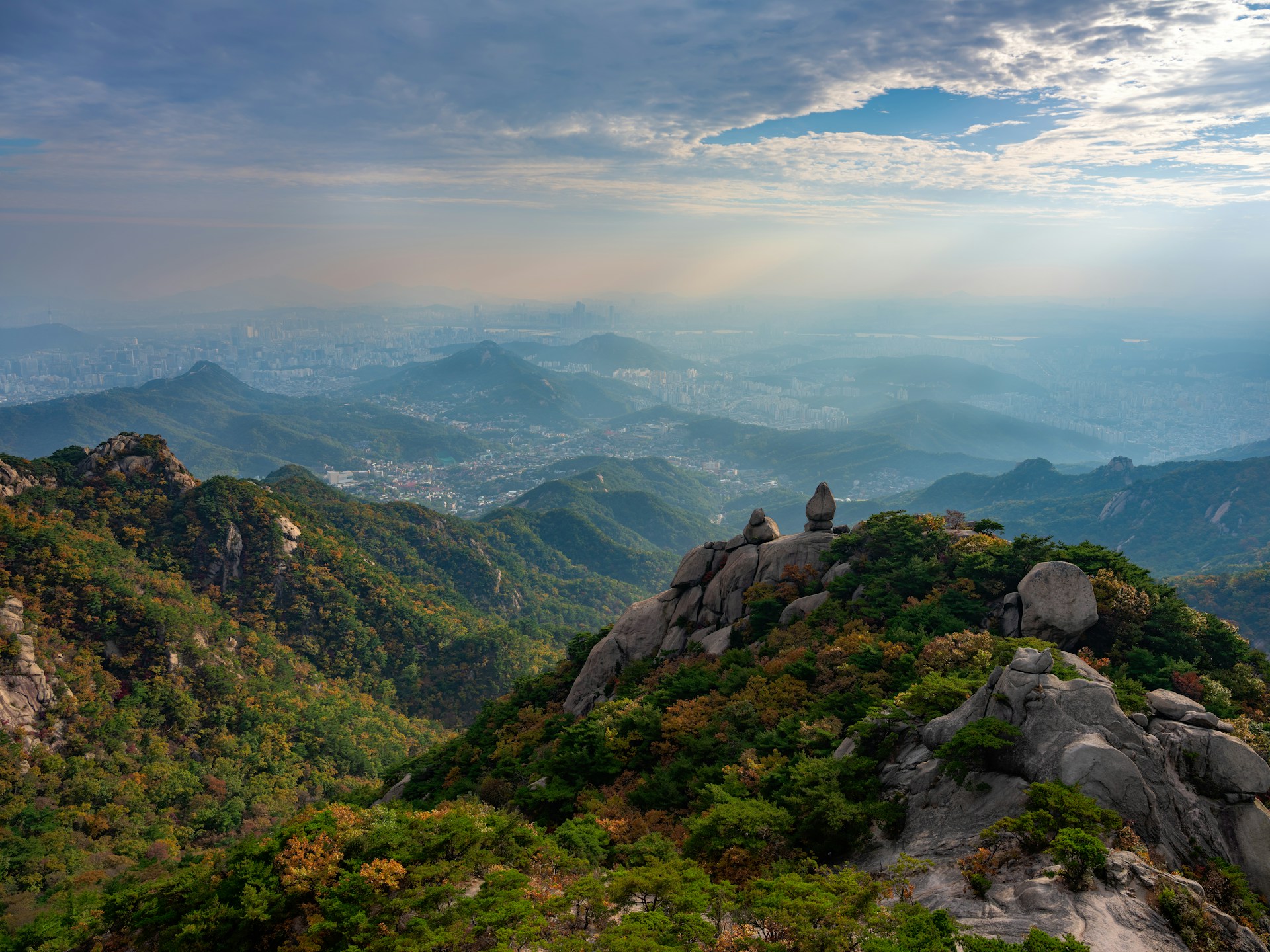
Standing on the shores of Busan on a clear day, you can sometimes catch a glimpse of the jagged silhouette of Tsushima on the horizon. This Japanese island, caught between the southern tip of the Korean Peninsula and the Japanese mainland, serves as a fascinating cultural bridge where history and nature collide. While many travelers focus on the neon lights of Seoul or Tokyo, the short hop across the Korea Strait offers a unique opportunity to experience the quiet, rugged charm of Japan just a short distance from South Korea's bustling port city.
The journey across the water is a favorite for those looking to add an international stamp to their passport without the long-haul flight. It is a transition from the towering skyscrapers and spicy street food of Busan to the secluded bays, ancient shrines, and verdant forests of Tsushima. Whether you are heading over for a weekend of hiking or simply want to experience the novelty of a high-speed international sea crossing, the ferry remains the primary artery connecting these two distinct worlds.
Busan to Tsushima by Ferry
The ferry from Busan to Tsushima is the main way to make this crossing. PanStar's Tsushima Link is a high-speed vessel with a top speed of 40 knots and room for 425 passengers.[1] You can conveniently book your tickets for this international crossing on GoAsia.cc to ensure your spot is secured before arriving at the terminal.
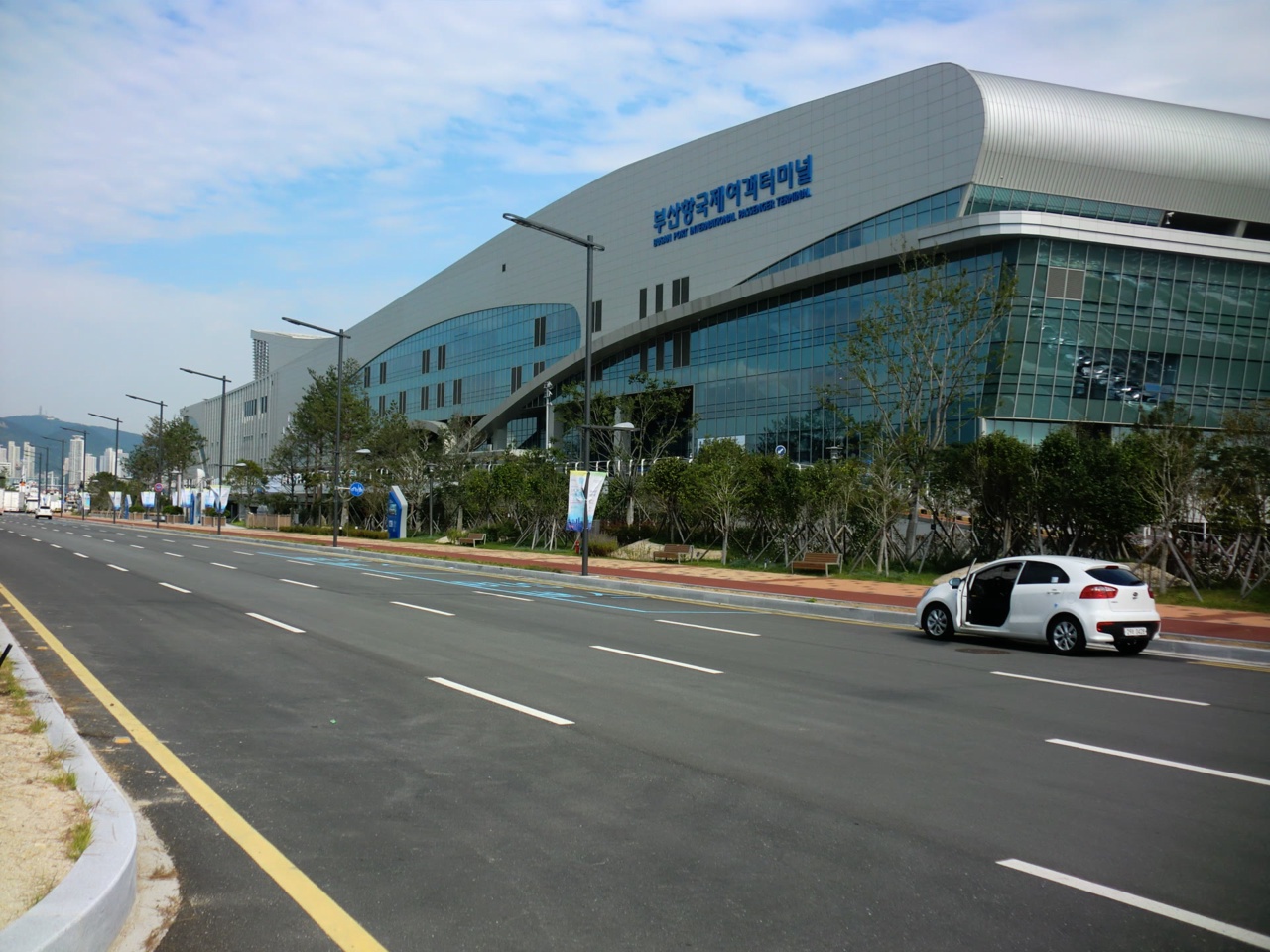
PanStar lists 1 hour 10 minutes from Busan to Hitakatsu (departing 08:40, arriving 09:50) and 1 hour 20 minutes on the way back (departing 16:40), and about 2 hours 40 minutes from Busan to Izuhara via Hitakatsu on Mondays and Wednesdays.[1] Sailing times may vary with the weather.[1] Despite the short duration, this is an international trip, so you will need to clear Korean customs and immigration before boarding and Japanese procedures upon arrival. The vessel has a stabilizer system that is meant to reduce rocking and seasickness, though passengers prone to sea sickness may still want to prepare in advance.[1]
Economy Seat
The Economy Seat is the standard choice for most travelers on a crossing of this length.
Premium Seat
For more comfort, PanStar offers premium seats that are wider and recline more than economy seats.[1] Compare the fares for both classes when you book.
Comparing Your Options
| Mode | Crossing time | Seat classes |
|---|---|---|
| High-speed ferry, Busan to Hitakatsu | 1h 10min[1] | Economy and premium[1] |
Tips for Traveling from Busan to Tsushima
- Arrive Early: Treat this like a flight. Arrive at the terminal well before departure and follow the check-in time on your ticket, because you must clear immigration before boarding.
- Check the Port of Arrival: Tsushima has two main ports, Hitakatsu in the north and Izuhara in the south, and PanStar's sailings serve both. Make sure you know which one your ferry is docking at, as they are far apart on the island.[1]
- Currency and Connectivity: While Tsushima is close to Korea, it is Japan. You will need Japanese Yen for local purchases. While some places near the ports might accept Korean Won, it is not guaranteed, and exchange rates will be poor.
- Passport and Visas: Ensure your passport is valid and check if you need a visa for Japan based on your nationality.
- Pack for the Weather: The weather in the middle of the Korea Strait can differ from the mainland, so bring a light jacket.
- Local Transport: Once you arrive in Tsushima, public transport is limited. Consider renting a car or a bicycle in advance if you plan to explore beyond the immediate port area.
Timetable
| Ferry Busan - Tsushima $ 87.15–94.15 1h 20m | |
|
Frequently Asked Questions
Use the booking tool on this page to compare the transport options currently available from Busan to Tsushima, including current prices and schedules.
Fares depend on the seat class and the date. PanStar offers economy and premium seats, so compare both when you book and check the operator's current prices.
The high-speed ferry is the main way to cross. PanStar lists 1 hour 10 minutes from Busan to Hitakatsu.
PanStar lists 1 hour 10 minutes from Busan to Hitakatsu and 1 hour 20 minutes on the way back, though you should factor in additional time for check-in and immigration. Sailings via Izuhara take about 2 hours 40 minutes.
Yes, this is an international journey between South Korea and Japan. You must present a valid passport and clear immigration at both the departure and arrival ports.
Most high-speed ferries have limited food service, and the trip is short, so full meal services are generally not provided. PanStar's vessel has an onboard duty-free shop.
Standard luggage is allowed, usually consisting of one or two suitcases per person. If you are bringing oversized items like bicycles or fishing gear, you should check with the operator in advance as extra fees or space limitations may apply.
Sources and background
Numbers in the text such as [1] refer to these sources.
- [1] PanStar: Tsushima Link. Retrieved October 15, 2026.
Guide prices and journey times are indicative, not live quotes. A booked package may include transfers and waiting time as well as the main journey. Check the selected offer, pickup point and current conditions before booking.