Plan your South Korea ferry trip with our guide to routes, cabin classes, booking tips, and island-hopping advice across Korea's stunning coastal network.
South Korea is a peninsula nation with thousands of islands scattered along its western and southern coastlines, and ferries are the lifelines that stitch these island communities to the mainland. From the bustling international terminals of Incheon and Busan to tiny local docks where a weathered boat arrives once a day, ferry travel here reveals a side of the country that bullet trains and budget airlines simply cannot reach. The experience ranges from quick 10-minute hops to overnight voyages across open sea, each offering a chance to watch Korea's dramatic coastline unfold from the water.
The Ferry Network in South Korea
South Korea's domestic ferry network is extensive and well-organized, connecting the mainland to hundreds of inhabited islands. The major departure hubs include Incheon (serving islands in the West Sea), Mokpo (gateway to the southwestern archipelago and Jeju), Wando (connecting to islands in the South Sea), Yeosu, Tongyeong, and Pohang on the east coast. Busan serves as the main port for international ferries to Japan.[1]
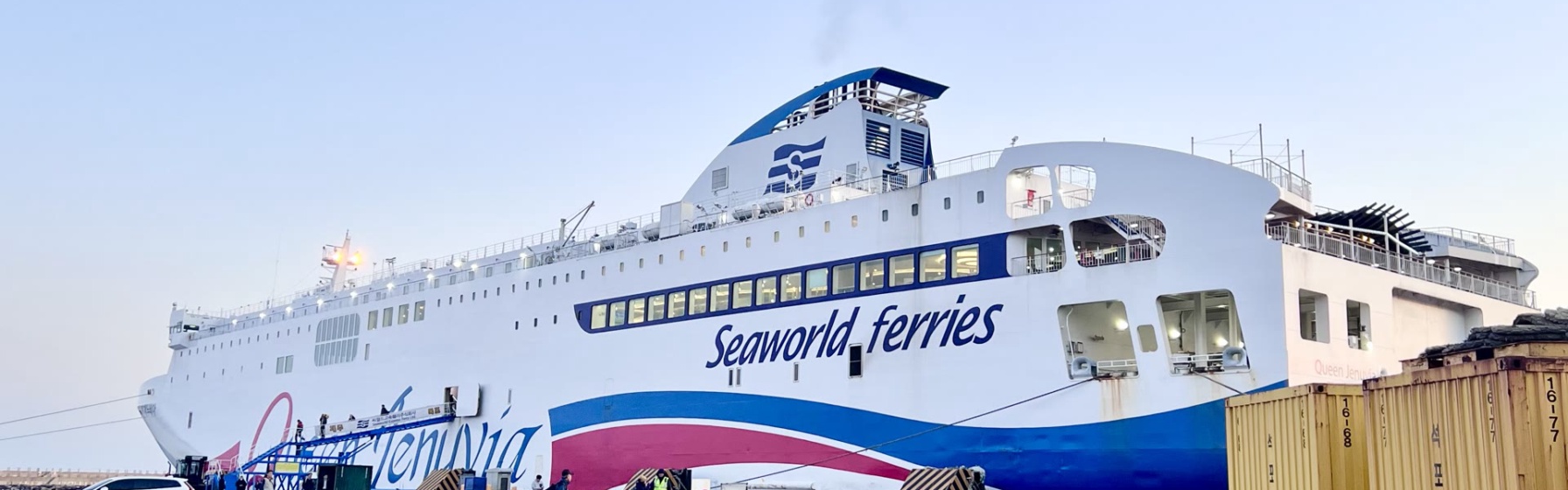
The most popular domestic route is the mainland-to-Jeju crossing, with ferries from Incheon, Mokpo, Wando, Goheung, and Jindo.[2] While most travelers fly to Jeju, the overnight ferry remains a beloved option for those who want to bring a vehicle or simply enjoy the voyage. Beyond Jeju, the Shinan County islands off Mokpo, the Dadohaehaesang National Park islands, and the remote Ulleungdo off the east coast are all ferry-dependent destinations that reward adventurous travelers.
Many regional companies run the domestic routes. International ferries leave from Busan to Osaka with PanStar, to Shimonoseki with Pukwan Ferry and to Fukuoka with Korea Ferry, and from Donghae to Sakaiminato and Vladivostok with Duwon Shipping.[1] The domestic network is regulated by the Ministry of Oceans and Fisheries.
Classes and Comfort Levels
Korean ferries typically offer several classes of accommodation, and the options vary depending on the length of the route and the size of the vessel.
Class
Description
Best For
Ilban (General/Economy)
Open floor seating on heated ondol-style mats. Passengers share a large room, sleeping on the floor with provided blankets and pillows.
Budget travelers, short overnight trips
Jwaseok (Seated)
Reclining airplane-style seats, sometimes with personal screens on newer vessels.
Daytime crossings, solo travelers
2-in or 4-in Cabin
Private rooms with bunk beds, sometimes with a small TV and private bathroom.
Couples, families, anyone wanting privacy
VIP / Special Cabin
Larger rooms with better furnishings, ocean views, and en-suite facilities.
Premium comfort seekers
For short island-hopping routes (under two hours), most ferries are simple passenger vessels with bench seating and an outdoor deck. The ondol-style general class on overnight ferries is a uniquely Korean experience - travelers spread out on the heated floor, and it can be surprisingly comfortable if you don't mind close quarters with strangers. For the Jeju overnight route, a private cabin offers the best balance of value and comfort, letting you sleep properly and arrive refreshed.
Booking and Tickets
Booking Korean ferry tickets has become much easier with the growth of online platforms. A main domestic booking portal is island.haewoon.co.kr, which lists schedules and allows reservations for domestic island routes. However, the site can be tricky for non-Korean speakers, so many international travelers find it simpler to compare ferry options and book through platforms like GoAsia.cc, which present routes and fares in English.
For popular routes - especially Jeju-bound ferries and summer sailings to Ulleungdo - advance booking is strongly recommended, particularly if you need a private cabin or want to bring a vehicle. Vehicle reservations often sell out days or even weeks ahead during peak periods. For smaller island routes, walk-up tickets at the port terminal are usually fine, though weekends and holidays can see unexpected surges in demand.
At the terminal, you will need to present valid ID when purchasing tickets or boarding, and foreign visitors can use a valid passport.[3] Payment by credit card is widely accepted at terminals and online.
What to Expect on Board
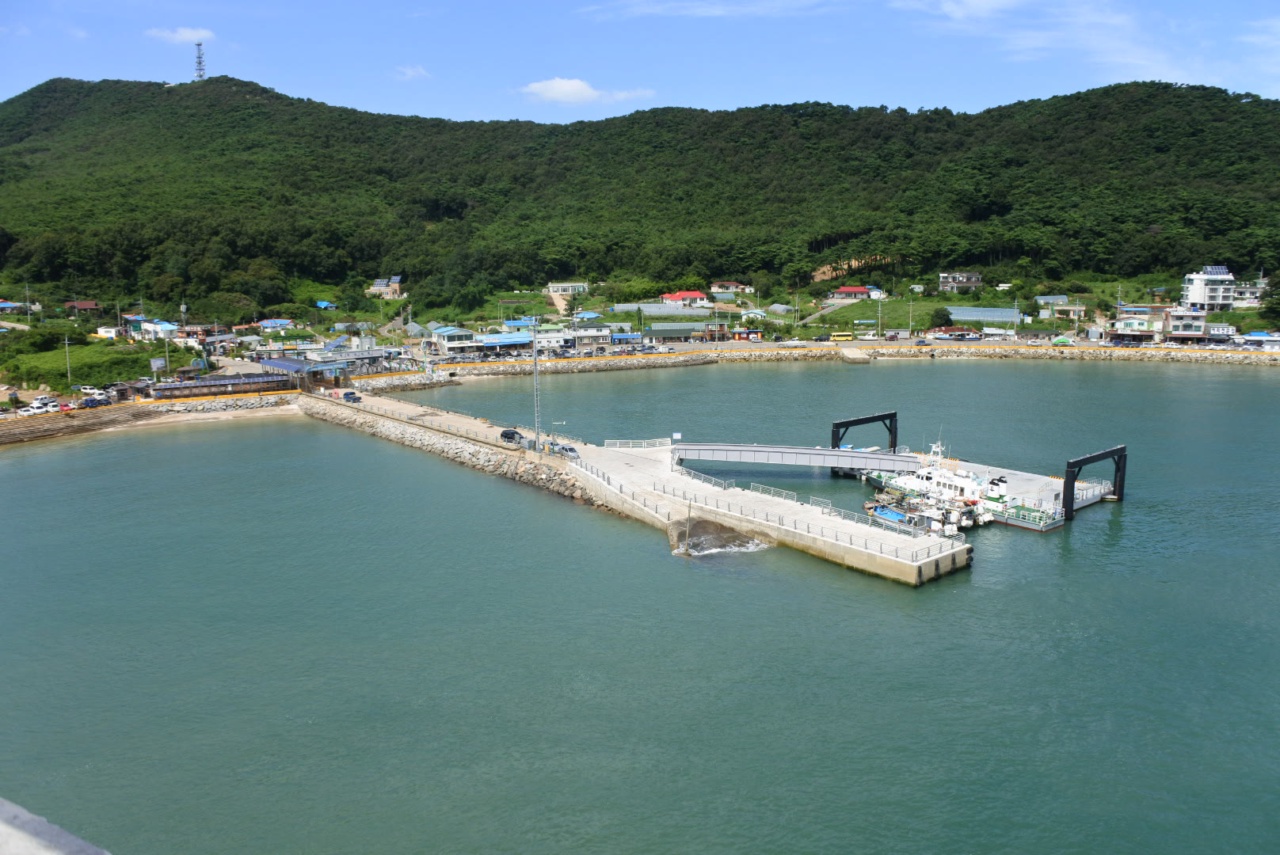
The on-board experience varies dramatically by route. On a short crossing to an island in the West Sea, you might spend 40 minutes on a no-frills passenger boat, watching fishermen haul traps as rocky islets slide past. On the overnight Mokpo-to-Jeju ferry, you have a full evening ahead - deck walks under the stars, a cafeteria serving ramyeon and rice dishes, and the gentle rocking of the ship as you cross open water.
Most medium and large ferries have a convenience store or cafeteria on board selling instant noodles, snacks, drinks, and simple Korean meals like bibimbap or curry rice. Prices are slightly marked up compared to land, so bringing your own food is common and perfectly acceptable - many Korean passengers board with fried chicken, kimbap, or snacks from the terminal shops. Vending machines for coffee and drinks are standard.
Luggage is self-managed on most domestic ferries. You carry your bags on and store them near your seat or in your cabin. For vehicle ferries, you can leave larger items in your car. Baggage rules vary by operator and ticket. Before booking, check the operator's permitted size and weight, possible extra charges, and declare special baggage in advance. Be prepared to navigate steep gangways and narrow corridors.
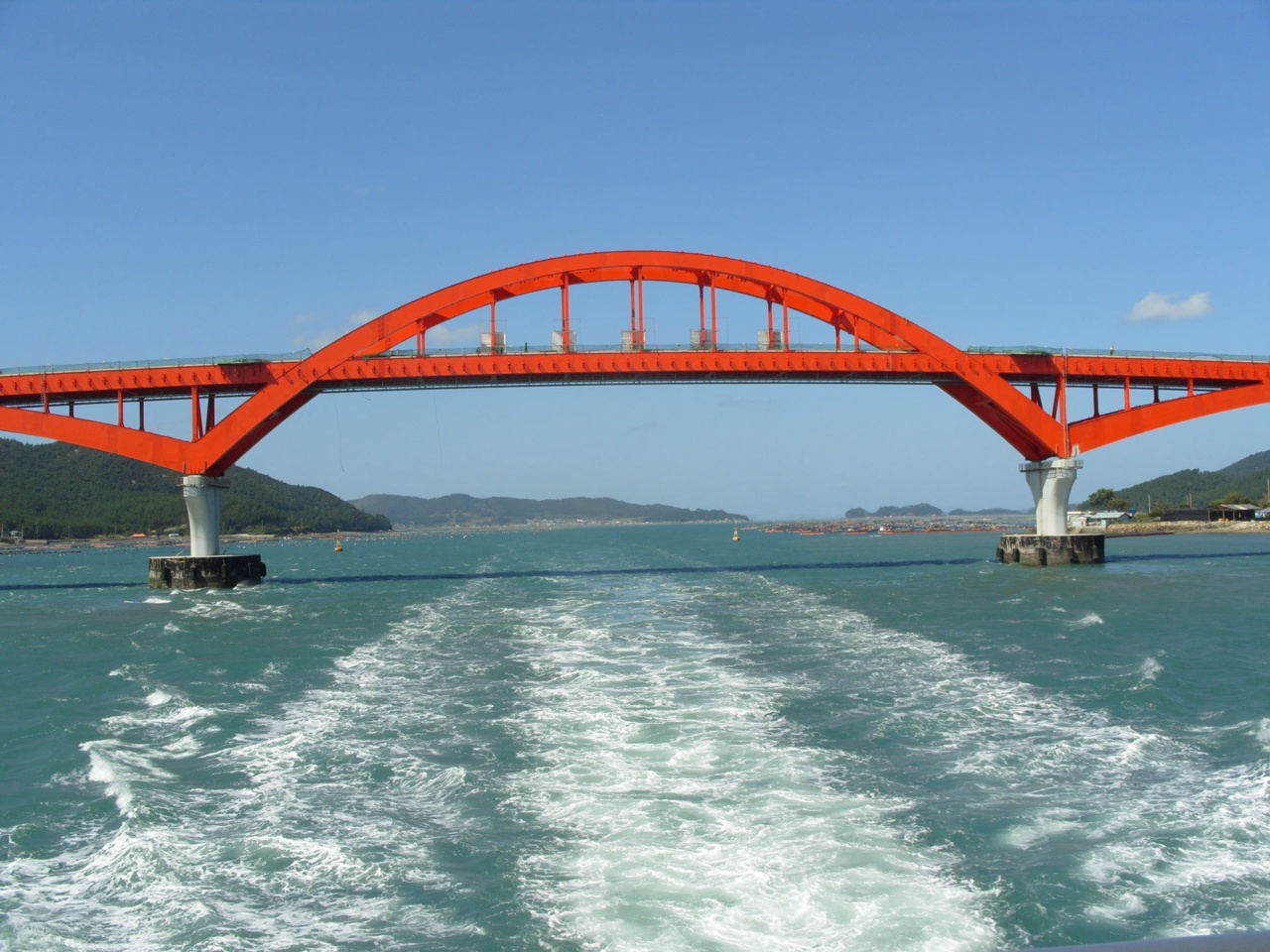
Wi-Fi is available on some newer and larger vessels, but signal quality drops significantly once you are far from shore. Charging outlets can be scarce in general class areas, so bring a portable battery. On deck, the scenery along Korea's southern coast - with its countless green islands, fishing villages, and sea fog - is genuinely spectacular and worth braving the wind for.
One cultural note: shoes come off in the ondol general class rooms. Store them in the provided shoe racks or bags, and be mindful of personal space when the room fills up. Koreans tend to be quiet and considerate in shared sleeping spaces, and you should follow suit.
Tips for Ferry Travel in South Korea
Always carry your passport. ID checks at terminals are mandatory. Without valid identification, you will not be allowed to board - no exceptions.
Check weather cancellations. Ferries are frequently cancelled due to high winds, fog, or typhoons, especially on exposed West Sea and Ulleungdo routes. Monitor conditions the day before travel and have a backup plan. Terminal staff can advise.
Arrive early. Boarding closes before departure, so arrive well ahead. For vehicle ferries, allow extra time to ensure your car is loaded in time.
Bring layers and motion sickness remedies. Open sea crossings, particularly to Jeju and Ulleungdo, can get rough. Korean pharmacies (yakguk) near ferry terminals stock motion sickness patches and pills - grab them before boarding.
Island hopping requires patience. Smaller islands may have only one or two ferry departures per day, and schedules can shift with tides and seasons. Build flexibility into your itinerary rather than planning tight connections.
Language barriers are manageable. Terminal signage increasingly includes English, and ticket counter staff at major ports can handle basic transactions. On smaller island routes, a translation app and a written note of your destination in Korean (hangul) will smooth things over.
Peak seasons to watch: Summer holidays (July and August), Chuseok (autumn harvest festival), and Lunar New Year see heavy demand. Ulleungdo crossings are most reliable in summer, as winter seas can prevent crossings for days at a stretch.
Consider the ferry for Jeju. Flying is faster, but the overnight ferry lets you bring a car (useful for exploring Jeju independently) and saves a night of accommodation costs. It is also a memorable experience in its own right.
Sources and background
Numbers in the text such as [1] refer to these sources.
[1]Korea Tourism Organization: Ferry. Retrieved October 15, 2026.