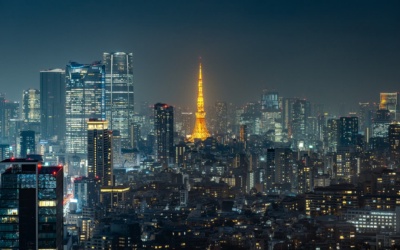
Japan blends ancient tradition with cutting-edge modernity, offering travelers pristine temples, world-class cuisine, efficient transport, and landscapes ranging from tropical beaches to snow-capped peaks.
Japan is a country that defies easy categorization. Step off the bullet train in Kyoto and you are walking through bamboo groves and centuries-old shrine gates; board the next train to Tokyo and you are plunged into a neon-lit metropolis where robot restaurants sit next to Michelin-starred sushi counters. This constant interplay between old and new, serene and electric, is what makes Japan one of the most compelling destinations in Asia.
Beyond the headline cities, Japan rewards the curious traveler with astonishing depth. Remote mountain villages preserve traditions that stretch back a thousand years. Subtropical islands in Okinawa offer turquoise waters and a distinct cultural identity. The northern wilderness of Hokkaido delivers powder snow in winter and lavender fields in summer. No matter how many times you visit, Japan has another layer to reveal.
Traveling here is remarkably smooth. The country is famously safe, public transport runs with clockwork precision, and the level of hospitality - rooted in the concept of omotenashi - is unmatched. Language can be a hurdle outside major cities, but a combination of translation apps, pictorial menus, and the genuine willingness of locals to help means you will rarely feel truly stuck.
Top Destinations
Tokyo
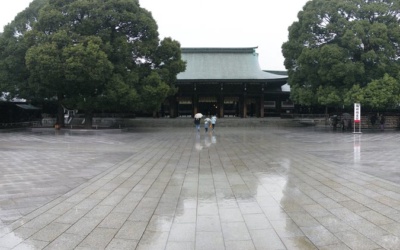
Japan's sprawling capital is less a single city than a constellation of distinct neighborhoods. Shibuya and Shinjuku pulse with energy, packed with department stores, izakayas, and nightlife. Asakusa preserves the atmosphere of old Edo around the iconic Senso-ji temple. Akihabara is the epicenter of anime, manga, and electronics culture. Harajuku showcases outlandish street fashion alongside the serene Meiji Shrine. For foodies, Tokyo is famed for its Michelin-starred restaurants, yet some of the best meals come from standing ramen bars and conveyor-belt sushi joints that cost only a few dollars.
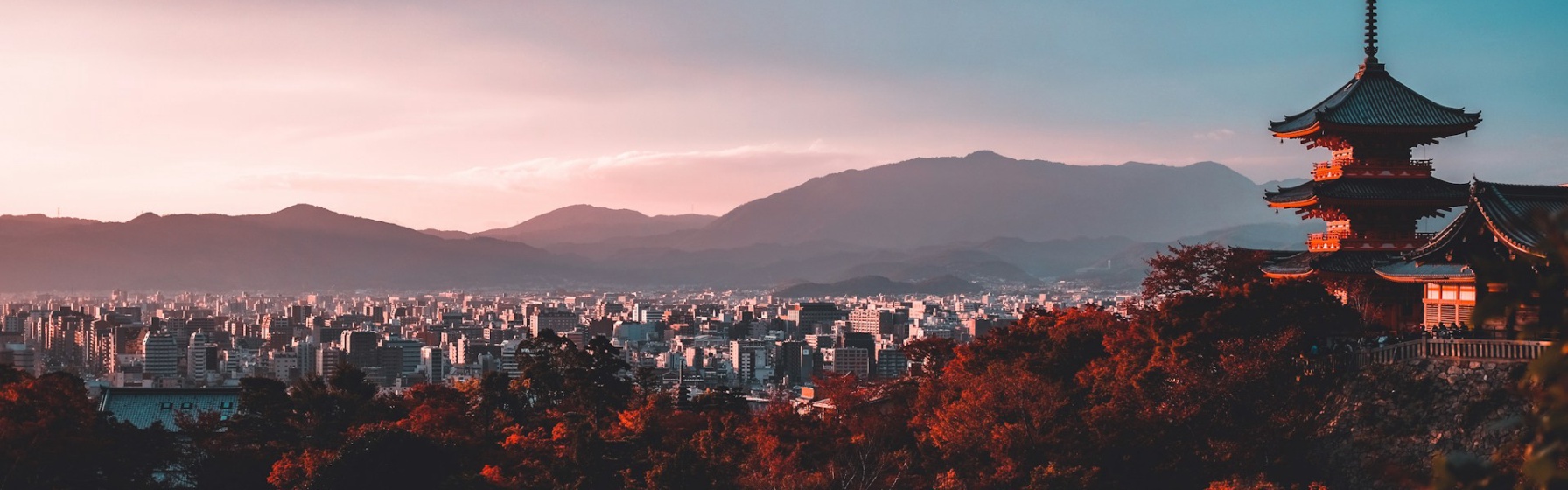
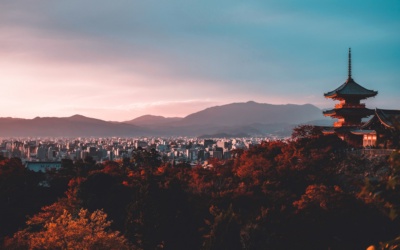
The former imperial capital is Japan's cultural heartland. Over 1,600 Buddhist temples and 400 Shinto shrines dot the city,[1] including the golden Kinkaku-ji, the sprawling Fushimi Inari with its thousands of vermilion torii gates, and the rock garden at Ryoan-ji. Kyoto is also the best place to experience a traditional tea ceremony, spot geiko (Kyoto's term for geisha) in the Gion district, and stay in a ryokan, a traditional Japanese inn. The Arashiyama bamboo grove and the Philosopher's Path are iconic walks that shift character with every season.
Osaka
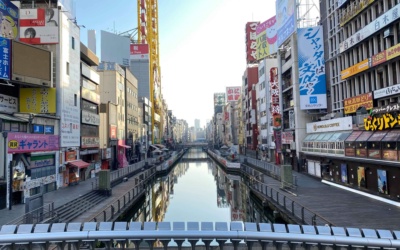
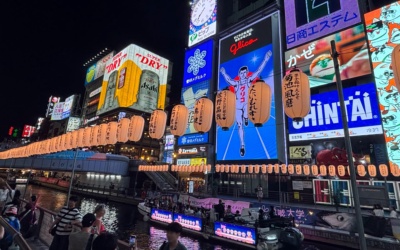
Known as Japan's kitchen, Osaka is a street-food paradise. Dotonbori's neon-draped canal is the symbolic heart of the city, lined with stalls selling takoyaki (octopus balls), okonomiyaki (savory pancakes), and kushikatsu (deep-fried skewers). Beyond food, Osaka Castle offers a lesson in feudal history, and the nightlife in Namba and Amerikamura is lively and unpretentious. Osaka also serves as a gateway to Nara, where free-roaming deer greet visitors among ancient temples.
Hiroshima and Miyajima
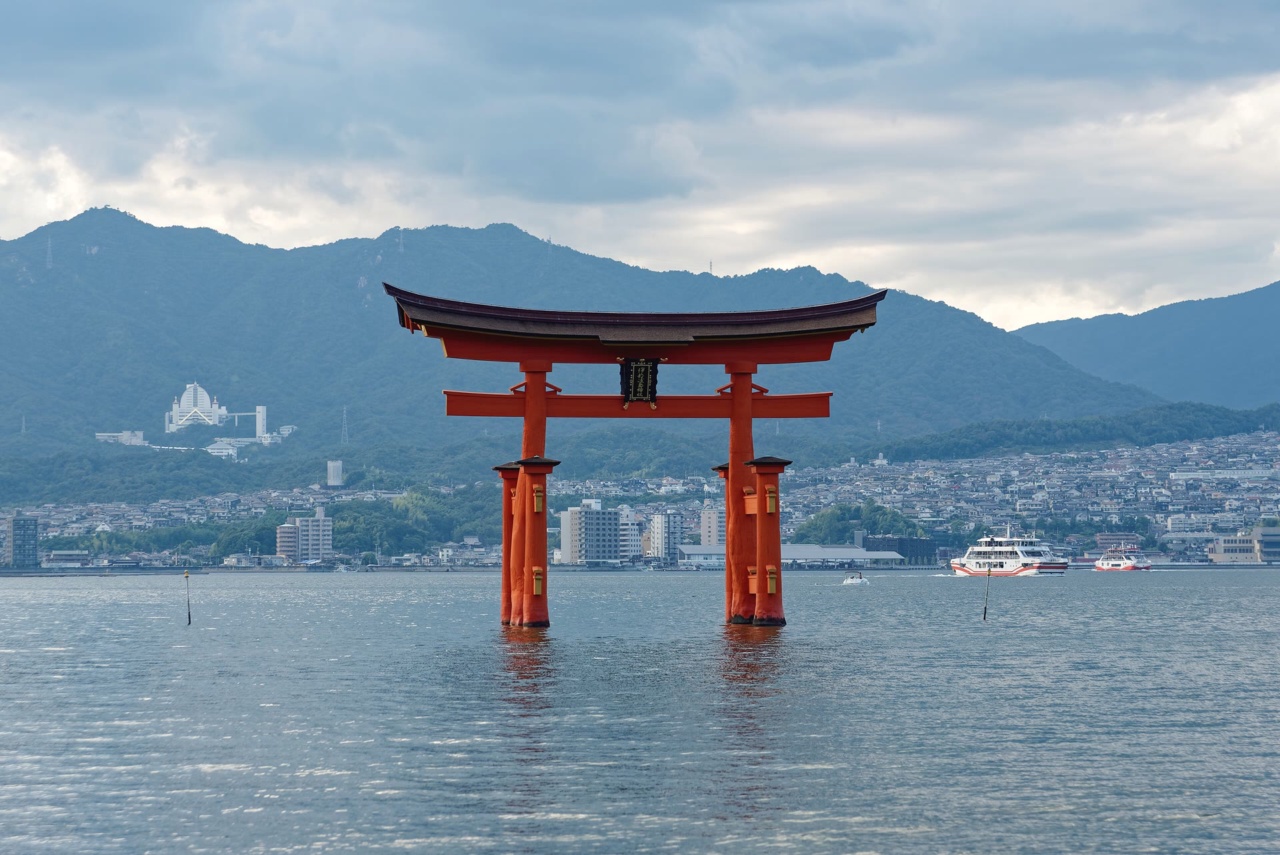
Hiroshima's Peace Memorial Park and Museum is a profoundly moving experience that every visitor to Japan should consider. The city itself has rebuilt into a vibrant, forward-looking place known for its own style of okonomiyaki. A short ferry ride away, Miyajima Island is home to the famous floating torii gate of Itsukushima Shrine, one of Japan's most photographed sights.
Hokkaido
Japan's northernmost main island is a world apart. Sapporo, the capital, is famous for its beer, ramen, and the annual snow festival. Niseko and Furano attract skiers and snowboarders with some of the lightest powder snow on earth. In warmer months, the national parks of Daisetsuzan and Shiretoko offer outstanding hiking and wildlife, including brown bears and red-crowned cranes. Hokkaido's seafood - especially crab, uni (sea urchin), and scallops - is considered the finest in the country.
Okinawa
The Okinawa archipelago stretches southwest toward Taiwan, offering a tropical side of Japan that many visitors overlook. Crystal-clear waters make it a premier destination for snorkeling and diving, with the Kerama Islands offering some of the best coral reefs in Asia. Okinawan culture is distinct, with its own language, music, cuisine, and a unique history as the former Ryukyu Kingdom. Shuri Castle in Naha is a symbol of that heritage.
The Japanese Alps and Takayama
Central Honshu's mountainous interior is home to the Japanese Alps, where the Tateyama Kurobe Alpine Route passes through dramatic snow corridors. The town of Takayama preserves beautifully maintained Edo-period streets, morning markets, and some of the country's finest wagyu beef. Nearby Shirakawa-go, a UNESCO World Heritage Site, features thatched-roof farmhouses that look like something from a fairy tale, especially when blanketed in snow.
Kanazawa
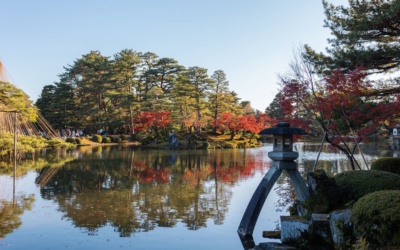
Often called "Little Kyoto," Kanazawa escaped wartime bombing and retains well-preserved samurai and geisha districts. Kenroku-en is consistently ranked among Japan's top three gardens. The 21st Century Museum of Contemporary Art provides a striking modern counterpoint. Kanazawa is also renowned for its gold leaf crafts, fresh seafood from the Sea of Japan, and exquisite wagashi (traditional sweets).
Things to Do
Offers are only loaded from GetYourGuide after you click. GetYourGuide can then process your IP address and set cookies. Privacy Policy
GetYourGuide partner offers. GoAsia may earn a commission if you book through these offers. Check whether tickets or transfers are included, and follow the attraction's official booking and admission rules.
Getting Around
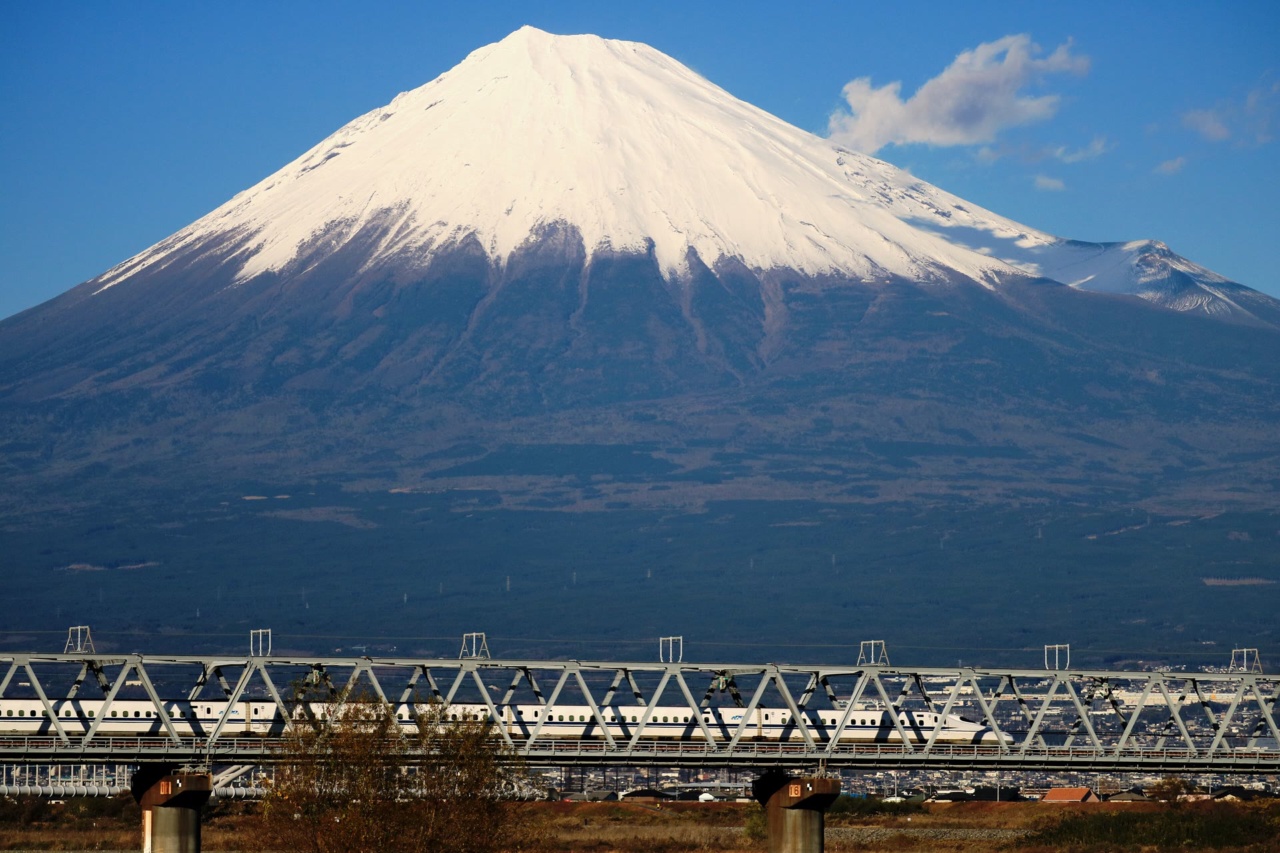
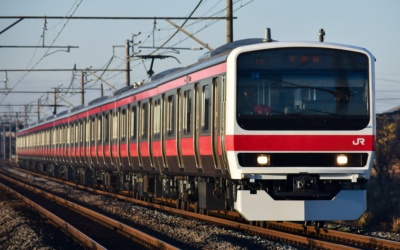
Japan's transport network is the envy of the world. The shinkansen (bullet train) connects major cities at speeds up to 320 km/h on the Tohoku Shinkansen,[2] and it runs with remarkable punctuality: on the Tokaido Shinkansen the average delay was 1.4 minutes per train in 2024, including delays caused by natural disasters.[3] Lines like the Tokaido Shinkansen (Tokyo to Osaka) and the Tohoku Shinkansen (Tokyo to northern Honshu) are the backbone of intercity travel.
The Japan Rail Pass (JR Pass) is a cost-effective option for travelers planning to cover long distances. It offers unlimited travel on most JR trains, including most shinkansen lines, for a fixed period of 7, 14 or 21 days; online prices range from 50,000 yen (7-day Ordinary pass) to 140,000 yen (21-day Green pass) for adults.[4] Regional JR passes are also available and can be better value if you are focusing on one area, such as the JR Kansai Pass or JR Hokkaido Pass. Check availability and terms before you buy, as they can vary.
Within cities, subway and commuter rail systems are extensive. Tokyo's network can seem bewildering at first, but apps like Google Maps, Navitime, and Japan Travel by Navitime provide real-time route planning with transfer details. A Suica or Pasmo IC card (rechargeable transit cards) works on trains and buses and at stores displaying the interoperable IC card logo across Japan, including convenience stores and vending machines.[5] Visitors can also use the Welcome Suica Mobile app on compatible iPhones.[6]
Domestic flights are worth considering for long hauls, such as Tokyo to Sapporo or Tokyo to Okinawa. Airlines such as ANA and JAL, and low-cost carriers, often offer competitive fares, especially if booked in advance. Ferries connect the main islands and reach remote destinations, and an overnight ferry is a memorable and often budget-friendly alternative on some routes.
Renting a car makes sense in rural areas like Hokkaido, the Izu Peninsula, or Okinawa, where public transport is sparse. Cars drive on the left. To drive you need a booklet-type International Driving Permit issued under the 1949 Geneva Convention (card or smartphone versions are not valid); holders of licenses from Switzerland, Germany, France, Belgium, Monaco and Taiwan instead carry their original license plus a Japanese translation.[7] Expressway tolls can be expensive, but regional expressway passes for foreign visitors offer unlimited use of major expressways in several regions.[7]
Best Time to Visit
Japan is a four-season destination, and each season brings a distinct character.
Cherry blossom season (timing varies by region and year); mild temperatures; vibrant festivals
Peak tourist season during blossom weeks; book accommodation well in advance
Summer
June - August
Festivals (matsuri) including Gion Matsuri and Nebuta; lush green landscapes; great for Hokkaido and the Alps
June brings tsuyu (rainy season) to most of Honshu; July and August are hot and humid
Autumn
September - November
Spectacular fall foliage (koyo); comfortable temperatures; fewer crowds than spring
Typhoon season runs through September and occasionally into October
Winter
December - February
World-class skiing in Hokkaido and the Alps; onsen season; illumination festivals; fewer tourists
Cold in the north; some rural attractions may close; Okinawa remains mild
Cherry blossom season and autumn foliage are the most popular periods, so expect higher prices and crowded attractions. The sweet spot for many travelers is late October to mid-November, when the foliage is stunning and the weather is crisp, or early spring before the blossoms peak. Winter is underrated: the combination of hot springs, snow-covered temples, and uncrowded trails is magical.
Culture and Customs
Japanese society places high value on harmony, respect, and consideration for others. Understanding a few key customs will enrich your experience and earn genuine appreciation from locals.
Shoes off: Remove your shoes when entering homes, ryokans, many temples, and some restaurants.[8] Look for a genkan (entryway) and slippers provided for indoor use. Separate toilet slippers are often provided in bathrooms - do not forget to switch back.
Bowing: A slight bow is the standard greeting. You do not need to bow deeply as a tourist, but a small nod of the head shows respect.
Quiet in public: Speaking on the phone while riding trains and buses is generally frowned upon, and conversations should stay at a low volume.[8]
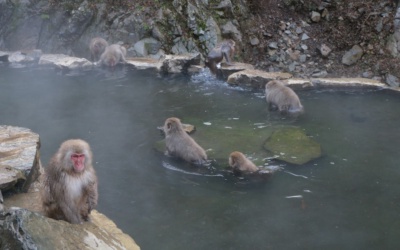
Onsen etiquette: Wash thoroughly at the shower stations before entering the communal bath. Tattoos are traditionally associated with yakuza, and the majority of onsen still prohibit tattooed guests, though some establishments are more relaxed; it is best to ask before visiting.[9]
Temple and shrine etiquette: At shrines, purify your hands at the chozuya (water basin) before approaching the main hall. Bow twice, clap twice, make your prayer, then bow once more. At temples, simply bow and pray. Remove hats and be respectful during ceremonies.
Tipping: Do not tip in Japan. Tipping is not practiced and can cause discomfort and confusion; excellent service is considered standard.[10]
Chopstick manners: Never stick chopsticks upright in rice (this resembles a funeral ritual) or pass food directly from chopstick to chopstick.
Gift-giving: If invited to someone's home, bring a small gift. Presentation matters - have it wrapped neatly.
The concept of tatemae (public face) versus honne (true feelings) means that Japanese people may avoid direct refusals. A vague "that might be difficult" often means no. Being patient, polite, and observant will help you navigate social situations gracefully.
Food and Drink
Washoku, the traditional dietary culture of the Japanese, is on UNESCO's Representative List of the Intangible Cultural Heritage of Humanity (inscribed in 2013),[11] and eating your way through the country is one of the great joys of travel. The emphasis on seasonal ingredients, meticulous preparation, and beautiful presentation elevates even the simplest meal.
Must-Try Dishes
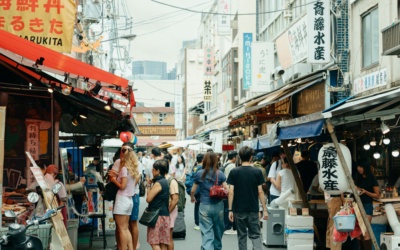
Sushi and sashimi: From high-end omakase counters to Tsukiji Outer Market stalls, fresh fish is a cornerstone of Japanese dining. Conveyor-belt sushi (kaiten-zushi) offers excellent quality at low prices.
Ramen: Regional styles vary enormously. Tonkotsu (pork bone broth) dominates in Fukuoka, miso ramen rules in Sapporo, soy-based shoyu ramen is a Tokyo classic, and Hiroshima and Onomichi have their own local twists.
Tempura: Lightly battered and fried vegetables and seafood, at its best when served fresh at a counter.
Yakitori: Skewered grilled chicken, often enjoyed at smoky alleyway stalls with a cold beer. Every part of the chicken is used, from thigh to cartilage.
Kaiseki: A multi-course haute cuisine experience that showcases seasonal ingredients. It is the pinnacle of Japanese culinary art and worth the splurge at least once.
Okonomiyaki: Savory pancakes loaded with cabbage and your choice of toppings. Osaka and Hiroshima each claim their own superior version.
Wagyu beef: Japanese beef is graded on a marbling scale, with A5 being the highest. Kobe, Matsusaka, and Hida are among the most prized regional varieties.
Udon and soba: Thick wheat ndon in Kagawa (Sanuki udon) and buckwheat soba in Nagano and Tokyo are comforting, affordable staples.
Street Food and Snacks
Convenience stores (konbini) in Japan are a food destination in their own right. 7-Eleven, Lawson, and FamilyMart stock onigiri (rice balls), bento boxes, egg sandwiches, oden (a hot pot of fish cakes and vegetables), and surprisingly good coffee. Festival stalls (yatai) serve takoyaki, yakisoba, taiyaki (fish-shaped pastries filled with red bean paste), and kakigori (shaved ice).
Drinks
Japan is a sake-producing powerhouse, with regional breweries (kura) offering tastings. Japanese whisky has earned global acclaim - distilleries like Yamazaki and Nikka are pilgrimage sites for enthusiasts. Beer culture is strong, from major brands like Asahi and Sapporo to a growing craft beer scene. Green tea, from everyday sencha to ceremonial matcha, is omnipresent. Vending machines on nearly every street corner sell hot and cold beverages at low prices.
Dietary Considerations
Vegetarians and vegans can find Japan challenging, as dashi (fish stock) is a base for many dishes, including seemingly vegetable-based ones. However, awareness is growing, particularly in Tokyo, Kyoto, and Osaka, where dedicated vegetarian and vegan restaurants are increasing. Shojin ryori, Buddhist temple cuisine, is entirely plant-based and widely available in Kyoto. Communicating dietary restrictions in writing (a translated allergy card) is extremely helpful.
Visa and Entry Requirements
Japan has reciprocal visa exemption arrangements with 74 countries and regions, typically granting stays of 15, 30 or 90 days depending on nationality (15 days for Indonesia and Thailand, 30 days for Brunei and Qatar, 90 days for the others).[12] Citizens of most European Union nations, the United States, Canada and Australia, and of several Southeast Asian countries, can enter for tourism without a pre-arranged visa; some nationalities, for example Thailand and Brazil, are exempt only with an ePassport.
Upon arrival, an immigration officer decides on your landing permission, which states your permitted length of stay.[13] Overstaying is taken very seriously.
For nationalities that do require a visa, applications are handled through Japanese embassies and consulates. Processing times and required documents vary. Always check the latest requirements with your nearest Japanese diplomatic mission or the Ministry of Foreign Affairs website before traveling, as policies can change.[12]
All foreign visitors must have a valid passport.[14] Some travelers may be asked to show proof of onward travel and sufficient funds.
Safety and Health
Japan is one of the safest countries in the world for travelers. Violent crime is extremely rare, and theft is uncommon - it is not unusual to see bags left unattended at cafe tables or wallets returned with cash intact. That said, common sense still applies.
Common Concerns
Natural disasters: Japan sits on the Pacific Ring of Fire. Earthquakes are frequent, though most are minor. Familiarize yourself with earthquake safety procedures and note emergency exits in your accommodation. Typhoons can affect the country from summer into autumn. The Japan Meteorological Agency and the NHK World app provide real-time alerts in English.
Scams: Japan has very few tourist scams compared to other Asian destinations. The most common nuisance is touts in entertainment districts like Kabukicho (Shinjuku) or parts of Roppongi trying to lure visitors into overpriced bars. A simple rule: if someone approaches you on the street offering a deal, decline and walk away.
Cycling and pedestrians: Cyclists often share sidewalks with pedestrians. Stay aware, especially in busy areas.
Health
Medical facilities are world-class, but English-speaking doctors can be limited outside major cities. Check the vaccination advice of your own health authority before you travel. Travel insurance is strongly recommended, as medical costs for uninsured foreigners can be high. Pharmacies (drugstores like Matsumoto Kiyoshi) stock common medications, but some Western brands may not be available, and dosages can differ.
Summer heat and humidity can lead to heatstroke - stay hydrated and take breaks in air-conditioned spaces. In winter, influenza is common; hand sanitizer and masks are widely available and socially accepted.
Budget Tips
Japan has a reputation for being expensive, but it is entirely possible to travel well on a moderate budget. The key is knowing where to save and where to splurge.
Daily Budget Ranges (rough planning figures, per person)
Level
Daily Budget (USD)
What It Covers
Budget
$50 - $80
Hostel dorm or capsule hotel; konbini meals and cheap ramen; local transport; free temples and parks
Mid-range
$100 - $200
Business hotel or mid-range ryokan; mix of casual and sit-down restaurants; JR Pass travel; paid attractions
Luxury
$300+
High-end ryokan or boutique hotel; kaiseki dinners and omakase sushi; private tours; green car (first class) on shinkansen
Money-Saving Strategies
JR Pass: If you plan to take multiple long-distance train trips, a JR Pass almost always saves money compared to buying individual tickets. Do the math with an online fare calculator before purchasing.
Eat at lunch: Many restaurants offer lunch sets (teishoku) at a fraction of their dinner prices. A lunch at a high-end restaurant can cost much less than dinner.
Konbini meals: Convenience store food in Japan is genuinely good. A filling onigiri-and-salad lunch is inexpensive.
100-yen shops: Daiso and other 100-yen stores are great for picking up travel essentials, snacks, and souvenirs.
Free attractions: Many shrines, temples, parks, and markets are free to enter. Tokyo's Meiji Shrine, Osaka's Namba Yasaka Shrine, and Kyoto's Fushimi Inari all cost nothing.
Capsule hotels: A uniquely Japanese experience that doubles as budget accommodation. Modern capsule hotels are clean, well-designed, and usually much cheaper than a regular hotel room.
Overnight buses: Overnight highway buses connect major cities at a fraction of the shinkansen price, and you save on a night of accommodation.
Drink from vending machines and taps: Skip cafe drinks and grab canned coffee or tea from vending machines, which is usually cheaper.
Currency and Payment
The currency is the Japanese yen (JPY). Japan has traditionally been a cash-centric society. Credit, debit and prepaid cards of international brands are generally accepted, but you cannot always use them for short train or subway fares, and smaller restaurants, rural ryokans, and market stalls may still be cash-only. Carry a reasonable amount of yen at all times. You can withdraw cash at ATMs of Japan Post Bank and Seven Bank.[15] Notify your bank before traveling to avoid blocked transactions.
Tax-free shopping is available at participating stores (look for the "Tax Free" sign). Until October 31, 2026, eligible visitors buy at tax-exclusive prices; for purchases from November 1, 2026, Japan switches to a refund method: you pay the full price and receive the consumption tax back after customs confirms at your departure airport or port that the goods are leaving Japan.[16] Bring your passport when shopping.
Sources and background
Numbers in the text such as [1] refer to these sources.
[1]Japan National Tourism Organization (JNTO): Amazing Kyoto. Retrieved October 16, 2026.