
Contents
Leaving behind the sophisticated waterfront and marble beef of Kobe for the historic grandeur of Himeji feels like stepping through a portal in Japanese history. While Kobe represents the modernization and international flair of the Meiji era, Himeji is home to the most iconic feudal fortress in the country. The transition is remarkably swift, as the urban sprawl of the Kansai region gives way to the sight of the gleaming white walls of the Shirasagi-jo, or White Heron Castle, rising above the city skyline.
The journey between these two Hyogo Prefecture gems is one of the most efficient trips you can take in Japan. Because both cities sit directly on the Sanyo Shinkansen line, you can finish a morning coffee in Kobe and be standing at the gates of a UNESCO World Heritage site before your caffeine kick has even worn off. Whether you are a history buff, a photography enthusiast, or simply a traveler looking to maximize your time in Japan, this route is a masterclass in convenience.
Kobe to Himeji by Train
The train is the undisputed king of this route. Since the distance is relatively short, the Shinkansen (bullet train) makes the trip feel like a local hop rather than a cross-city journey. For this specific route, you will typically depart from Shin-Kobe Station and arrive at Himeji Station. It is important to note that Shin-Kobe is the Shinkansen hub, located slightly north of the city center, while Kobe Station or Sannomiya Station serve local and rapid lines.
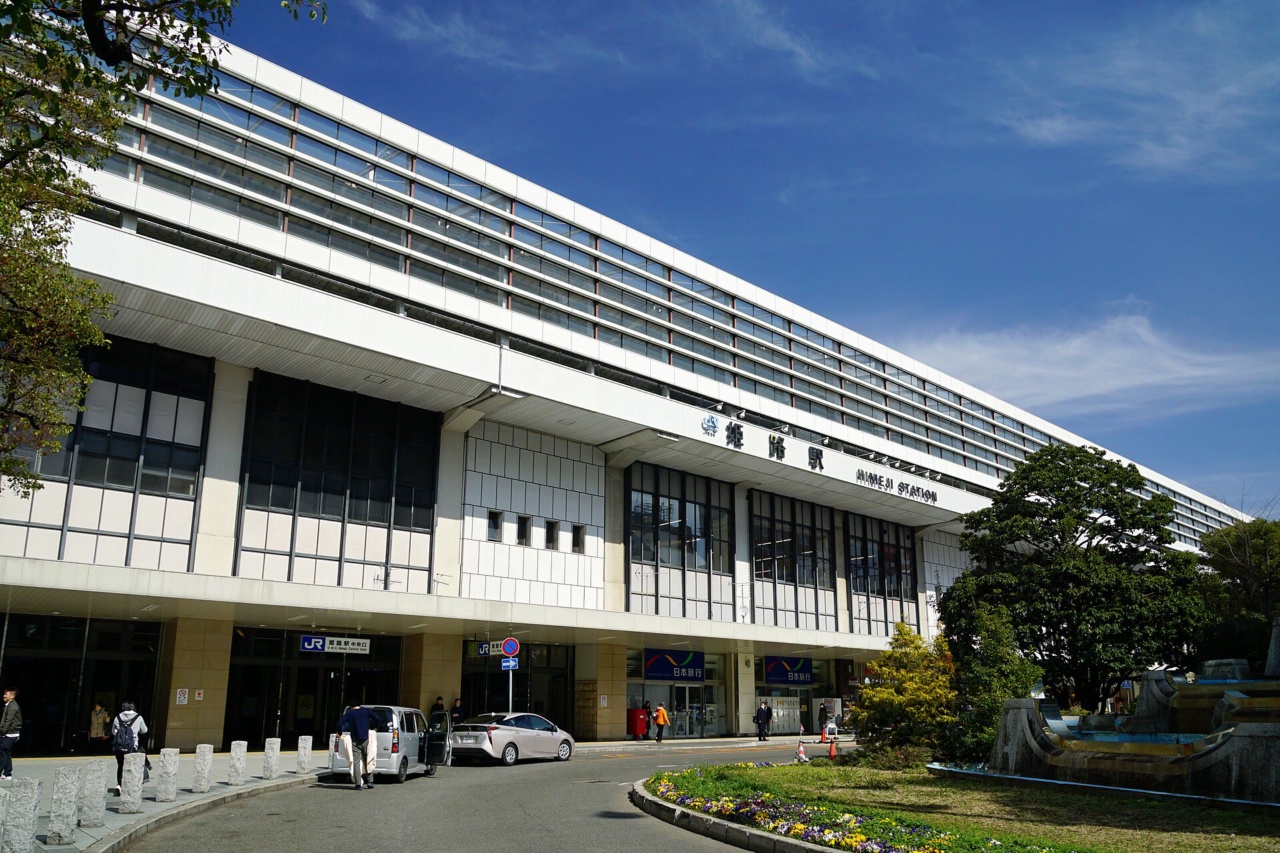
Traveling by train offers a seamless experience with frequent departures throughout the day. A one-way ticket costs about 2,720 yen for an unreserved seat[1] and about 3,050 yen for a reserved seat.[2] The journey is incredibly fast, taking between 15 and 27 minutes depending on the train.[3] This speed makes Himeji an effortless day trip from Kobe, allowing you to explore the castle and its surrounding Koko-en gardens and still return to Kobe in time for a world-class dinner.
Standard and Unreserved Seating
When booking your tickets on GoAsia.cc, you will generally choose between a Standard seat (which often implies a reserved spot) and an Unreserved seat. Standard reserved seats provide peace of mind, ensuring you have a specific place to sit, which can be helpful during peak commuting hours or holiday seasons like Golden Week. A reserved seat costs about 3,050 yen.[2]
Unreserved seats are a slightly more economical choice, about 2,720 yen.[1] These are perfect for travelers who prefer flexibility, as you can simply show up at the station and board the next available train. Shinkansen trains stop at Himeji several times an hour from early morning until late at night. The cars are impeccably clean, climate-controlled, and offer plenty of legroom, even for the shortest of journeys.
Comparing Your Options
| Mode | Price (JPY) | Duration | Comfort |
|---|---|---|---|
| Shinkansen (Unreserved) | 2,720 yen[1] | 15-27 min[3] | High |
| Shinkansen (Standard/Reserved) | 3,050 yen[2] | 15-27 min | Excellent |
Tips for Traveling from Kobe to Himeji
- Station Navigation: Remember that the bullet trains depart from Shin-Kobe Station, not the central Sannomiya or Kobe Stations. You can reach Shin-Kobe easily via the city subway or a short taxi ride from the downtown area.
- Castle Proximity: Once you arrive at Himeji Station, the castle is clearly visible down the main boulevard. Walk up the boulevard from the North Exit, or hop on a bus.
- Luggage Storage: If you are visiting Himeji while moving between cities, Himeji Station has a large number of coin lockers in various sizes to store your suitcases while you explore the castle.
- Timing Your Visit: Himeji Castle is one of Japan's most popular sites. Try to take an early morning train from Kobe to arrive at the gates right as they open to avoid the largest crowds.
- Booking Ahead: While unreserved seats are plentiful, booking a reserved seat during Japanese public holidays is highly recommended to ensure a smooth journey.
Timetable
| Train Kobe - Himeji $ 17.99–21.82 15m – 27m | |
|
Frequently Asked Questions
Use the booking tool on this page to compare the transport options currently available from Kobe to Himeji, including current prices and schedules.
Local JR trains from Kobe or Sannomiya station cost less than the Shinkansen, but they take longer. On the Shinkansen, an unreserved seat is the cheaper option at about 2,720 yen.
The Shinkansen is the fastest option, with the quickest trains completing the journey in just 15 minutes. This makes it one of the most efficient transit corridors in the Kansai region.
Depending on the specific train service you board, the journey typically takes between 15 and 27 minutes. Most Shinkansen services fall on the shorter end of that range.
For most of the year, you can buy tickets at the station or through GoAsia.cc shortly before departure. However, if you are traveling during major holidays like the New Year or Obon, booking a reserved seat in advance is wise.
You must go to Shin-Kobe Station to catch the Shinkansen bullet train. It is separate from the main Kobe Station and is the only station in the city that serves the high-speed rail line.
On this very short journey, you will mostly see urban landscapes and tunnels. However, as you approach Himeji, keep an eye out the right side of the train (if facing the direction of travel) for a glimpse of the castle.
Sources and background
Numbers in the text such as [1] refer to these sources.
- [1] smartEX (JR Central, JR West, JR Kyushu): smartEX Service Prices (Non-reserved Seat in Ordinary Cars). Retrieved November 2, 2026.
- [2] smartEX (JR Central, JR West, JR Kyushu): smartEX Service Prices (Reserved Seat in Ordinary Cars). Retrieved November 2, 2026.
- [3] West Japan Railway Company (JR-Odekake Net): Section timetable: Tokaido, Sanyo and Kyushu Shinkansen, Tokyo to Kagoshima-Chuo. Retrieved November 2, 2026.
Guide prices and journey times are indicative, not live quotes. A booked package may include transfers and waiting time as well as the main journey. Check the selected offer, pickup point and current conditions before booking.