Himeji Castle: tickets, access, stairs and Koko-en
Photo: Svetlana Gumerova / Unsplash
Contents
Choose your visit
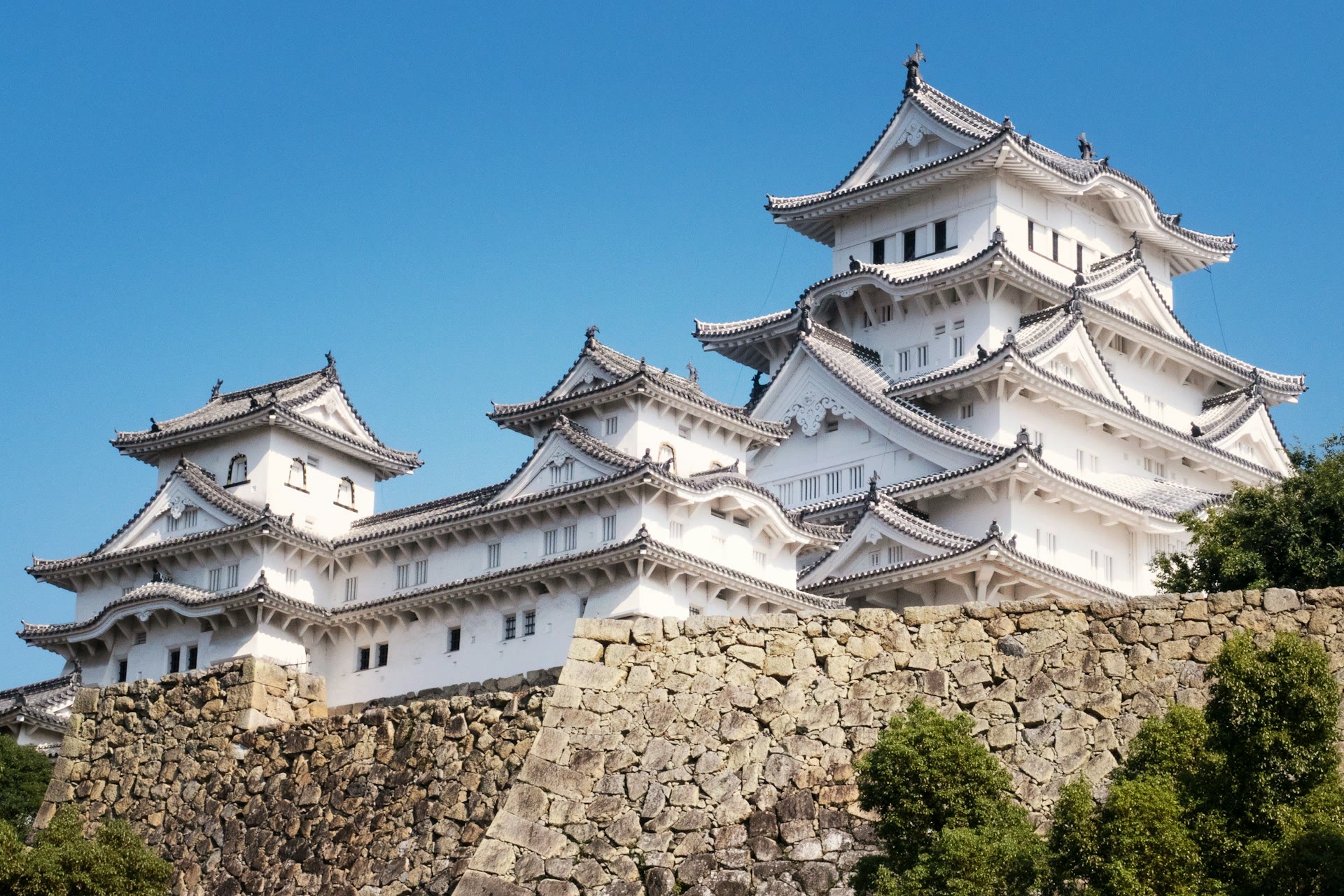
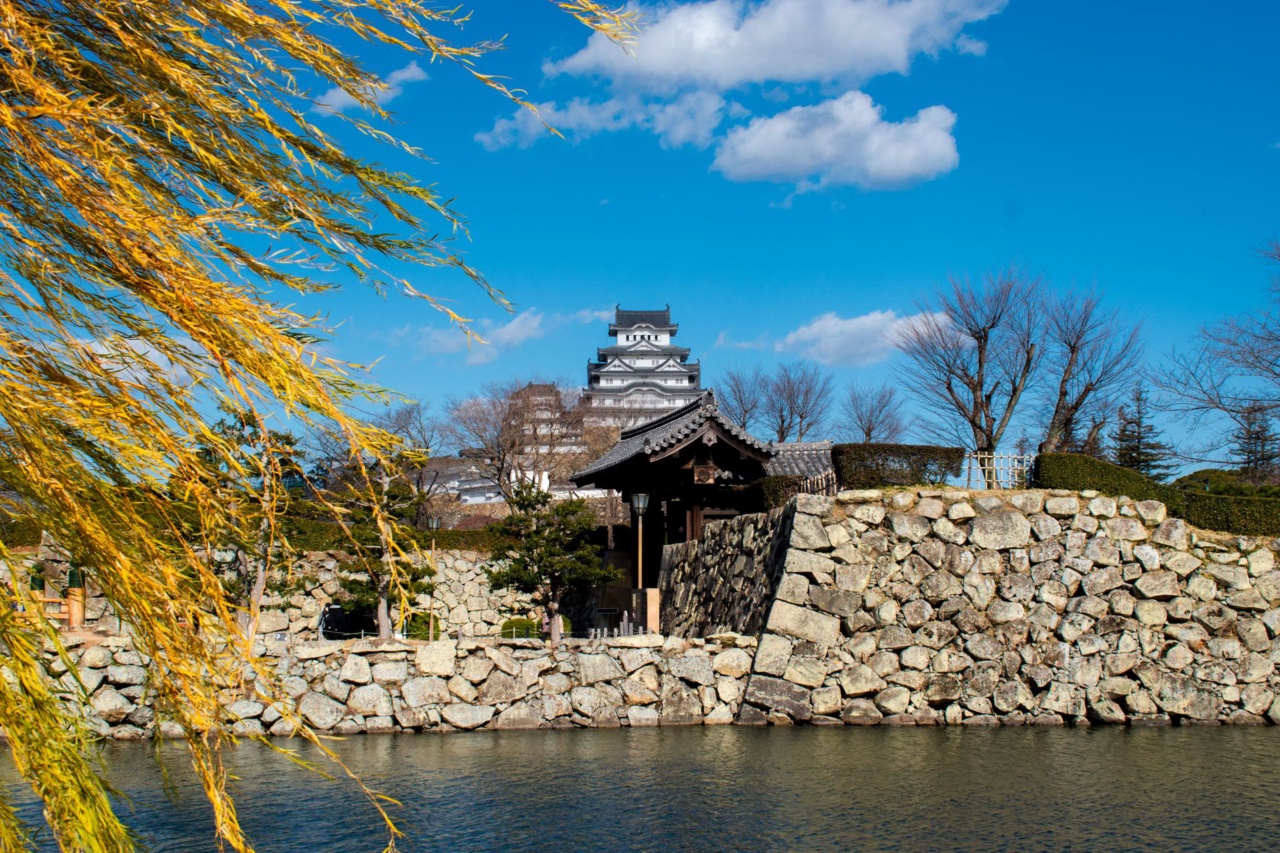
Himeji Castle is a UNESCO World Heritage Site and a National Treasure, known as Shirasagi-jo, the White Heron Castle, for its dazzling white walls. You can climb the main keep, walk the grounds, or add the neighbouring garden Koko-en. The keep means a stair climb that has been compared to a light mountain walk, while the grounds are much gentler.
Things to Do
Offers are only loaded from GetYourGuide after you click. GetYourGuide can then process your IP address and set cookies. Privacy Policy
GetYourGuide partner offers. GoAsia may earn a commission if you book through these offers. Check whether tickets or transfers are included, and follow the attraction's official booking and admission rules.
Architecture and history
The site began as a fort built in 1333 by Akamatsu Norimura. Hideyoshi Toyotomi, Ikeda Terumasa and Honda Tadamasa later developed it, and the castle reached the grandeur you see today in 1617. Conservation work on the main keep was completed in 2015, and the plastered walls shine bright white again.[1] UNESCO calls Himeji-jo the finest surviving example of early 17th-century Japanese castle architecture: 83 buildings with a highly developed system of defence, a masterpiece of construction in wood unified by white plastered earthen walls.[2] Follow how the gates, routes and turrets connect, because the maze of approaches was designed to confuse attackers.
Tickets and booking
Since 1 March 2026, admission is JPY2,500 for adults aged 18 and over and JPY1,000 for adult residents of Himeji. Groups of 30 or more pay JPY2,000 per person, or JPY800 for residents. A combined ticket for the castle and Koko-en costs JPY2,600. Admission is free for everyone under 18.[3] Himeji residents aged 65 and over enter free on showing the city's senior welfare card, and holders of a disability certificate enter free together with one carer (up to 3 carers for wheelchair users); the original certificate is required.[4] Koko-en alone costs JPY400 for adults.[5] Cash, credit cards, IC cards and several QR payment apps are accepted at the ticket office.[4]
You do not need to book ahead: no reservation system exists, and when it is crowded you queue to enter the main keep. If you prefer a fixed time, you can buy a digital ticket for a specific time slot from 90 days before your visit.[6]
Opening hours and time needed
The castle is open from 09:00 to 17:00, with entry until 16:00, and closed on 29 and 30 December.[4] Koko-en is open from 09:00 to 17:00 with entry until 30 minutes before closing, and is closed on the same two dates.[5] Allow 1.5 to 2 hours for the castle, plus around an hour of waiting in the crowded season.[6] Add time for Koko-en and your journey, and arrive well before the entry deadline.
From the station to the castle
The castle is a 20-minute walk from the north exit of JR Himeji Station or Sanyo Himeji Station. Shinki buses from the north exit stop at Otemon-mae, followed by a 5-minute walk.[4] From Shin-Osaka, the Shinkansen takes about 30 minutes to Himeji, from Okayama about 20 minutes. From Osaka, the JR special rapid train takes about 1 hour, from Sannomiya about 40 minutes.[4] The Japan Rail Pass is not valid on Nozomi and Mizuho trains, so take Hikari, Sakura, Kodama or Tsubame.[7]
Stairs, accessibility and rules
Himeji Castle is a hill castle with many slopes and steps, and the way up to the keep is steep. The keep and the turrets have steep, narrow stairs with handrails and no elevator.[4] Wheelchair users cannot enter the buildings. A wheelchair user can reach Bizenmaru near the main keep outdoors only with 2 to 3 experienced carers, and the castle has no care staff. There is no accessible toilet in the paid area: use the one at the west side of Sannomaru Square.[6]
You must take off your shoes inside the buildings, so bring a shoe bag, and socks or indoor shoes, because the old wooden floors can give you splinters. There is no air conditioning, so carry a drink with a lid, and wear a hat in the heat.[4] Monopods, tripods and selfie sticks are prohibited inside the buildings and may be banned outside when it is crowded. Bags with wheels go into a coin locker. The castle can close in bad weather.[6]
Koko-en and seasonal planning
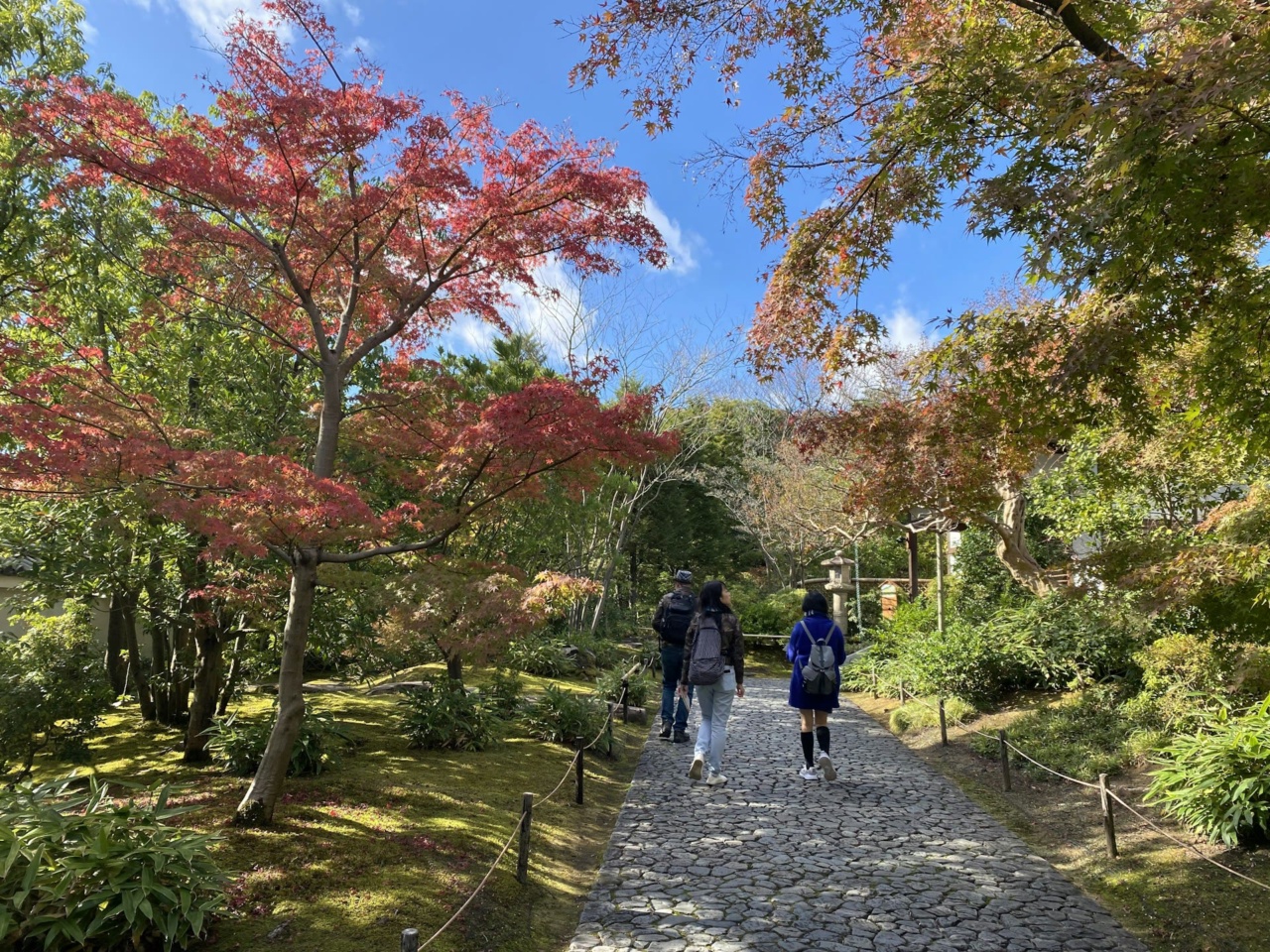
Koko-en is a Japanese garden on the site of the former western residences beside the castle. Free wheelchair loans at the garden office are for the garden only, not for the castle.[5] Choose the ticket for the sites you actually want and arrive before each last entry. Spring blossom and autumn colour peak at different dates each year. In the evening, the castle is lit in white from sunset to midnight, and a 15-minute seasonal light show runs at 20:00 and at 21:00 every day. The lighting is for viewing from outside: the castle interior is closed at night.[4]
Sources and background
Numbers in the text such as [1] refer to these sources.
- [1] Visit Himeji Official Travel Guide: Himeji Castle history, restoration and walking approach. Retrieved October 22, 2026.
- [2] UNESCO World Heritage Centre: Himeji-jo World Heritage architecture and conservation. Retrieved October 22, 2026.
- [3] Visit Himeji Official Travel Guide: Himeji Castle fees effective from 1 March 2026. Retrieved October 22, 2026.
- [4] Himeji Castle Management Office: Current Japanese operator guidance: hours, entry deadline, fees and station access. Retrieved October 22, 2026.
- [5] Himeji Castle Nishi-Oyashiki-Ato Garden Koko-en management: Koko-en admission, hours, last entry and visitor services. Retrieved October 22, 2026.
- [6] Himeji Castle Management Office: Himeji Castle visitor FAQ: tickets, waiting times and accessibility. Retrieved October 22, 2026.
- [7] JR Group: National JAPAN RAIL PASS validity and Nozomi or Mizuho supplements. Retrieved October 22, 2026.
- [8] Himeji Castle Management Office: Himeji Castle current visitor notices and physical access. Retrieved October 5, 2026.
- [9] Himeji Castle official ticket service: Official digital tickets: age, residence and combined-ticket eligibility. Retrieved October 5, 2026.
Frequently Asked Questions
It is the finest surviving example of early 17th-century Japanese castle architecture: 83 buildings, a masterpiece in wood, unified by white plastered walls. The castle is a UNESCO World Heritage Site and a National Treasure, and the keep, completed in the early 1600s and restored in 2015, shines white.
Since 1 March 2026, adults pay JPY2,500, adult residents of Himeji JPY1,000, and everyone under 18 enters free. A combined ticket for the castle and Koko-en costs JPY2,600, and Koko-en alone costs JPY400 for adults. Himeji residents aged 65 and over enter free with the city's senior card.
Take the JR special rapid train from Osaka to Himeji in about 1 hour, or the Shinkansen from Shin-Osaka in about 30 minutes. From the north exit of Himeji Station, the castle is a 20-minute walk, or take a Shinki bus to Otemon-mae and walk 5 minutes. The Japan Rail Pass is not valid on Nozomi and Mizuho.
Allow 1.5 to 2 hours for the castle, plus around an hour of waiting when it is crowded. Add time for Koko-en and your journey. The castle is open from 09:00 to 17:00, with entry until 16:00.
Spring blossom and autumn colour peak at different dates each year, and the castle is crowded then. In the evening, the castle is lit in white from sunset to midnight, with a 15-minute light show at 20:00 and 21:00; the interior is closed at night. There is no air conditioning, so a cooler season is more comfortable inside.
Wheelchair users cannot enter the keep and turrets, which have steep, narrow stairs and no elevator. The outdoor route has many slopes, so a wheelchair user needs 2 to 3 experienced carers to reach Bizenmaru, and the castle has no care staff. There is no accessible toilet in the paid area; use the one at the west side of Sannomaru Square.
No. There is no reservation system, and when it is crowded you queue to enter the main keep. You can buy a digital ticket for a specific time slot from 90 days before your visit.
Yes. Koko-en is a Japanese garden beside the castle, open 09:00-17:00 with entry until 30 minutes before closing. The combined ticket for castle and garden costs JPY2,600, and the garden alone JPY400 for adults.