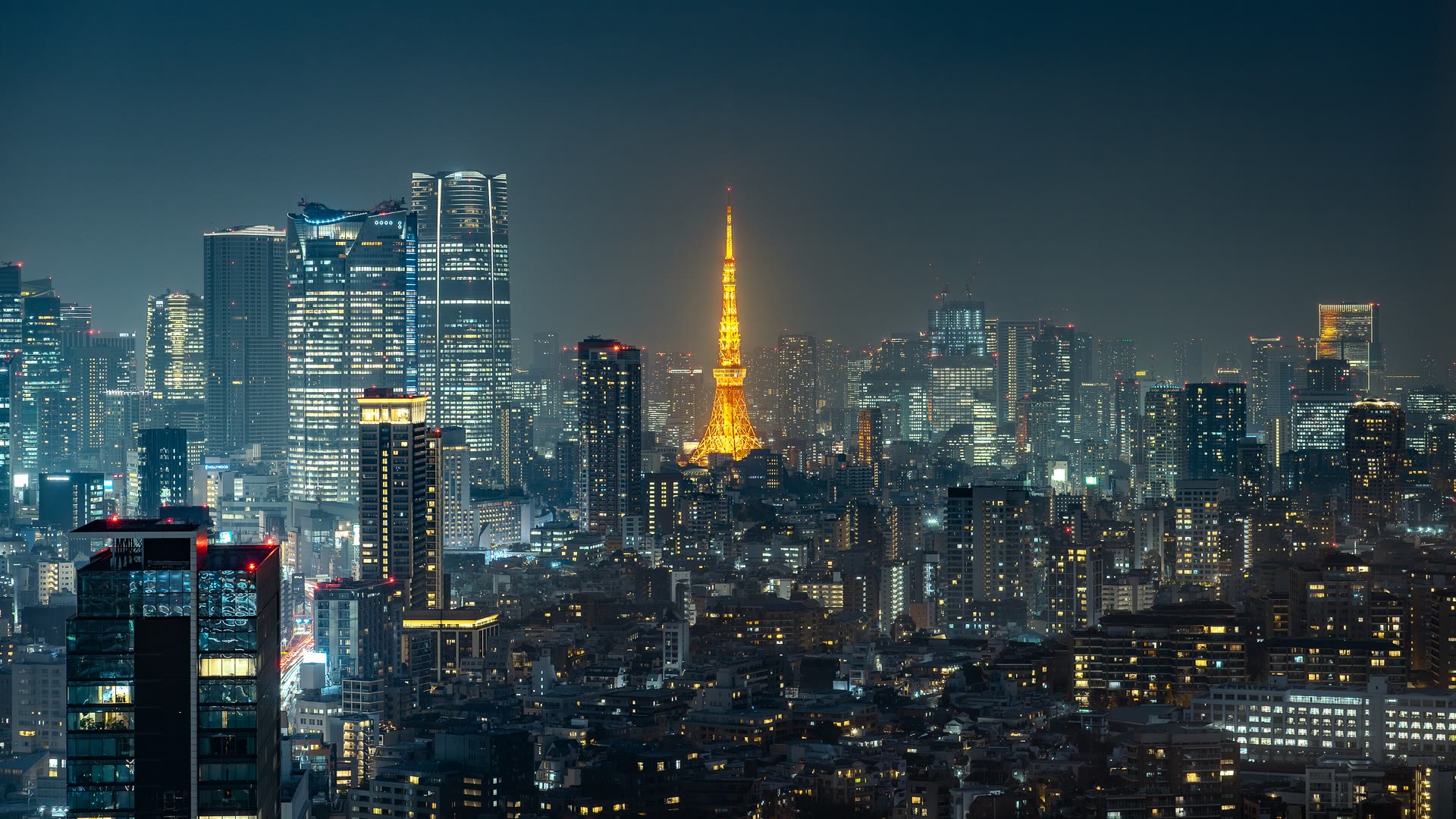
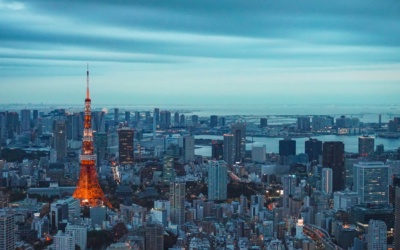
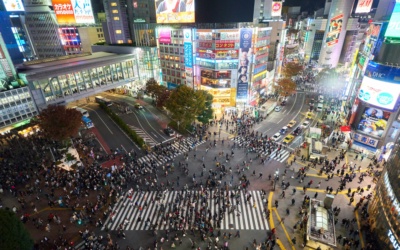
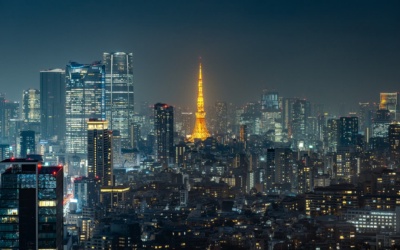
Tokyo is a city of controlled contradictions where ultramodern skyscrapers tower over wooden shrines, Michelin-starred restaurants sit beside steaming ramen stalls, and rush-hour silence on packed trains gives way to the neon-drenched chaos of Shibuya at night.
The first thing that strikes you about Tokyo is the sound of silence. Millions of people move through one of the world's densest cities with an almost eerie calm, queuing patiently for trains, whispering into phones, and navigating sidewalks without so much as a shoulder bump. Then you turn a corner into Kabukicho and the sensory overload hits: towering LED screens, pachinko parlor jingles, touts calling from izakaya doorways. This duality defines Tokyo more than any single landmark ever could.
Tokyo is not one city but dozens of villages stitched together, each with its own personality. Shimokitazawa feels like a bohemian college town. Ginza channels Parisian luxury. Yanaka preserves the wooden-house atmosphere of pre-war Tokyo. The Yamanote Line, the circular rail loop connecting major hubs, is your thread through this labyrinth, and learning to read the city by its train stations is the single most useful skill you can develop here.
This is a city built for obsessives. You can spend an entire afternoon in a seven-floor stationery store, eat at a restaurant that has served nothing but eel for over a century, or visit a museum dedicated solely to parasites. Tokyo does not do things halfway, and neither should you. Come with curiosity, comfortable shoes, and a charged Suica card, and you will leave fundamentally changed.
Orientation and Neighborhoods
Tokyo sprawls across the Kanto Plain with no obvious center, but the JR Yamanote Line creates a rough loop that contains most of what visitors care about. Think of it as a clock face with major stations as reference points.
Shinjuku
One of the busiest stations in the world anchors a neighborhood split in two: the west side is corporate skyscrapers and the Tokyo Metropolitan Government Building (free observation deck), while the east side descends into the neon labyrinth of Kabukicho and the intimate Golden Gai bar district. Ideal base for first-timers thanks to unmatched train access.
Shibuya and Harajuku
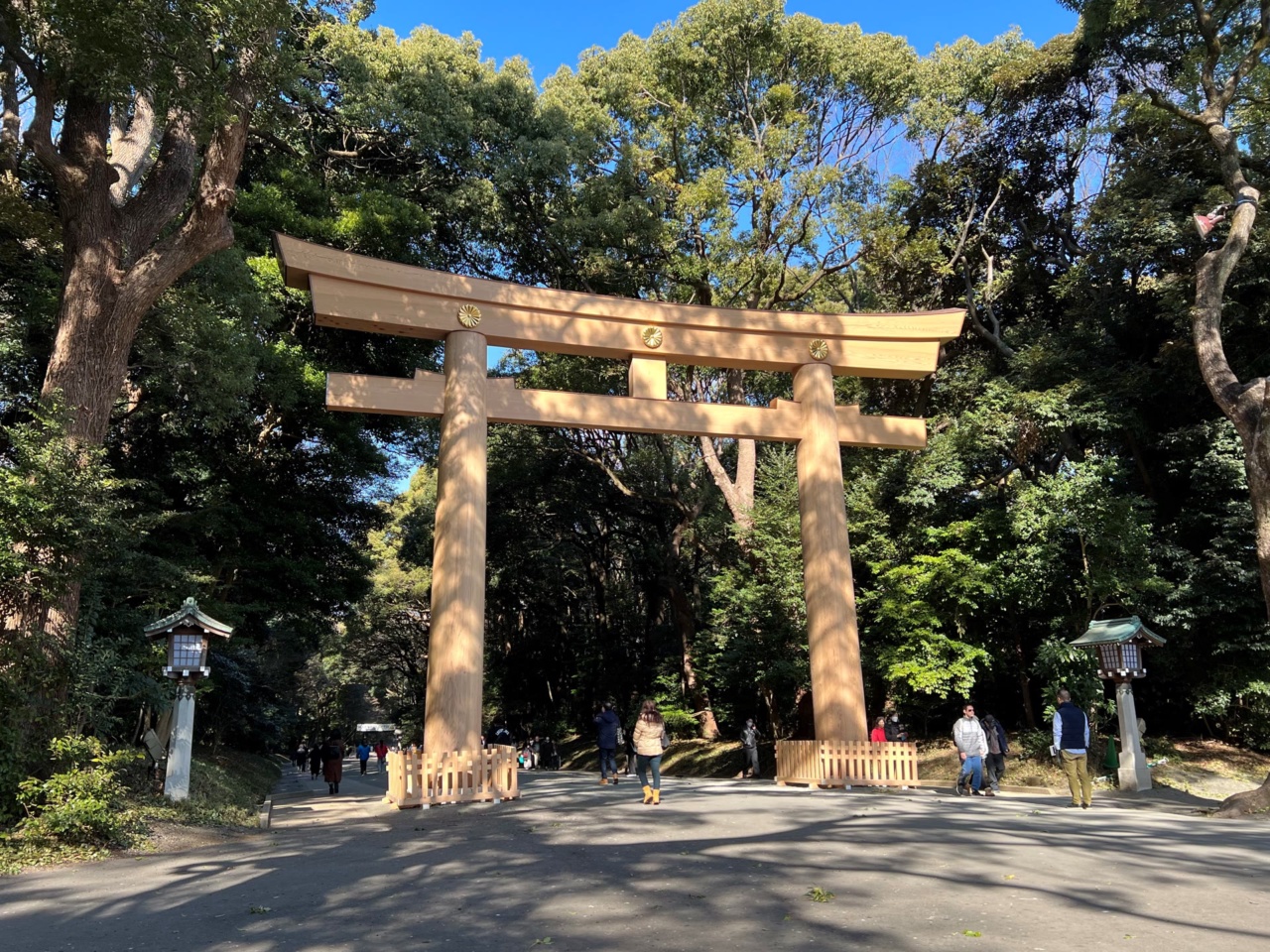
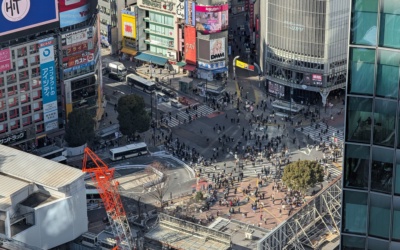
Shibuya is youth culture ground zero, home to the famous scramble crossing and vertical shopping. Walk ten minutes north and you hit Harajuku, where Takeshita Street's candy-colored chaos sits steps from the forested serenity of Meiji Shrine. Great for shopping and street photography.
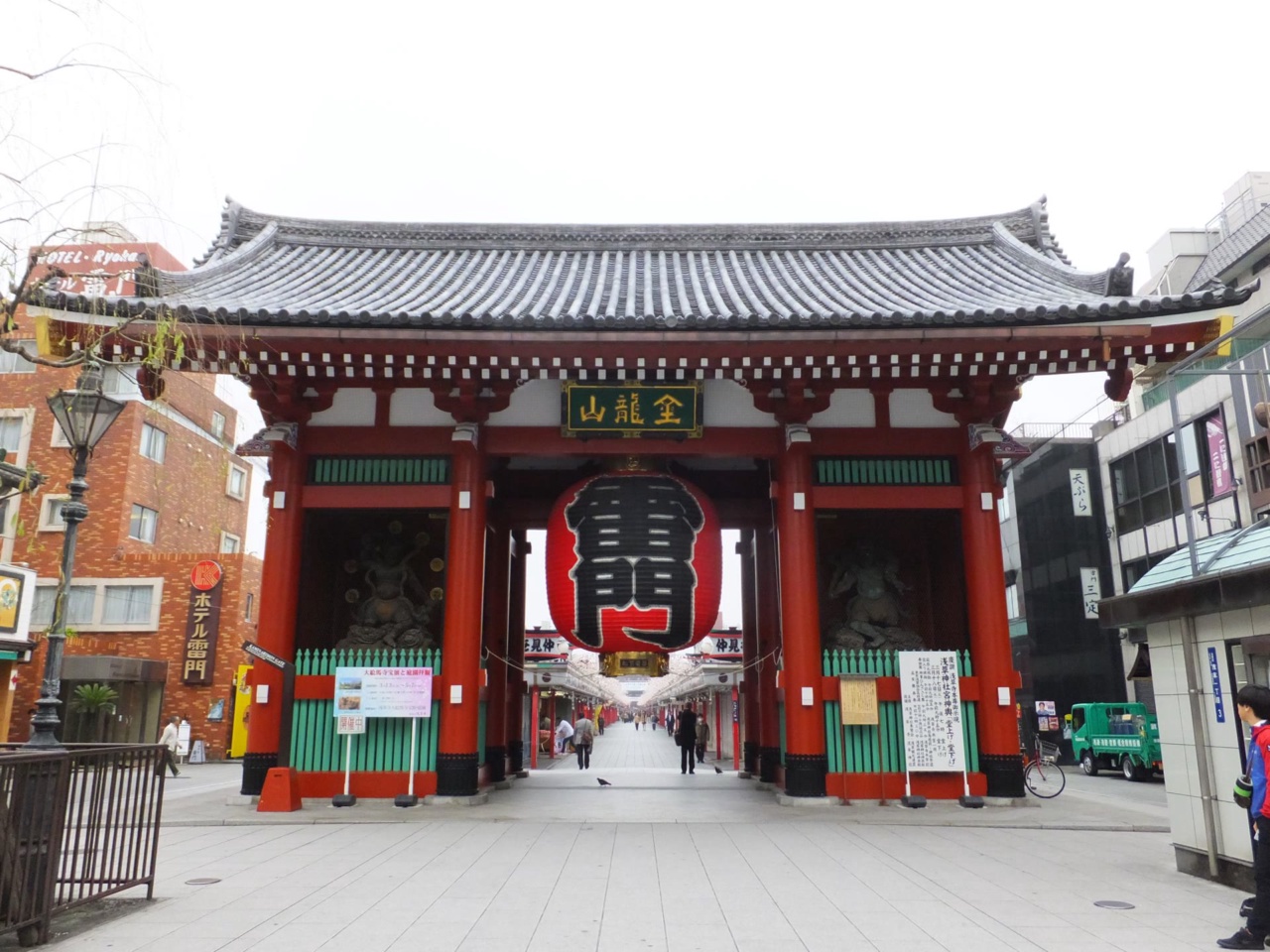
Old Tokyo lives here. Senso-ji temple, Nakamise shopping street, and the Sumida River waterfront give this area a distinctly traditional feel. Budget accommodation is plentiful, and it connects easily to Akihabara and Ueno. The trade-off is that it is farther from Shibuya and Shinjuku.
Ginza and Marunouchi
Tokyo's luxury corridor. Ginza has flagship stores for every major brand, high-end sushi counters, and elegant galleries. Marunouchi, adjacent to Tokyo Station, is the business district with surprisingly good dining in its underground passages. Best for upscale travelers.
Roppongi and Akasaka
Roppongi has shed some of its party-district reputation and now anchors a serious art triangle (Mori Art Museum, National Art Center, Suntory Museum). Still the go-to area for late-night bars and international dining. Families should note it gets rowdy after dark.
Shimokitazawa and Koenji
West of Shibuya, these neighborhoods attract vintage shoppers, indie music fans, and anyone who wants to experience Tokyo's local, lived-in side. Excellent cafes and small live-music venues. A refreshing change from the tourist circuit.
Ueno and Yanaka
Ueno Park houses Tokyo's best cluster of museums, a zoo, and Shinobazu Pond. Adjacent Yanaka is one of the few neighborhoods that survived wartime bombing, offering a rare glimpse of old Edo-era streetscapes. Perfect for a slow, contemplative morning.
Things to Do
Offers are only loaded from GetYourGuide after you click. GetYourGuide can then process your IP address and set cookies. Privacy Policy
GetYourGuide partner offers. GoAsia may earn a commission if you book through these offers. Check whether tickets or transfers are included, and follow the attraction's official booking and admission rules.
Best Time to Visit
Tokyo is a year-round destination, but the season you choose dramatically shapes your experience.
Season
Months
Weather
Crowds
Prices
Cherry Blossom
Late Mar - Mid Apr
Mild
Very High
High
Late Spring
Mid Apr - May
Warm, pleasant
Moderate
Moderate
Rainy Season
Jun - Mid Jul
Humid, frequent rain
Low
Low
Summer
Mid Jul - Sep
Hot, humid
Moderate
Moderate
Autumn
Oct - Nov
Crisp
Moderate-High
Moderate
Winter
Dec - Feb
Cold, dry, sunny
Low (except New Year)
Low
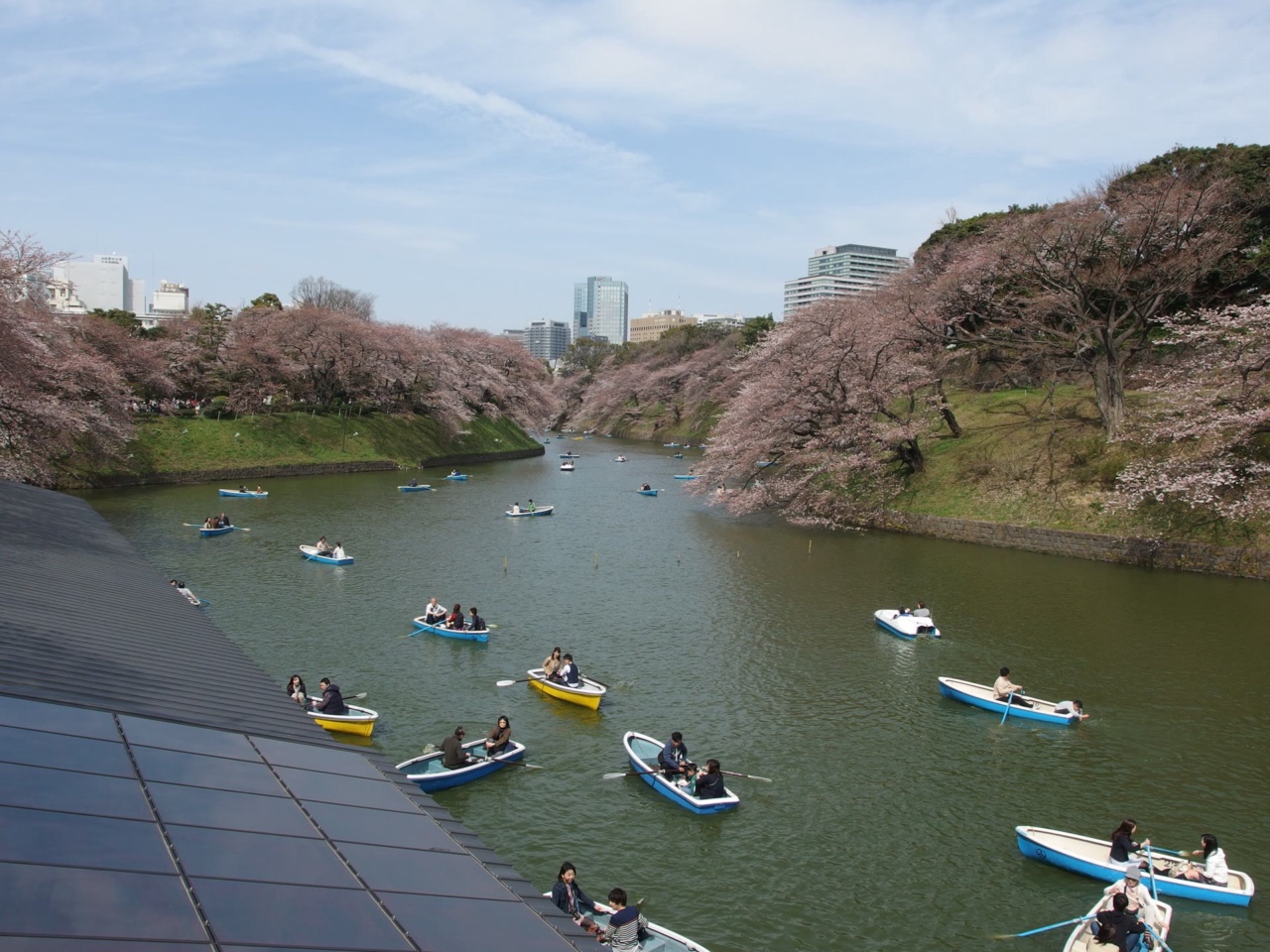
Tokyo's monthly mean temperature ranges from 5.4 C in January to 26.9 C in August, with 18.0 C in October and 12.5 C in November (1991 to 2020 averages).[1] Cherry blossom season is magical but punishing: hotels book months ahead, prices spike, and every park is shoulder-to-shoulder. Late November offers equally stunning autumn foliage with half the crowds. Winter is underrated: crisp blue skies, clear views of Mt. Fuji from the city, and illumination festivals across major districts. Summer is genuinely brutal, with oppressive humidity that makes extended walking miserable, though it does bring lively matsuri (festivals) including the spectacular fireworks over the Sumida River.
Tokyo has two airports. Narita International Airport sits east of the city and serves most international flights. The fastest Narita Express train reaches Tokyo Station in 53 minutes,[2] and a one-way ticket in an ordinary car costs 3,140 yen (about $20).[3] The Keisei Skyliner takes about 40 minutes to Keisei-Ueno and costs 2,580 yen (about $16),[4] while the budget-friendly Keisei Access Express costs 1,290 yen (about $8) to Asakusa.[5] Haneda Airport is much closer to the center and increasingly handles international routes. The Tokyo Monorail takes 13 minutes to Hamamatsucho and costs 520 yen (about $3),[6] and the Keikyu Line takes 11 minutes from Terminal 3 to Shinagawa (14 minutes from Terminals 1 and 2).[7] Always check which airport your flight uses before booking accommodation.
Tokyo's rail network is the circulatory system of the city. The JR Yamanote Line, Tokyo Metro (nine lines),[8] and the Toei Subway cover virtually everywhere a tourist needs to go. Buy a Suica or Pasmo IC card at any station and load it with cash; it works on all trains, buses, and even convenience stores. A single Tokyo Metro ride costs between 180 and 330 yen (about $1 to $2) depending on distance.[9]
The Japan Rail Pass is worth considering only if you are making multiple bullet train trips outside Tokyo. For city-only travel, a 24-hour Tokyo Metro ticket costs 700 yen (about $4),[8] and the Tokyo Subway Ticket, which also covers the Toei lines, costs 1,000 yen (about $6) for 24 hours.[10] Taxis are everywhere and metered. In the 23 wards the initial fare is 500 yen (about $3) for the first kilometer, followed by 100 yen for every additional 232 meters, with a 20 percent surcharge from 22:00 to 05:00.[11] Taxis are most useful late at night when the trains stop running. For more detailed transport options and route planning, GoAsia.cc has comprehensive guides covering Japan's rail systems.
Tokyo is extremely walkable within neighborhoods but not between them. Plan to walk extensively within Shibuya, Asakusa, or Shinjuku, but use trains to jump between areas. Cycling is increasingly popular, with several bike-share systems available.
Top Sights and Experiences
Must-See Attractions
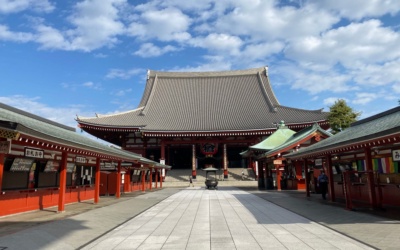
Senso-ji Temple (Asakusa): Tokyo's oldest temple delivers the quintessential photo op with its massive red lantern at Kaminarimon Gate. Arrive before 7 AM to have the grounds nearly to yourself, then browse Nakamise shopping street as it opens. Allow 1-2 hours.
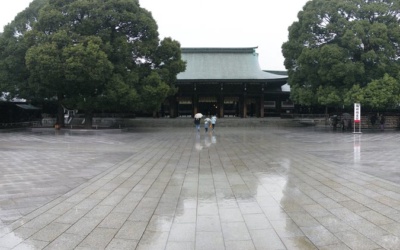
Meiji Shrine (Harajuku): A forested sanctuary in the heart of the city, dedicated to Emperor Meiji. The gravel approach through towering torii gates is meditative and powerful. Entry is free, and the shrine is open every day from sunrise to sunset.[12] Combine with a walk through Yoyogi Park, especially on Sundays when you might catch cosplay gatherings or rockabilly dancers. Allow 1-1.5 hours.
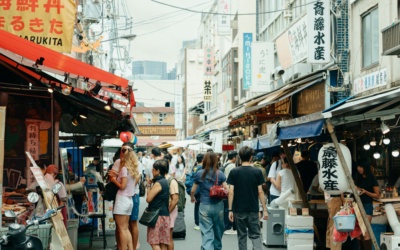
Tsukiji Outer Market: The inner wholesale market moved to Toyosu, but the outer market remains a vibrant maze of food stalls and kitchen supply shops. Come hungry around 9-10 AM for fresh tamagoyaki (rolled omelet), grilled seafood skewers, and the freshest sushi you will ever eat standing up. Allow 1.5-2 hours.
Toyosu Fish Market: The tuna auction can only be watched from the observation deck after an advance application, and places are drawn by lottery; applicants who are not chosen can watch from the Visitor's Walkway on the second floor.[13] The market itself is modern and somewhat sterile compared to old Tsukiji, but the sushi restaurants here are outstanding. Go early morning.
TeamLab Borderless/Planets: These immersive digital art installations are genuinely spectacular and unlike anything else in the world. Book tickets online well in advance as they sell out. TeamLab Planets in Toyosu is the more physically immersive experience (you walk through water), with adult tickets at 3,800 yen (about $24) and an announced run until the end of 2027.[14] TeamLab Borderless in Azabudai Hills is open permanently, with adult tickets listed from about 3,400 yen (about $21).[15] Allow 2-3 hours for either.
Shinjuku Gyoen National Garden: The finest garden in central Tokyo, blending Japanese, English, and French landscape styles across 58.3 hectares. Entry is 500 yen (about $3) for adults, and alcohol is not allowed, which keeps it peaceful.[16] Stunning during cherry blossom season and autumn. Allow 1.5-2 hours.
Akihabara: Electric Town has evolved from pure electronics to anime, manga, and gaming culture. Multi-floor arcades, maid cafes, and shops selling every conceivable collectible make this a sensory overload. Even non-fans find it fascinating as cultural anthropology. Allow 2-3 hours.
Hidden Gems
Yanaka Cemetery and neighborhood: A sprawling, atmospheric cemetery surrounded by traditional craft shops, old-school kissaten (coffee houses), and cat-friendly alleyways. The antithesis of neon Tokyo.
Shimokitazawa: Tokyo's best vintage shopping, tiny curry restaurants, and independent theaters. Feels like a different city entirely. Best explored on a weekday afternoon.
Kagurazaka: A former geisha district that retains its narrow stone-paved alleyways, now filled with excellent French and Japanese restaurants. Walk the backstreets at dusk when lanterns glow outside hidden bars.
Gotokuji Temple: Known as the birthplace of the maneki-neko (beckoning cat), this temple displays thousands of cat figurines left as offerings. Photogenic, uncrowded, and a short detour from Shimokitazawa.
Overrated Attractions
Tokyo Skytree: At 634 meters it is impressive from the outside, but the Tembo Deck costs from 1,800 yen (about $11) for adults and the combination ticket with the Tembo Galleria from 3,000 yen (about $19),[17] and the views, while expansive, lack drama since Tokyo is flat and hazy. The free observation deck at the Tokyo Metropolitan Government Building in Shinjuku offers nearly identical views.
Samurai Restaurant (Shinjuku): The current operator lists a sound-and-light show featuring samurai, dancers, and robots, with three shows each day. Published total prices start at ¥8,000 for the first show and ¥10,000 for the later shows, including food or two drinks. Check the official show schedule before booking.
Harajuku's Takeshita Street: Worth a quick walk-through for the spectacle, but it is overwhelmingly crowded, aggressively commercial, and the crepe shops are nothing special. The real Harajuku experience is on the backstreets of Ura-Hara, one block over.
Food and Drink
Tokyo holds more Michelin stars than any other city on Earth,[18] but its real genius is that a $7 bowl of ramen from a six-seat counter can be just as transcendent as a $300 kaiseki dinner. The city's food culture is built on specialization: the best restaurants often do one thing and one thing only, perfected over decades.
Signature Dishes
Dish
Description
Where to Try
Typical Price
Ramen
Wheat noodles in rich broth (tonkotsu, shoyu, miso, or shio styles)
Ramen streets in Tokyo Station or Shinjuku
$7-12
Sushi (Edomae)
Tokyo-style nigiri with vinegared rice and fresh fish, often served at counters
Tsukiji Outer Market or Ginza omakase counters
$15-50 (casual) / $150-400 (omakase)
Tonkatsu
Thick, panko-breaded deep-fried pork cutlet served with shredded cabbage
Dedicated tonkatsu shops in Shinjuku or Takadanobaba
$10-18
Yakitori
Grilled chicken skewers (every part of the bird), served at smoky counters
Under the tracks at Yurakucho or in Ebisu alleyways
$1-3 per skewer
Tempura
Lightly battered, perfectly fried seafood and vegetables
Specialty tempura counters in Nihonbashi or Asakusa
$15-40 (lunch set)
Monjayaki
Tokyo's answer to Osaka's okonomiyaki, a runny savory pancake griddled at your table
Monja Street in Tsukishima
$8-15
Curry Rice
Japanese-style curry, thick and mildly sweet, served over rice
Chain shops everywhere or specialty curry houses in Shimokitazawa
$5-10
Eating Strategy
For breakfast, skip the hotel and visit a convenience store. This is not a compromise: Japanese konbini (7-Eleven, Lawson, FamilyMart) stock onigiri, egg sandwiches, and fresh pastries that are genuinely excellent and cost $1-3. Many travelers eat their best egg salad sandwich ever at a Tokyo 7-Eleven.
Lunch is when Tokyo's best restaurants offer their most accessible prices. High-end sushi counters, tempura bars, and tonkatsu shops often serve lunch sets at half or a third of their dinner prices. Target lunch for your splurge meals.
For dinner, head to any major station's underground restaurant floors (called depachika in department store basements). Tokyo Station's Ramen Street and the restaurant floors beneath Shinjuku Station are reliable. Alternatively, pick an izakaya (Japanese pub) and order a spread of small plates with beer or highballs. Budget around $15-25 per person for a satisfying izakaya dinner with drinks.
Street food is less prominent than in Southeast Asian cities, but festival stalls and market areas like Tsukiji Outer Market, Ameyoko Market near Ueno, and Yanaka Ginza shopping street offer excellent grazing opportunities.
Where to Stay
Budget (Under $60 per night)
Tokyo has excellent capsule hotels, which have evolved far beyond their salary-man origins into stylish, comfortable pods with privacy screens, USB charging, and shared lounges. Expect to pay $25-50 per night. Hostels in Asakusa and Kuramae offer dorm beds for $20-35 and private rooms for $50-70. Business hotels near major stations provide compact but immaculate private rooms for $50-70.
Mid-Range ($80-180 per night)
This bracket unlocks excellent business hotels with larger rooms, often including onsen-style baths. Areas around Shinjuku, Ikebukuro, and Shinagawa offer the best value. Many travelers find that a well-located mid-range hotel near a Yamanote Line station is the sweet spot, saving hours of commuting time that translates into more sightseeing.
Upscale ($200+ per night)
Tokyo's luxury hotels are world-class. The Park Hyatt (yes, the Lost in Translation hotel) in Shinjuku, the Aman Tokyo near Tokyo Station, and the Palace Hotel overlooking the Imperial Palace gardens set the standard. For a uniquely Japanese experience, ryokan (traditional inns) exist even within Tokyo, offering tatami rooms, kaiseki dinners, and onsen baths, though the best ryokan experiences are found on day trips to Hakone.
Unique Options
Temple lodging (shukubo) is available at several temples in Tokyo, offering a minimalist experience with vegetarian meals and optional morning meditation. Apartment rentals are legal in designated buildings and offer kitchen access, which is useful for longer stays.
Practical Tips
Tokyo is one of the safest major cities in the world. Violent crime against tourists is virtually nonexistent, and you can walk anywhere at any hour. Lost wallets are routinely turned in to police boxes (koban) with cash intact.
Cash is still king. While credit card acceptance has improved significantly, many small restaurants, market stalls, and some train ticket machines only take cash. Carry at least $50-100 equivalent in yen daily. 7-Eleven ATMs reliably accept international cards with no drama.
Tipping does not exist. Do not tip at restaurants, hotels, or taxis. It can cause confusion or even offense.
Get a SIM card or eSIM. Pocket Wi-Fi rental is available at both airports for around $4-8 per day. eSIMs from providers can be activated before you land. Connectivity is essential for Google Maps navigation.
English is limited but improving. Train signage is bilingual and Google Translate's camera function handles menus well. Learn a few phrases: sumimasen (excuse me), arigatou gozaimasu (thank you), and kore kudasai (this one please) will serve you well.
Trash cans barely exist. Japan expects you to carry your trash home. You will find bins at convenience stores and train stations but rarely on the street. Carry a small bag.
Shoes come off frequently. Temples, some restaurants, fitting rooms, and all traditional accommodations require removing shoes. Wear slip-on footwear and presentable socks.
Tattoos can be problematic. Many onsen (hot spring baths) and public pools still prohibit visible tattoos. Some offer private baths or tattoo-cover stickers. Check policies before visiting.
Quiet on trains. Phone calls on trains are considered extremely rude. Keep conversations low and set your phone to silent (manner mode).
Day Trips
Kamakura (1 hour south)
The Great Buddha, dozens of atmospheric temples, and excellent hiking trails connecting shrines through forested hills make Kamakura a perfect day escape. Take the JR Yokosuka Line from Tokyo Station, which takes about an hour.[19] Start at Kita-Kamakura Station, hike to Zeniarai Benten shrine, then work your way to the Great Buddha and finish at Hase-dera temple. The beach area is pleasant in summer but unremarkable. Absolutely worth a full day.
Nikko (2 hours north)
The ornate Toshogu Shrine, a UNESCO World Heritage site, is Japan's most elaborately decorated shrine complex, a riot of gold leaf and carved dragons that stands in stark contrast to typical Japanese minimalism. The surrounding cedar forests and Kegon Falls add natural beauty. The Tobu Railway limited express from Asakusa is the most convenient option and takes about 1 hour 50 minutes.[20] Worth a full day, or overnight if you want to explore the lake area.
Hakone (1.5 hours southwest)
Hot spring resort town with views of Mt. Fuji (weather permitting), open-air museums, and a scenic loop route involving trains, cable cars, a pirate ship, and buses. The Hakone Freepass (7,100 yen, about $45, for 2 days from Shinjuku) covers most transport.[21] Excellent for an overnight stay at a ryokan with private onsen. The Fuji views are genuinely weather-dependent; check forecasts before going specifically for the mountain.
Yokohama (30 minutes south)
Japan's second-largest city has a distinct port-town atmosphere, an excellent Chinatown (Japan's largest), the Cup Noodles Museum (surprisingly fun and interactive), and the Sankeien Garden. Easy to combine with a half-day or pair with Kamakura. Honestly, if time is limited, Kamakura is the better choice.
Mt. Fuji Area (2-2.5 hours west)
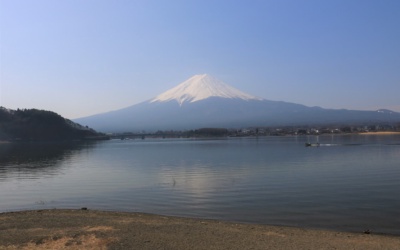
The Fuji Five Lakes region, particularly Kawaguchiko, offers iconic views of the mountain reflected in still water. The climbing season runs from early July to early September; in 2026 the Yoshida Trail was open from 1 July to 10 September.[22] For non-climbers, the Chureito Pagoda viewpoint and lakeside cycling are rewarding. Direct highway buses from Shinjuku Bus Terminal are the most practical transport, taking about 1 hour 45 minutes with fares from 2,000 yen (about $13) when booked online.[23]
Sample 3-Day Itinerary
Day 1: East Tokyo and Tradition
Morning: Start early at Senso-ji Temple in Asakusa (arrive by 7 AM for empty grounds). Walk Nakamise Street as shops open. Cross the Sumida River for skyline views with Tokyo Skytree in the background.
Afternoon: Take the Ginza Line to Ueno. Explore the Tokyo National Museum (Japan's largest collection of art and antiquities, allow 2 hours). Walk through Ueno Park and into the Yanaka neighborhood for old-Tokyo atmosphere and a late lunch at a local kissaten.
Evening: Head to Akihabara for sensory overload in the arcades and electronics shops. Dinner at an izakaya under the Yurakucho tracks near Ginza, where tiny yakitori stalls serve office workers and travelers alike.
Day 2: West Tokyo and Modernity
Morning: Begin at Meiji Shrine in Harajuku (opens at sunrise). Walk through Yoyogi Park, then explore the backstreets of Ura-Harajuku for independent boutiques and cafes. Quick walk through Takeshita Street for the spectacle.
Afternoon: Walk or take one stop to Shibuya. Cross the scramble crossing, then head up to Shibuya Sky observation deck for the best aerial view in Tokyo; same-day counter tickets for adults cost 3,000 yen (about $19) before 15:00 and 3,700 yen (about $23) afterwards.[24] Browse the shops of Shibuya Center-gai or take the Inokashira Line two stops to Shimokitazawa for vintage shopping and curry lunch.
Evening: Head to Shinjuku. Visit the free observation deck at the Tokyo Metropolitan Government Building at sunset. Explore the tiny bars of Golden Gai (most charge a small cover for non-regulars but the atmosphere is unmatched). Dinner at a ramen shop in the Shinjuku station area.
Day 3: Markets, Art, and Nightlife
Morning: Early start at Tsukiji Outer Market for a sushi breakfast and market grazing. Walk to the Hama-rikyu Gardens (beautiful tidal garden with a teahouse on a pond, entry 300 yen, about $2).[25]
Afternoon: Head to the Mori Art Museum on the 53rd floor of Roppongi Hills Mori Tower. Tokyo City View is a separate indoor observation deck on the 52nd floor with separate ticketing.[26] The museum can close during exhibition changeovers, so check the current hours, exhibition schedule, and tickets on the official Visit Us page before going. Alternatively, visit TeamLab Planets in Toyosu if you booked tickets in advance.
Evening: Return to your favorite neighborhood for a final dinner. Splurge on an omakase sushi counter if budget allows, or find a lively izakaya in Ebisu or Nakameguro for a relaxed farewell meal along the canal.
Budget Overview
Category
Budget
Mid-Range
Comfort
Accommodation
$30-50
$100-150
$250-400
Food
$20-30
$40-70
$100-200
Transport
$8-12
$12-20
$25-50
Activities
$5-10
$20-40
$50-100
Daily Total
$65-100
$175-280
$425-750
Tokyo has a reputation for being expensive, but budget travelers can manage comfortably on $70-100 per day by staying in capsule hotels or hostels, eating at convenience stores and ramen shops, and taking advantage of free shrines, parks, and neighborhood walks. The mid-range sweet spot, around $200 per day, unlocks a comfortable hotel, good restaurant meals, and all major attractions without stress. The comfort tier is essentially unlimited: Tokyo can absorb as much money as you want to spend, particularly on food.
Frequently Asked Questions
Is Tokyo worth visiting?
Absolutely. Tokyo is one of the most unique cities on the planet, offering a combination of traditional culture, cutting-edge technology, world-class food, and impeccable safety that no other city matches. Even seasoned travelers consistently rank it among their top destinations. It is especially rewarding for food lovers, culture enthusiasts, and anyone fascinated by how a megacity can function with such precision and grace.
How many days do you need in Tokyo?
A minimum of three full days lets you cover the major highlights across different neighborhoods. Five days is the sweet spot, giving you time to explore at a relaxed pace, take a day trip to Kamakura or Hakone, and revisit favorite areas. You could easily spend two weeks and still discover new things, but most first-time visitors find 4-5 days satisfying.
Is Tokyo safe for tourists?
Tokyo is exceptionally safe, consistently ranking among the safest major cities globally. Violent crime against tourists is virtually unheard of, and petty theft is rare. Women can walk alone at night without concern in most areas. The main risks are overdrinking in nightlife districts and the occasional drink-spiking scam in Roppongi bars that aggressively tout for foreign customers.
What food is Tokyo famous for?
Tokyo is the world capital of ramen, sushi (specifically Edomae-style nigiri), and holds more Michelin stars than any other city. Signature dishes include tonkatsu, yakitori, tempura, and monjayaki. The real magic is that incredible food exists at every price point, from $1 convenience store onigiri to $300 omakase dinners.
Is Tokyo expensive?
Tokyo's reputation for being expensive is somewhat outdated. Budget travelers can manage on $70-100 per day using capsule hotels, convenience store meals, and free attractions. Mid-range travelers spend around $175-250 per day comfortably. Compared to cities like London, New York, or Sydney, Tokyo offers remarkable value, especially for food quality relative to price.
Can you drink tap water in Tokyo?
Yes, Tokyo's tap water is perfectly safe and high quality. You can drink it straight from the faucet anywhere in the city. Carry a reusable bottle and refill it freely, which is especially useful since vending machines and convenience stores are the main alternatives.
Do I need a visa to visit Tokyo?
Citizens of most Western countries, Southeast Asian nations, and many others receive visa-free entry to Japan for stays of 15 to 90 days depending on nationality. Check with your nearest Japanese embassy for your specific passport. Upon arrival, you will receive a temporary visitor stamp that does not permit employment.
How do I get from the airport to central Tokyo?
From Narita Airport, the fastest Narita Express train reaches Tokyo Station in 53 minutes for 3,140 yen (about $20), and the Keisei Access Express to Asakusa costs 1,290 yen (about $8). From Haneda Airport, the Tokyo Monorail reaches Hamamatsucho in 13 minutes for 520 yen (about $3), and the Keikyu Line reaches Shinagawa in 11 minutes from Terminal 3. Haneda is significantly more convenient if you have a choice of airports.
Is English widely spoken in Tokyo?
English proficiency is limited but improving, particularly in tourist areas, hotels, and major train stations where signage is bilingual. Most restaurant staff speak minimal English, but picture menus and Google Translate's camera feature bridge the gap effectively. Learning basic Japanese phrases like sumimasen and arigatou gozaimasu goes a long way and is appreciated.
What is the best neighborhood to stay in Tokyo?
Shinjuku is the top choice for first-time visitors due to its unmatched train connectivity, huge range of hotels at every budget, and vibrant nightlife. Asakusa is ideal for budget travelers and those wanting a traditional atmosphere. Shibuya suits younger travelers focused on shopping and pop culture. Ginza and Marunouchi are best for luxury stays near Tokyo Station, which is convenient for bullet train day trips.
Sources and background
Numbers in the text such as [1] refer to these sources.