Sources and background
Numbers in the text such as [1] refer to these sources.
- [1] Japan National Tourism Organization: Minoo Park. Retrieved October 17, 2026.

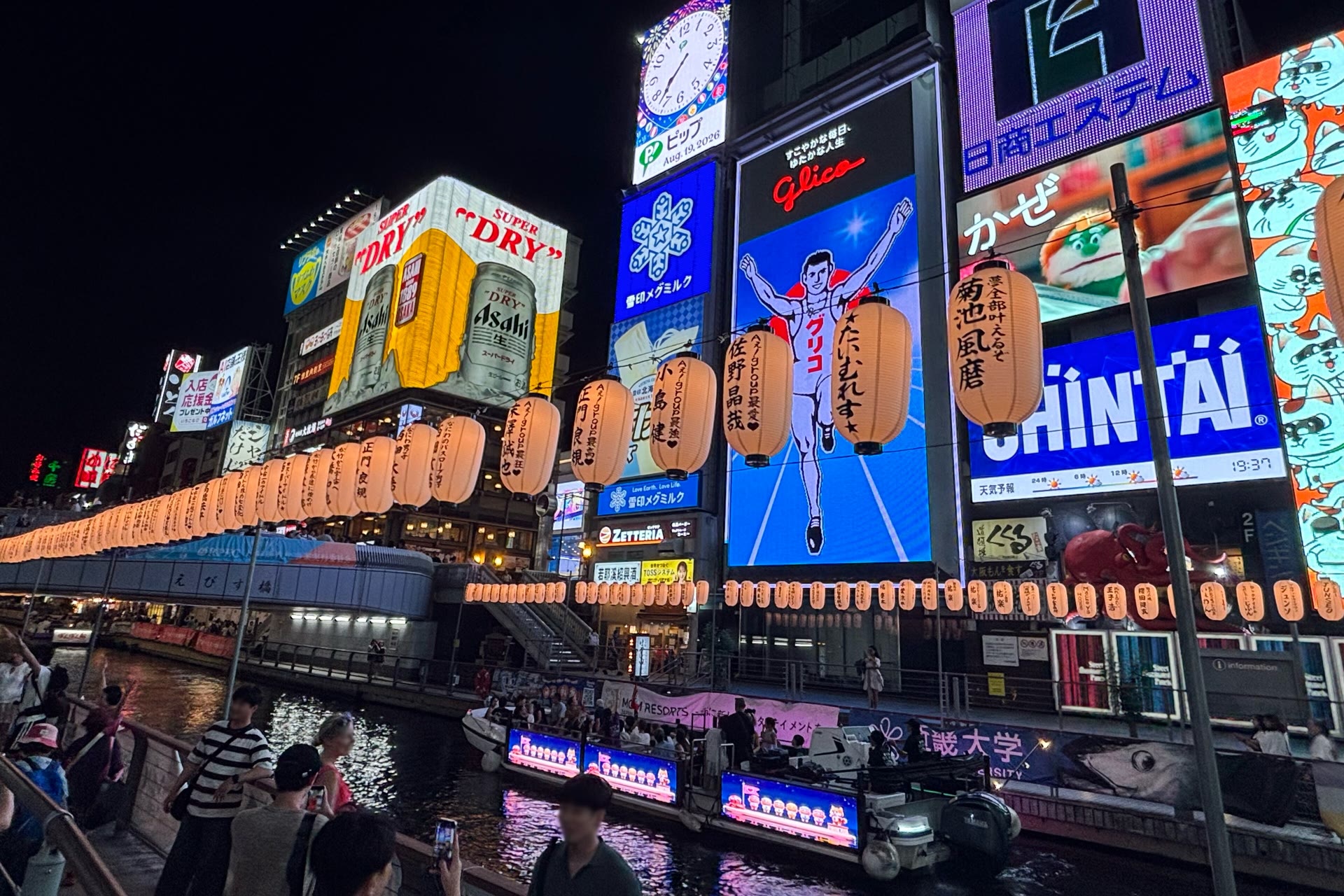
Photo: Sakai Yayoi / Wikimedia Commons, CC0
Best months: March to May and November and December
The neon glare of Dotonbori's giant mechanical crab, the sizzle of okonomiyaki on a hot griddle at midnight, the roar of a crowd at a Hanshin Tigers game - Osaka announces itself through noise, flavor, and unfiltered energy. This is a city where strangers strike up conversations on the subway, where shopkeepers crack jokes with customers, and where the local greeting is not "how are you" but "have you eaten?" The culture here is built around kuidaore - eating until you drop - and it is not a metaphor.
Japan's third-largest city sits at the heart of the Kansai region, serving as a perfect base for exploring Kyoto, Nara, and Kobe, all within 30 to 60 minutes by train. But Osaka deserves far more than a day trip. Its castle grounds, vibrant nightlife, world-class aquarium, and labyrinthine shopping arcades can fill four or five days easily. Solo travelers, couples, families, and food obsessives all find their groove here.
Osaka also happens to be significantly cheaper than Tokyo for accommodation and dining, with a local culture that feels more relaxed and approachable. The Osakan dialect, known as Osaka-ben, is famously comedic - the city has produced most of Japan's top comedians - and that irreverent humor permeates daily life. Expect to laugh, eat more than you planned, and leave a few pounds heavier.
Osaka sprawls across a flat river delta, but the areas tourists care about cluster around two poles: Kita (the north, centered on Umeda and Osaka Station) and Minami (the south, centered on Namba and Shinsaibashi). A single subway ride of about 10 minutes connects them, and understanding this north-south axis is the key to navigating the city.
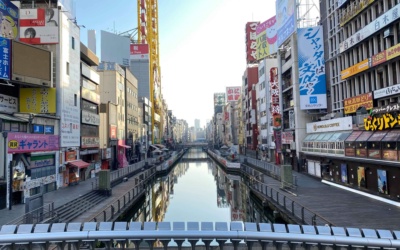
The beating heart of tourist Osaka. Dotonbori canal is lined with garish signage, street food stalls, and restaurants stacked five stories high. Shinsaibashi-suji, a covered shopping arcade stretching north from Namba, is one of Japan's longest. This is where you want to be for nightlife, eating, and people-watching. Accommodation ranges from capsule hotels to upscale boutique stays.
The business and shopping district around Osaka and Umeda stations feels more polished and less chaotic than Minami. The Umeda Sky Building offers panoramic views, and the underground shopping labyrinths here are staggering in scale. Stay here if you prefer a calmer base with excellent train connections, including the shinkansen from Shin-Osaka (one stop north).
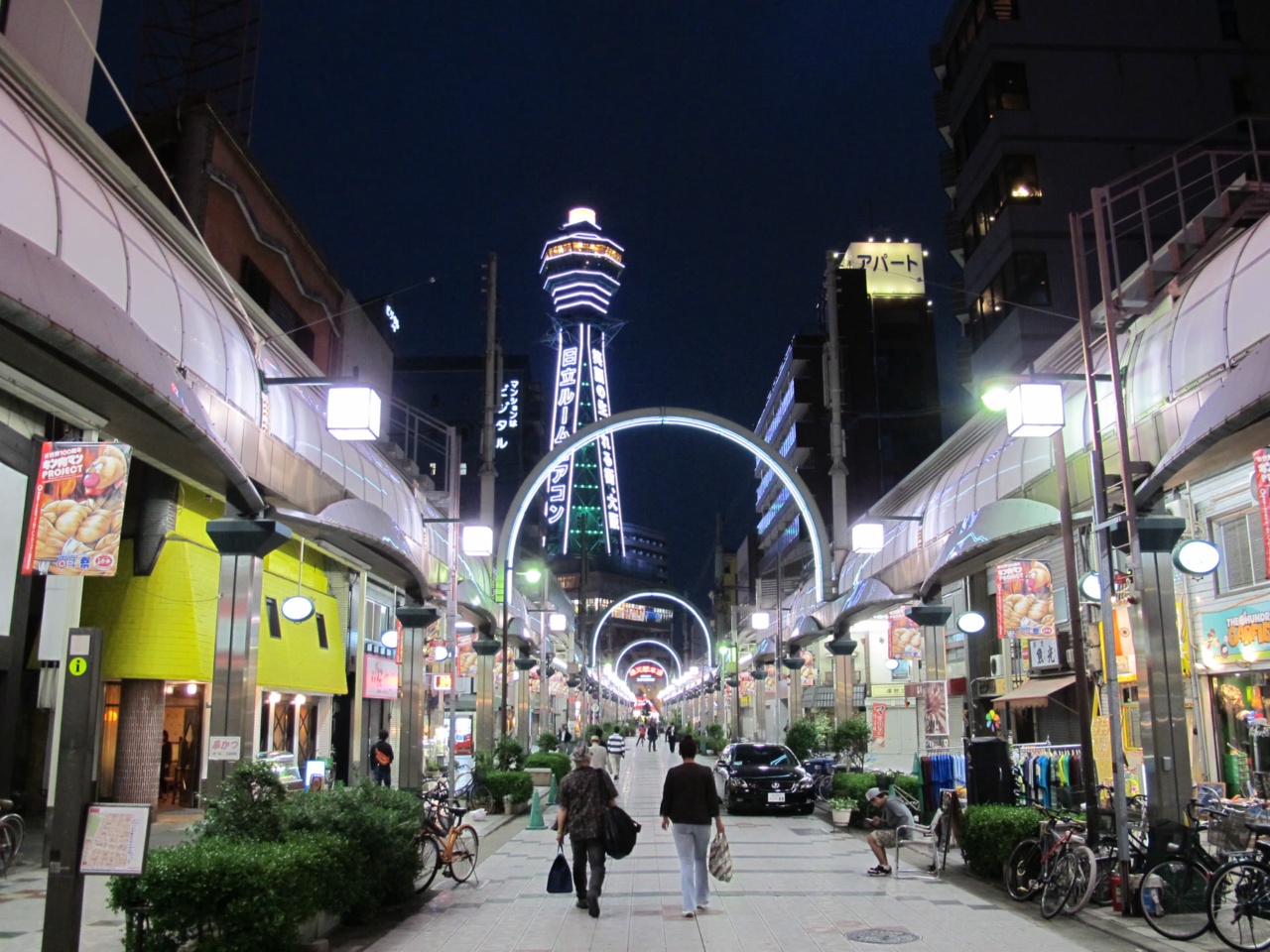
A retro neighborhood south of Tennoji that feels frozen in the mid-twentieth century. The Tsutenkaku Tower presides over streets packed with kushikatsu restaurants, cheap izakayas, and a slightly rough-around-the-edges charm. It is grittier than other tourist areas but completely safe during the day and a fantastic place to eat on a budget.
Home to Abeno Harukas (Japan's tallest skyscraper), Shitennoji Temple, and Tennoji Park with its surprisingly lovely Japanese garden. This area has seen rapid development and offers good-value accommodation with direct subway access to Namba in about six minutes.
The waterfront district houses Universal Studios Japan, the Osaka Aquarium Kaiyukan, and the Tempozan Ferris Wheel. It is somewhat isolated from the city center - plan a full day here rather than trying to combine it with other sightseeing.
Historically a working-class neighborhood, this area around Shin-Imamiya Station has become a budget traveler magnet thanks to extremely cheap hostels and guesthouses. It borders Shinsekai and is a short walk to Tennoji. Some blocks feel rough, particularly late at night around the Airin district, but the tourist-facing parts are fine.
Offers are only loaded from GetYourGuide after you click. GetYourGuide can then process your IP address and set cookies. Privacy Policy
GetYourGuide partner offers. GoAsia may earn a commission if you book through these offers. Check whether tickets or transfers are included, and follow the attraction's official booking and admission rules.
Osaka has four distinct seasons, and each offers something different. The sweet spots are spring and autumn, but every season has its merits.
| Season | Months | Weather | Crowds | Prices |
|---|---|---|---|---|
| Spring | March - May | Mild, 10-22C. Cherry blossoms late March to mid-April | High (peak during cherry blossom) | High |
| Summer | June - August | Hot and humid, 25-35C. Rainy season June to mid-July | Moderate (except Obon in mid-August) | Moderate |
| Autumn | September - November | Pleasant, 12-25C. Fall foliage peaks in November | High in November | Moderate to High |
| Winter | December - February | Cool, 2-10C. Rarely snows. Dry and clear | Low (except New Year) | Low |
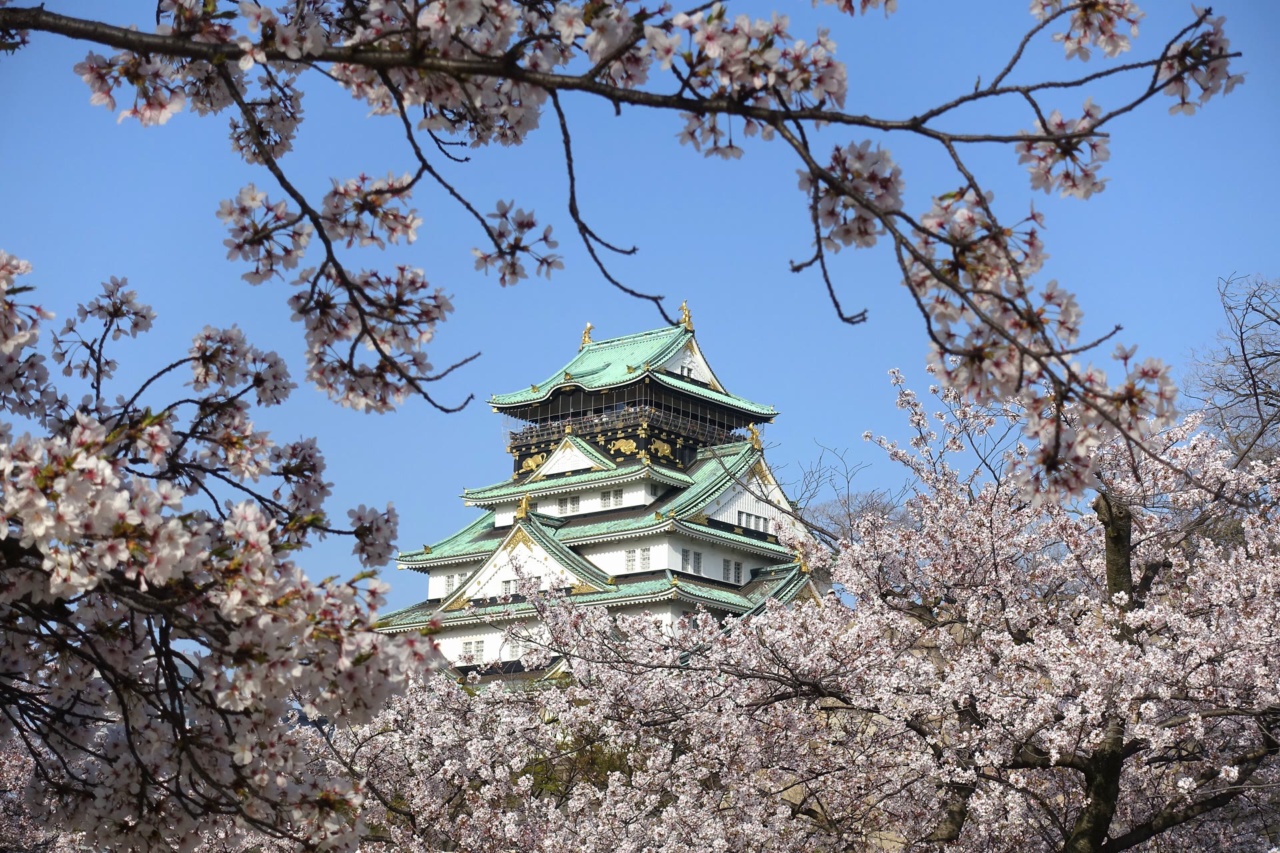
Cherry blossom season (late March to early April) transforms Osaka Castle Park and the Kema Sakuranomiya Park along the river into pink canopies. Book accommodation months in advance. Tenjin Matsuri in late July is one of Japan's three great festivals, with a river procession of illuminated boats and massive fireworks - the city is electric during this period. Autumn foliage at Minoo Park (a quick day trip) is spectacular in November. Winter is underrated: clear skies, no crowds, and seasonal street food like oden and hot amazake make it a cozy time to explore.
Kansai International Airport (KIX) sits on a man-made island in Osaka Bay, about 50 minutes south of the city center. The Nankai Rapi:t limited express reaches Namba Station in roughly 35 minutes for around $12. The JR Haruka express connects to Tennoji (35 minutes) and Shin-Osaka (50 minutes) for around $16 to $22 depending on reserved seating. Airport limousine buses serve various city hotels for approximately $14. A taxi will run $80 or more - skip it.
Itami Airport (ITM), also called Osaka International, handles domestic flights and is closer to the city. Limousine buses reach Umeda or Namba in 25 to 40 minutes for around $5 to $7.
If arriving by shinkansen (bullet train), you will arrive at Shin-Osaka Station, connected to central Osaka by the Midosuji subway line (Umeda in 6 minutes, Namba in 15 minutes).
Osaka's subway system is clean, punctual, and covers all major tourist areas. The Midosuji Line (red) is the most useful, running north-south through Shin-Osaka, Umeda, Shinsaibashi, Namba, and Tennoji. Single rides cost roughly $1.50 to $2.50. Buy an ICOCA card (rechargeable transit card) at any station - it works on subways, JR trains, buses, and even convenience stores.
The Osaka Amazing Pass (one-day for around $25, two-day for around $33) includes unlimited subway and bus rides plus free entry to over 50 attractions including the Osaka Castle tower, Tempozan Ferris Wheel, and river cruises. It pays for itself quickly if you are sightseeing aggressively.
Taxis are metered and honest but expensive - a short ride across Minami costs around $6 to $10. Grab does not operate in Japan, but local apps like GO Taxi work well. Walking is excellent in the flat Namba-Shinsaibashi-Dotonbori area, where most attractions cluster within a 20-minute radius. For more details on Kansai-area transport options, GoAsia.cc has comprehensive route guides.
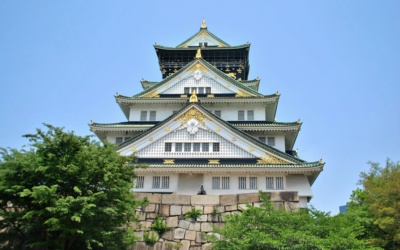
Osaka Castle: The city's iconic landmark, a reconstructed castle tower surrounded by expansive parkland and moats. The interior is essentially a museum about Toyotomi Hideyoshi and Osaka's history - the displays are informative but not spectacular. The real draw is the exterior, the surrounding park (especially during cherry blossom season), and the view from the top floor. Entry to the tower costs around $5. Allow 90 minutes to two hours including the park. Go early morning to avoid crowds.
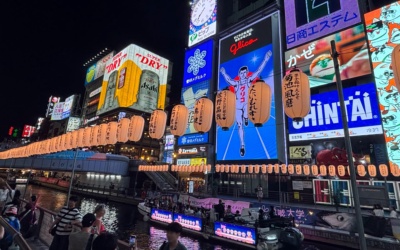
Dotonbori: Not a single attraction but an experience - a canal-side strip of neon, food stalls, and sensory overload. Walk along both sides of the canal, eat takoyaki from at least two different vendors, and take the obligatory photo with the Glico Running Man sign. Best experienced after dark when the neon reflects off the water. Free, obviously, though your wallet will suffer from all the food.
Osaka Aquarium Kaiyukan: One of the world's largest aquariums, built around a massive central tank housing whale sharks. The design spirals you downward through Pacific Rim ecosystems. Budget around two to three hours. Entry is approximately $20 for adults. Go on a weekday morning to avoid families with children on weekends.
Kuromon Market: Dubbed "Osaka's Kitchen," this covered market stretches several blocks and specializes in fresh seafood, produce, and street food. Grab sashimi on a stick, grilled scallops, fresh uni, and tamagoyaki (sweet rolled omelet). Prices have risen due to tourism, but the quality remains high. Go before 11 AM for the best selection; many stalls close by early afternoon.
Sumiyoshi Taisha: One of Japan's oldest and most important Shinto shrines, predating the influence of Chinese architecture, giving it a uniquely Japanese style. The arched Taikobashi bridge over the pond is stunning. Far less crowded than Kyoto's shrines and free to enter. Worth 45 minutes to an hour.
Nakazakicho: A quiet neighborhood just north of Umeda filled with converted old houses turned into quirky cafes, vintage shops, and tiny galleries. It feels like a different city entirely - peaceful, artistic, and free of tourists. Perfect for a slow morning with specialty coffee.
Hozenji Yokocho: A narrow stone-paved alley just steps from the chaos of Dotonbori, lined with traditional restaurants and a tiny moss-covered Buddhist statue (Mizukake Fudo) that visitors splash with water. The atmospheric contrast with the surrounding neon is remarkable.
Minoo Park: Located in the city of Minoh, Osaka Prefecture, just north of the city of Osaka, this forested gorge with a waterfall feels like deep countryside. An easy paved trail of about 3 kilometers leads to the waterfall in around 45 minutes, passing temples and maple trees.[1] The local specialty is momiji tempura, deep-fried maple leaves sold at the park's refreshment stalls.[1] From Osaka-Umeda the trip takes about 25 minutes by Hankyu train, changing at Ishibashi Handai-mae.[1]
Spa World: A massive onsen (hot spring) complex in Shinsekai with themed bathing floors representing spas from around the world. One floor is Asian-themed, the other European, and they alternate by gender monthly. Entry costs around $10 to $15 and you can spend half a day here. A unique, very Osaka experience.
Tsutenkaku Tower: The observation deck is cramped, the views are mediocre compared to Abeno Harukas, and the entry fee of around $6 is not worth it. Enjoy Shinsekai's street-level atmosphere instead and save your money for kushikatsu.
Shitennoji Temple: Japan's first Buddhist temple has been rebuilt in concrete so many times that it lacks the atmosphere of Kyoto's wooden temples. The grounds are pleasant enough but not worth a special trip unless you happen to be in Tennoji already.
Tombori River Cruise: The 20-minute boat ride along Dotonbori canal is included in the Osaka Amazing Pass, making it worth doing for free, but paying the standalone fare of around $7 for what amounts to a short float past neon signs is underwhelming.
Osaka's identity is inseparable from its food. The city coined the phrase "kuidaore" and takes the concept seriously. Eating here is not just sustenance - it is the primary form of entertainment.
| Dish | Description | Where to Try | Typical Price |
|---|---|---|---|
| Takoyaki | Crispy-outside, molten-inside octopus balls topped with sauce, mayo, and bonito flakes | Dotonbori, Americamura | $3-5 for 6-8 pieces |
| Okonomiyaki | Savory cabbage pancake with your choice of fillings, griddled and topped with sweet sauce | Shinsekai, Tsuruhashi | $6-10 |
| Kushikatsu | Deep-fried skewers of meat, seafood, and vegetables. Never double-dip in the communal sauce | Shinsekai (Jan Jan Yokocho) | $1-3 per skewer |
| Kitsune Udon | Thick udon noodles in dashi broth topped with sweet fried tofu - Osaka's comfort food | Namba area udon shops | $5-7 |
| Tecchiri | Blowfish (fugu) hot pot, a winter specialty. Served at licensed restaurants only | Shinsekai, Dotonbori | $30-60 per person |
| Negiyaki | A thinner, green onion-heavy cousin of okonomiyaki, often with soy sauce instead of sweet sauce | Fukushima neighborhood | $6-9 |
| Butaman | Large steamed pork buns, a famous Osaka snack. Look for the long queues near Namba | Namba area | $2-3 |
Dotonbori is the obvious starting point and despite the tourist crowds, the food quality at most stalls remains genuinely good. Do not eat at the first place you see - walk the full strip first and note where locals are queuing. Shinsekai is kushikatsu heaven; the Jan Jan Yokocho alley has dozens of competing shops and prices are lower than in Namba. Tsuruhashi is Osaka's Koreatown with excellent yakiniku (Korean BBQ) restaurants. Fukushima, a few stops west of Umeda, has become a serious foodie neighborhood with intimate izakayas and creative small-plate restaurants.
Kuromon Market is ideal for a seafood breakfast or brunch, though prices have crept up. For the cheapest eats, duck into any standing bar (tachinomiya) in the Tenma area north of the river - these no-frills spots serve drinks from $2 and small dishes from $1.50, and they are packed with salarymen unwinding after work.
A filling street food meal (takoyaki plus okonomiyaki plus a drink) costs roughly $8 to $12. A sit-down lunch at a casual restaurant runs $7 to $15. A proper dinner at a mid-range izakaya with drinks is around $20 to $35 per person. High-end sushi or kappo (Osaka-style multi-course dining) starts around $60 and climbs from there. Osaka has more Michelin-starred restaurants than most cities on earth, but the real magic happens at the $5 to $15 level.
Osaka's nightlife is centered on Namba and the Americamura (American Village) area for younger crowds, and Kitashinchi near Umeda for a more upscale bar scene. Ura-Namba (the backstreets behind Namba station) has exploded with tiny standing bars and craft beer spots. A beer at a convenience store costs around $1.50; at a bar, expect $4 to $7. Highballs (whisky and soda) are the default drink and typically cost $3 to $5 at casual spots.
Osaka has excellent budget accommodation. Shin-Imamiya and Nishinari have the cheapest hostels and guesthouses in the city, many under $20 per night for a dorm bed. Capsule hotels near Namba and Shinsaibashi offer a uniquely Japanese experience for around $25 to $35. Quality is generally high even at the budget end - Japan's cleanliness standards apply everywhere.
Business hotels in the Namba and Shinsaibashi area offer compact but spotless rooms with everything you need. Chains like Dormy Inn, Vessel Inn, and Cross Hotel are reliable. Rooms are small by Western standards but functional. The Namba and Tennoji areas have the best value in this range. Many include public baths and complimentary ramen or breakfast.
The Umeda and Kitashinchi area has the highest concentration of luxury hotels, including international brands. Nakanoshima, the island between two rivers, offers a quieter upscale experience with waterfront views. For something special, look for a ryokan (traditional Japanese inn) in the Tennoji area, though options within the city are limited compared to Kyoto or rural areas.
Safety: Osaka is one of the safest major cities in the world. Violent crime against tourists is essentially unheard of. The main annoyances are bicycle theft (lock up rentals) and occasional touts near Dotonbori trying to lure you into overpriced bars. In Shinsekai and Tobita Shinchi, you may encounter red-light district areas - they are not dangerous but be aware of your surroundings.
Just 15 minutes by shinkansen or 40 minutes by the cheaper Hankyu/Keihan limited express (around $3 to $4 one way). Kyoto needs no introduction - temples, geisha districts, bamboo groves. The proximity to Osaka makes it possible to base yourself in Osaka for your entire Kansai trip and visit Kyoto as a day trip, saving money on accommodation.
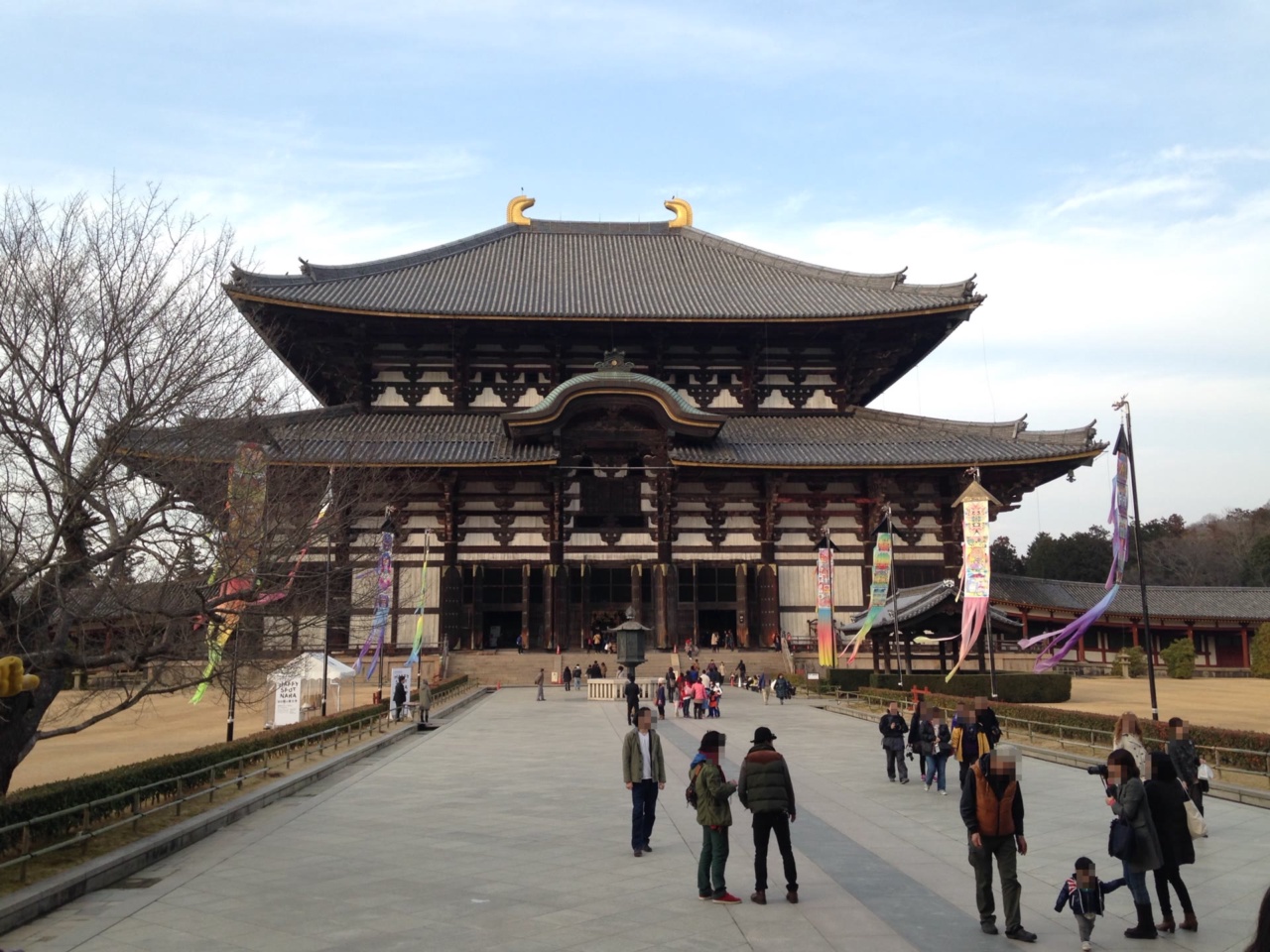
About 35 to 45 minutes from Namba by Kintetsu Railway (around $5 one way). The ancient capital is famous for its free-roaming deer in Nara Park and the colossal bronze Buddha at Todaiji Temple. A half-day is sufficient for the highlights, making it easy to combine with a morning or afternoon in Osaka. Absolutely worth it.
Twenty minutes from Osaka by JR Special Rapid (around $3). Kobe offers Chinatown (Nankinmachi), the historic Kitano-cho foreign settlement with its Western-style houses, excellent sake breweries in the Nada district, and of course Kobe beef. A proper Kobe beef dinner here costs roughly $80 to $200 per person but is cheaper than in Osaka or Tokyo.
About 60 to 70 minutes from Osaka by shinkansen or JR Special Rapid. Himeji Castle is Japan's finest original castle - a gleaming white fortress that survived war and earthquakes intact. It is the single most impressive castle in the country, and the contrast with Osaka's concrete reconstruction is stark. Entry is around $7. The castle and surrounding gardens take about two to three hours.
A 90-minute journey from Namba via Nankai Railway and cable car brings you to this sacred mountain-top temple complex, headquarters of Shingon Buddhism. Walking among 200,000 moss-covered tombstones in Okunoin cemetery is one of Japan's most powerful experiences. Ideally an overnight trip with a stay in a temple lodging (shukubo), but doable as a long day trip if you leave early.
Morning: Start at Kuromon Market for a seafood breakfast - try fresh sashimi, grilled king crab legs, and tamagoyaki. Walk north through the Den Den Town electronics district (Osaka's Akihabara equivalent) to get a feel for the city.
Afternoon: Visit Sumiyoshi Taisha shrine, then head to Shinsekai for a late lunch of kushikatsu. Walk through Jan Jan Yokocho alley and take in the retro atmosphere. If you have energy, ride the elevator to the top of Abeno Harukas (around $12) for the best panoramic view in the city.
Evening: Head to Dotonbori as the neon comes alive. Eat takoyaki, try okonomiyaki at a griddle restaurant, and walk the Shinsaibashi-suji shopping arcade. End the night at a standing bar in Ura-Namba.
Morning: Arrive at Osaka Castle when it opens (9 AM). Explore the castle grounds, walk through Nishinomaru Garden, and visit the tower museum. Allow about two hours total.
Afternoon: Take the subway to Osakako Station and spend the afternoon at the Osaka Aquarium Kaiyukan. Ride the Tempozan Ferris Wheel for harbor views (free with the Osaka Amazing Pass).
Evening: Head to the Fukushima neighborhood for dinner at a local izakaya. This area is popular with Osaka residents rather than tourists, and the quality is outstanding. Try to snag a counter seat at a small kappo restaurant for a multi-course experience.
Morning: Take the Kintetsu Railway to Nara. Feed the deer in Nara Park, visit the enormous Buddha at Todaiji, and stroll through the Kasuga Taisha shrine forest with its thousands of stone lanterns.
Afternoon: Return to Osaka by mid-afternoon. Explore the Nakazakicho neighborhood's cafes and vintage shops, or wander the underground shopping malls of Umeda. Visit the Umeda Sky Building's Floating Garden Observatory for sunset views (around $12).
Evening: Final night feast in Dotonbori or Tenma. If it is your thing, check out the bar scene in Americamura or catch a late-night comedy show at one of the Namba Grand Kagetsu theater performances (mostly in Japanese, but the physical comedy transcends language).
| Category | Budget | Mid-Range | Comfort |
|---|---|---|---|
| Accommodation | $15-30 | $50-100 | $120-250 |
| Food | $15-25 | $30-50 | $60-100 |
| Transport | $5-10 | $10-15 | $15-30 |
| Activities | $5-10 | $15-25 | $25-50 |
| Daily Total | $40-75 | $105-190 | $220-430 |
These estimates are per person per day. Budget assumes hostel dorms, street food and convenience store meals, walking plus minimal subway use, and free attractions. Mid-range covers a private business hotel room, sit-down restaurant meals, regular subway use, and a mix of paid and free sights. Comfort includes upscale hotel stays, high-end dining, taxis when convenient, and premium experiences. Osaka is remarkably affordable for a world-class city - your money stretches further here than in almost any other major Japanese metropolis.
Absolutely. Osaka offers Japan's best street food scene, a vibrant nightlife culture, fascinating historical sites like Osaka Castle, and a distinctly warm local personality you won't find in Tokyo or Kyoto. It also serves as an excellent base for day trips across the Kansai region.
Three full days lets you cover the major sights, eat your way through the key food streets, and soak up the nightlife. Four to five days is ideal if you want to include day trips to Kyoto, Nara, or Kobe without rushing.
Osaka is extremely safe, even late at night. Violent crime against tourists is virtually nonexistent. The main concerns are petty pickpocketing in crowded areas like Dotonbori and the occasional tout in Shinsekai or Tobita. Use normal common sense and you will have zero problems.
Osaka is the birthplace of takoyaki (octopus balls) and okonomiyaki (savory pancakes). The city is also renowned for kushikatsu (deep-fried skewers), kitsune udon, and tecchiri (blowfish hot pot). Dotonbori, Shinsekai, and Kuromon Market are the top food destinations.
Osaka is noticeably cheaper than Tokyo. Budget travelers can get by on roughly $60 to $80 per day including a hostel, street food, and transit. Mid-range travelers spending around $120 to $180 per day will eat very well and stay comfortably.
Yes, tap water throughout Osaka (and all of Japan) is safe to drink. You can fill a reusable bottle anywhere. Vending machines with bottled water and tea are also on virtually every street corner for around $1.
The Nankai Rapi:t express reaches Namba in about 35 minutes for roughly $12. The JR Haruka express goes to Tennoji and Shin-Osaka in 35 to 50 minutes. Airport limousine buses serve multiple city stops for around $14. Taxis cost $80 or more and are not recommended.
English proficiency is limited but improving, especially in tourist areas like Namba and Umeda. Most restaurants have picture menus or English translations. Train signage is bilingual. Google Translate with the camera function is invaluable for menus and signs.
Namba and Shinsaibashi put you in the center of the food and nightlife action. Umeda is better for business travelers and those who prefer a more polished atmosphere. Budget travelers should look at Shin-Imamiya or Tennoji for cheaper hostels with good transit links.
Osaka is one of Japan's best cities for families. Universal Studios Japan is a major draw, the Osaka Aquarium Kaiyukan is world-class, and kids love the interactive exhibits at the Osaka Science Museum and Cup Noodles Museum. Street food culture also makes feeding picky eaters easy.
Numbers in the text such as [1] refer to these sources.