
Photo: Sakai Yayoi / Wikimedia Commons, CC0
Contents
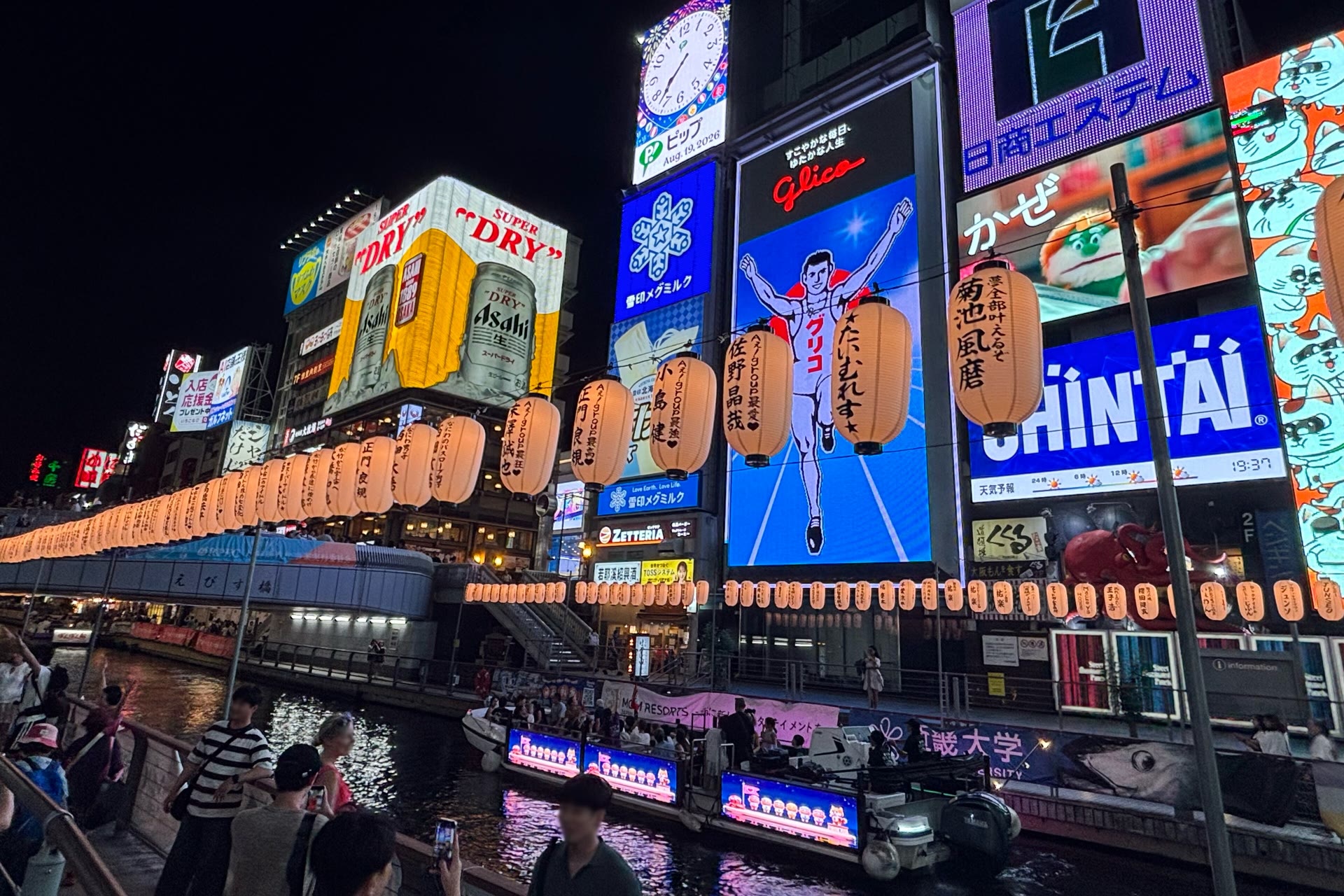
Leaving behind the moving memorials and peaceful parks of Hiroshima for the neon-lit food paradise of Osaka feels like stepping between two different souls of Japan. While Hiroshima offers a space for reflection and a slower pace of life, Osaka is a sensory explosion of street food, towering skyscrapers, and a relentless energy that makes it the country's undisputed kitchen. The transition between these two iconic cities is one of the most popular journeys in the Kansai and Chugoku regions, bridging the gap between historical weight and modern revelry.
The journey itself is a masterclass in Japanese efficiency. As you leave the Hiroshima cityscape, you will zip through the mountainous terrain of the Sanyo region, catching glimpses of the Seto Inland Sea if you secure a seat on the right side of the carriage. This route is dominated by the Shinkansen, Japan's world-famous bullet train, which remains the gold standard for moving between these two urban hubs with speed and precision.
Hiroshima to Osaka by Train
The Shinkansen is the primary and most efficient way to navigate this route. Operated by JR West, the high-speed rail network connects Hiroshima Station directly to Shin-Osaka Station. Travelers can choose between several types of bullet trains, including the lightning-fast Nozomi and Mizuho services, or the slightly more frequent Sakura and Hikari options. The experience is characterized by extreme punctuality, spacious seating, and a level of quiet comfort that makes the journey fly by.
Standard Class Reserved
For those who prefer peace of mind, booking a reserved seat in Standard Class is the most popular choice. This guarantees you a specific seat on a specific train, which is particularly useful during peak travel periods such as cherry blossom season or the Golden Week holidays. The price for this convenience typically sits around $74. The seats are arranged in a 3-2 configuration with ample legroom, fold-down tables, and large windows to enjoy the passing scenery. You can easily secure your tickets and view the latest availability on GoAsia.cc before you head to the station.
Standard Class Unreserved
If you are looking to save some money or prefer total flexibility with your schedule, the Standard Class Unreserved option is an excellent alternative. Priced at approximately $50, this is the most budget-friendly way to ride the bullet train. With an unreserved ticket, you can board any train on your chosen day and sit in cars 1 through 3 (usually). While you aren't guaranteed a seat, Hiroshima is a major stop where many passengers disembark, so finding a place to sit is often quite easy except during the busiest rush hours. The travel time remains the same, ranging from 1 hour 19 minutes to 2 hours 47 minutes depending on whether you catch a direct express or a train with more local stops.
Comparing Your Options
| Mode | Price (USD) | Duration | Comfort |
|---|---|---|---|
| Train (Standard Reserved) | $74 | 1h 19min - 2h 47min | High |
| Train (Standard Unreserved) | $50 | 1h 19min - 2h 47min | Medium to High |
Tips for Traveling from Hiroshima to Osaka
Navigating Japanese transit is straightforward, but a few local insights can make your trip even smoother:
- Understand the Stations: In Hiroshima, you will depart from Hiroshima Station, located in the city center. In Osaka, the Shinkansen arrives at Shin-Osaka Station. Note that Shin-Osaka is slightly north of the main tourist hubs like Namba or Umeda; you will need to take a local train or the Midosuji subway line to reach the heart of the city.
- Baggage Rules: If you are carrying oversized luggage (where the total dimensions exceed 160cm), you must book a seat with a dedicated luggage space. These are usually the back row seats in certain carriages. Failure to do so may result in a small fine and the need to move your bags.
- The Ekiben Tradition: Before boarding at Hiroshima Station, visit the station mall to buy an "Ekiben" (station bento box). Hiroshima is famous for its oysters and conger eel (anago), and enjoying a local meal while watching the countryside fly by at 300km/h is a quintessential Japanese travel experience.
- Ticket Validation: Keep your ticket handy. You will need to insert it into the automated gates both when entering the platform area in Hiroshima and when exiting in Osaka. If you are using a digital QR code or an IC card linked to your booking, ensure your phone is charged.
- Timing Your Arrival: While trains depart very frequently, arriving 15 to 20 minutes early allows you to find your platform and queue up in the designated spots marked on the floor. Japanese passengers queue in orderly lines, and the trains stop exactly where the markings indicate.
Timetable
| Train Hiroshima - Osaka $ 47.32–69.35 1h 19m – 2h 47m | |
|
Frequently Asked Questions
Use the booking tool on this page to compare the transport options currently available from Hiroshima to Osaka, including current prices and schedules.
The cheapest way to travel this route is by taking the Shinkansen with an Unreserved Standard Class ticket, which costs approximately $50.
The fastest way is the Shinkansen train, with the quickest services completing the journey in just 1 hour and 19 minutes.
The travel time varies depending on the specific train service, ranging from 1 hour 19 minutes to 2 hours 47 minutes.
While not strictly necessary due to the high frequency of trains, booking in advance is highly recommended during holiday seasons or if you want a guaranteed reserved seat. You can book these easily online to avoid language barriers at the station.
Yes, Hiroshima Station is the main hub for the city. In Osaka, the bullet trains use Shin-Osaka Station, which is specifically designed for high-speed rail. You will likely need to take a short 10-15 minute local train or subway ride to reach downtown Osaka areas like Namba.
Yes, the route offers beautiful views of the Japanese countryside and mountains. If traveling toward Osaka, try to sit on the right side of the train for occasional glimpses of the Seto Inland Sea.
Guide prices and journey times are indicative, not live quotes. A booked package may include transfers and waiting time as well as the main journey. Check the selected offer, pickup point and current conditions before booking.