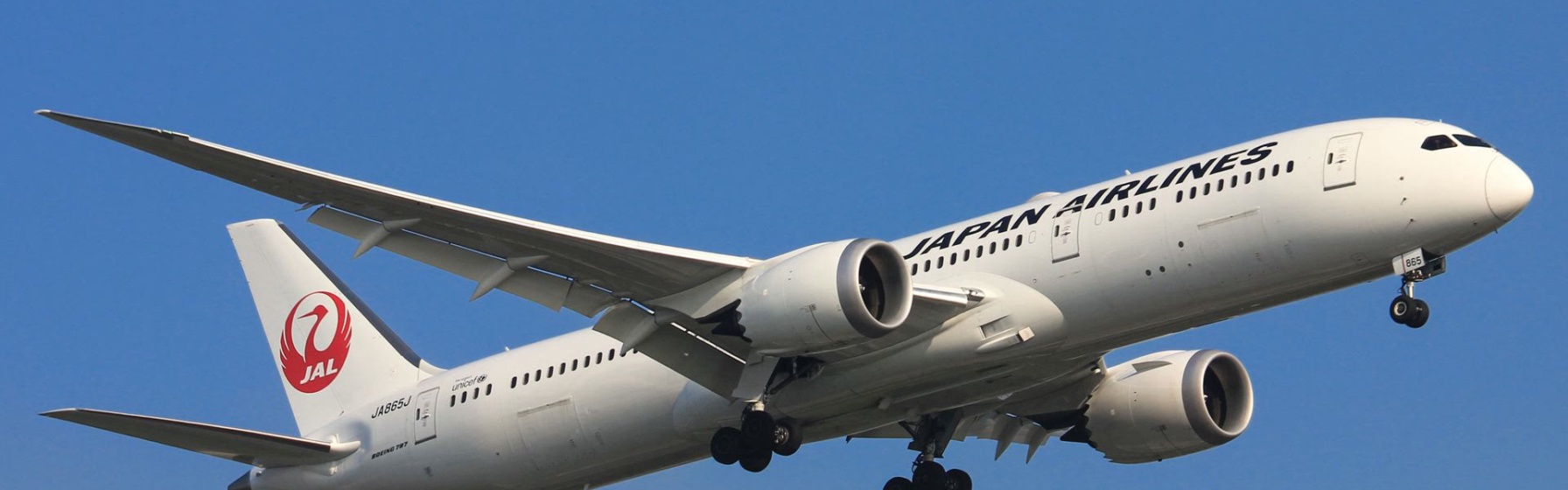
For travelers whose itineraries stretch beyond Honshu's main corridor, domestic flights are not just convenient, they are essential. And in a country where even budget airlines run with clockwork reliability, flying is one of the most rewarding ways to experience the sheer geographic diversity Japan has to offer.
The Flight Network in Japan
Japan's domestic flight network is extensive. The two dominant carriers are Japan Airlines (JAL) and All Nippon Airways (ANA), both full-service airlines. From Haneda Airport alone, ANA flies to more than 40 airports nationwide.[1] Major hubs include Tokyo Haneda (HND), Tokyo Narita (NRT), Osaka Kansai (KIX), Osaka Itami (ITM), Nagoya Chubu (NGO), Fukuoka (FUK), and Sapporo New Chitose (CTS).
Budget carriers have carved out a significant presence as well. Peach Aviation and Jetstar Japan offer no-frills alternatives on popular routes. Check which airport and terminal your flight uses, since low-cost services do not always fly from the same airport as the full-service airlines.
Routes between Tokyo and Osaka are less popular by air since the fastest Tokaido Shinkansen trains cover the distance from Tokyo to Shin-Osaka in 2 hours 21 minutes.[2] Flights truly shine on longer routes: Tokyo to Sapporo, Tokyo to Okinawa (Naha), Osaka to Ishigaki, and connections to smaller islands in the Amami and Okinawa chains, where air travel is often the only practical link to the mainland.
Classes and Comfort Levels
Domestic flights in Japan are relatively short, so the class structure is simpler than on international routes. JAL and ANA both offer a standard economy class and a premium cabin on many domestic routes.
Economy class on JAL and ANA is a cut above what many travelers expect, with well-maintained seats and reasonable legroom. The premium cabins offer wider seats and upgraded service, and they are popular with business travelers on the busiest corridors. Check the airline's seat map for your aircraft type before paying for an upgrade.
Budget carriers like Peach and Jetstar Japan operate single-class cabins and charge for extras, so factor in baggage fees when comparing total costs. Peach allows up to 7 kg of carry-on baggage for 2 items in total, and Jetstar Japan flights also include a 7 kg carry-on allowance.[3][4]
Booking and Tickets
JAL offers the JAL Japan Explorer Pass, a set of special fares for domestic flights that can make flying surprisingly affordable. It is exclusively for travelers whose residence is outside Japan and who hold an international air ticket to and from Japan, and it gives access to over 30 cities on domestic routes.[5] Check the current conditions on the airline's website before you buy.
Booking directly through airline websites is straightforward, and most support English-language interfaces. For comparing fares across multiple airlines and finding the best option for your route, platforms like GoAsia.cc let you search domestic Japanese flights alongside other transport modes, making it easy to weigh flying against rail for any given leg of your trip.
Advance purchase usually yields the best prices, though cheaper fares tend to come with change and cancellation restrictions. Walk-up fares on full-service carriers are generally more expensive, and budget airlines price dynamically, so booking early is equally important.
What to Expect on Board
Japanese domestic flights are a study in quiet efficiency. Boarding is orderly, and announcements are made in Japanese and English.
On JAL and ANA, expect complimentary beverages. Budget carriers sell drinks and light snacks.
Wi-Fi: ANA's Wi-Fi service on domestic flights is complimentary for all classes on most aircraft types, starting about 5 minutes after take-off.[6] Budget carriers generally offer less in the way of onboard services, so download what you need before the flight.
Luggage handling is efficient, and checked bags arrive quickly at the carousel.
Tips for Flight Travel in Japan
- Choose Haneda over Narita when possible. Tokyo Haneda Airport is much closer to central Tokyo, with excellent monorail and train connections. Check which Tokyo airport your flight uses before you book.
- Arrive in good time. Japanese airports are efficient, but during Golden Week, Obon, and New Year holidays they become extremely crowded, so allow extra time.
- Compare flights with the Shinkansen. For medium distances such as Tokyo to Osaka, the bullet train is often faster door to door once you factor in airport transit and security. For longer distances or island destinations, flying is almost always the better choice.
- Look into visitor discount fares. The JAL Japan Explorer Pass is one example. Eligibility requirements and booking conditions apply, so read the fine print carefully.
- Pack light if flying budget. Peach and Jetstar Japan have weight limits for carry-on luggage, and excess baggage fees add up quickly. Weigh your bags before heading to the airport.
- Mind the typhoon season. Typhoons in late summer and autumn can disrupt flight schedules, particularly on routes to Okinawa and Kyushu. Travel insurance that covers weather-related delays is a smart investment during these months.
- Explore beyond the obvious. Domestic flights open up destinations that most tourists overlook, such as the volcanic landscapes of Kagoshima, the beaches of Miyako-jima, the wilderness of Hokkaido's eastern coast, and the forests of Yakushima.