Mount Fuji: climbing routes, rules and viewpoints
Contents
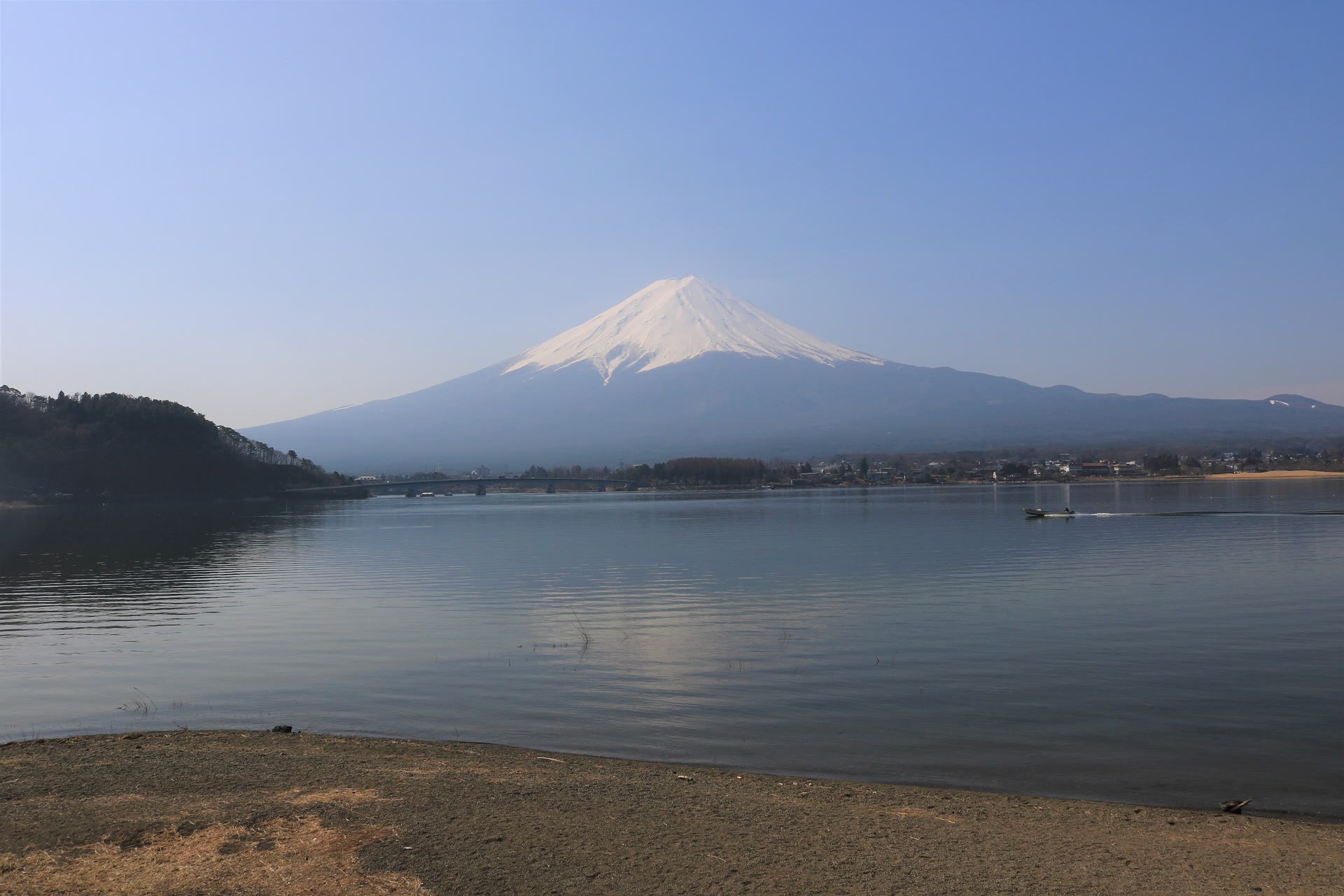
Mount Fuji rises to 3,776 metres.[1] Seeing it from the Fuji Five Lakes and climbing it are two different trips. A lakeside visit needs no permit. A climb needs the right gear, an open trail and enough time for the descent. Pick the experience first, then book transport and a bed.
The 2026 climbing season has ended and all summit trails are closed for the winter.[2] The season usually runs from early July to 10 September.[3] Outside it, huts and first-aid stations are shut, mobile signal is patchy and the weather is severe, so climbing is dangerous.[2]
Climb or enjoy the view?
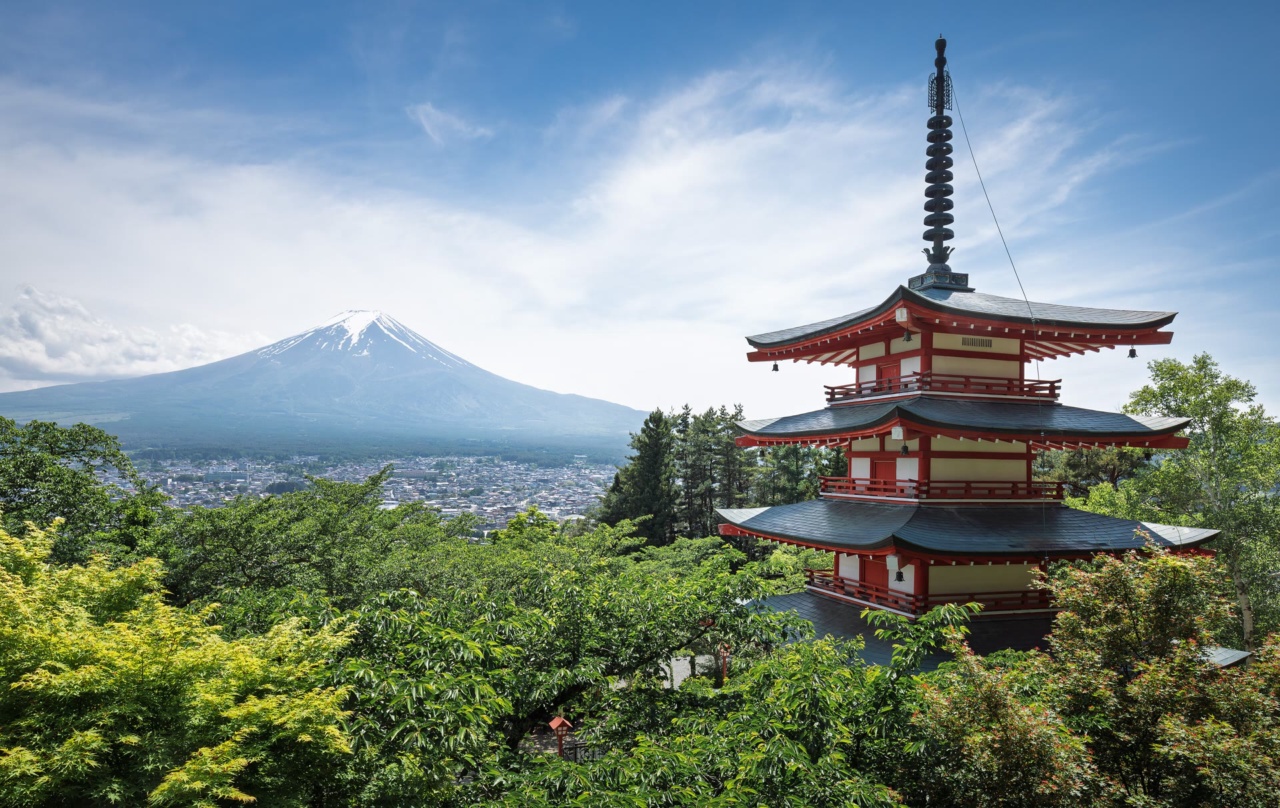
For sightseeing, pick a few stops instead of the whole lake region in one day. Oishi Park at Lake Kawaguchiko has a 350-metre flower street with Fuji behind it: moss phlox in late April and early May, lavender from late June to early July.[4] In winter the clear air sharpens the view.[4] Arakurayama Sengen Park in Fujiyoshida puts the shrine and its pagoda in front of the mountain. Cherry blossom peaks in mid-April, and the leaves turn in November to match the pagoda's red.[5] From Shimoyoshida Station on the Fuji Kyuko Line it is about 10 minutes on foot to the shrine, then a further five-minute climb up the hill to the pagoda.[5] Be quiet around the shrine and the neighbouring homes.
Things to Do
Offers are only loaded from GetYourGuide after you click. GetYourGuide can then process your IP address and set cookies. Privacy Policy
GetYourGuide partner offers. GoAsia may earn a commission if you book through these offers. Check whether tickets or transfers are included, and follow the attraction's official booking and admission rules.
Compare the four summit routes
Each route starts at its fifth station. The times are approximate and exclude breaks, so add a good margin for weather, queues and how you feel at altitude.[6]
| Route and trailhead | Trailhead altitude | Ascent distance | Descent distance | Approximate ascent / descent | What matters |
|---|---|---|---|---|---|
| Yoshida / Fuji-Subaru Line | 2,305 m | 6.8 km | 7 km | 6 / 4 hours | Most mountain huts; separate ascent and descent paths[6] |
| Fujinomiya | 2,400 m | 4.3 km | 4.3 km | 5 / 3 hours | Shortest route, but steep; ascent and descent share a path[6] |
| Subashiri | 2,000 m | 6.9 km | 6.2 km | 7 / 4 hours | Forest on the lower section; merges with Yoshida at the Hon eighth station[6] |
| Gotemba | 1,440 m | 10.5 km | 8.4 km | 9 / 4 hours | Longest and lowest route; no mountain huts to speak of[6] |
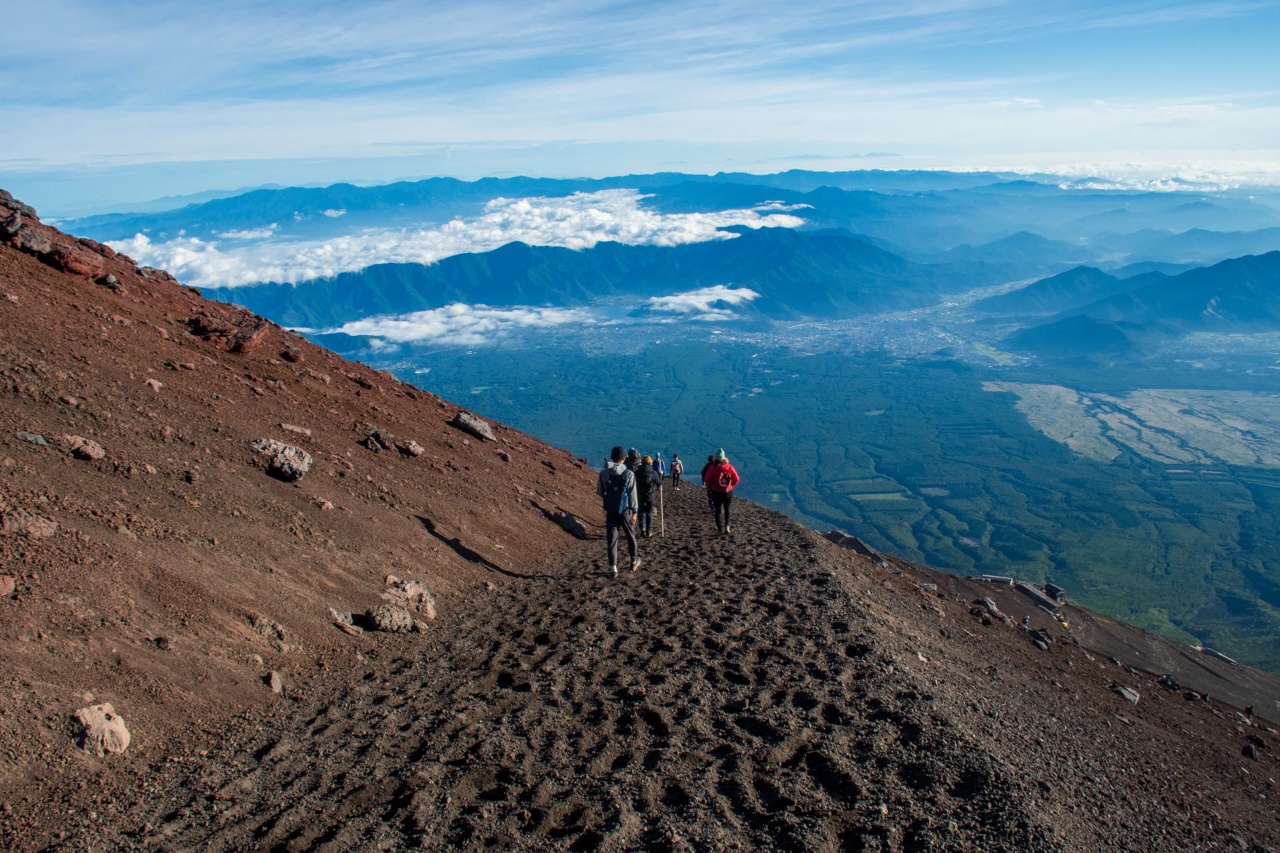
Yoshida is the most popular trail and the one with the widest choice of huts, but it is still a serious climb. Fujinomiya is short and steep. Subashiri is quiet in its forest, then crowded once it joins Yoshida. Gotemba is a long, lonely haul with a spectacular 5-kilometre sandy descent.[6] On the way down from Yoshida, the path forks with Subashiri near the eighth station, so follow the yellow signs.[6]
Entry rules and mountain huts
In 2026 the hiking fee was 4,000 JPY per person on all four trails.[7][8] On the Yoshida side, passage reservations were optional and paid in advance, bookable until the climbing day. The gate closed from 14:00 to 03:00 and also once 4,000 climbers had passed in a day. Hut guests could always pass, and anyone could descend at any time.[7] Hut guests paid the fee too, locally in yen.[7]
The Shizuoka side (Fujinomiya, Gotemba, Subashiri) set no daily limit.[8] You registered in the Shizuoka Prefecture FUJI NAVI app, passed the online learning test, paid the fee by credit card or e-money, and showed your QR code at the trailhead for a wristband.[8] Without a smartphone you could register at the fifth station, which took about 30 minutes.[8] Entering between 14:00 and 03:00 required a hut booking.[8]
A trail permit is not a bed. Book the hut yourself, and arrive before its check-in time.[8] Skip the sleepless "bullet climb": it leads to injuries and health problems.[9]
Equipment and health
Pack warm layers, rain gear, sturdy hiking footwear, a headlamp, food, water and a bag for your rubbish.[7] The summit is about 20 degrees Celsius colder than sea level, and wind makes it feel colder.[9] Temperatures at sunrise are in single digits even in midsummer.[1] The slopes have little shade, so bring a wide-brimmed hat and plan about 1.2 litres of water a day.[1] Stay on the trail, because the loose volcanic gravel causes rockfalls.[9] Fuji is an active volcano. Check the alert level, currently level 1, and descend at once if it rises.[2][9]
Altitude sickness is one of the most common reasons climbers give up.[1] Rest for one to two hours near the fifth station before you set off, and walk slowly.[1] If symptoms get worse, go down: it usually helps, and the mountain will still be there.[1] Work out your return time before you start, and turn back if you are behind schedule.[8]
Views without a summit climb
Clouds can hide Fuji at any time, and no month or early start guarantees a clear summit. Keep a lake walk or an indoor stop as a backup.
Transport and a realistic itinerary
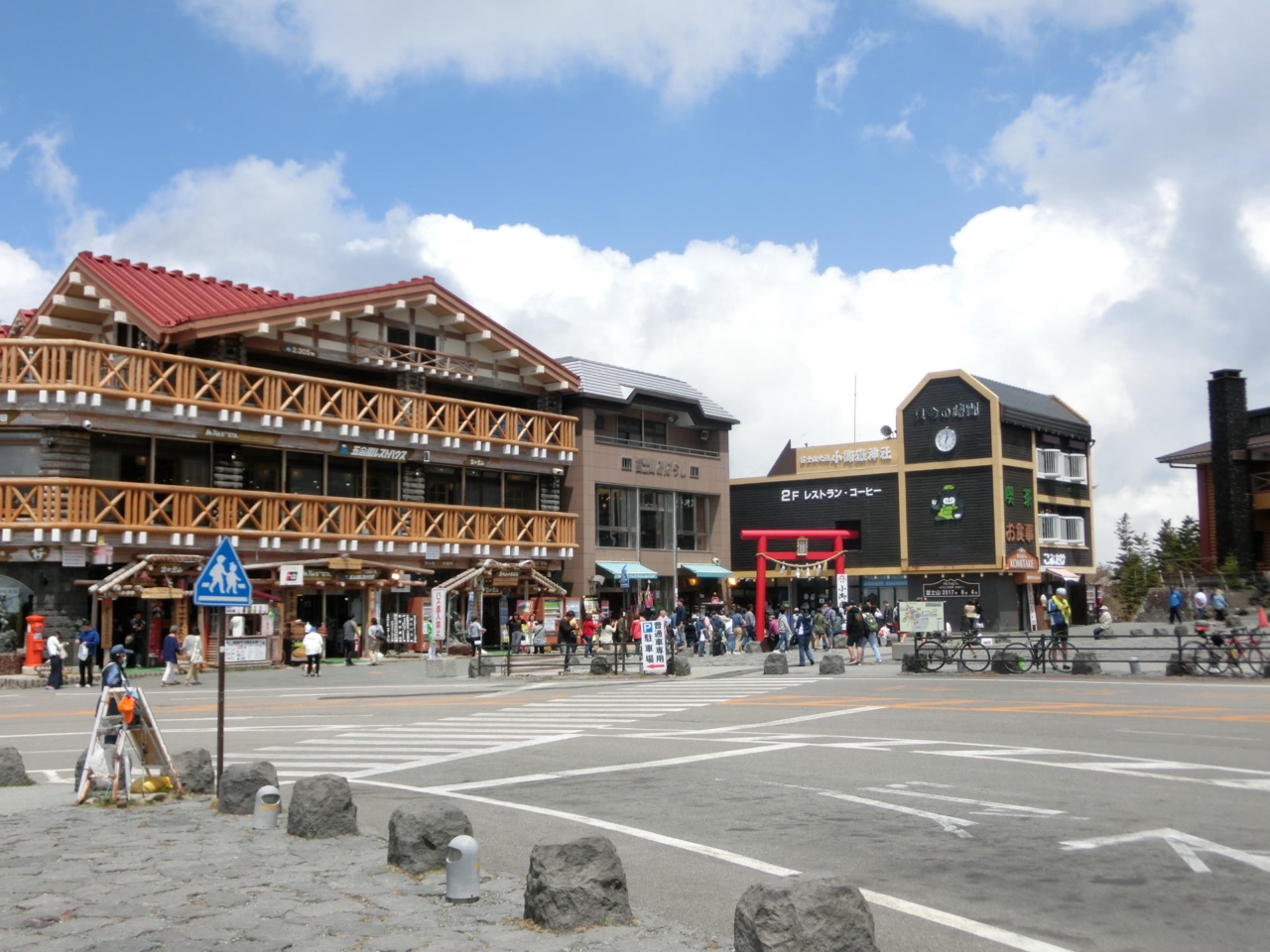
For the lakes, travel by rail or highway bus to Kawaguchiko. The national JAPAN RAIL PASS does not cover the Fujikyu Railway section of the FUJI EXCURSION between Otsuki and Kawaguchiko, so you pay extra fares and charges there.[10] For a climb, take transport to the right fifth station: the four trailheads are far apart, and the lakes do not connect you to every route.
Add up return transport, local connections, the trail fee, a hut and meals before you commit. Check the last return service in advance. A sightseeing day trip is no template for a summit climb.
Sources and background
Numbers in the text such as [1] refer to these sources.
- [1] Mt. Fuji Climbing Official Website: Altitude sickness, hypothermia, heat and descent planning. Retrieved October 20, 2026.
- [2] Mt. Fuji Climbing Official Website: Mount Fuji official current season and summit-trail closures. Retrieved October 20, 2026.
- [3] Mt. Fuji Climbing Official Website: 2026 facility seasons and summit-route closures. Retrieved October 20, 2026.
- [4] Yamanashi Tourism Organization: Oishi Park: seasonal flowers and Mount Fuji views. Retrieved October 20, 2026.
- [5] Japan National Tourism Organization: Arakurayama Sengen Park: pagoda, shrine and access from Shimoyoshida. Retrieved October 20, 2026.
- [6] Mt. Fuji Climbing Official Website: Four summit routes: distances, rounded overview times and descent junctions. Retrieved October 20, 2026.
- [7] Yamanashi Prefecture: Yamanashi Prefecture: 2026 Yoshida passage reservations and hiking fee. Retrieved October 20, 2026.
- [8] Shizuoka Prefecture: Shizuoka Prefecture: 2026 entry procedures, hiking fee and payments. Retrieved October 20, 2026.
- [9] Mt. Fuji Climbing Official Website: Mountain risks, equipment, weather and overnight climbing. Retrieved October 20, 2026.
- [10] JR Group: National JAPAN RAIL PASS: additional fares on the Otsuki to Kawaguchiko section. Retrieved October 20, 2026.
Frequently Asked Questions
In 2026 the rules differed by side. On the Yoshida Trail, passage reservations were optional and paid in advance, but the gate closed from 14:00 to 03:00 and once 4,000 climbers had passed in a day, except for hut guests. On the Shizuoka side (Fujinomiya, Gotemba, Subashiri) you registered in the FUJI NAVI app, passed an online test and paid the fee, with no daily limit. Entering between 14:00 and 03:00 required a hut booking. A trail permit is not a bed, so book the hut separately.
The 2026 hiking fee was 4,000 JPY per person on all four trails. Shizuoka accepted credit card and e-money, and on the Yoshida side hut guests paid it locally in yen. On top of that come transport to the fifth station, a hut bed and meals, and equipment.
You can see Fuji from the Fuji Five Lakes on a day trip. Oishi Park at Lake Kawaguchiko and Arakurayama Sengen Park in Fujiyoshida are good stops. A summit climb is a different trip: it needs an open trail, the right gear and enough time for the descent. The JAPAN RAIL PASS does not cover the Fujikyu Railway section between Otsuki and Kawaguchiko.
The 2026 season has ended and the trails are closed for the winter. The season usually runs from early July to 10 September. In 2026 Subashiri opened on 1 July and Fujinomiya and Gotemba on 10 July. Outside the season huts and first-aid stations are closed and climbing is dangerous.
Yoshida is the most popular and has the most huts. Fujinomiya is the shortest at 4.3 km but steep. Subashiri runs through forest and joins Yoshida high on the mountain. Gotemba is the longest at 10.5 km with the lowest trailhead and few huts. Approximate ascent times are 6, 5, 7 and 9 hours. On the Yoshida descent, follow the yellow signs at the fork with Subashiri.
No. Clouds can hide Fuji at any time. Winter air is often clear, and Oishi Park has flowers from late April to early July, but keep a lake walk or an indoor stop as a backup.
A lakeside visit needs no permit and works for most travellers. Oishi Park has a 350-metre flower street and Arakurayama Sengen Park has the pagoda with Fuji behind it. Climb only if you have the gear, a hut booking and time for the descent.