Meiji Shrine Tokyo: A Forest Sanctuary in the Heart of the City
Contents
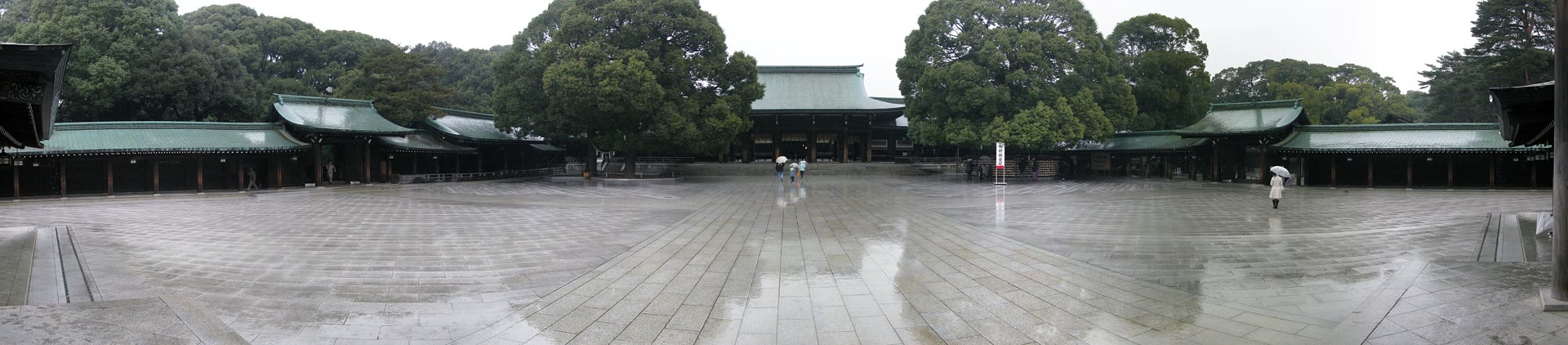
Meiji Jingu is a Shinto shrine near Harajuku, dedicated to Emperor Meiji and Empress Shoken. Its 70-hectare forest offers a walk away from the surrounding streets.[1] The grounds are free to enter, while the Inner Garden and museum have separate charges and opening hours.[2]
New Year visits are called hatsumode. The shrine's summer 2016 magazine put the crowd at roughly three million visitors from New Year's Eve through the first three days of January.[3] If you go then, allow extra time and follow the day's crowd instructions.
History and architecture
The shrine was established in 1920 in honour of Emperor Meiji and Empress Shoken. The main sanctuary was rebuilt in 1958 after wartime destruction; the southern gate, Minami Shinmon, survives from 1920. The buildings are in the Nagarezukuri style, built with hinoki cypress and copper roofs.[4] Not every structure dates from the same rebuilding.
Things to Do
Offers are only loaded from GetYourGuide after you click. GetYourGuide can then process your IP address and set cookies. Privacy Policy
GetYourGuide partner offers. GoAsia may earn a commission if you book through these offers. Check whether tickets or transfers are included, and follow the attraction's official booking and admission rules.
The Forest
The forest holds 234 tree varieties, and 110,000 volunteers helped plant it.[1] It was designed to develop over generations, rather than being an ancient untouched woodland. Stay on the designated paths and leave plants and fallen wood in place.
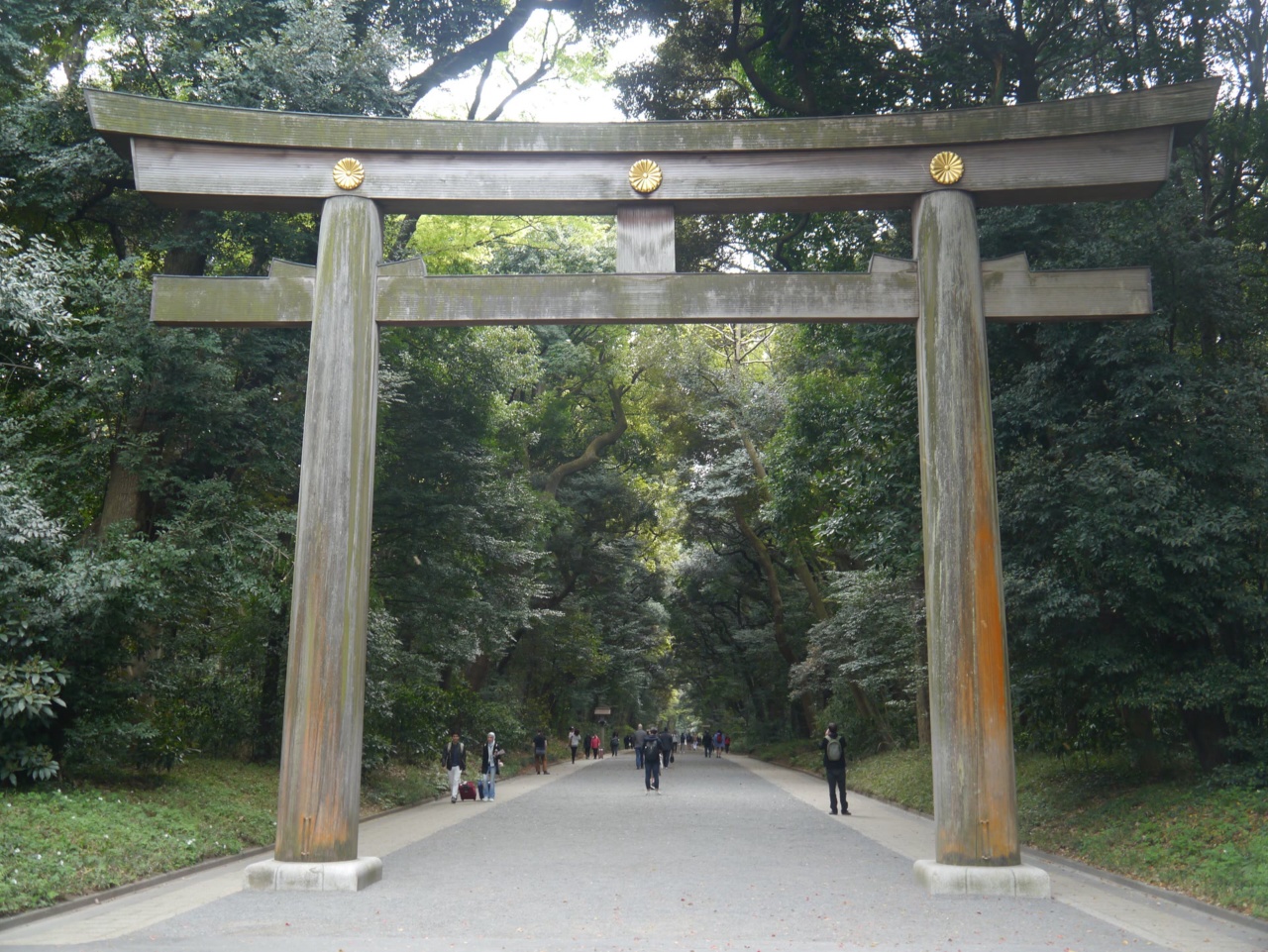
The southern approach starts near Harajuku. The 12-metre Great Torii is the second torii, at the meeting of the northern and southern approaches, not the entrance gate. Its wood comes from a 1,500-year-old cypress, and it was completed in 1975.[4] Allow at least another ten minutes from the entrance to the main shrine.
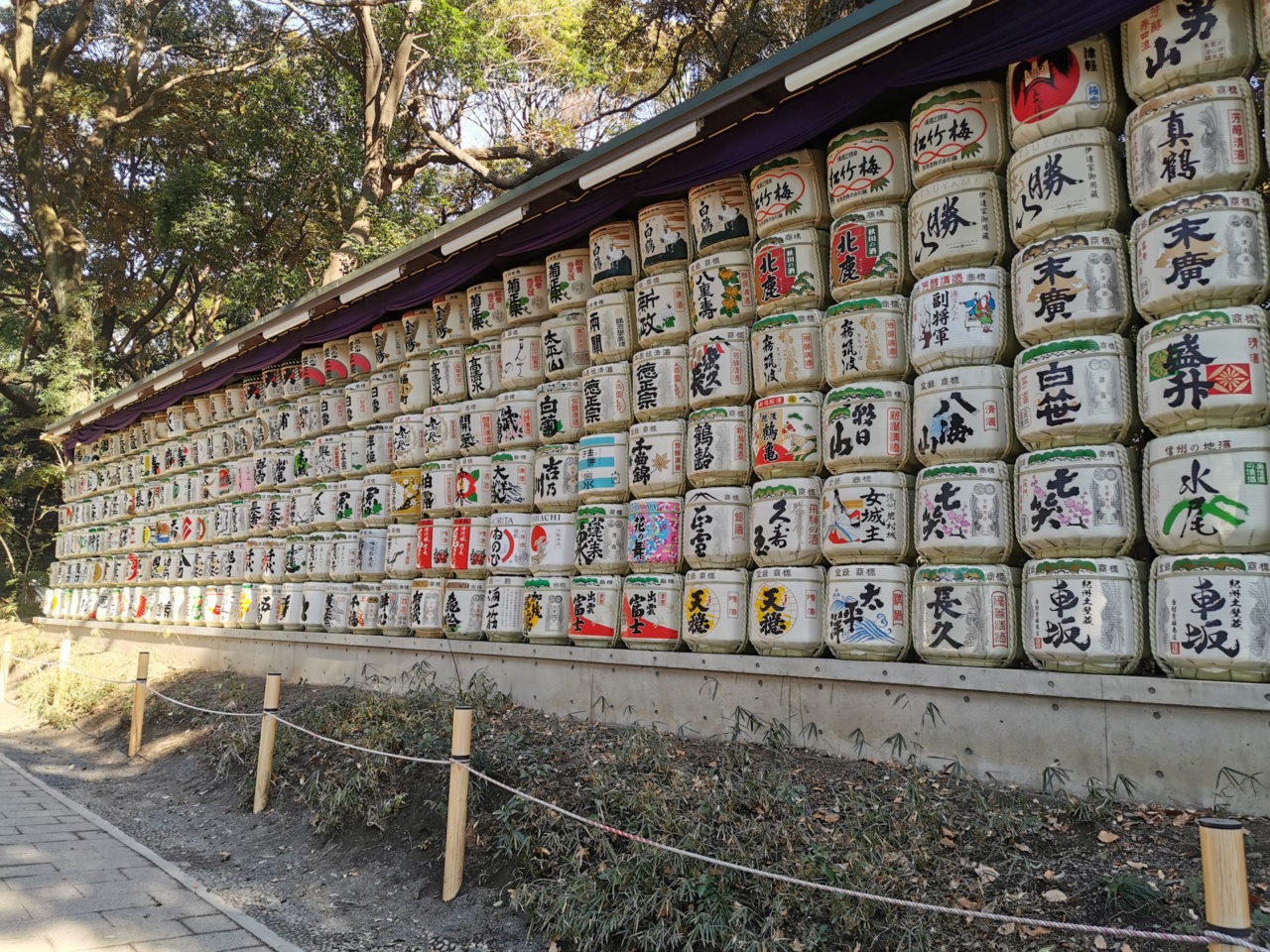
Sake and wine barrels
The decorated sake barrels on the approach are empty display barrels. Brewers make offerings annually; the Burgundy wine-barrel display honours Emperor Meiji’s interest in Western culture.[4]
Inner Garden
The Inner Garden was arranged at Emperor Meiji’s request for Empress Shoken. Entry costs a JPY 500 maintenance contribution. The garden includes the South Pond, Kakuun-tei, iris beds and Kiyomasa’s Well. The irises flower in June.[5]
Meiji Jingu Museum
Meiji Jingu Museum, designed by Kengo Kuma, opened in 2019. It displays objects associated with Emperor Meiji and Empress Shoken. The museum is open 10:00 to 16:30 (last entry 16:00) and closed on Thursday; admission is JPY 1,000 for adults and JPY 900 for high-school students and younger visitors.[6] It is not the separate Treasure Museum, which is closed.[4]
Prayer tablets and shrine stamps
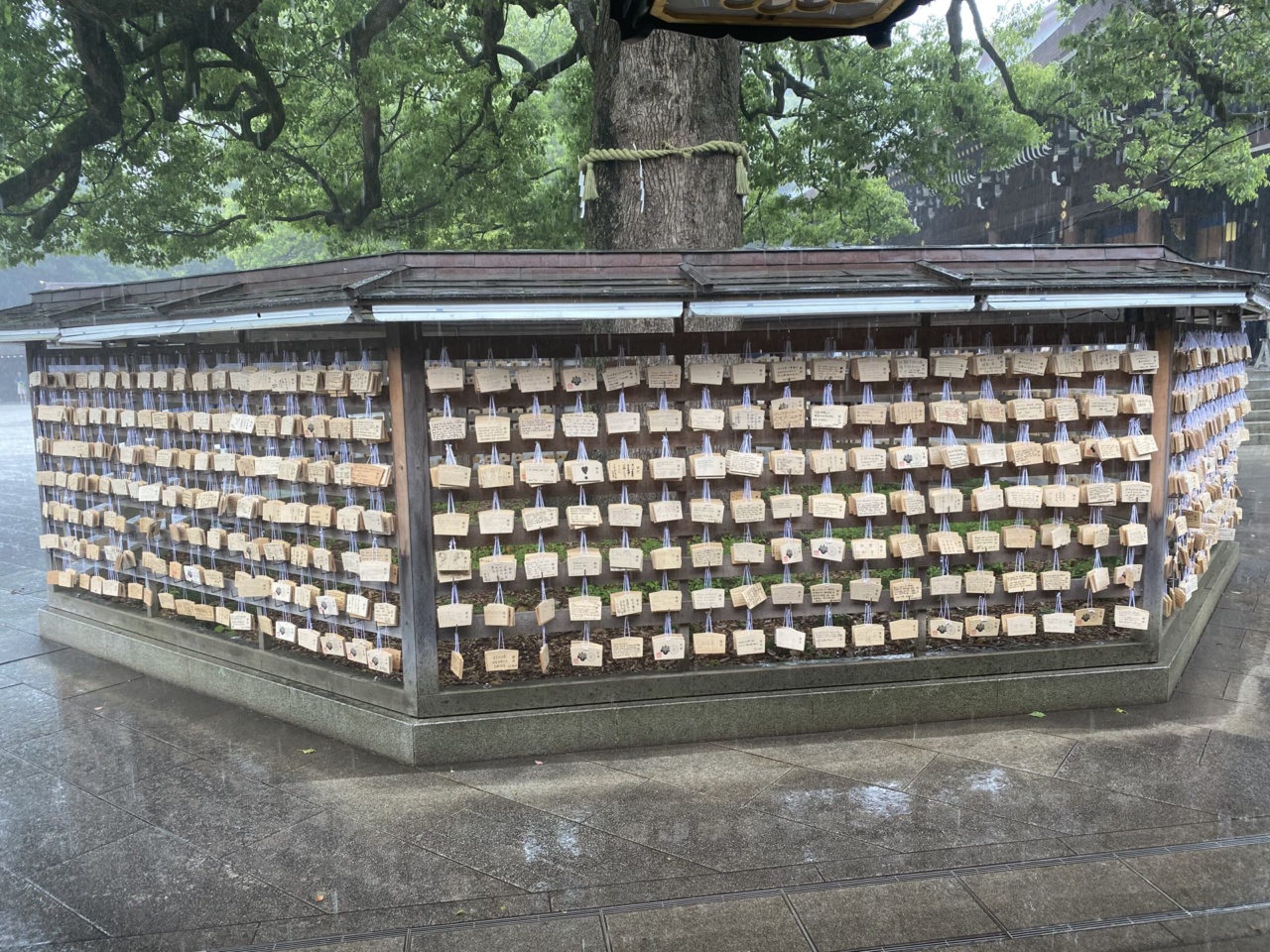
Ema are wooden prayer tablets; they cost JPY 500, and you may write your wish in any language.[4] Goshuin are shrine stamps obtained at the designated counter, with stamp books available. Bring cash for stamps and amulets: those counters do not take cards, although restaurants and gift shops do.[2]
Getting there and planning
Approach from Harajuku or Meiji-jingumae for the south entrance, or choose another entrance shown on the official access map.[7] From Shinjuku, take the train to Harajuku. Wheelchairs are available at entrances; cars and bicycles cannot be used within the grounds.[7]
The grounds are free and open daily, with opening and closing times changing by month around sunrise and sunset.[8] Garden, museum and service-counter hours are separate. Plan about an hour for the main shrine, or about two with the garden and museum, plus extra time for queues. There is no suitcase storage and the shrine does not provide official guided tours.[2]
Respectful visiting
This is an active place of worship. Follow the shrine’s instructions and keep paths clear. Photos and videos are forbidden at the main sanctuary where people pray; professional filming requires permission. Do not use drones, run, play sport or enter restricted areas. Eat, drink and smoke only in designated places.[9]
A wedding procession may be visible during your visit, but it is a private ceremony, not a scheduled tourist performance. Keep your distance, do not obstruct it and follow the photography restrictions.
Nearby places
Harajuku, Takeshita Street and Omotesando offer a different side of the neighbourhood after the shrine. Yoyogi Park is a separate public park with its own rules.
Sources and background
Numbers in the text such as [1] refer to these sources.
- [1] Meiji Jingu: Forest. Retrieved October 19, 2026.
- [2] Meiji Jingu: Q&A. Retrieved October 19, 2026.
- [3] Meiji Jingu: Shahō "Yoyogi", summer 2016 issue. Retrieved October 19, 2026.
- [4] Meiji Jingu: Precinct map. Retrieved October 19, 2026.
- [5] Meiji Jingu: Garden. Retrieved October 19, 2026.
- [6] Meiji Jingu: Meiji Jingu Museum. Retrieved October 19, 2026.
- [7] Meiji Jingu: Access. Retrieved October 19, 2026.
- [8] Meiji Jingu: How to visit. Retrieved October 19, 2026.
- [9] Meiji Jingu: Etiquette. Retrieved October 19, 2026.
Frequently Asked Questions
Meiji Jingu is a Shinto shrine near Harajuku, dedicated to Emperor Meiji and Empress Shoken. Its 70-hectare forest offers a walk away from the surrounding streets. The grounds are free to enter, while the Inner Garden and museum have separate charges and opening hours.
No. The grounds are free to enter. The Inner Garden costs a JPY 500 maintenance contribution, and Meiji Jingu Museum charges JPY 1,000 for adults and JPY 900 for high-school students and younger visitors.
Approach from Harajuku or Meiji-jingumae for the south entrance, or use another entrance shown on the official access map. Allow at least another ten minutes from an entrance to the main shrine. Wheelchairs are available at entrances; cars and bicycles cannot be used within the grounds.
The grounds are free and open daily, with opening and closing times changing by month around sunrise and sunset. Garden, museum and service-counter hours are separate. Plan about an hour for the main shrine, or about two with the garden and museum. There is no suitcase storage and the shrine does not provide official guided tours.
The decorated sake barrels on the approach are empty display barrels. Brewers make offerings annually; the Burgundy wine-barrel display honours Emperor Meiji’s interest in Western culture.
The iris beds in the Inner Garden flower in June. New Year brings very large crowds, so if a quiet walk is your priority, choose another period. Check current hours and crowd arrangements before you travel.
A wedding procession may pass during your visit, but it is a private ceremony, not a scheduled tourist performance. Keep your distance, do not obstruct it and follow the photography restrictions. Meiji Jingu is an active place of worship: follow the shrine’s instructions and keep paths clear. Photos and videos are forbidden at the main sanctuary where people pray, and professional filming requires permission. Do not use drones, run, play sport or enter restricted areas. Eat, drink and smoke only in designated places.
Harajuku, Takeshita Street and Omotesando offer a different side of the neighbourhood after the shrine. Yoyogi Park is a separate public park with its own rules.