Hakone Open-Air Museum: sculpture, Picasso and a practical visit
Photo: Leo Okuyama / Unsplash
Contents
- 1. Decide what matters most in your visit
- 2. Compare the admission category and purchase method
- 3. Plan around last admission and actual conditions
- 4. Understand the Picasso collection and glass tower
- 5. Use designated play areas, not ordinary artworks
- 6. Choose rail or bus
- 7. Arrange breaks, mobility support and your return
- 8. Sources and background
- 9. Frequently Asked Questions
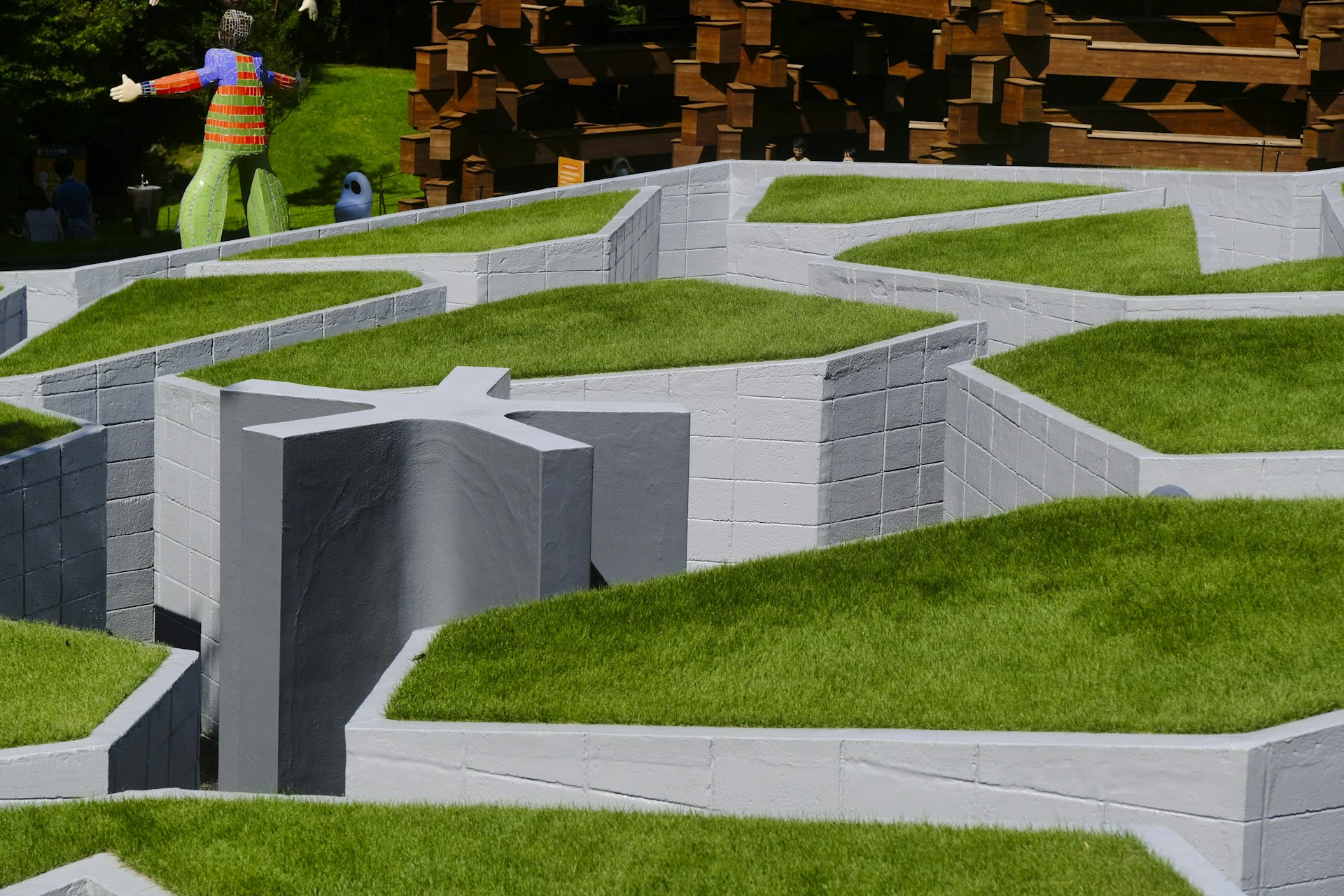
Choose the Hakone Open-Air Museum if you want outdoor sculpture, a Picasso exhibition and time to wander, not just another quick stop on the Hakone circuit. Sculptures stand among lawns and forest with the Hakone mountains behind them. Families can add the designated hands-on art, but ordinary sculptures are never touchable. If time is short, put the garden and the indoor exhibition that interests you first.
Allow two to three hours, more with children or long breaks.
Decide what matters most in your visit
| Priority | Why it may suit you | What to check |
|---|---|---|
| Sculpture garden | Art in the landscape rather than only indoor galleries | Weather, walking needs and any restricted areas |
| Picasso Pavilion | A collection with a strong ceramic focus and themed displays | The current exhibition, since not every owned work is on show |
| Hands-on art with children | Separate installations intended for play | Age limits, supervision and weather closures |
| Forest footbath | A break with spring-water foot baths and hand baths | Seating and the route that suits your mobility needs |
The Sculpture Garden holds about 120 works across about 70,000 square metres.[1]
Things to Do
Offers are only loaded from GetYourGuide after you click. GetYourGuide can then process your IP address and set cookies. Privacy Policy
GetYourGuide partner offers. GoAsia may earn a commission if you book through these offers. Check whether tickets or transfers are included, and follow the attraction's official booking and admission rules.
Compare the admission category and purchase method
| Individual visitor category | Same-day ticket, JPY | Online ticket, JPY |
|---|---|---|
| Adult | 2,000[2] | 1,800[2] |
| University or high-school student | 1,600[2] | 1,400[2] |
| Elementary or middle-school student | 800[2] | 600[2] |
| Preschool child | Free | Free |
Prices are per person. Holders of a disability certificate pay JPY 1,000 as adults, and students with a certificate enter free. One caregiver per person with disabilities pays the same. Groups of 15 or more pay JPY 1,800 (adults), JPY 1,400 (university and high-school students) or JPY 600 (elementary and middle-school students).[2]
An online ticket lets you skip the ticket counter, though you may still wait to enter. Groups of 15 or more use a separate group reservation procedure.[3] Admission is separate from your transport pass.
Plan around last admission and actual conditions
The museum is open 09:00 to 17:00, with last admission at 16:30, every day of the year.[2] Arriving at 16:30 leaves far less than two or three hours, so aim to arrive by early afternoon at the latest and plan your way back.
Rain changes how outdoor art looks and feels, and it can close play areas such as Woods of Net. Wear shoes and clothes that suit the weather, and keep enough slack to shorten the outdoor part of your visit.
Understand the Picasso collection and glass tower
The Picasso Pavilion opened in 1984 and centres on 188 ceramic works acquired from Maya Picasso, alongside other media. The collection also includes works that are not currently on display.[4] The permanent exhibition "Picasso's Driving Force" has been on show since 29 June 2025. Check what is displayed now if one work is your reason for coming.[1]
Gabriel Loire's Symphonic Sculpture is a tower covered entirely in stained glass, with a spiral staircase. Light streams through the glass and fills the inside with colour.[1] Climb the staircase for views over the museum and the Hakone mountains, and do not expect the same wheelchair or stroller access as in the grounds.[5]
Use designated play areas, not ordinary artworks
Touching artworks and entering roped-off lawns are prohibited. The separate Woods of Net installation is for children aged 12 and under, with shoes off even on rainy days. Adults may not step on its white mat, running there is not allowed, and the hanging balls must not be swung wildly.[5] Follow staff instructions.
In the indoor exhibition areas, flash photography, video recording, tripods and selfie sticks are prohibited. Commercial filming and livestreaming are not allowed anywhere. Smoking, including e-cigarettes, is only allowed in designated places, and drones and pets (except assistance dogs) are not permitted.[2] Check the signs before you photograph a work.
Choose rail or bus
By rail, take the Odakyu Line from Odawara to Hakone-Yumoto, then the Hakone Tozan Railway to Chokoku-no-Mori Station. The museum is a 2-minute walk away. By bus, take the H, J or Z bus from Odawara or Hakone-Yumoto to Ninotaira-iriguchi, then walk 6 minutes: cross at the crosswalk, go down the stairs, turn left and follow the road for 500 metres.[6] The bus walk includes stairs, so choose the train if you need step-free access.
If you plan a day of several Hakone sights, compare a transport pass with the trips you will actually make; a pass is not automatically cheaper for one museum visit.
Arrange breaks, mobility support and your return
Wheelchairs and strollers can be borrowed free at the main building and the new building information desks, subject to availability. Coin lockers at the museum entrance use a returnable 100-yen coin.[2] If you need mobility support, ask in advance about your intended path and the indoor areas.
The renewed Forest Footbath lets you rest your feet and hands in spring water while you look out over the Hakone forest, and there is seating for wheelchair users.[1] Keep a realistic return journey, and add another Hakone attraction only if it fits your timing. Our Japan travel overview helps with the wider itinerary.
Sources and background
Numbers in the text such as [1] refer to these sources.
- [1] Hakone Open-Air Museum: Hakone Open-Air Museum: facilities and sculpture garden. Retrieved October 22, 2026.
- [2] Hakone Open-Air Museum: Hakone Open-Air Museum: admission, hours, services and visitor rules. Retrieved October 22, 2026.
- [3] Hakone Open-Air Museum: Hakone Open-Air Museum: advance tickets and group procedure. Retrieved October 22, 2026.
- [4] Hakone Open-Air Museum: Hakone Open-Air Museum: Picasso collection and display limits. Retrieved October 22, 2026.
- [5] Hakone Open-Air Museum: Hakone Open-Air Museum: hands-on art and children's rules. Retrieved October 22, 2026.
- [6] Hakone Open-Air Museum: Hakone Open-Air Museum: rail, bus and road access. Retrieved October 22, 2026.
Frequently Asked Questions
Adult tickets cost 2,000 JPY on the day or 1,800 JPY online. University and high-school students pay 1,600 or 1,400 JPY, and elementary and middle-school students 800 or 600 JPY. Preschool children enter free. Prices were checked on 2026-10-22.
The museum's current price list shows no Saturday family offer. Use the individual categories, and preschool children enter free.
The museum is open 09:00 to 17:00 every day of the year, with last admission at 16:30. Arrive early enough for a visit of two to three hours.
Ordinary artworks must not be touched. Use only the designated hands-on installations under their rules. Woods of Net is for children aged 12 and under, with shoes off and no adults on the white mat; poor weather can close it.
Take the Hakone Tozan Railway from Hakone-Yumoto to Chokoku-no-Mori Station, then walk 2 minutes. Or take the H, J or Z bus to Ninotaira-iriguchi and walk 6 minutes, including stairs.
No. The collection includes works that are not currently on display, and the Pavilion has a ceramic-focused collection plus a separate exhibition programme. Check the current display if one work is the reason for your visit.
It combines outdoor and indoor spaces, and play areas can close in poor weather. Wheelchairs and strollers can be borrowed free, subject to availability. Ask about your route and the stairs before you travel.