Yoshino Cherry Blossoms: Areas, Routes and Viewpoints
Photo: Matt Palmer / Unsplash
Contents
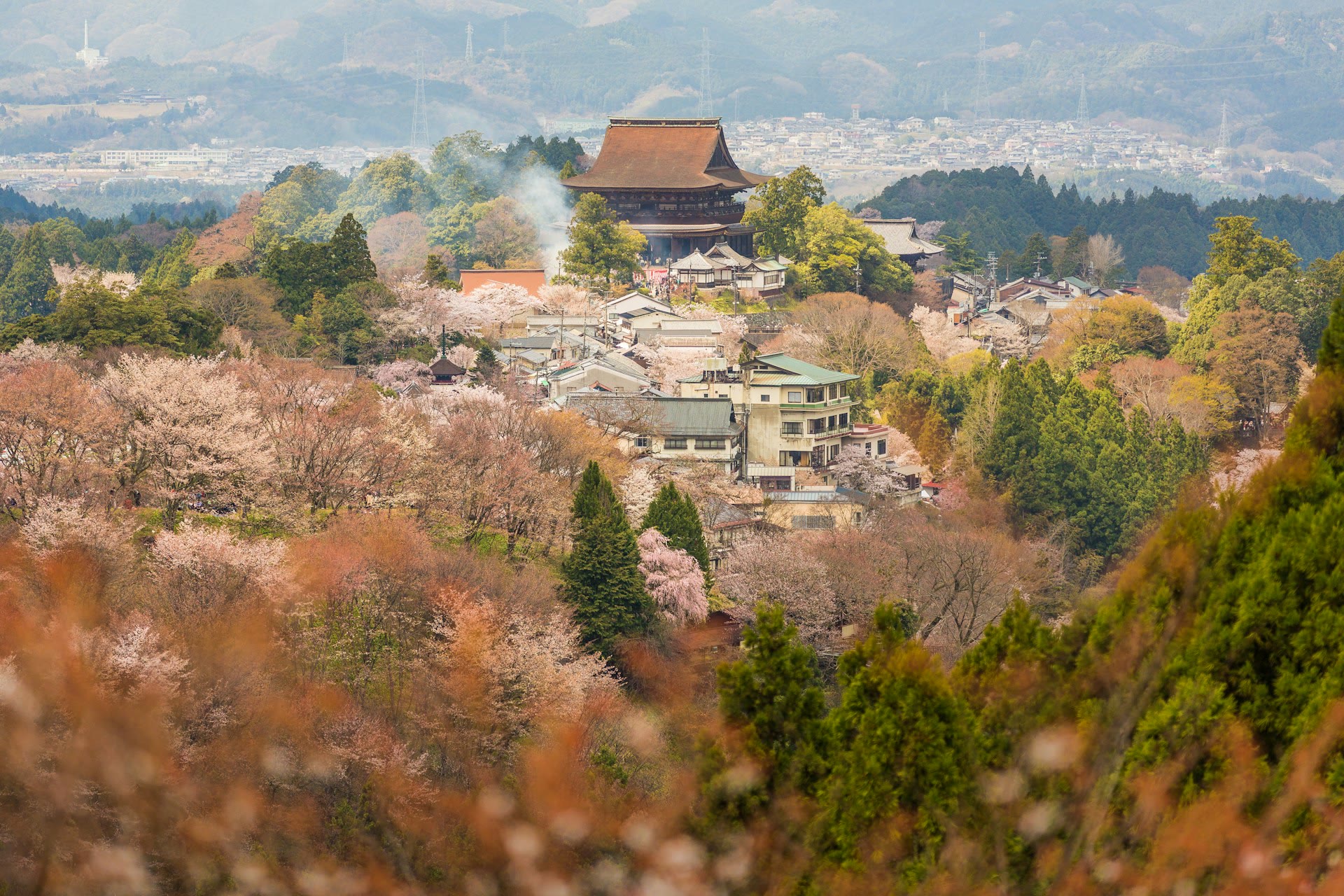
Mount Yoshino in Nara turns pink every spring. More than 30,000 cherry trees color the mountain and the land around it.[1] The best views of the blossoms (and of the autumn leaves) are from Yoshimizu-jinja Shrine and Hanayagura Observatory, with sweeping vistas across the slopes.[1] The trees flower in waves from the bottom of the mountain to the top, so you can follow the bloom uphill.
Four areas, four bloom dates
The mountain is divided into Shimo Senbon (lower), Naka Senbon (middle), Kami Senbon (upper) and Oku Senbon (inner, near Saigyo-an Hermitage). In 2026 the Yoshino Visitors Bureau recorded full bloom on April 1, April 2, April 4 and April 9 respectively.[2] The bureau starts weekly bloom forecasts in early March, and after the trees flower it posts the status every day on its cherry blossom page (in Japanese).[2] In 2026 the updates ended on April 14.[2]
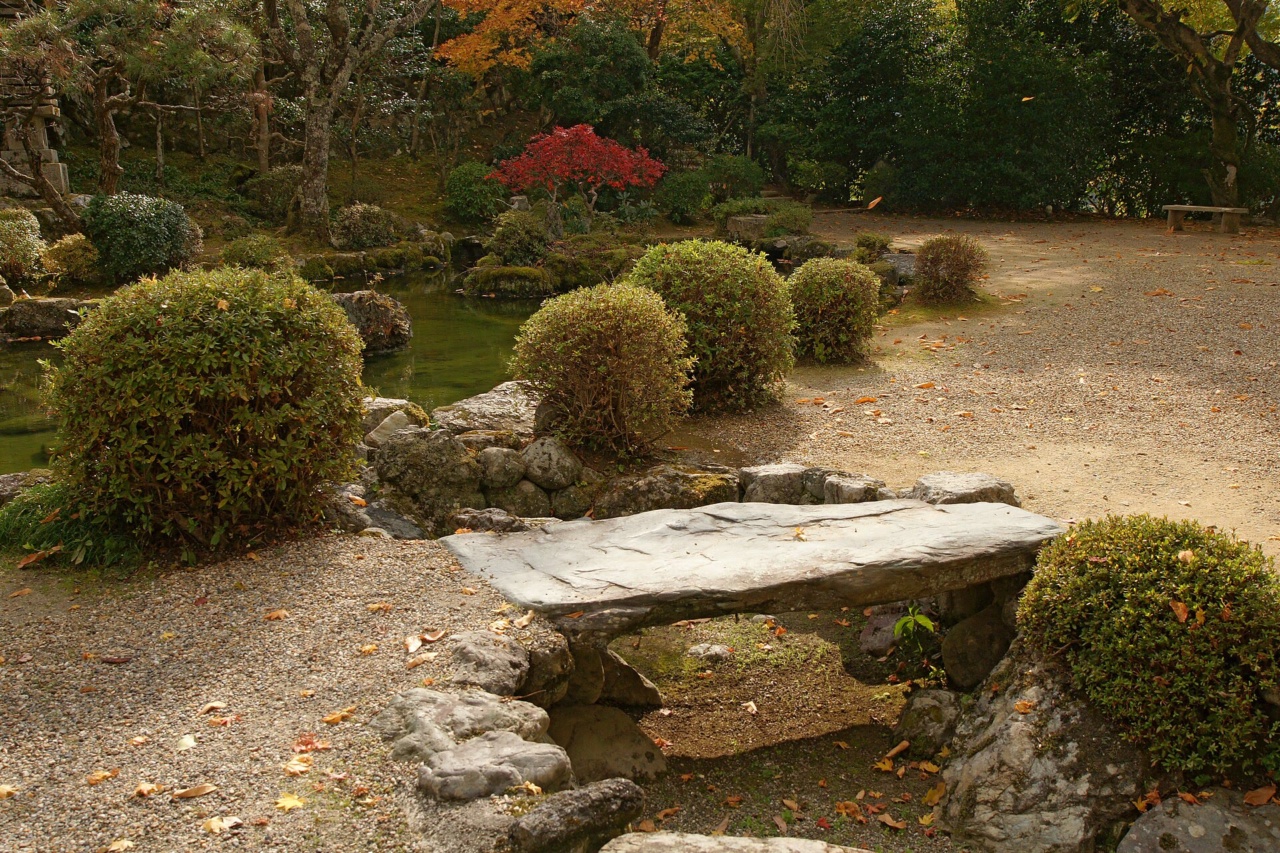
Yoshino is busy at blossom time, so expect crowds and traffic.[1] For a quieter corner, head to Yoshino Mikumari-jinja Shrine near the top of the mountain, where the garden has a weeping cherry tree.[1] Chikurin-in Temple & Garden offers a man-made version of natural beauty designed by the tea master Sen-no-Rikyu, and its weeping cherries are at their finest in spring.[1]
Things to Do
Offers are only loaded from GetYourGuide after you click. GetYourGuide can then process your IP address and set cookies. Privacy Policy
GetYourGuide partner offers. GoAsia may earn a commission if you book through these offers. Check whether tickets or transfers are included, and follow the attraction's official booking and admission rules.
Walk the mountain
The official English walking map gives you two courses: a 5 km short course and a 13.6 km long course.[3] It marks steep uphill sections and stairs, and warns that some stretches are slippery.[3] Shortcuts save about 10 minutes.[3] Typical walking times between stops:
- Kimpusen-ji Temple (Zao-do Hall) to Yoshimizu-jinja Shrine: 10 minutes.[3]
- Katte-jinja Shrine to Yoshino Mikumari-jinja Shrine: 50 minutes.[3]
- Yoshino Mikumari-jinja Shrine to Kimpu-jinja Shrine: 30 minutes.[3]
- Kimpu-jinja Shrine to Saigyo-an Hermitage: 20 minutes.[3]
Download the official English walking-course map (PDF) before you go. Bring cash and snacks: rural Yoshino has few convenience stores and ATMs, and not every shop and hotel accepts cards.[1]
Getting there
Start from Yoshino Station.[1] From Kintetsu-Nara Station it takes about 1 hour 42 minutes, and unless you are tied to a JR Rail Pass this is the most convenient route.[1] From Osaka, Kintetsu runs from Osaka-Abenobashi to Yoshino.[4] The Yoshino Town Tourist Information Center is right by the station.[5] Large bags can go into the coin lockers at Yoshino Station; there are only a limited number of them and no other luggage storage in front of the station, so travel light.[2]
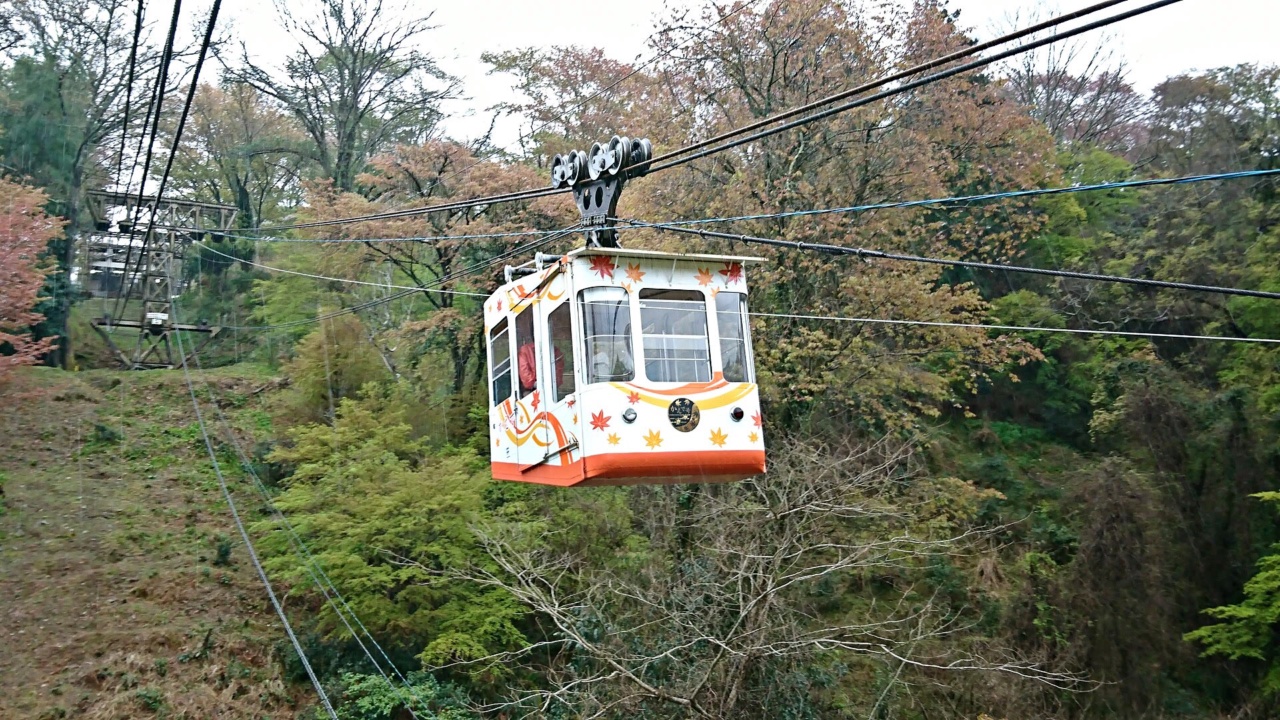
From the station, a ropeway climbs to the mountain.[1] The operator, Yoshino Oomine Cable Bus, calls it the oldest surviving ropeway in Japan.[6] In spring 2026 it ran from March 20 to May 6.[2] Buses run between the top ropeway station and the major attractions, but service is irregular.[1] In 2026 a temporary bus ran from Kintetsu Yoshino Station via Nyoirin-ji Temple to Naka-sembon Park on weekends and holidays in the blossom season for 500 yen one way.[2] Ropeway and bus fares are cash only.[6]
Spring traffic controls apply on the mountain road: in 2026 they ran from March 20 to May 10.[2] The bureau does not take advance reservations for private cars.[2] Come by train.
Beyond the blossoms
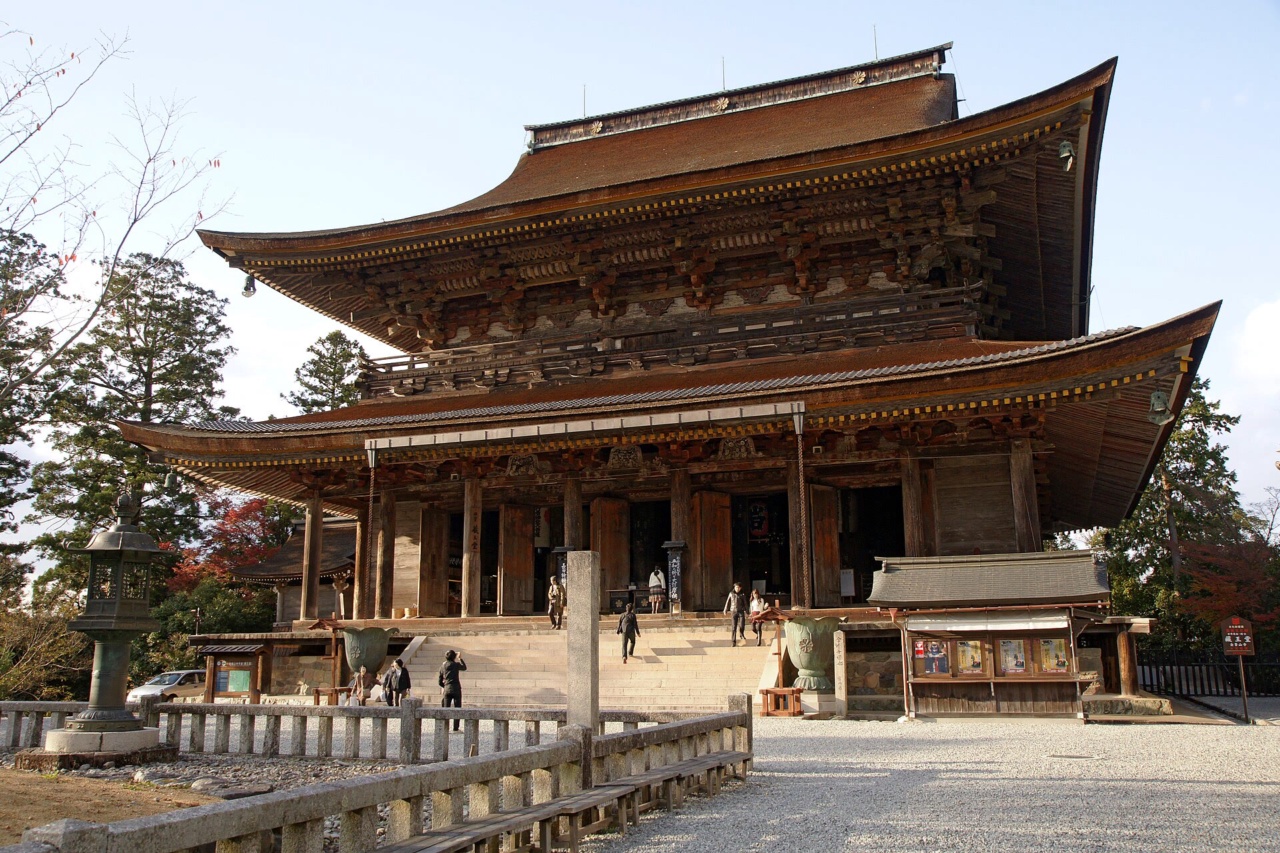
Yoshino has more to offer than spring. In autumn the mountain turns red and yellow, and at Kinpusen-ji Temple you can see three 1,300-year-old blue-skinned Zao Gongen statues.[1] In 2026 the ropeway and the route bus run daily from October 23 to November 30 for the autumn leaves.[6] In summer you may meet Shugendo practitioners, mountain ascetics in white robes who gather at Kinpusen-ji before heading to Mt. Omine.[1]
Taste kuzumochi, a jelly-like sweet made from kuzu (Japanese arrowroot) and local spring water, served with dark syrup or toasted soybean powder, and kakinohazushi, salmon or mackerel pressed on rice and wrapped in persimmon leaves.[1]
Yoshino and Omine form one of the three sacred sites of the UNESCO World Heritage property Sacred Sites and Pilgrimage Routes in the Kii Mountain Range, linked by pilgrimage routes to the ancient capitals of Nara and Kyoto.[7] Stay overnight in Yoshinoyama, which is dotted with traditional ryokan and hot spring hotels.[1] After dark, the town's temple gates and pagodas are lit from 16:30 to 22:30 (planned until March 1, 2027).[2]
Sources and background
Numbers in the text such as [1] refer to these sources.
- [1] Nara Visitors Bureau, Official Nara Travel Guide: Yoshino Area Guide. Retrieved October 22, 2026.
- [2] Yoshino Visitors Bureau: Cherry Blossom Information (桜情報). Retrieved October 22, 2026.
- [3] Yoshino Visitors Bureau: Walking Course Map in English. Retrieved October 22, 2026.
- [4] Kintetsu Railway Co., Ltd.: Railway Network Map. Retrieved October 22, 2026.
- [5] Yoshino Visitors Bureau: Access (アクセス). Retrieved October 22, 2026.
- [6] Yoshino Oomine Cable Bus Corporation: Operating information (運行情報). Retrieved October 22, 2026.
- [7] UNESCO World Heritage Centre: Sacred Sites and Pilgrimage Routes in the Kii Mountain Range. Retrieved October 22, 2026.
Frequently Asked Questions
The four areas bloom in waves from the bottom up. In 2026 full bloom was on April 1 in Shimo Senbon, April 2 in Naka Senbon, April 4 in Kami Senbon and April 9 in Oku Senbon. The Yoshino Visitors Bureau posts weekly forecasts from early March and daily updates once the trees flower.
Yoshimizu-jinja Shrine and Hanayagura Observatory offer sweeping vistas. For a quieter spot, try the weeping cherry in the garden of Yoshino Mikumari-jinja Shrine near the top of the mountain.
The official English walking map has a 5 km short course and a 13.6 km long course. It marks steep uphill sections and stairs and warns about slippery stretches. Shortcuts save about 10 minutes.
Take the Kintetsu line to Yoshino Station. From Kintetsu-Nara Station it takes about 1 hour 42 minutes, and from Osaka-Abenobashi a Kintetsu line runs to Yoshino. The tourist information center is right by the station.
A ropeway runs from outside Yoshino Station up the mountain, and buses run between the top station and the major attractions. Bus service is irregular. Ropeway and bus fares are cash only.
There are coin lockers at Yoshino Station, but only a limited number and no other luggage storage in front of the station.
Yes. Yoshinoyama is dotted with traditional ryokan and hot spring hotels, which make a good base for exploring the area.
Yoshino and Omine are one of three sacred sites in the UNESCO World Heritage property Sacred Sites and Pilgrimage Routes in the Kii Mountain Range, linked by pilgrimage routes to the ancient capitals of Nara and Kyoto.