Jigokudani Monkey Park: A Practical Visitor Guide
Photo: Rebecca Clarke / Unsplash
Contents
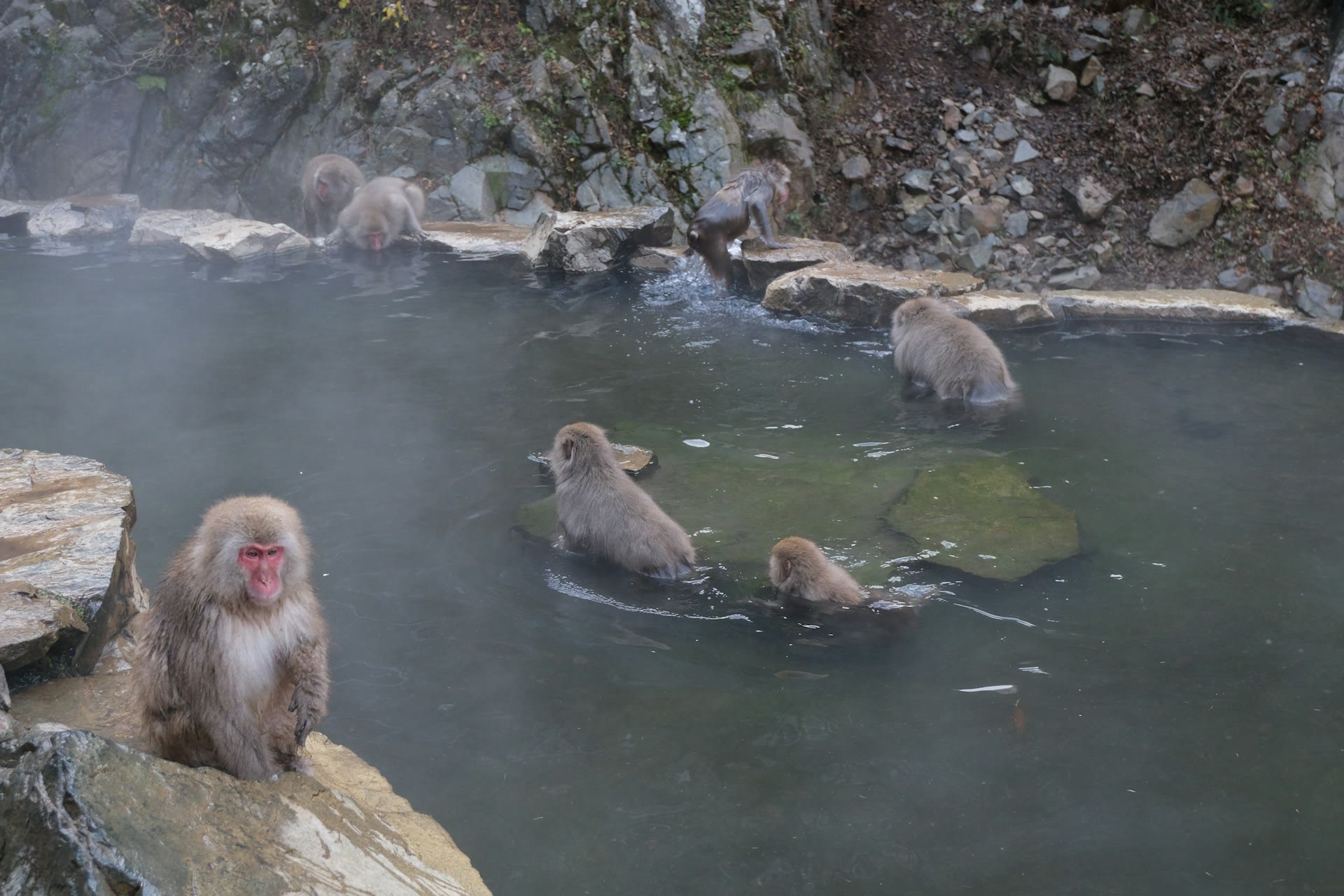
Jigokudani Yaen-Koen, often called Snow Monkey Park, is a wildlife observation park in the mountains of Nagano, where wild Japanese macaques come down to warm up in hot-spring baths. The monkeys are not kept in the park. Staff attract them with a regulated feeding routine during opening hours, but on some days they may not show up at all.[1] Bathing is a winter habit: the monkeys use the baths to stave off the cold, not at all hours and not all year.[1] See the park's visitor guide for the current rules.
When are monkeys most likely to bathe?
Come in winter if you want the classic picture of macaques steaming in the pools. Monkey appearances are particularly sporadic in autumn.[1] No sighting is guaranteed on any day.
The park has no set closing days, but it may shorten its hours or close without notice because of weather, monkey behaviour or natural disasters.[1] Check the park's current notices before you make a long journey.
Things to Do
Offers are only loaded from GetYourGuide after you click. GetYourGuide can then process your IP address and set cookies. Privacy Policy
GetYourGuide partner offers. GoAsia may earn a commission if you book through these offers. Check whether tickets or transfers are included, and follow the attraction's official booking and admission rules.
Plan the forest walk
The Yumichi Natural Trail from Kanbayashi Hot Springs is about 2 km and takes around 30 minutes on foot. It is mostly flat apart from a few hills, and you may spot Japanese serow and squirrels along the way.[2] Some sections are unpaved, with stairs and uneven ground, so wheelchairs and carts cannot use it.[2] Wear sneakers or hiking shoes in warm seasons and rubber or snow boots in winter, and buy simple crampons in advance for winter visits.[3]
Getting there from Nagano
From Nagano Station you have two public-transport options. The Nagano Dentetsu limited express takes 38 minutes to Yudanaka, a local bus takes 15 minutes to the Snow Monkey Park stop, and a 35-minute walk leads to the park. The alternative is an express bus toward Shiga Kogen that takes 41 minutes to the same stop, followed by the same 35-minute walk.[2] From Tokyo, the fastest Hokuriku Shinkansen takes 79 minutes to Nagano.[2] Check current departures and fares with Nagano Dentetsu.
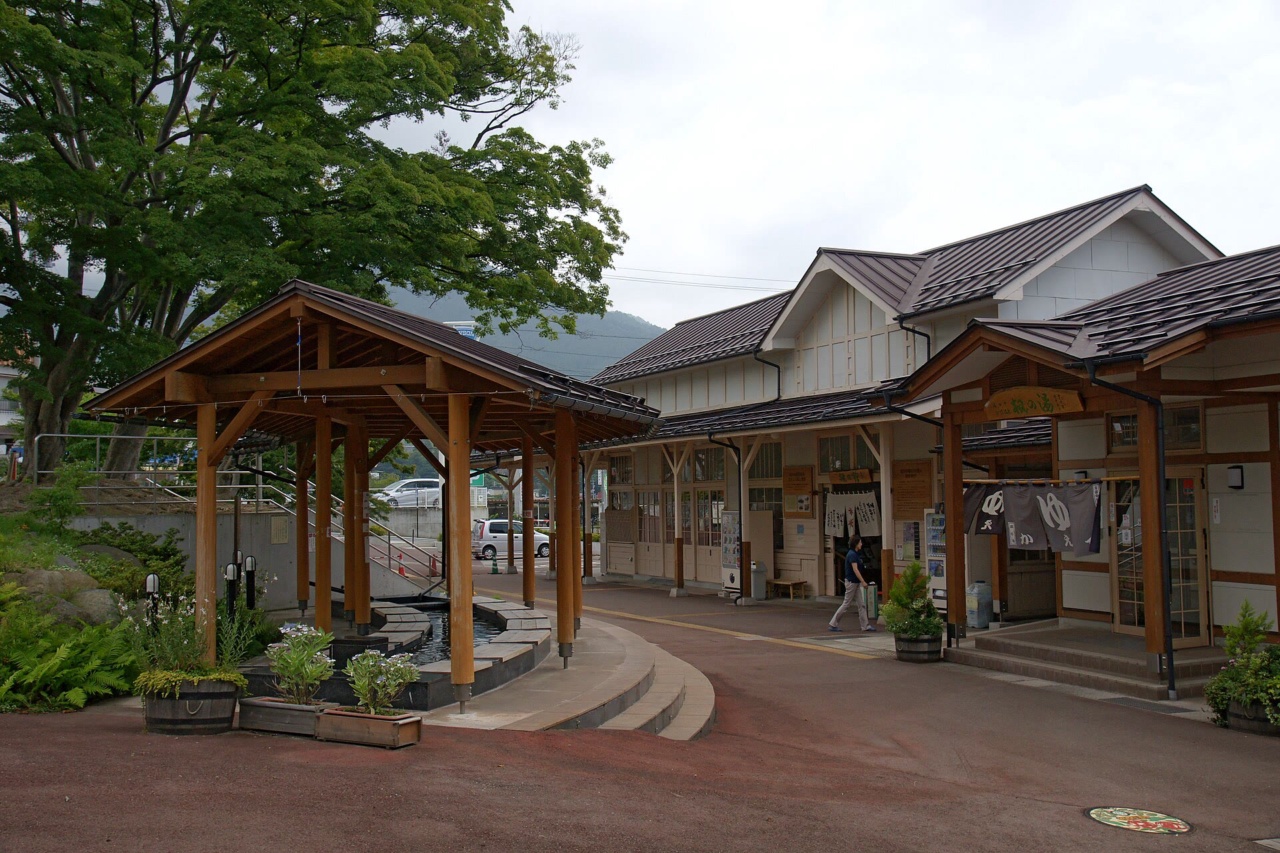
By car, free parking is available at Kanbayashi Hot Springs, a 30-minute walk along the Yumichi trail. The Jigokudani parking lot costs 500 yen and is a 15-minute walk from the park.[2]
Hours, admission and tickets
The park is open from 8:30 a.m. to 5 p.m. from April to October and from 9 a.m. to 4 p.m. from November to March. Arrive 30 minutes before closing.[1]
| Admission category | Single ticket |
|---|---|
| Adult, over 18 | 800 yen[1] |
| Child, age 6 to 17 | 400 yen[1] |
| Child under 5, accompanied by a guardian | Free[1] |
These fees include consumption tax. Cards and electronic money work, QR code payments do not.[1] The park revises its admission fees on 1 December 2026, so check its fee-revision notice for visits from that date.[1]
Buy your ticket at the park on the day,[1] or online for a date you choose, including a ticket bundled with a bus pass between Nagano Station and the park.[4]
Watch wildlife without disturbing it
The rules are simple. Do not feed, touch, yell at or stare into the eyes of the monkeys. Keep your distance, and step away if a curious baby monkey comes close.[3] Photos and flash are allowed, but a camera in the bath, a selfie stick or a drone is not.[3] The park is not a hot spring for people, and bathing with the monkeys is strictly prohibited.[1] No pets are allowed, including guide, hearing and partner dogs, because dogs are natural enemies of monkeys.[1] Watch out for poisonous snakes, bees and prickly plants along the trail.[3]
Yudanaka and Kanbayashi are good places to base yourself: the train route runs through Yudanaka, and the Yumichi trail starts at Kanbayashi Hot Springs.[2]
Sources and background
Numbers in the text such as [1] refer to these sources.
- [1] Jigokudani Yaen-Koen: Guide: opening hours, admission fees and monkey visits. Retrieved October 21, 2026.
- [2] Jigokudani Yaen-Koen: Access: by train and bus, by car, Yumichi Natural Trail. Retrieved October 21, 2026.
- [3] Jigokudani Yaen-Koen: Caution: rules for safe monkey observation, clothing and footwear. Retrieved October 21, 2026.
- [4] Jigokudani Yaen-Koen: Convenient Online Ticket Sales. Retrieved October 21, 2026.
Frequently Asked Questions
No. The park attracts wild monkeys during opening hours, but on some days they may not show up at all. Appearances are particularly sporadic in autumn.
No. The monkeys use the hot-spring baths to keep warm in winter, not at all hours of the day and not throughout the year. Winter is when they bathe, but even then a sighting is not guaranteed.
A single ticket costs 800 yen for adults over 18 and 400 yen for children aged 6 to 17. Children under 5 enter free with a guardian. The park revises its fees on 1 December 2026, so check its notice for later visits.
Yes. The park sells online tickets for a date you choose, including a ticket with a bus pass between Nagano Station and the park. You can also buy a ticket at the park on the day.
Take the Nagano Dentetsu limited express to Yudanaka (38 minutes), a local bus to the Snow Monkey Park stop (15 minutes) and walk for 35 minutes. Or take an express bus toward Shiga Kogen (41 minutes) to the same stop and walk for 35 minutes.
From Kanbayashi Hot Springs the Yumichi Natural Trail is about 2 km and takes around 30 minutes. It has some hills, unpaved sections, stairs and uneven ground, so wheelchairs and carts cannot use it.
The park is open from 8:30 a.m. to 5 p.m. from April to October and from 9 a.m. to 4 p.m. from November to March. Arrive 30 minutes before closing. It may shorten its hours or close without notice.
Do not feed, touch, yell at or stare at the monkeys, and step away if one approaches. Flash photography is allowed, but drones, selfie sticks and cameras in the bath are not. Pets, including guide, hearing and partner dogs, are not allowed.