Osaka Castle: History, Museum, and the Park That Surrounds It
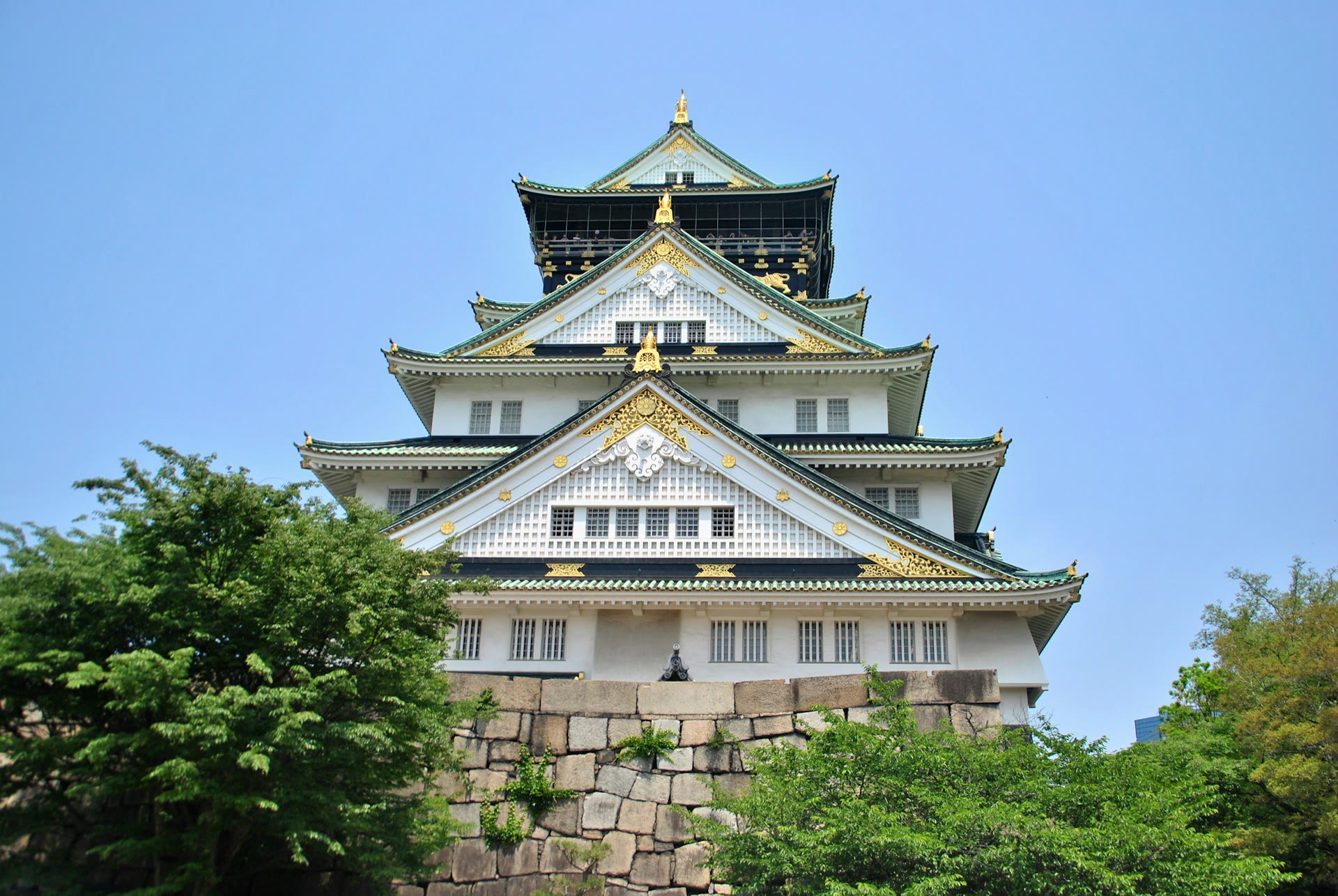
Photo: Stefan K / Unsplash
Contents
Toyotomi Hideyoshi began building Osaka Castle in 1583.[1] After the castle fell in the Summer Siege of 1615, the Tokugawa shogunate began a rebuild in 1620.[1] The tower you see today is the third one. Citizens paid for it with donations, and it was completed in 1931.[2] It has been a museum from the start, so inside you find exhibits rather than historic rooms.[2]
The park around it covers 105.6 hectares. You walk in for free at any hour, but the tower, the Nishinomaru Garden and other facilities charge their own fees and keep their own hours.[3] Decide whether you want a free stroll around the moats or a paid visit inside.
Getting to Osaka Castle
Several stations serve the park.[4] Take the Osaka Metro to Tanimachi 4-chome (Tanimachi and Chuo lines), Morinomiya (Chuo and Nagahori Tsurumi-ryokuchi lines) or Osaka Business Park (Nagahori Tsurumi-ryokuchi line), or the JR Osaka Loop Line to Morinomiya or Osakajokoen. Temmabashi on the Keihan line and Osakajokitazume on the JR Tozai line are close as well.[4]
City Bus route 62 runs from Osaka Station via Yodoyabashi and Temmabashi to the Osakajo Otemae stop. A water bus also stops at Osakajo Port.[4]
Things to Do
Offers are only loaded from GetYourGuide after you click. GetYourGuide can then process your IP address and set cookies. Privacy Policy
GetYourGuide partner offers. GoAsia may earn a commission if you book through these offers. Check whether tickets or transfers are included, and follow the attraction's official booking and admission rules.
The Main Tower and Museum
Entrance and Hours
The tower is open from 09:00 to 18:00, with last admission at 17:30. On busy days the ticket queue can close before 17:30 so everyone in line gets in on time. It is closed from 28 December to 1 January.[5]
Adults pay 1,200 yen. University and senior high school students pay 600 yen with proof, and junior high school students and younger enter free with proof of age. Overseas students need an ISIC card, and overseas visitors aged 15 or younger can show a passport.[5] You can pay in cash, by credit card, with transport IC cards or by QR code, and buy tickets online in advance.[5]
Inside the Museum
The top floor is the observation deck, 50 metres above the ground, with a view over the castle grounds and the city.[6] Work your way down through the floors.
- 8th floor: The observation deck. Wheelchair users can step out onto it.[6]
- 7th floor: Hideyoshi's life told in dioramas, where a tiny Hideyoshi moves through the miniature scenes.[6]
- 5th floor: The Osaka Summer Siege folding screen brought to life with video and miniature models, including the battle between the forces of Sanada Yukimura and Matsudaira Tadanao. Panoramic screens explain each scene with subtitles in Japanese, English, Chinese and Korean.[6]
- Floors 3 and 4: Objects from Hideyoshi's time and the history of the castle, rotated about every 2 months. The 3rd floor also has a full-size reconstruction of Hideyoshi's golden tea room and models of the castle under Toyotomi and under Tokugawa.[6]
- 2nd floor: Basics about castles, with full-size replicas of the tower's shachi and crouching-tiger ornaments.[6]
- 1st floor: A theatre room shows 5 programmes about Hideyoshi and the castle, with subtitles in 4 languages.[6]
On the 2nd floor you can try on a reproduction samurai helmet and a jinbaori jacket for a photo, for 500 yen per person.[5]
The lift goes up only, and non-stop to the 5th floor. From there you climb the stairs to the 8th floor and walk down the stairs to the exit. The 6th floor is a closed corridor with nothing to see. Wheelchair users and people who find stairs hard can use the lift on every floor, up and down, with staff guidance.[5]
Good to know: there are no coin lockers, but the ticket counter keeps a bag for 100 yen each (accepted from 09:00 to 17:30, collect by 18:00). Audio guides in Japanese, English, Korean and Chinese are free. Strollers are generally not allowed inside, and gate staff store them free of charge. Eating and drinking inside are not allowed.[5]
The Stone Walls
Every wall and moat you see above ground dates from the Tokugawa rebuild. Hideyoshi's walls are not visible there, because the Tokugawa buried them under about 6 metres of fill to erase the Toyotomi legacy.[1]
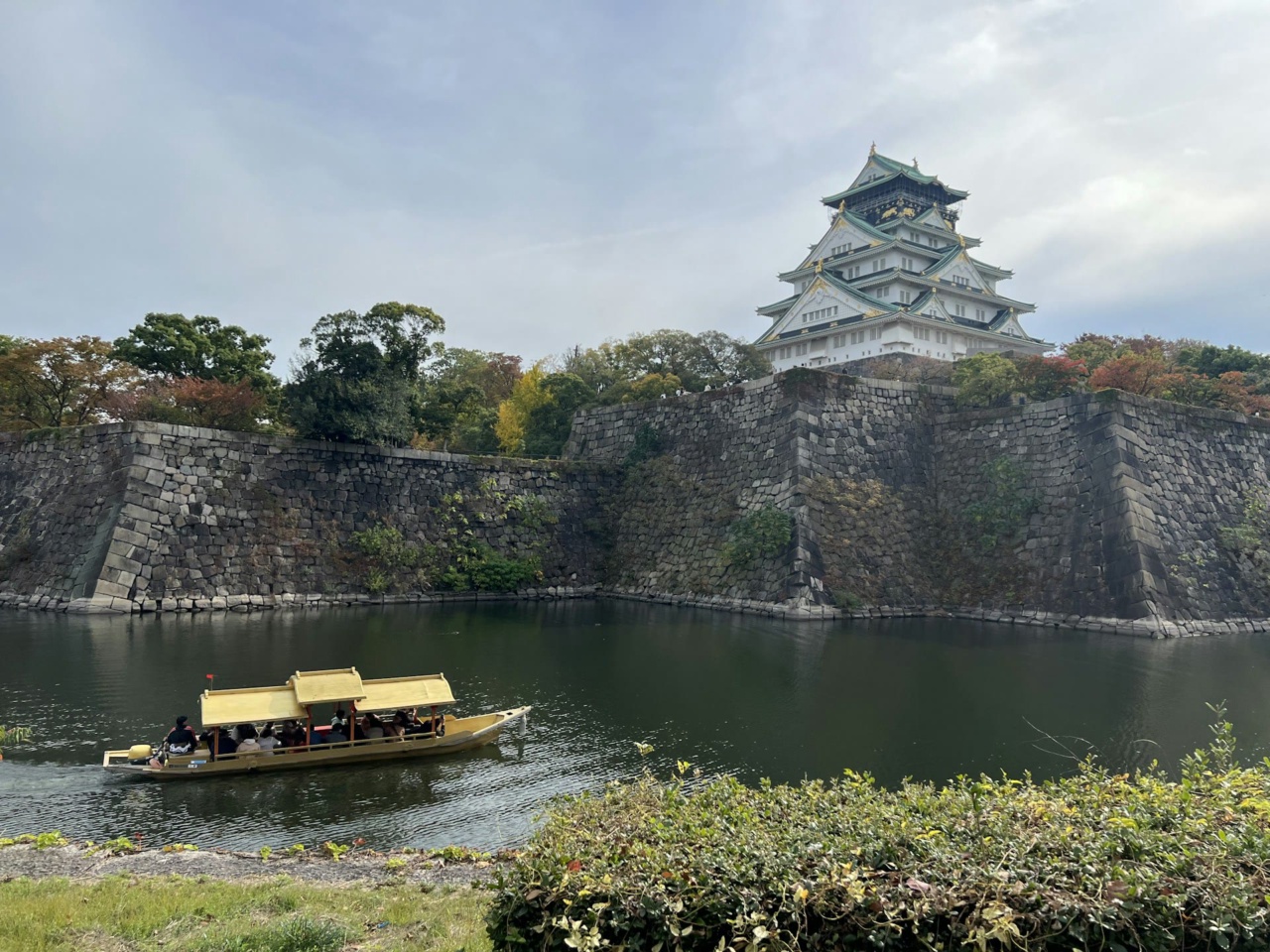
The Toyotomi Stone Wall Museum, opened in 2025, lets you go down underground to see them, in the private quarters where Hideyoshi, his wife Ne and later Yodo-dono and her son Hideyori lived. You see rough, unworked fieldstone, scorch marks from the fire of 1615 and old temple foundation stones reused in the wall.[1] Entry requires a tower ticket. It is open from 09:00 to 18:00 with last admission at 17:30. Visits can be stopped without notice if the wall is unstable, and there are no toilets inside.[1]
Nishinomaru Garden
West of the tower lies the Nishinomaru Garden, 6.4 hectares of which about half is lawn. It has around 300 cherry trees, mostly Yoshino, and a classic view of the tower.[7] It is managed separately and charges admission, so it is not just another gate into the free park.
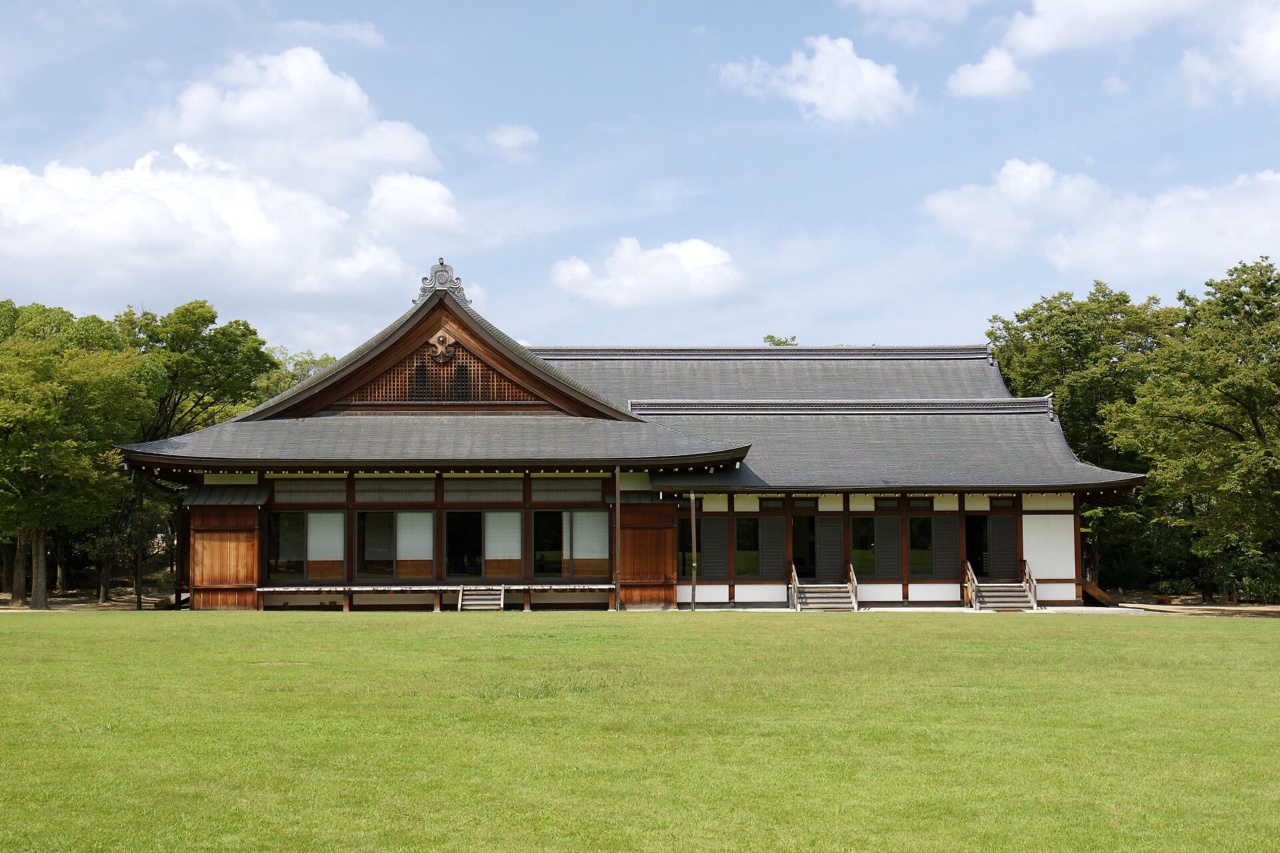
Adults pay 300 yen, and junior high school students and younger enter free. It is open from 09:00 to 17:00 from March to October and from 09:00 to 16:30 from November to February, with last admission 30 minutes before closing. It is closed on Mondays (the next day if Monday is a public holiday) and from 28 December to 4 January. In cherry blossom season the hours and fees are different.[7]
Cherry Blossom Season
The park has about 3,000 cherry trees, mostly Somei-Yoshino.[8] The garden also holds the Osaka Regional Headquarters' benchmark Yoshino tree: when 5 or 6 blossoms open on it, Osaka's cherry season officially begins.[7] Follow the park's bloom reports for the current week. The park also has a plum grove with 1,245 trees of 105 varieties.[3]
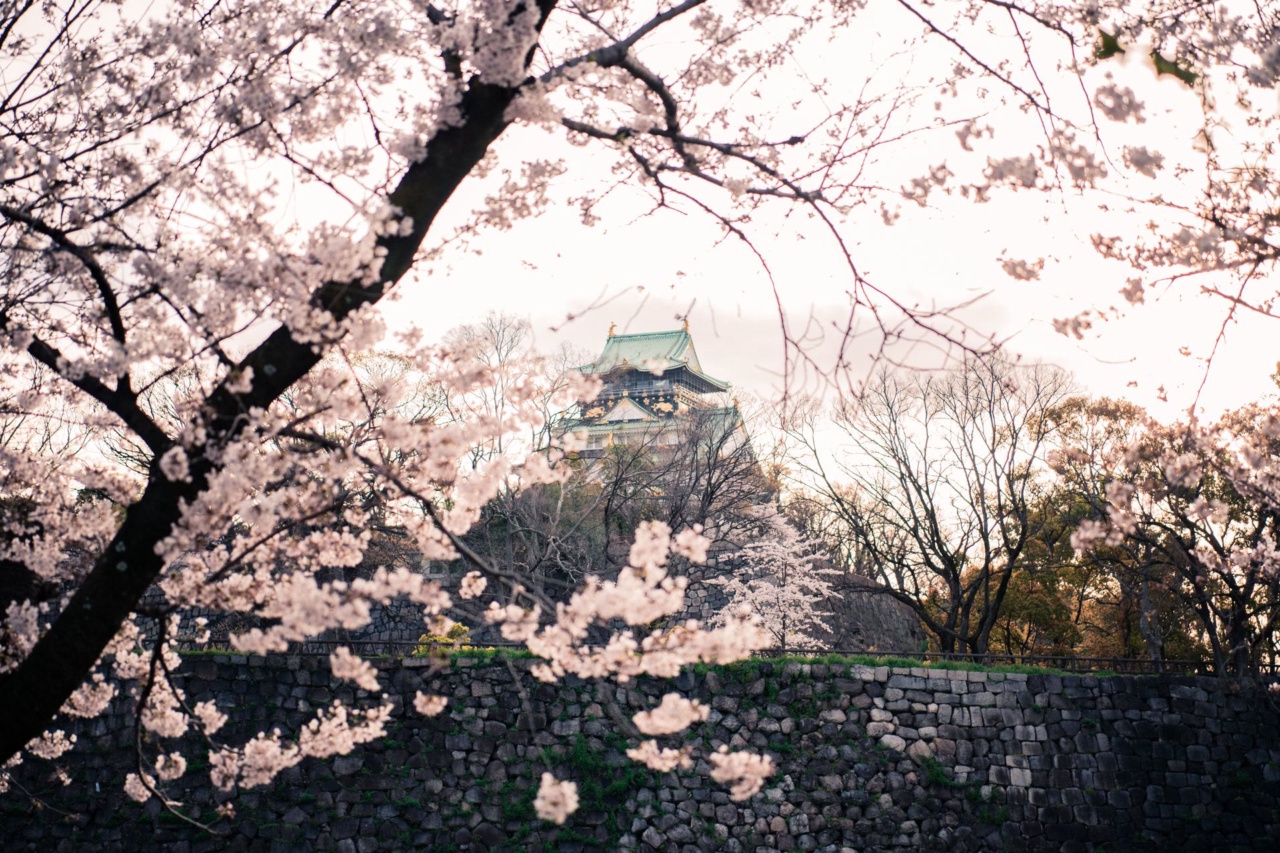
The Osaka Castle Spring Festival ran from 10 March to 24 May in 2026, with illuminated night cherry viewing and seasonal events.[8]
Park etiquette keeps the trees healthy: no vehicles in the park, no loud voices, no smoking or open fire outside designated areas, and no litter. There are no bins, so take your rubbish with you.[8]
Beyond the Castle
Osaka Museum of History
If you want more city history, the Osaka Museum of History is another option nearby. Permanent exhibitions run from the ancient period on the 10th floor to modern times on the 7th. It is open from 09:30 to 17:00, with entry until 16:30, and closed on Tuesdays (the next day if Tuesday is a holiday) and from 28 December to 4 January. Adults pay 600 yen, high school and university students 400 yen, and junior high school students and younger enter free.[9] Take the Osaka Metro to Tanimachi 4-chome (exit 2 or 9).[9] The old combined ticket with the castle tower ended on 27 December 2024.[5]
Tips for Visiting Osaka Castle
Sources and background
Numbers in the text such as [1] refer to these sources.
- [1] Osaka Castle Museum: Toyotomi Stone Wall Museum. Retrieved October 21, 2026.
- [2] Osaka Castle Museum: Osaka Castle Museum: history of the castle and tower, tickets. Retrieved October 21, 2026.
- [3] Osaka Convention & Tourism Bureau: Osaka Castle Park. Retrieved October 21, 2026.
- [4] Osaka Castle Museum: Access. Retrieved October 21, 2026.
- [5] Osaka Castle Museum: User guide: opening hours, admission, services. Retrieved October 21, 2026.
- [6] Osaka Castle Museum: Exhibitions: floor map and displays. Retrieved October 21, 2026.
- [7] Osaka Castle Park: Nishinomaru Garden. Retrieved October 21, 2026.
- [8] Osaka Castle Park: Osaka Castle cherry blossoms 2026. Retrieved October 21, 2026.
- [9] Osaka Museum of History: Osaka Museum of History: hours, fees, access. Retrieved October 21, 2026.
Frequently Asked Questions
No. Hideyoshi began building the castle in 1583, and it fell in 1615. The Tokugawa shogunate rebuilt it from 1620 and buried the Toyotomi walls under fill. The present tower is the third and was completed in 1931 with citizens' donations. The walls and moats above ground are from the Tokugawa rebuild. The Toyotomi Stone Wall Museum, opened in 2025, shows Hideyoshi's walls underground.
The tower costs 1,200 yen for adults and 600 yen for university and senior high school students with proof. Junior high school students and younger enter free. The park itself is free. Nishinomaru Garden charges 300 yen for adults and the Toyotomi Stone Wall Museum needs a tower ticket.
Take the Osaka Metro to Tanimachi 4-chome, Morinomiya or Osaka Business Park, or the JR Osaka Loop Line to Morinomiya or Osakajokoen. Temmabashi on the Keihan line is close too.
No. There are no coin lockers inside the tower, but the ticket counter keeps a bag for 100 yen each. Strollers are stored free at the gate.
Spring. The park has about 3,000 cherry trees, and the Nishinomaru Garden has around 300 Yoshino trees. Osaka's cherry season officially begins when 5 or 6 blossoms open on the benchmark tree in the garden. In 2026 the park's spring festival ran from 10 March to 24 May.
The tower is open from 09:00 to 18:00, with last admission at 17:30, and closed from 28 December to 1 January. Nishinomaru Garden closes at 17:00 from March to October and at 16:30 from November to February, and is closed on Mondays.
Yes. The tower is a museum with exhibits on Hideyoshi and the castle, and an observation deck on the 8th floor. A lift takes you non-stop to the 5th floor, and from there you take the stairs.