Shibuya Crossing: viewpoints, tickets and station access
Contents
- 1. Choose the view that suits your visit
- 2. Get to the crossing, not the wrong building
- 3. SHIBUYA SKY: city panorama and booking
- 4. MAG8: a closer crossing view
- 5. TSUTAYA café and payment
- 6. Crowds, photography and timing
- 7. Hachiko and nearby walks
- 8. Build a realistic visit
- 9. Sources and background
- 10. Frequently Asked Questions
Choose the view that suits your visit
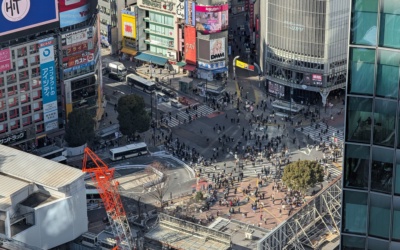
The Shibuya Scramble Crossing is free: watch from the pavement and cross when the pedestrian signals allow. For a wide city panorama, go up SHIBUYA SKY. For the closest look at the intersection, choose MAG8, and for a coffee break, the SHIBUYA TSUTAYA café. A café purchase does not reserve a window seat. You do not need a ticket to experience the crossing itself.
Things to Do
Offers are only loaded from GetYourGuide after you click. GetYourGuide can then process your IP address and set cookies. Privacy Policy
GetYourGuide partner offers. GoAsia may earn a commission if you book through these offers. Check whether tickets or transfers are included, and follow the attraction's official booking and admission rules.
Get to the crossing, not the wrong building
At Shibuya Station, follow the signs to the Hachiko Exit for the crossing. The station is served by JR, the Tokyo Metro Ginza, Hanzomon and Fukutoshin lines, Tokyu Toyoko and Den-en-toshi, and Keio Inokashira.[1][2] Allow time to walk through the station. SHIBUYA SKY has its own entrance and ticket counter on floor 14 of Shibuya Scramble Square.[2] The Sky Lobby on floor 11 of nearby Shibuya Hikarie is a different place.[2]
Suica and PASMO are rechargeable cards that work on many metropolitan rail and bus services; they are not one unlimited ticket for every operator.[3][4] Fares depend on the journey and operator, so keep enough balance. A subway-only pass and a charged IC card are different products, so check what a day pass covers. The train journey time does not include the walk out to the crossing.
SHIBUYA SKY: city panorama and booking
SHIBUYA SKY combines the indoor SKY GALLERY on floor 46 with the rooftop SKY STAGE, 229 m above ground.[5][6] It gives you a broad Tokyo view rather than a close look at the crossing. It is open 10:00 to 22:30, with last admission at 21:20.[5] Plan a separate visit instead of squeezing it in between photo stops at street level.
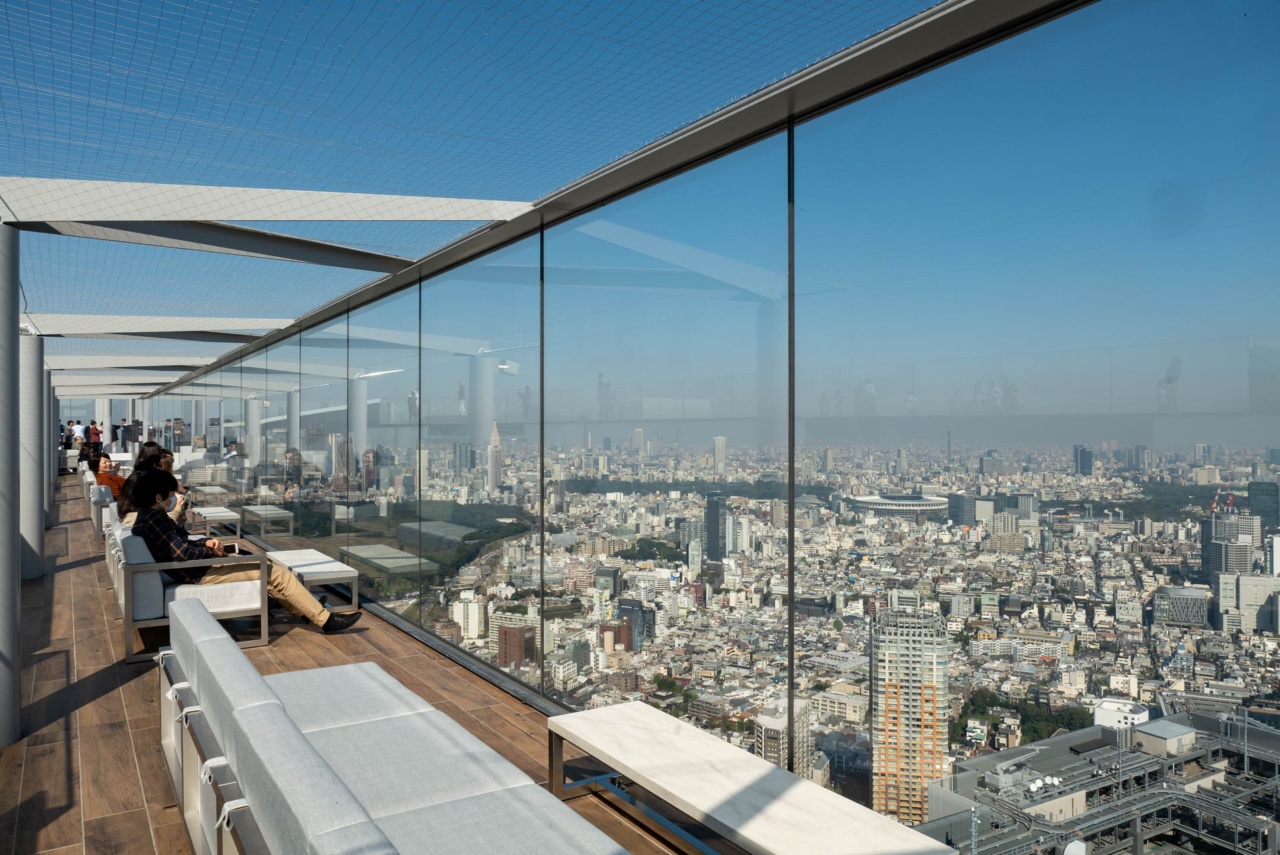
Online adult tickets cost JPY 2,700 for entry before 15:00 and JPY 3,400 from 15:00.[6] Counter prices differ. Tickets go on sale up to two weeks ahead and can sell out; if adult online tickets are sold out, adult counter tickets are sold out too.[6] Book ahead rather than counting on a same-day queue.
Bad weather or other adverse conditions can close the rooftop without notice.[6] Bags, backpacks, tripods, monopods and selfie sticks cannot be taken onto the roof, so use the lockers and store large luggage beforehand.[6] Ask staff about step-free access and strollers: lift assistance is available and a limited number of strollers can be borrowed.[6]
MAG8: a closer crossing view
CROSSING VIEW & ROOFTOP LOUNGE MAG8 is on the roof of MAGNET by SHIBUYA109, not Shibuya MODI.[7] Admission is JPY 1,800 per person including one drink.[8][7] No reservation is required, payment is cashless only, and it is open 10:00 to 22:00 with last entry at 21:30.[8][7] Weather can restrict the outside area. Steps limit wheelchair access, strollers are not allowed on the deck, and tripods, selfie sticks and drones are prohibited.[8] Contact the venue about access needs.
TSUTAYA café and payment
The Starbucks SHIBUYA TSUTAYA 2F store is in QFRONT, 21-6 Udagawacho.[9] It takes cashless payment only, sells drinks in Tall size only and is open 07:00 to 22:30; it can close on exceptional days.[9] A drink is a café purchase, not a ticket for a crossing view or a reserved window seat.
Crowds, photography and timing
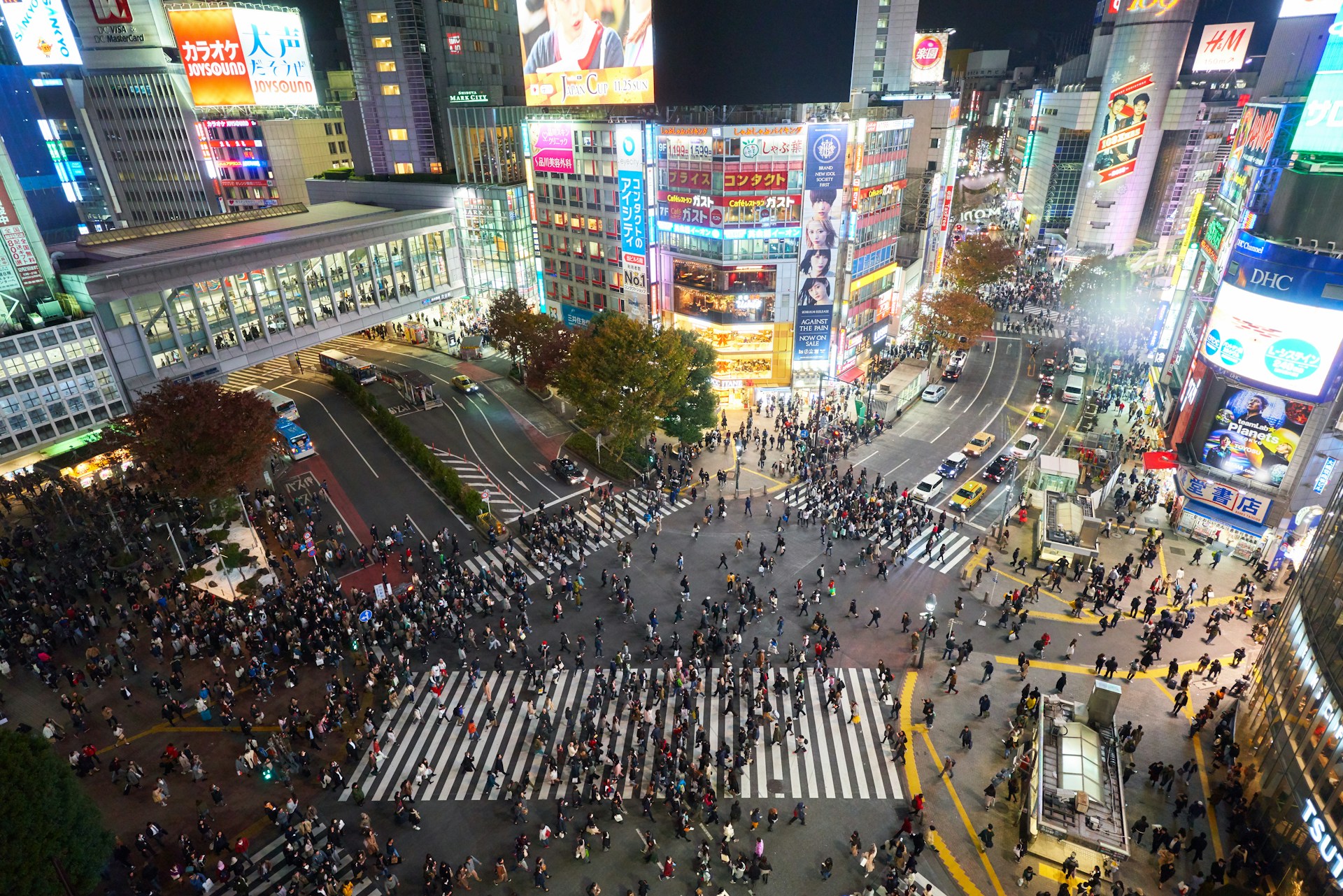
Upwards of 1,000 people cross at a time, and the crowd changes with the day, events and weather.[10] Come in the evening for the illuminated city; if you would rather watch in comfort than get a packed photo, stay flexible about timing. Stay on the pavement to take photographs, respect other pedestrians and keep moving while crossing. Do not stop in the road or fly a drone.
Hachiko and nearby walks
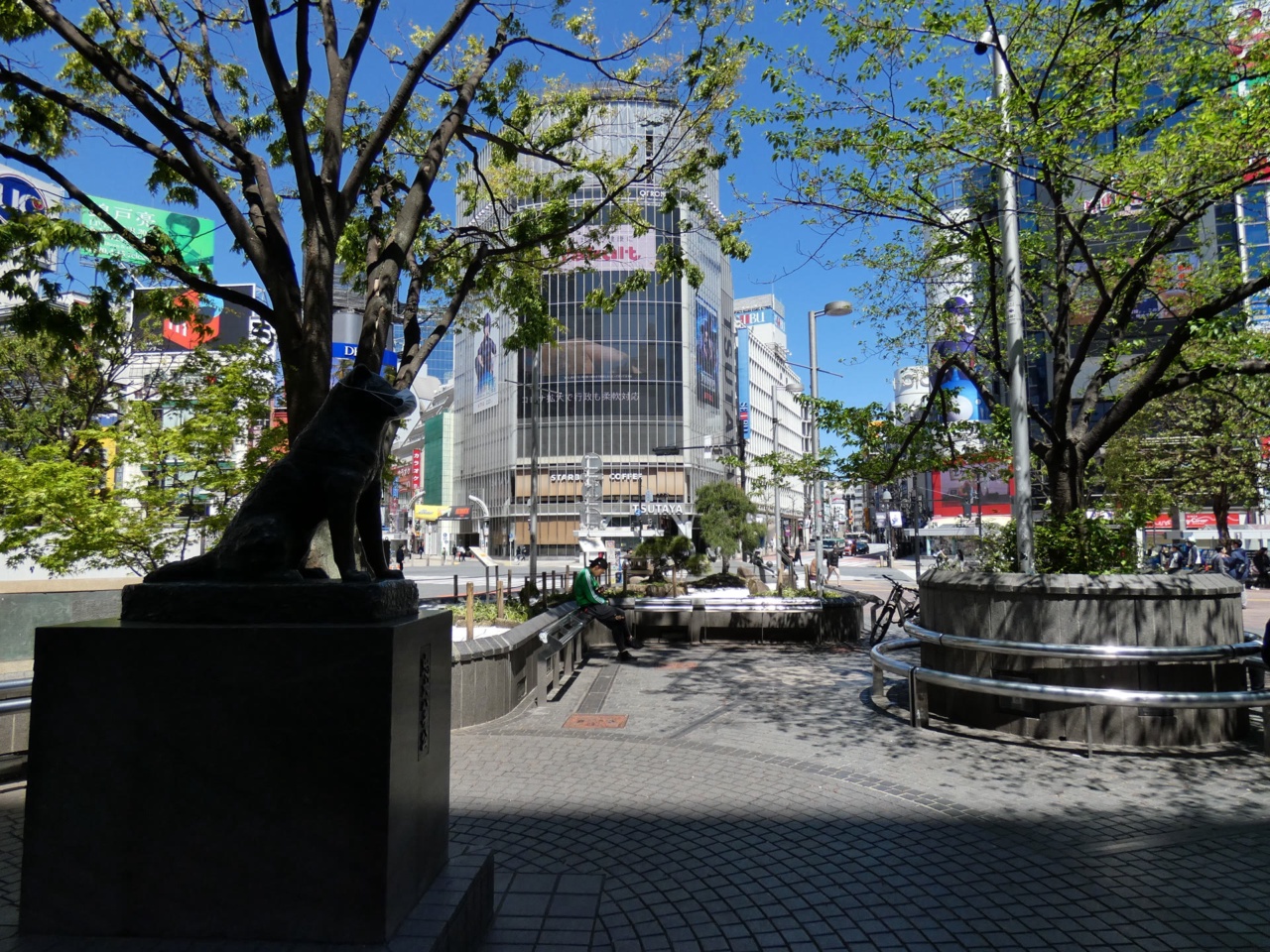
The Hachiko statue near the crossing commemorates the Akita dog associated with Professor Hidesaburo Ueno and is a local meeting point.[1][11] It is not the statue showing the professor reunited with Hachiko: the University of Tokyo places that sculpture on its Yayoi Campus near the No-seimon Gate and dates its unveiling to 2015.[11] Visiting the university statue is a separate journey. For a nearby walk, try the Center-gai shopping streets.[10]
Harajuku, Meiji Shrine and Yoyogi Park are separate visits, each with its own entrances and walking distances. For a bar or other venue, check its opening hours, cover charge and rules directly.
Build a realistic visit
Allow roughly 60 to 90 minutes for a first look at street level, Hachiko and a short local walk. Add your booked platform slot, the walk through the station, queuing and any meal or shopping time. Keep a street-level plan B in case the roof closes.
Sources and background
Numbers in the text such as [1] refer to these sources.
- [1] Tokyo Convention and Visitors Bureau: Hachiko statue near Shibuya Crossing and station lines. Retrieved October 15, 2026.
- [2] Shibuya Scramble Square: SHIBUYA SKY floor 14 entrance, rail access and distinction from Hikarie Sky Lobby. Retrieved October 15, 2026.
- [3] Tokyo Metro: PASMO payment, journey fares and transfer guidance. Retrieved October 15, 2026.
- [4] Tokyo Convention and Visitors Bureau: Tokyo IC cards and distinct operator-limited passes. Retrieved October 15, 2026.
- [5] Shibuya Scramble Square: SHIBUYA SKY official facility information. Retrieved October 15, 2026.
- [6] Shibuya Scramble Square: Official SHIBUYA SKY fares, booking and rooftop rules. Retrieved October 15, 2026.
- [7] MAGNET by SHIBUYA109: MAG8 rooftop location, admission and published operating hours. Retrieved October 15, 2026.
- [8] MAGNET by SHIBUYA109: CROSSING VIEW and ROOFTOP LOUNGE MAG8 FAQ. Retrieved October 15, 2026.
- [9] Starbucks Coffee Japan: SHIBUYA TSUTAYA 2F: cashless payment, Tall size, address and opening hours. Retrieved October 15, 2026.
- [10] Tokyo Convention and Visitors Bureau: Shibuya Scramble Crossing. Retrieved October 15, 2026.
- [11] The University of Tokyo: Hachiko and UTokyo: the statue at Yayoi Campus. Retrieved October 15, 2026.
Frequently Asked Questions
Upwards of 1,000 people cross the intersection at a time. The crowd changes with the day, events and weather.
Yes. You watch from the pavement and cross when the pedestrian signals allow. Viewing platforms are optional and charge admission: the online adult ticket for SHIBUYA SKY costs JPY 2,700 before 15:00 and JPY 3,400 from 15:00, and MAG8 costs JPY 1,800 including one drink.
Shibuya Station is served by JR, the Tokyo Metro Ginza, Hanzomon and Fukutoshin lines, Tokyu Toyoko and Den-en-toshi, and Keio Inokashira. Follow the signs to the Hachiko Exit and allow time to walk through the station. Suica and PASMO are rechargeable cards for many rail and bus services, not one ticket covering every operator.
Come in the evening for the illuminated city scene. If you would rather watch in comfort than get a packed photo, stay flexible about timing.
Take photographs from the pavement, respect other pedestrians and keep moving while you cross. Do not stop in the road and do not fly a drone. For elevated views, SHIBUYA SKY does not allow bags, backpacks, tripods, monopods or selfie sticks on the roof, and MAG8 prohibits tripods, selfie sticks and drones.
Choose SHIBUYA SKY for a wide Tokyo panorama from the indoor SKY GALLERY on floor 46 and the rooftop SKY STAGE, 229 m above ground. Choose MAG8, on the roof of MAGNET by SHIBUYA109, when the intersection itself is your priority. SHIBUYA SKY tickets go on sale up to two weeks ahead and can sell out, while MAG8 requires no reservation.
The Hachiko statue near the crossing is a local meeting point. The sculpture showing the professor reunited with Hachiko is a different statue on the University of Tokyo's Yayoi Campus, so visiting it is a separate journey. For a short walk, try the Center-gai shopping streets; Harajuku, Meiji Shrine and Yoyogi Park are separate visits.
Allow roughly 60 to 90 minutes for a street-level look, Hachiko and a short local walk. Add any booked platform slot, the walk through the station, queuing and meal or shopping time.