Tsukiji Outer Market: food, shopping and planning your visit
Photo: Connor Gan / Unsplash
Contents
- 1. Choose Tsukiji or Toyosu for your purpose
- 2. Use shop hours, not one blanket market schedule
- 3. Plan a meal and a manageable shopping route
- 4. Choose the station from your actual starting point
- 5. Pay and buy with a clear plan for taking things home
- 6. Use Plat Tsukiji and respect the working market
- 7. Add Toyosu only if it fits your day
- 8. Sources and background
- 9. Frequently Asked Questions
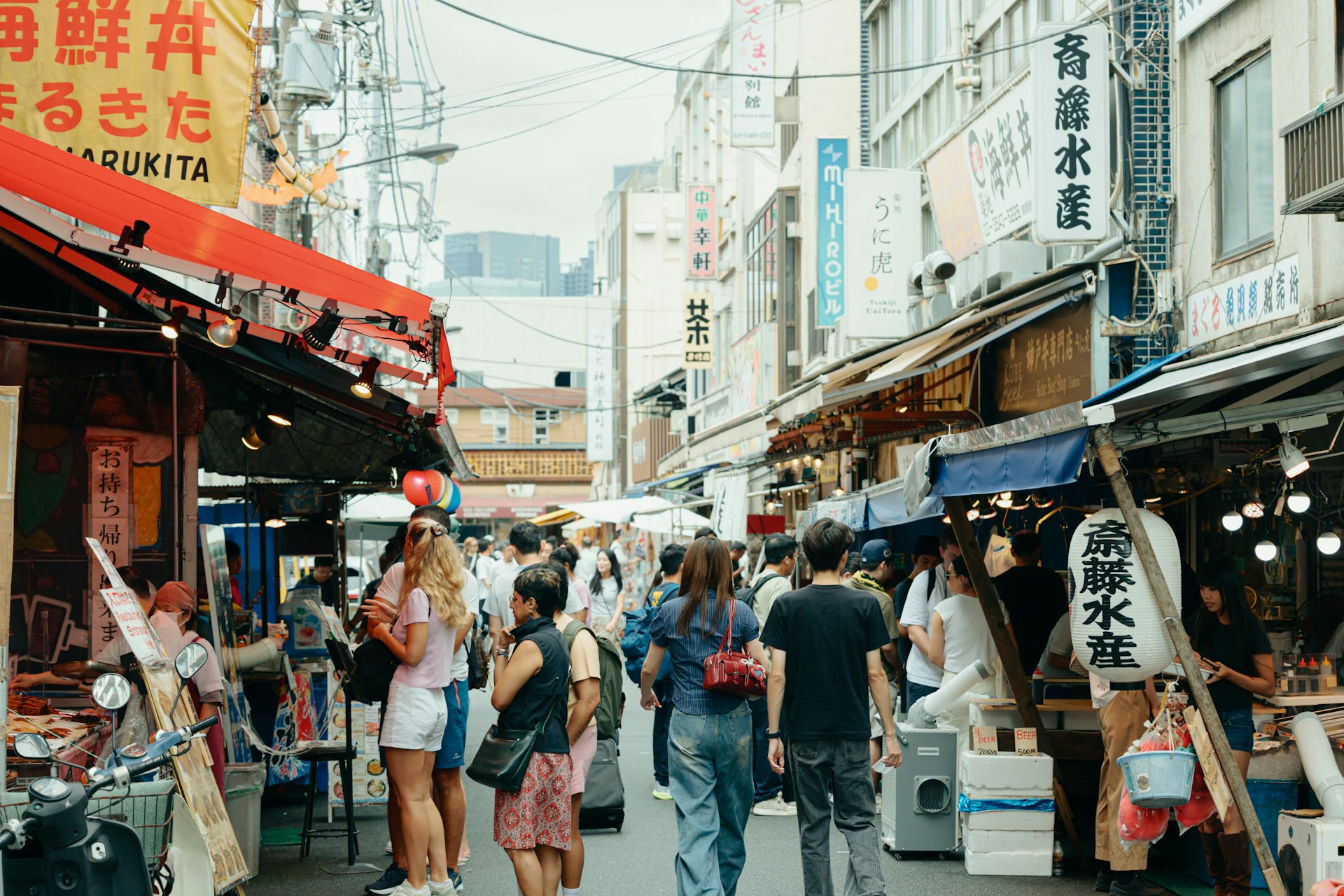
Choose Tsukiji Outer Market for a meal, specialist food shopping and kitchenware, not for the tuna auction. The outer market is still in Tsukiji, a maze of narrow streets lined with wholesale and retail shops and restaurants.[1] The wholesale market and its fish auction moved to Toyosu.[1] Plan around the shops you want, and leave time to eat without blocking the working market.
Arrive around or after 09:00. Until then professional buyers have priority, and the market asks visitors to stay out of their way.[2]
Choose Tsukiji or Toyosu for your purpose
| Your aim | Where to start | What to arrange |
|---|---|---|
| Eat and browse specialist shops | Tsukiji Outer Market | Individual shop hours, menus and eating space |
| Buy knives, utensils or ingredients | Tsukiji's specialist shops | Ask about the product, payment and the rules for taking it home |
| See the wholesale market or tuna auction | Toyosu Market | Visitor opening days and the observation area you want |
The outer market association describes Tsukiji as Japan's food town: wholesalers, retailers and restaurants side by side, where traditional Japanese foods and new culinary trends meet.[1] Some wholesalers now sell to visitors too, with smaller portions such as bite-sized egg rolls and ready-to-eat sushi.[1] Toyosu Market was established on 11 October 2018.[3]
Things to Do
Offers are only loaded from GetYourGuide after you click. GetYourGuide can then process your IP address and set cookies. Privacy Policy
GetYourGuide partner offers. GoAsia may earn a commission if you book through these offers. Check whether tickets or transfers are included, and follow the attraction's official booking and admission rules.
Use shop hours, not one blanket market schedule
The market's hours run in three stages: 06:00 to 09:00 for professional buyers, 09:00 to 14:00 for the public, and flexible hours after 14:00.[2] Each shop keeps its own schedule, so check the business you plan to visit.[2]
Many shops close on Sundays and some Wednesdays.[4] If one restaurant or purchase is the reason for your trip, check the shop and the market calendar first.
Plan a meal and a manageable shopping route
You can eat sushi, sashimi rice bowls, tamagoyaki and ramen, and shop for ingredients and kitchenware, from dried bonito flakes and tea to knives and tableware.[5] The association's short itinerary starts at 09:00 at Plat Tsukiji for a map, continues at 09:15 to Namiyoke Inari Shrine, whose big lion head is worth seeing, then strolls and shops from 09:30 and has lunch at 11:00.[5] Eat slightly early, because many eateries have menus in English and Chinese.[5]
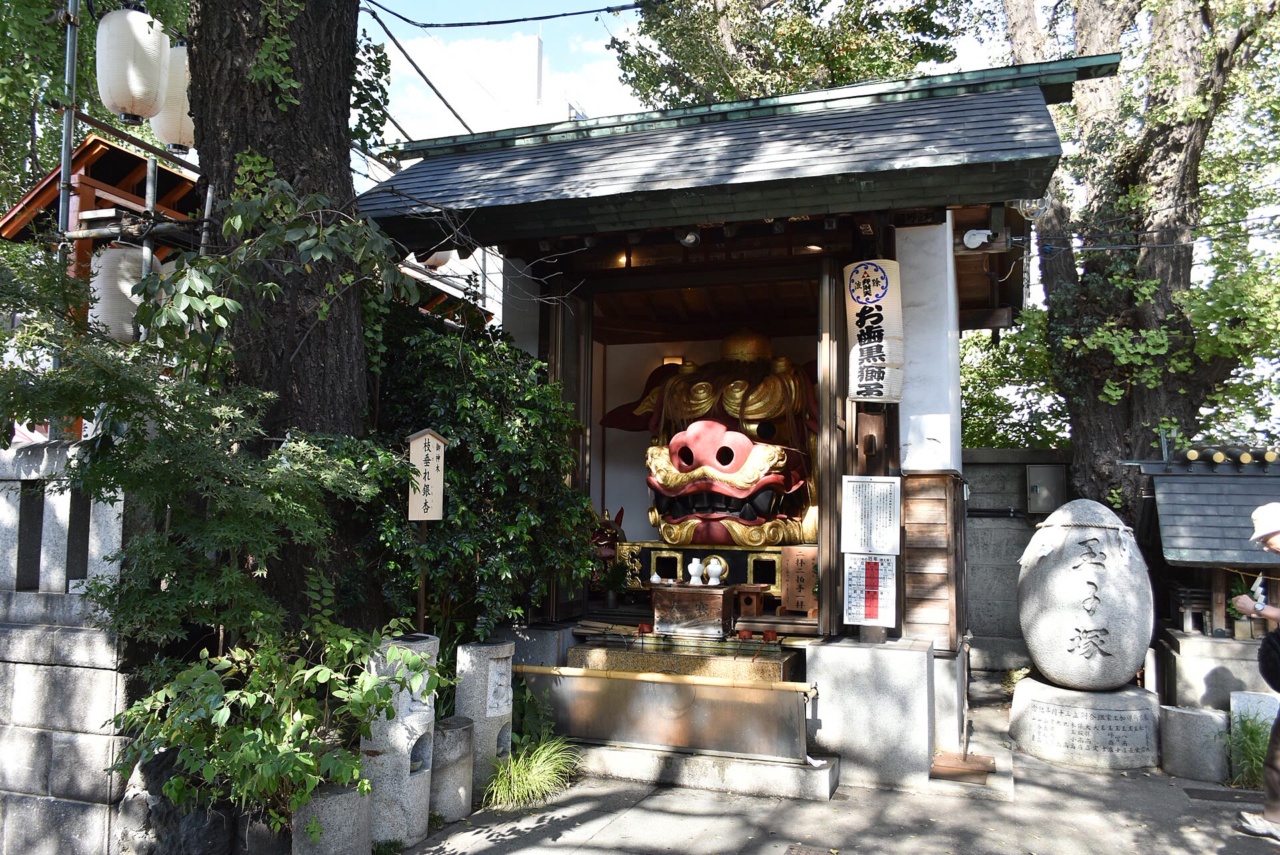
Pick a few things you really want instead of working through a checklist. Check the displayed menu, portion and final price before you order, since a rice bowl, a seated sushi meal and a snack are very different purchases. If you want a named restaurant, check its current address first.
Eat inside the shop or in a designated eating space, never while walking, because wandering with food bothers other people in the narrow lanes.[2] The restaurants are small, lines can form outside, and at busy hours you may need to keep up with the locals' pace to free seats. Splitting a meal is generally a taboo then.[4]
Choose the station from your actual starting point
| Station | Line | Walk |
|---|---|---|
| Tsukijishijo | Toei Oedo | 1 minute[6] |
| Tsukiji | Tokyo Metro Hibiya | 1 minute[6] |
| Higashi-ginza | Toei Asakusa or Tokyo Metro Hibiya | 3 minutes[6] |
The official access page lists these stations. Compare the whole journey from your accommodation, including train changes.
Buses also run from Tokyo Station's Marunouchi South Exit: Toei Bus routes 都04, 都05-1 and 都05-2 stop at Tsukiji-Sanchome.[6] From Shimbashi Station's Ginza Exit, Toei Bus 業10 stops at the same stop.[6]
Pay and buy with a clear plan for taking things home
Card acceptance depends on the shop, so ask before you order. Most shops take only Japanese yen, and there is no money exchange counter inside the market, so change money beforehand.[4] Plat Tsukiji does have a Seven Bank ATM and a currency exchange machine.[7] Prices are wholesale prices, and bargaining is not customary.[2] For ingredients and kitchenware, compare weight, quality and use rather than an old headline price. Ask a knife specialist about blade type and maintenance.
Customs rules differ from country to country, so check what you may take home before you buy food or a blade.[4] Whether and how you can ship a purchase depends on the item and the destination, and the post office can advise.[4] Plat Tsukiji has a tax refund counter for purchases from shops that offer tax-free shopping.[7]
Use Plat Tsukiji and respect the working market
Plat Tsukiji is the market's information centre. English-speaking staff hand out maps and give tips on shopping and transport, and the centre has coin-operated lockers and an air-conditioned smoking area, the only one in the outer market.[7] The information counter is open 08:00 to 14:00 on weekdays and Saturdays, and 10:00 to 14:00 on Sundays, holidays and market-closure days. It is closed at year-end and New Year.[7] The public lounge keeps separate hours.[7]
Leave large bags in a locker, keep your group small, hold children's hands and give carts room.[2] Wear closed shoes with grip, because floors are often wet and slippery and bikes and carts pass through, and leave high heels and sandals at home.[4] Ask the shopkeeper before you take photos, do not touch the food, especially raw products, and smoke only in designated areas.[2] At Tsukiji Uogashi, the wholesale facility, shopping before 09:00 needs advance permission, and after 09:00 it is open to everyone.[4]
Add Toyosu only if it fits your day
Toyosu is a separate journey, right by Shijo-mae Station on the Yurikamome line, not the next aisle of Tsukiji.[3] The market is open to visitors from 05:00 to 17:00 every day except Sundays, public holidays and other closure days, and each shop and restaurant keeps its own hours.[3] To watch the tuna auction from the observation deck, apply in advance through the official site, with a lottery if there are many applicants. Those not chosen can watch the auction from the second-floor Visitor's Walkway.[3] Use our Japan travel overview for the wider trip.
Sources and background
Numbers in the text such as [1] refer to these sources.
- [1] Tsukiji Outer Market Association: Welcome to Tsukiji: history and market today. Retrieved October 21, 2026.
- [2] Tsukiji Outer Market Association: Calendar, business hours and manners. Retrieved October 21, 2026.
- [3] Tokyo Metropolitan Government: Information About Toyosu Market. Retrieved October 21, 2026.
- [4] Tsukiji Outer Market Association: Hints for Shopping at Tsukiji Market. Retrieved October 21, 2026.
- [5] Tsukiji Outer Market Association: How to enjoy the Tsukiji Outer Market. Retrieved October 21, 2026.
- [6] Tsukiji Outer Market Association: Access Map. Retrieved October 21, 2026.
- [7] Tsukiji Outer Market Association: Plat Tsukiji. Retrieved October 21, 2026.
Frequently Asked Questions
Yes. The outer market, with its food shops, specialist retailers and restaurants, is still in Tsukiji. The wholesale market and tuna auction moved to Toyosu, which was established on 11 October 2018.
Arrive around or after 09:00. Professional buyers have priority until 09:00, and the market's public shopping hours run from 09:00 to 14:00. Individual shops and restaurants have their own hours.
Many shops close on Sundays and some on Wednesdays, but not all. Check the market calendar and the shops you want to visit.
No, the auction is at Toyosu. Apply in advance for the observation deck, with a lottery if there are many applicants. The second-floor Visitor's Walkway is open to everyone who is not chosen.
No. Eat inside the shop or in a designated eating space, because wandering with food bothers other people in the narrow lanes.
Card acceptance depends on the shop, so ask before you order. Most shops take only yen. Plat Tsukiji has a Seven Bank ATM and a currency exchange machine.
Tsukijishijo on the Toei Oedo Line and Tsukiji on the Tokyo Metro Hibiya Line are a 1-minute walk away, and Higashi-ginza is 3 minutes. Pick the one that suits your starting point.
Customs rules differ from country to country, so check what you may take home before you buy. Whether you can ship a purchase depends on the item and the destination, and the post office can advise.