
Contents
- 1. Getting Around Tokyo by Train (JR Lines)
- 1.1 Fares and Payment
- 1.2 Tips for Riding JR
- 2. Getting Around Tokyo by Subway (Tokyo Metro and Toei)
- 2.1 Subway Passes Worth Considering
- 3. Getting Around Tokyo by Bus
- 4. Getting Around Tokyo by Taxi
- 4.1 Ride-Hailing Apps
- 5. Getting Around Tokyo on Foot
- 6. Getting Around Tokyo by Bicycle
- 7. Getting Around Tokyo by Monorail and Other Rail
- 8. Comparing Your Options
- 9. Practical Tips for Getting Around Tokyo
- 10. Popular Routes and Destinations
- 10.1 Tokyo to Narita Airport
- 10.2 Shinjuku to Narita Airport
- 10.3 Getting to Haneda Airport
- 11. Frequently Asked Questions
- 12. Sources and background
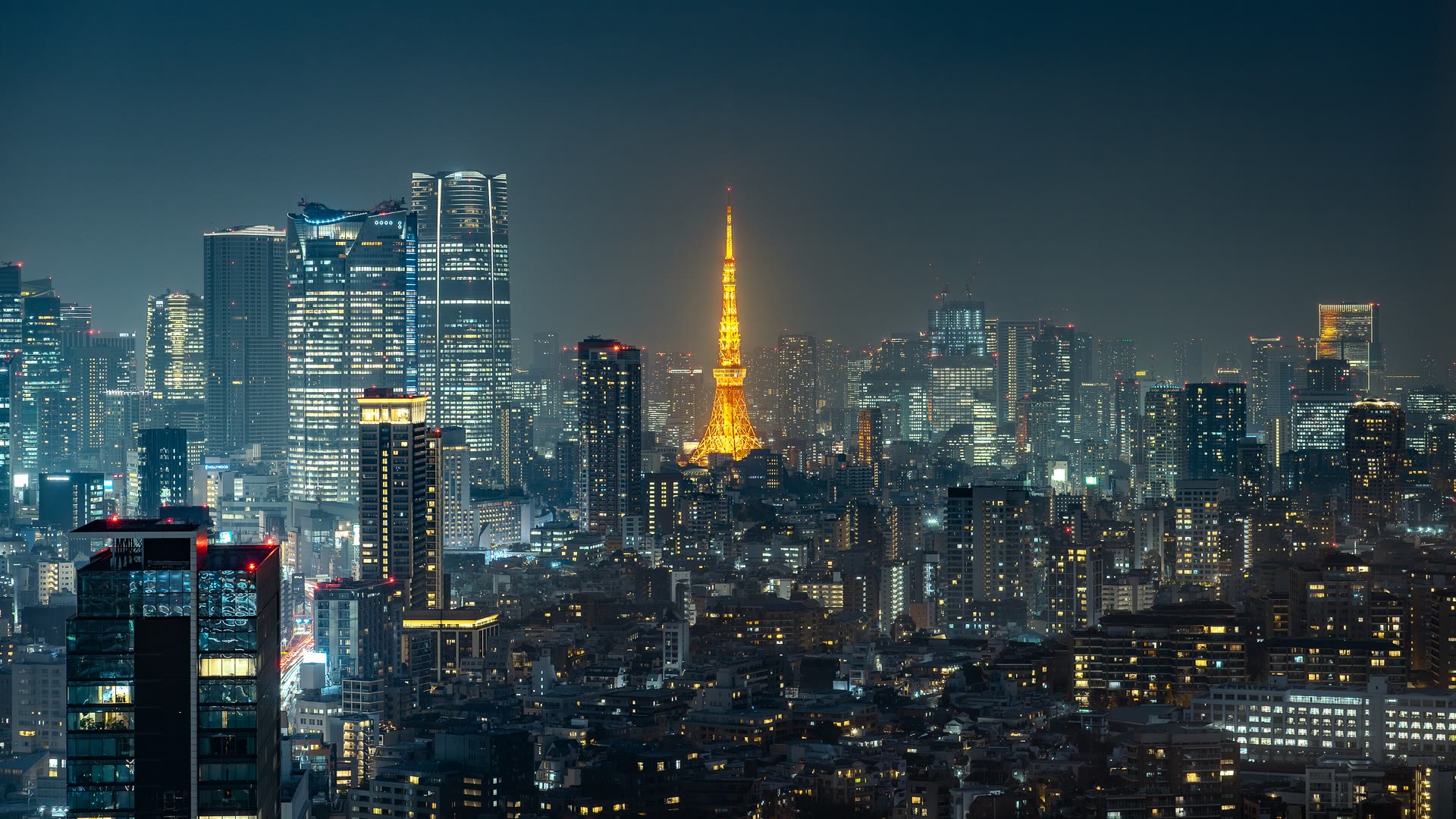
Tokyo runs on rails. Beneath the neon glow of Shinjuku and the serene gardens of Meiji Shrine, an intricate web of train and subway lines pulses with metronomic precision, moving millions of passengers every day with great punctuality. For a city this vast, spanning 23 special wards and dozens of suburban cities, the rail network is nothing short of miraculous. Step off a plane and within an hour you can be standing on a platform watching a train arrive at the exact second the timetable promised.
But Tokyo is not just a train city. Neighborhoods like Shimokitazawa, Yanaka, and Asakusa reward those who explore on foot, while buses fill the gaps between stations, and ride-hailing apps offer a lifeline when the last train leaves just after midnight. The trick to moving around Tokyo is understanding which tool to use when. Once you crack that code, a metropolis that looks impossibly complex on a map becomes surprisingly navigable.
This guide breaks down every transport mode you will actually use in Tokyo, from the legendary JR Yamanote Line to the humble city bus, so you can move through the city with the confidence of a local commuter.
Getting Around Tokyo by Train (JR Lines)
Japan Railways (JR) East operates an extensive commuter rail network across Tokyo, and for most visitors, the JR Yamanote Line is the single most important route in the city. This loop line connects major hubs including Shibuya, Shinjuku, Ikebukuro, Ueno, Tokyo Station, and Shinagawa, running frequently throughout the day, every few minutes. Trains operate from the early morning until around midnight.
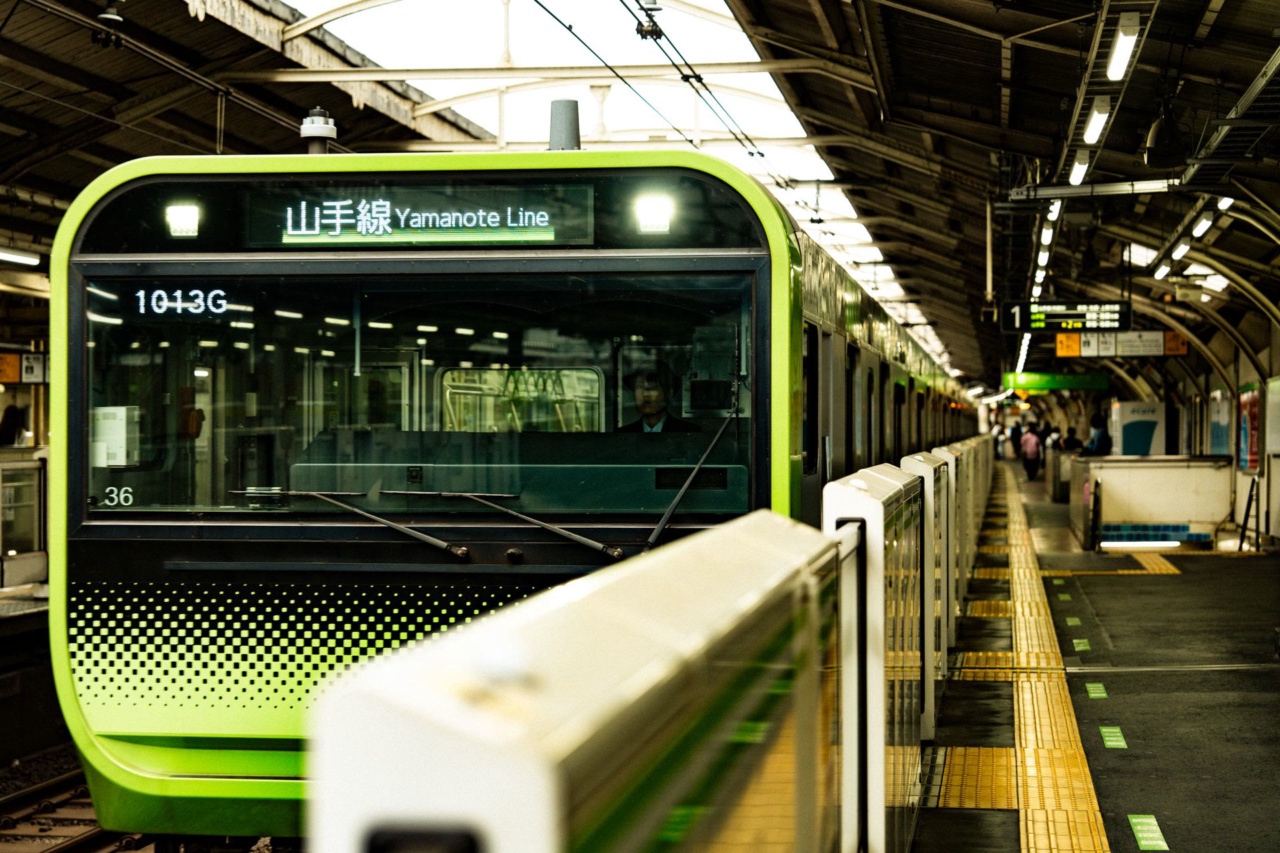
Beyond the Yamanote Line, JR's Chuo Line (orange) cuts east-west through the center, the Sobu Line (yellow) runs a similar corridor with more local stops, and the Keihin-Tohoku Line (blue) stretches north-south. JR also operates the Narita Express (N'EX) for airport access and the Chuo Rapid Line out to western suburbs like Kichijoji and Takao.
Fares and Payment
JR fares are distance-based, starting at 160 yen for short trips and climbing from there.[1] The easiest way to pay is with a Suica or Pasmo IC card, which you load with credit and tap at the gates. These rechargeable cards work on trains, subways, and buses in the Tokyo area, and at many convenience stores and vending machines.[2] Visitors can get a Welcome Suica from JR East (valid for 28 days, no deposit)[3] or a Tourist PASMO sold at Haneda and Narita airports.[4] Single tickets from machines are an option but painfully slow compared to tapping a card.
Tips for Riding JR
Rush hour on the Yamanote Line between roughly 7:30 AM and 9:30 AM is legendary. Trains are very crowded, and station staff may help push passengers in. Avoid traveling with luggage during this window. Women-only cars are available on several lines during morning rush. Outside peak times, trains are comfortable and orderly. Follow the queuing lines painted on the platform and let passengers exit before boarding.
Getting Around Tokyo by Subway (Tokyo Metro and Toei)
Tokyo's subway system is operated by two separate companies: Tokyo Metro and Toei Subway. Together they blanket central Tokyo with stations in nearly every neighborhood a tourist would visit. The Ginza Line connects Asakusa to Shibuya via Ginza and Omotesando. The Hibiya Line reaches Roppongi. The Oedo Line loops through Shinjuku, Roppongi, Tsukiji, and Ryogoku. The Marunouchi Line links Tokyo Station to Shinjuku via the Imperial Palace area.
Tokyo Metro paper tickets cost between 180 and 330 yen depending on distance.[5] Transferring between the two companies costs extra unless you have a special combined pass. Your Suica or Pasmo card works seamlessly on both systems, automatically calculating the correct fare. Trains run from early morning until around midnight, with frequent departures during the day.
Subway Passes Worth Considering
If you plan to make many subway trips, the Tokyo Subway Ticket offers unlimited rides on all Tokyo Metro and Toei lines for 24 hours (1,000 yen), 48 hours (1,500 yen), or 72 hours (2,000 yen) for adults.[6] Tokyo Metro also sells a common one-day ticket for Tokyo Metro and Toei Subway for 1,100 yen.[7] For JR lines plus subways, the Tokyo-area passes are more complex, so evaluate your itinerary before buying.
Getting Around Tokyo by Bus
City buses in Tokyo are often overlooked by visitors, but they fill important gaps, particularly in areas where subway stations are spaced far apart. Toei Bus operates the largest network, covering routes across the 23 wards. A flat fare of 210 yen applies on Toei buses within Tokyo's 23 wards.[8] Board from the front and pay with your IC card or in cash; only coins and 1,000-yen bills are accepted for cash fares.[9]
Buses are especially useful for reaching places like the waterfront area around Odaiba, certain parts of Roppongi, or connecting between stations in residential neighborhoods. The downside is that bus routes can be confusing for non-Japanese speakers, and traffic can make journey times unpredictable. Google Maps handles Tokyo bus routes well, so rely on it for real-time guidance. Most buses stop running in the evening, so check the last bus on your route.
Getting Around Tokyo by Taxi
Tokyo taxis are immaculate, safe, and expensive. In the 23 wards the initial fare is 500 yen for the first 1.0 km, then 100 yen for every additional 232 m, and a 20 percent surcharge applies from 10:00 PM to 5:00 AM.[10] A short ride across a few neighborhoods quickly adds up, and a cross-city trip can cost several thousand yen depending on traffic.
Hailing a taxi is straightforward: look for the illuminated red light in the windshield that indicates availability. The rear passenger door opens and closes automatically, so do not try to handle it yourself. Drivers are professional and honest, and meters are always used. The challenge is communication. Many drivers speak limited English, so having your destination written in Japanese or showing a map pin on your phone saves time. Major credit cards are accepted in most taxis, though some older cabs are cash-only.
Ride-Hailing Apps
Uber operates in Tokyo but functions differently than in most countries. It primarily connects you with licensed taxi companies rather than private drivers, so you pay the metered fare, plus a dispatch fee.[11] The real advantage is eliminating the language barrier, since you set your destination in the app. GO (formerly JapanTaxi) is the dominant local ride-hailing app and often has better availability. Download both before your trip.
Getting Around Tokyo on Foot
Tokyo is a surprisingly walkable city at the neighborhood level. Individual districts like Shibuya, Harajuku, Asakusa, Akihabara, and Ginza are compact enough to explore entirely on foot. Walking between adjacent neighborhoods is often faster and more enjoyable than navigating underground transfer corridors. The stroll from Harajuku to Shibuya, for example, is short and passes through the tree-lined backstreets of Ura-Harajuku.
Sidewalks are clean, well-maintained, and safe at all hours. Pedestrian signals are respected religiously. The main challenge is navigation: Tokyo's address system is notoriously non-linear, with buildings numbered by construction order rather than position on a street. Google Maps is essential. Download offline maps of Tokyo before arriving in case your mobile data is unreliable.
Getting Around Tokyo by Bicycle
Cycling is a legitimate way to explore Tokyo, and locals use bicycles constantly. Several bike-share services operate across the city, with Docomo Bike Share being the most widespread. You can register via an app, pick up a red electric-assist bicycle at one of hundreds of docking stations, and drop it off at any other station. In the Tokyo area a one-time use costs 165 yen per 30 minutes.[12] The electric assist makes Tokyo's gentle hills effortless.
Cycling is best for exploring flat areas along the Sumida River, around the Imperial Palace moat (a popular circuit), or through quieter neighborhoods like Yanaka and Shimokitazawa. Be aware that cycling on sidewalks is common and technically legal in many areas, but you should yield to pedestrians. Helmets are recommended but not strictly enforced for adults. Lock your bike even for brief stops, as bicycle theft does occur.
Getting Around Tokyo by Monorail and Other Rail
Beyond JR and the subway, several private railways and specialty lines serve Tokyo. The Yurikamome automated monorail runs from Shimbashi to Odaiba and Toyosu, offering elevated waterfront views. The Rinkai Line also reaches Odaiba from Osaki. Private railways like Keio, Odakyu, Tokyu, and Seibu connect central Tokyo to western suburbs and are essential if you are staying outside the core. The Tsukuba Express links Akihabara to Tsukuba Science City.
All of these accept Suica and Pasmo cards. Fares are distance-based and generally affordable. The key thing to know is that transfers between JR, subway, and private lines often require passing through fare gates, so your IC card handles the billing automatically. If you are using paper tickets, you will need to buy a new one for each system.
Comparing Your Options
| Mode | Typical Cost | Duration | Best For |
|---|---|---|---|
| JR Yamanote Line | From 160 yen[1] | Varies by distance | Connecting major hubs like Shibuya, Shinjuku, Tokyo Station |
| Tokyo Metro / Toei Subway | 180-330 yen[5] | Varies by distance | Reaching central neighborhoods not on JR lines |
| City Bus | 210 yen flat[8] | Varies; traffic-dependent | Short hops between stations, waterfront areas |
| Taxi / Ride-Hailing | From 500 yen[10]; adds up quickly over distance | Varies; traffic-dependent | Late-night travel, groups of 3-4, luggage transfers |
| Walking | Free | Neighborhood-dependent | Exploring individual districts, short connections |
| Bicycle (Docomo Bike Share) | 165 yen per 30 min[12] | Flexible | Flat riverside areas, leisurely neighborhood hopping |
| Monorail / Private Rail | Distance-based | Varies by distance | Odaiba, western suburbs, specialty destinations |
Practical Tips for Getting Around Tokyo
Get an IC card immediately. Whether Suica or Pasmo, this is your single most important purchase upon arrival. Visitors can use a Welcome Suica (28 days, no deposit),[3] the Welcome Suica Mobile app on a compatible iPhone,[13] or a Tourist PASMO from the airport counters.[4] Without an IC card, you will waste significant time buying individual tickets.
- Apps to download: Google Maps (best for Tokyo transit routing), Navitime or Japan Transit Planner (for detailed transfer info), GO (taxi hailing), and Google Translate with the Japanese offline pack.
- Rush hour: Avoid trains during the weekday morning and evening rush hours. If you must travel then, the subway can be slightly less packed than JR on certain lines.
- Last train: Most lines stop running around midnight. Missing the last train is a rite of passage, but an expensive one. Taxis from entertainment districts surge in demand, and you may have to wait a long time. Some travelers opt for a manga cafe or capsule hotel to wait out the gap until the first trains in the early morning.
- Station navigation: Major stations like Shinjuku (one of the largest in the world) and Shibuya (recently redesigned and still confusing) are labyrinths. Follow color-coded signs for your line and look for exit numbers. When meeting someone, specify the exact exit.
- Language barrier: All train and subway stations display names in romaji (English letters), and announcements are bilingual. Bus stops are trickier, with less English signage. Having your destination in Japanese text on your phone helps enormously with taxi drivers and asking directions.
- Luggage: Coin lockers are available at every major station in sizes from small bags to large suitcases. Prices vary by size. If lockers are full, luggage storage services like ecbo cloak let you reserve space at nearby shops via an app. Avoid riding trains with large suitcases during rush hour; you will block the doors and draw frustrated looks.
- Scams: Tokyo is remarkably scam-free compared to other Asian capitals. Taxi meters are always used, and overcharging is virtually nonexistent. The main risk is accidentally boarding a Green Car (first class) on JR with a regular ticket, which results in an extra charge.
For comparing transport options across different routes and cities in Asia, GoAsia.cc can help you plan the specifics before you arrive.
Popular Routes and Destinations
Tokyo to Narita Airport
Narita Airport sits well east of central Tokyo, so the journey takes meaningful time and planning. The most popular option is the train. The Narita Express (N'EX) from Tokyo Station takes as little as 53 minutes[14] and costs 3,140 yen in an ordinary car (3,910 yen in the Green Car); a round-trip ticket for visitors costs 5,200 yen.[15] The Keisei Skyliner from Ueno connects Narita Airport with downtown Tokyo in as little as 36 minutes for 2,580 yen for adults (2,465 yen with an IC card).[16][17] For those who prefer door-to-door convenience, the Airport Limousine Bus runs from major hotels and stations in Shinjuku and costs 3,600 yen for adults.[18] Private transfers are also available, with prices that depend on vehicle type and group size.
Shinjuku to Narita Airport
From Shinjuku specifically, the Airport Limousine Bus is popular and runs from Shinjuku Station and several hotels for 3,600 yen for adults.[18] Alternatively, take the JR Chuo Line to Tokyo Station and transfer to the Narita Express.
Getting to Haneda Airport
Haneda Airport is much closer to central Tokyo and easier to reach. The Tokyo Monorail from Hamamatsucho takes roughly 13 to 20 minutes depending on the train and terminal, and the Keikyu Line from Shinagawa takes about 15 minutes.[19][20] Taxis from central Tokyo are a pricier door-to-door alternative.
Frequently Asked Questions
Use this guide to compare local transport in Tokyo. When bookable tickets are available, the booking tool shows current options and prices.
The train and subway network is by far the best way to get around Tokyo. The JR Yamanote Line connects all major hubs, while Tokyo Metro and Toei Subway lines reach nearly every neighborhood in central Tokyo. Get a Suica or Pasmo IC card and use Google Maps for route planning. For late-night travel after trains stop around midnight, taxis or ride-hailing apps like GO are your best option.
Tokyo's public transport is affordable. JR fares start at 160 yen and Tokyo Metro paper tickets cost between 180 and 330 yen depending on distance. A 24-hour Tokyo Subway Ticket costs 1,000 yen for adults and offers unlimited subway rides. Taxis are significantly more expensive, with a flat initial fare of 500 yen for the first kilometer.
Tokyo's public transport is among the safest in the world. Crime on trains and subways is extremely rare, stations are well-lit and staffed, and you can travel at any hour without concern. The main discomfort is crowding during rush hour. Women-only cars are available on several lines during morning peak hours for those who prefer them.
Yes. The GO app (formerly JapanTaxi) is the most widely used ride-hailing app in Tokyo and has the best driver availability. Uber also operates but connects you with licensed taxi companies rather than private drivers, so you pay the metered fare. Both apps eliminate the language barrier since you set your destination digitally.
While not strictly required, an IC card like Suica or Pasmo is practically essential. It works on trains, subways, buses and at many convenience stores in the Tokyo area. Visitors can get a Welcome Suica or a Tourist PASMO. Without one, you will need to buy individual tickets from machines for every trip, which is time-consuming and inconvenient.
Most train and subway lines stop running around midnight, with the first trains resuming in the early morning. If you miss the last train, your options are a taxi (expensive and in high demand late at night), a manga cafe or capsule hotel to wait out the gap, or staying at a nearby karaoke spot that offers overnight rates. Plan your evenings around the last train schedule to avoid this situation.
The fastest and most direct option is the train. The Narita Express (N'EX) reaches Tokyo Station in as little as 53 minutes for 3,140 yen in an ordinary car, and the Keisei Skyliner reaches Ueno in as little as 36 minutes for 2,580 yen. The Airport Limousine Bus from Shinjuku costs 3,600 yen. For Haneda Airport, the journey is much shorter, with trains and the monorail taking around 15 minutes.
Tokyo is very walkable at the neighborhood level. Districts like Shibuya, Asakusa, Harajuku, and Ginza are compact and best explored on foot. Walking between adjacent neighborhoods can be faster than navigating subway transfers. Sidewalks are clean and safe at all hours. However, Tokyo is too vast to walk between distant areas, so combine walking with trains for the best experience.
Sources and background
Numbers in the text such as [1] refer to these sources.
- [1] East Japan Railway Company (JR East): Tokyo 1-Day Ticket (fares of JR East lines in Tokyo). Retrieved October 16, 2026.
- [2] Japan National Tourism Organization (JNTO): Cashless Payments in Japan. Retrieved October 16, 2026.
- [3] East Japan Railway Company (JR East): Suica (Welcome Suica). Retrieved October 16, 2026.
- [4] PASMO: What is PASMO? (Tourist PASMO). Retrieved October 16, 2026.
- [5] Tokyo Metro: Regular Tickets. Retrieved October 16, 2026.
- [6] Tokyo Metro: Tokyo Subway Ticket. Retrieved October 16, 2026.
- [7] Tokyo Metro: 1-Day Open Tickets. Retrieved October 16, 2026.
- [8] Bureau of Transportation, Tokyo Metropolitan Government (Toei): Toei Bus Map. Retrieved October 16, 2026.
- [9] Bureau of Transportation, Tokyo Metropolitan Government (Toei): FAQ. Retrieved October 16, 2026.
- [10] Tokyo Hire-Taxi Association: Rates Table. Retrieved October 16, 2026.
- [11] GO Inc.: GO app price guide. Retrieved October 16, 2026.
- [12] Docomo Bike Share: Rate plan | Bike Share Service Tokyo. Retrieved October 16, 2026.
- [13] East Japan Railway Company (JR East): Welcome Suica Mobile. Retrieved October 16, 2026.
- [14] East Japan Railway Company (JR East): N'EX (Narita Express). Retrieved October 16, 2026.
- [15] East Japan Railway Company (JR East): N'EX (Narita Express) Tickets. Retrieved October 16, 2026.
- [16] Keisei Electric Railway: Skyliner Discount Ticket. Retrieved October 16, 2026.
- [17] Keisei Electric Railway: Fares from Major Stations (Skyliner). Retrieved October 16, 2026.
- [18] Airport Limousine Bus (Tokyo Airport Transport): Shinjuku area - Narita Airport Line. Retrieved October 16, 2026.
- [19] Tokyo Monorail: Access to Haneda Airport: quick transfers. Retrieved October 16, 2026.
- [20] Tokyo International Air Terminal Corporation (Haneda Airport Passenger Terminal): Train & Monorail access. Retrieved October 16, 2026.
Guide prices and journey times are indicative, not live quotes. A booked package may include transfers and waiting time as well as the main journey. Check the selected offer, pickup point and current conditions before booking.