Plan hassle-free transfers in Japan with our guide to airport shuttles, private cars, and shared rides connecting airports, cities, and hotels across the country.
Stepping off a long-haul flight at Narita or Kansai International Airport, bleary-eyed and dragging luggage, the last thing most travelers want is to puzzle out a complex public transit system just to reach their hotel. Japan, famous for its hyper-efficient rail network, can paradoxically feel overwhelming at the point of arrival. This is where pre-booked transfer services shine, offering a bridge between airports, train stations, and accommodations that removes the stress of navigating unfamiliar territory with heavy bags in tow.
Transfer services in Japan range from shared airport shuttles and private car hires to scheduled airport limousine buses. While Japan's trains are legendary, a well-timed transfer can save considerable hassle, especially when traveling with families, large groups, or oversized luggage that makes squeezing onto a rush-hour train an ordeal.
The Transfer Network in Japan
Japan's transfer infrastructure is well developed, centered around its major international gateways. Narita International Airport (serving Tokyo), Haneda Airport (also Tokyo, but closer to the city center), Kansai International Airport (serving Osaka, Kyoto, and Kobe), Chubu Centrair (Nagoya), and New Chitose Airport (Sapporo) all have transfer options connecting them to city centers and popular tourist areas.
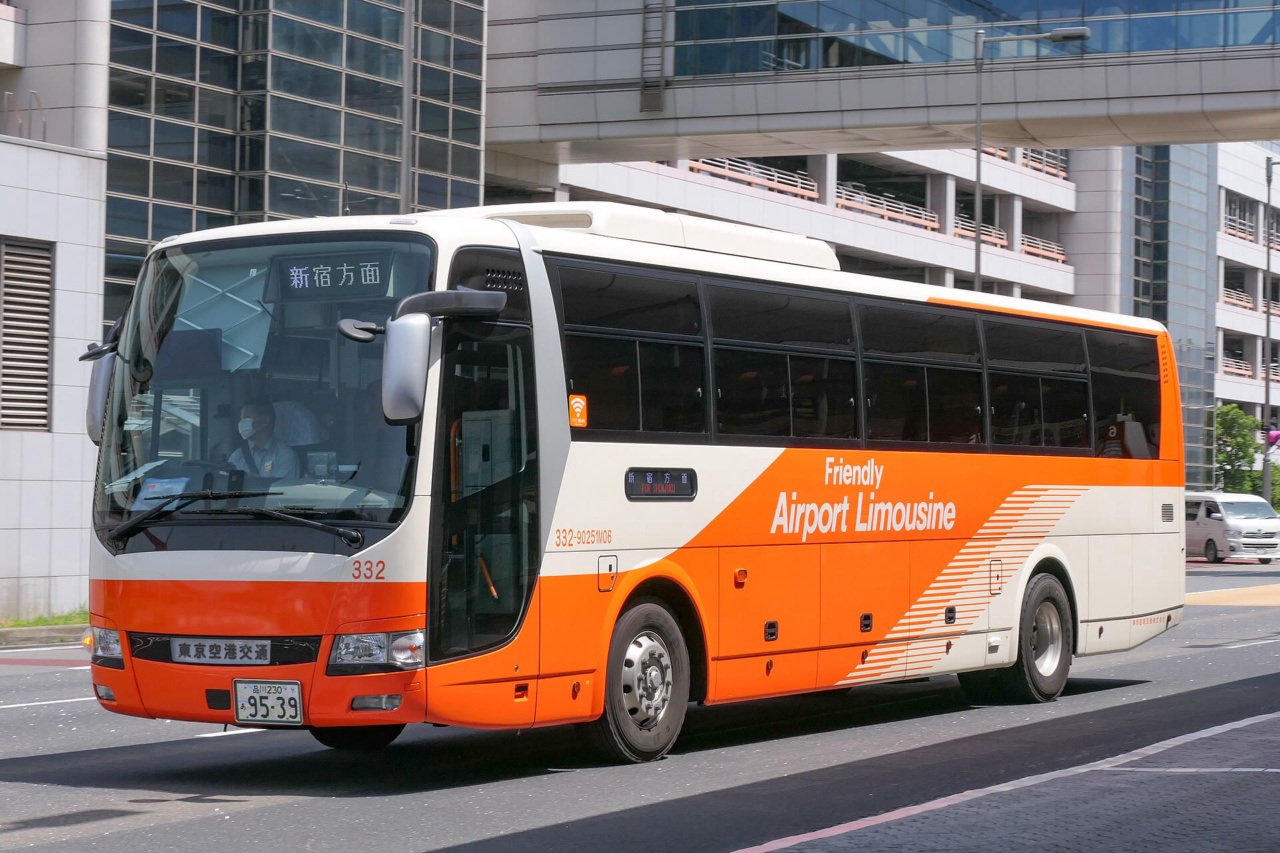
A prominent operator in Tokyo is the Limousine Bus network (Tokyo Airport Transport), which despite its name uses ordinary coaches rather than stretch limousines. Its official website lists schedules, boarding locations, fares, travel times, and reservations for routes connecting Haneda and Narita with Tokyo and its suburbs.[1] In the Kansai region, a shared shuttle operated by companies such as MK Taxi and Yasaka takes about an hour between the airport and Kyoto depending on traffic,[2] while the JR Haruka Express or the airport shuttle bus run to Kyoto Station without a transfer.[3] Numerous private car services, often with English-speaking drivers, operate nationwide through platforms and local agencies.
Beyond airports, transfer services also cover intercity routes that are awkward by train, such as the journey from a rural ryokan to the nearest shinkansen station, or a transfer between cruise ports and city hotels. Ski resorts like Niseko and Hakuba rely on dedicated shuttles from the nearest airports or train stations, especially in winter. For example, the Hokkaido Resort Liner between New Chitose Airport and Rusutsu and Niseko takes 2 hours 30 minutes in the winter season.[4]
Classes and Comfort Levels
Shared shuttle buses represent the most budget-friendly transfer option. Airport limousine buses are clean, punctual, and air-conditioned, and they offer luggage compartments.
Shared ride transfers operate like a door-to-door service where you share a vehicle (usually a minivan or sedan) with other travelers heading in a similar direction. These cost more than buses but less than private cars, and they drop you directly at your accommodation.
Private car transfers offer the most comfortable and convenient experience. Vehicles range from standard sedans to minivans and luxury options, and drivers are professional. Many private transfer companies offer English-speaking or bilingual drivers.
Premium and VIP transfers cater to business travelers and those seeking the highest level of service. These may include meet-and-greet at the arrivals gate and luxury vehicle options. Services and prices vary widely, so confirm what is included with the operator.
Booking and Tickets
Advance booking is strongly recommended for transfer services in Japan, particularly for private cars and shared rides. Scheduled airport limousine buses are the exception where you can often buy tickets at the airport, but popular routes and time slots can fill up during peak travel periods like Golden Week, Obon, and cherry blossom season.
Several online platforms allow you to compare and book transfer services before your trip. GoAsia.cc lets travelers browse available transfer options across Japanese airports and cities, making it easy to compare shared shuttles against private cars and find the right fit for your group size and budget. With a pre-booked private transfer, your driver can wait for you at the arrivals hall, which removes the stress of searching after you clear customs.
Most online bookings accept major credit cards. For airport bus counters, bring yen as a backup. E-tickets and booking confirmations on your phone are widely accepted by private transfer operators, though a printed copy as backup never hurts.
What to Expect on Board
Japanese transfer services reflect the country's broader emphasis on punctuality, cleanliness, and hospitality. Scheduled buses depart on time, and private car drivers typically arrive early and wait patiently. This reliability is one of the strongest arguments for using transfers, especially after a long flight when mental energy is low.
On shared shuttle buses, expect a quiet, calm atmosphere. Japanese travel etiquette discourages loud phone conversations and noisy behavior on any form of transport, and this extends to transfer vehicles. Luggage is usually handled by the driver or an attendant.
Food and drink are generally not provided on transfers. Private car drivers will usually stop at a convenience store (konbini) if you ask. Wi-Fi and charging ports vary by vehicle, so do not count on them.
Tips for Transfer Travel in Japan
Factor in traffic realistically. Tokyo's expressways can be heavily congested, particularly on Friday evenings and before national holidays, so a road transfer can take much longer than the scheduled time. The Keisei Skyliner train connects Narita Airport to central Tokyo in as little as 36 minutes, so if you have a tight connection, consider whether a train might be more reliable for that leg.[5]
Communicate your accommodation details clearly. Many Japanese addresses do not follow a linear street numbering system, and even GPS can struggle with smaller hotels and guesthouses. Provide your driver with the hotel name in Japanese characters (kanji), the phone number, and ideally a screenshot from a map app.
Know your luggage limits. Shared shuttles often limit the number of bags per person, and oversized or excess bags may incur surcharges. If you are traveling with ski equipment, surfboards, or other bulky items, confirm with the operator beforehand.
Consider timing your arrival transfer. If you land late at night, train services thin out after the evening peak. A pre-booked transfer ensures you reach your hotel regardless of arrival time. Check the last train times for your airport before deciding.
Tipping is not expected. This is one of the most important cultural norms in Japan. Drivers may even refuse a tip. A polite thank you ("arigatou gozaimasu") is the appropriate way to show appreciation.
Use transfers for the tricky last mile. Even if you plan to use a Japan Rail Pass for most of your trip, a transfer for the airport-to-hotel leg or for reaching remote accommodations (mountain ryokans, island ports) can save time and energy.
Book return transfers early. Getting from your hotel back to the airport on departure day is often more stressful than the arrival, because missing your flight has real consequences. A confirmed pickup time gives peace of mind.
Sources and background
Numbers in the text such as [1] refer to these sources.