
Contents
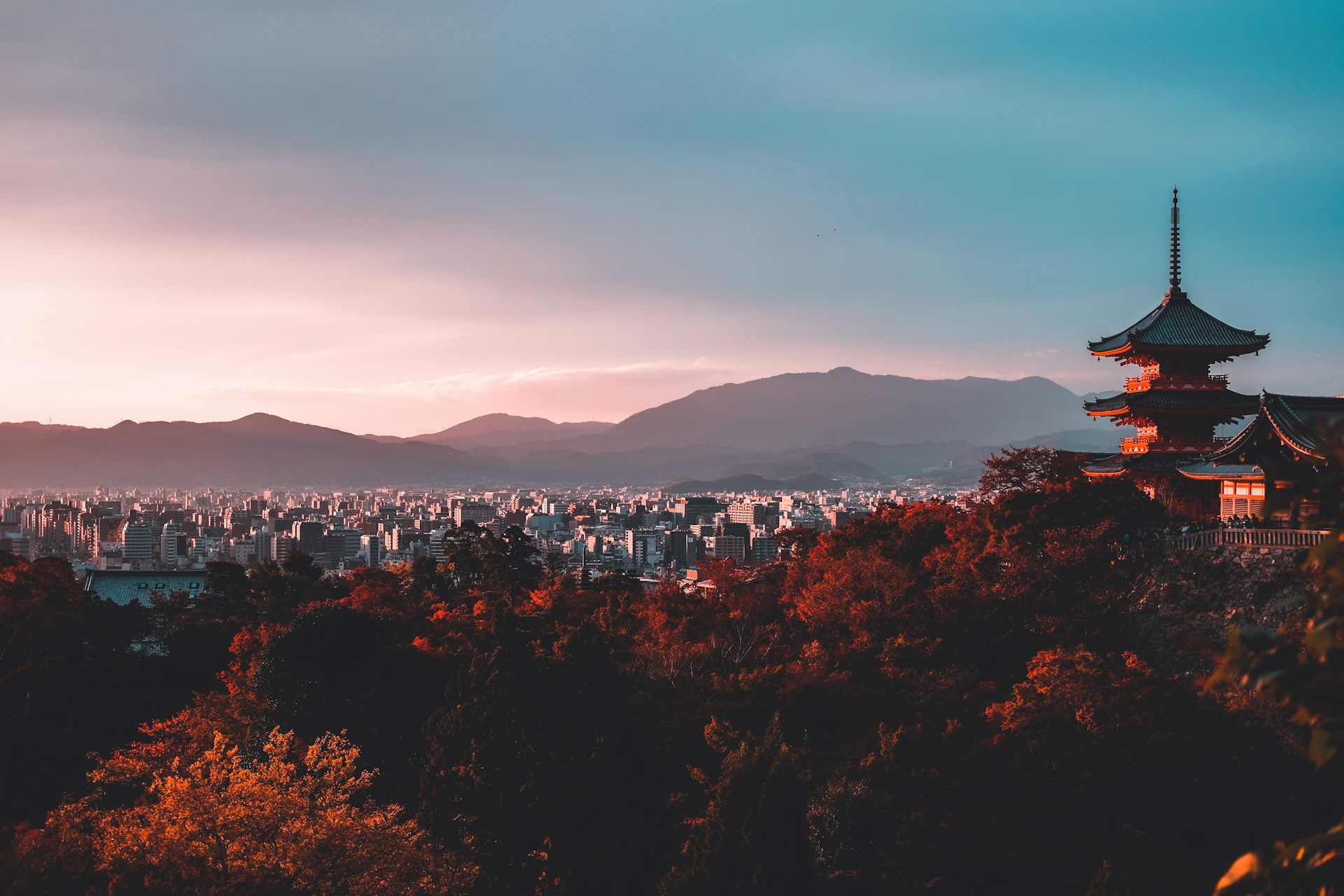
Leaving the jagged peaks of the Northern Alps behind for the refined elegance of Japan's ancient capital is a transition between two of the country's most iconic landscapes. While Hakuba is a sanctuary for powder hounds and hikers, Kyoto offers a deep dive into the soul of Japanese tradition, with its thousands of temples and preserved geisha districts. Moving between these two points involves traversing the heart of Chubu and entering the Kansai region, a journey that reveals the geographical diversity of Honshu.
Because Hakuba is nestled deep within the mountains of Nagano Prefecture, the logistics of reaching Kyoto often involve multiple train transfers or bus connections. However, for those seeking the ultimate in convenience, privacy, and door-to-door service, a private transfer stands out as the premium choice. This route allows you to bypass the hassle of navigating busy train stations like Matsumoto or Nagoya with heavy ski gear or luggage, letting you focus entirely on the changing scenery outside your window.
Hakuba to Kyoto by Private Transfer
A private transfer is the most seamless and comfortable way to make the trip from the ski slopes to the city of shrines. This service is particularly popular among families, small groups, or travelers carrying significant amounts of luggage who want to avoid the physical strain of Japanese railway stairs and platform transfers. When you book a private vehicle, you are essentially buying time and peace of mind, as the driver meets you directly at your hotel or chalet in Hakuba and drops you at your specific accommodation in Kyoto.
The journey typically takes about 5 hours and 27 minutes, depending on traffic and weather conditions. This is a significant stretch of driving, but the vehicles provided are modern, air-conditioned, and designed for long-distance comfort. You will travel along well-maintained expressways, often catching glimpses of the Japanese countryside, rural villages, and mountain ranges along the way. Most drivers are happy to stop at one of Japan's famous "Service Areas," which are far more than just gas stations; they are culinary hubs where you can grab local snacks, high-quality coffee, and even full meals.
Vehicle Classes and Capacity
There are several vehicle options tailored to different group sizes. For solo travelers or couples who prefer a private car, the Standard 3pax option offers a sedan-style experience. If you have a bit more luggage or a slightly larger group, the Minivan 4pax provides extra legroom and trunk space. For larger families or groups of friends traveling together, the Minivan 7pax is the most efficient choice, ensuring everyone stays together and the cost per person is maximized.
The pricing for these services reflects the premium nature of a long-distance private hire in Japan. Rates generally range from $1648 to $1763. While this is higher than a train ticket, the value lies in the door-to-door service, the elimination of transit stress, and the ability to travel on your own schedule. You can easily secure your preferred vehicle and date by booking through GoAsia.cc, ensuring your transition from the mountains to the city is handled by professionals.
Comparing Your Options
| Mode | Price (USD) | Duration | Comfort |
|---|---|---|---|
| Private Transfer (Standard 3pax) | $1648 | 5h 27min | High |
| Private Transfer (Minivan 4pax) | $1705 | 5h 27min | High |
| Private Transfer (Minivan 7pax) | $1763 | 5h 27min | High |
Tips for Traveling from Hakuba to Kyoto
- Book in Advance: Private transfers are in high demand, especially during the peak winter ski season and the spring cherry blossom period in Kyoto. It is wise to book several weeks ahead to ensure vehicle availability.
- Luggage Management: If you are traveling with ski or snowboard bags, the Minivan options are highly recommended over the standard sedan to ensure all gear fits comfortably without compromising passenger space.
- Departure Timing: Consider leaving Hakuba in the morning. This allows you to arrive in Kyoto by mid-afternoon, giving you plenty of time to check into your ryokan or hotel and enjoy a traditional dinner in the Gion or Pontocho districts.
- Service Area Stops: Don't hesitate to ask your driver to stop at a large Service Area (SA) along the expressway. These are a unique part of Japanese travel culture and often feature regional specialties you won't find elsewhere.
- Weather Awareness: During winter, snow in the Hakuba valley can be heavy. Private transfer operators are experienced in these conditions and use winter tires, but it is always good to allow for a little extra travel time during a storm.
Timetable
| Taxi Hakuba - Kyoto $ 1,550.79–1,659.44 5h 27m | |
|
Frequently Asked Questions
Use the booking tool on this page to compare the transport options currently available from Hakuba to Kyoto, including current prices and schedules.
While public transport options like buses and trains exist, among the private transfer options, the Standard 3pax vehicle is the most affordable at approximately $1648. For larger groups, the Minivan 7pax offers the best value per person.
A private transfer is one of the most efficient ways to travel, taking approximately 5 hours and 27 minutes. It eliminates the time spent waiting for connections and navigating through large transit hubs like Nagoya.
The journey by road typically takes about 5 hours and 27 minutes. This duration can vary slightly depending on traffic conditions around Kyoto and weather in the Nagano mountains.
Yes, especially if you are traveling with heavy ski equipment or a large group. It removes the difficulty of multiple train transfers and provides a direct, comfortable journey from your chalet to your Kyoto hotel.
Absolutely. The route takes you through the heart of the Japanese Alps and across the plains toward the Kansai region, offering a variety of landscapes including mountains, rivers, and rural farmland.
Yes, drivers typically stop at expressway Service Areas. These are excellent facilities in Japan with clean restrooms, various food courts, and shops selling local regional products.
Guide prices and journey times are indicative, not live quotes. A booked package may include transfers and waiting time as well as the main journey. Check the selected offer, pickup point and current conditions before booking.