Shibuya district: plan shopping, dining and viewpoints
Photo: Syced / Wikimedia Commons, CC0
Contents
- 1. Choose a visit that fits your day
- 2. Find your way from Shibuya Station
- 3. Choose shopping by interest, not a list of every building
- 4. Add one viewpoint if it suits your budget
- 5. Food, music and the trip home
- 6. Connect Shibuya with the rest of Tokyo
- 7. Sources and background
- 8. Frequently Asked Questions
Choose Shibuya when you want to combine a short crossing stop with shopping, food or a city view. Decide what matters most before you leave the station: a photograph of the crossing, a particular shop, a meal or a booked observation deck. Each needs a different amount of time and money.
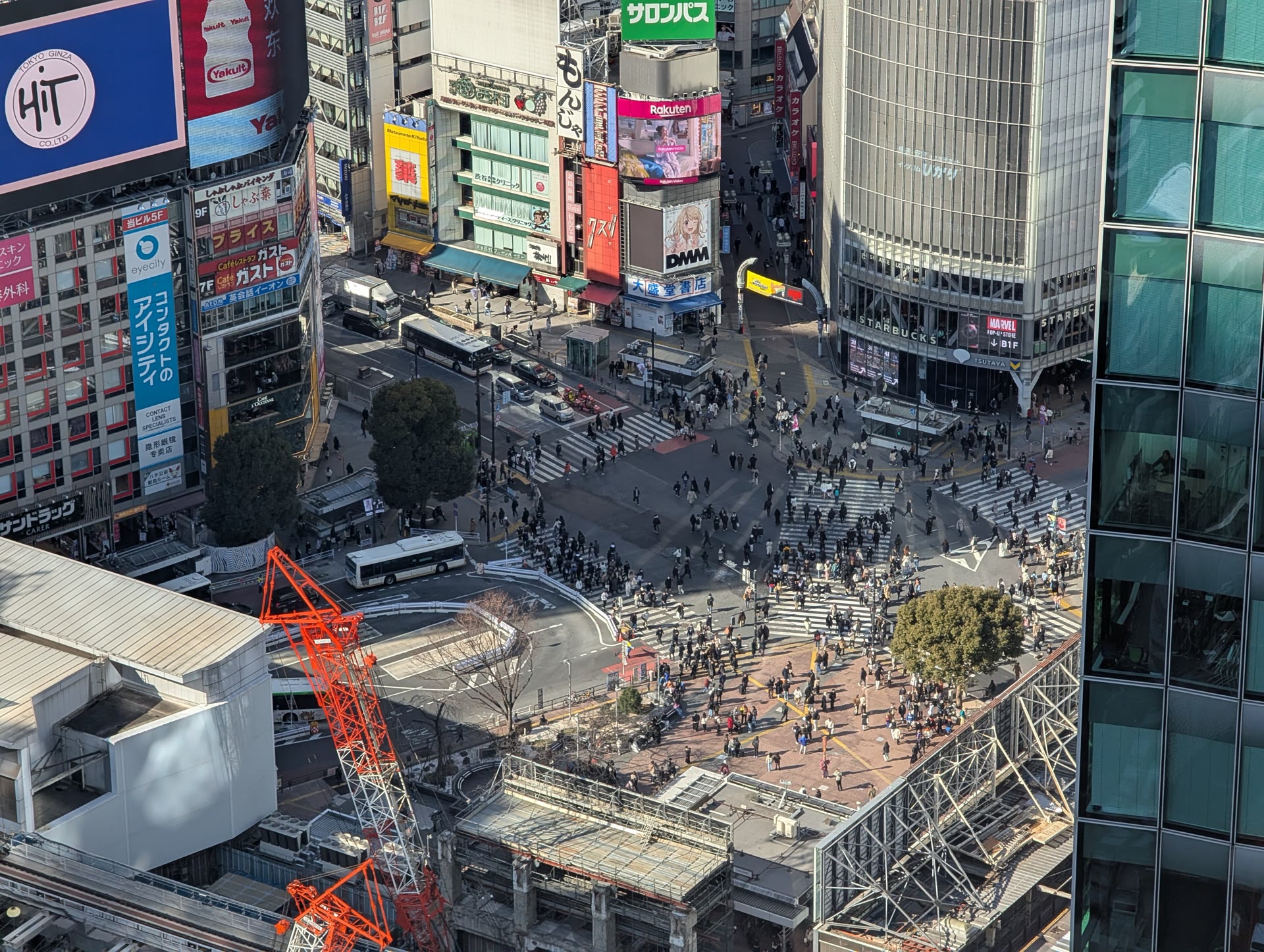
This guide covers the wider district. For places to watch the intersection, see our Shibuya Crossing viewpoints guide. Walking across the public crossing is free, and you do not need an observation ticket for it.
Choose a visit that fits your day
| Your priority | Suggested approach | Leave room for |
|---|---|---|
| A short first visit | Find the crossing and Hachiko, then choose one nearby stop | Getting through the station and agreeing a meeting point |
| Shopping and culture | Choose a destination such as SHIBUYA109, PARCO, Hikarie or the Jinnan area | Your selected shops' hours and time inside |
| A city panorama | Build the outing around an available SHIBUYA SKY entry slot | Ticket cost, luggage storage and weather restrictions |
| Food and an evening out | Choose a restaurant or music venue before filling the rest of the itinerary | Reservations, possible seating charges and your return journey |
Plan two to four hours for the crossing and one shopping or dining focus, not counting your journey to Shibuya. Add time for a booked viewpoint, several shops or another neighbourhood.
Things to Do
Offers are only loaded from GetYourGuide after you click. GetYourGuide can then process your IP address and set cookies. Privacy Policy
GetYourGuide partner offers. GoAsia may earn a commission if you book through these offers. Check whether tickets or transfers are included, and follow the attraction's official booking and admission rules.
Find your way from Shibuya Station
Shibuya Station is served by JR lines, the Keio Inokashira Line, the Tokyu Toyoko and Den-en-toshi Lines, and Tokyo Metro's Ginza, Hanzomon and Fukutoshin Lines (official Tokyo district guide).[1] Take the line from your starting point, then follow the signs for the crossing or your building, and allow time for the walk from your platform and any transfer.
Hachiko stands near the crossing outside the station. The statue honours an Akita that kept waiting at the station after its owner's death and became a symbol of loyalty (GO TOKYO).[2] If you are meeting friends, agree a precise spot and a backup plan, because the square is busy and has several sides.
At the crossing, wait on the pavement and follow the pedestrian signals. Keep walking while you cross, and take longer photographs from a place where you do not block others.
Choose shopping by interest, not a list of every building
SHIBUYA109 is the fashion landmark, Hikarie and PARCO mix shopping and dining, Jinnan has distinctive shops, and Loft and Don Quijote are good for lifestyle goods and souvenirs. PARCO also has art and entertainment facilities and a sixth floor devoted to anime and games.[1] Choose by what you want to buy or see, then check the opening hours.
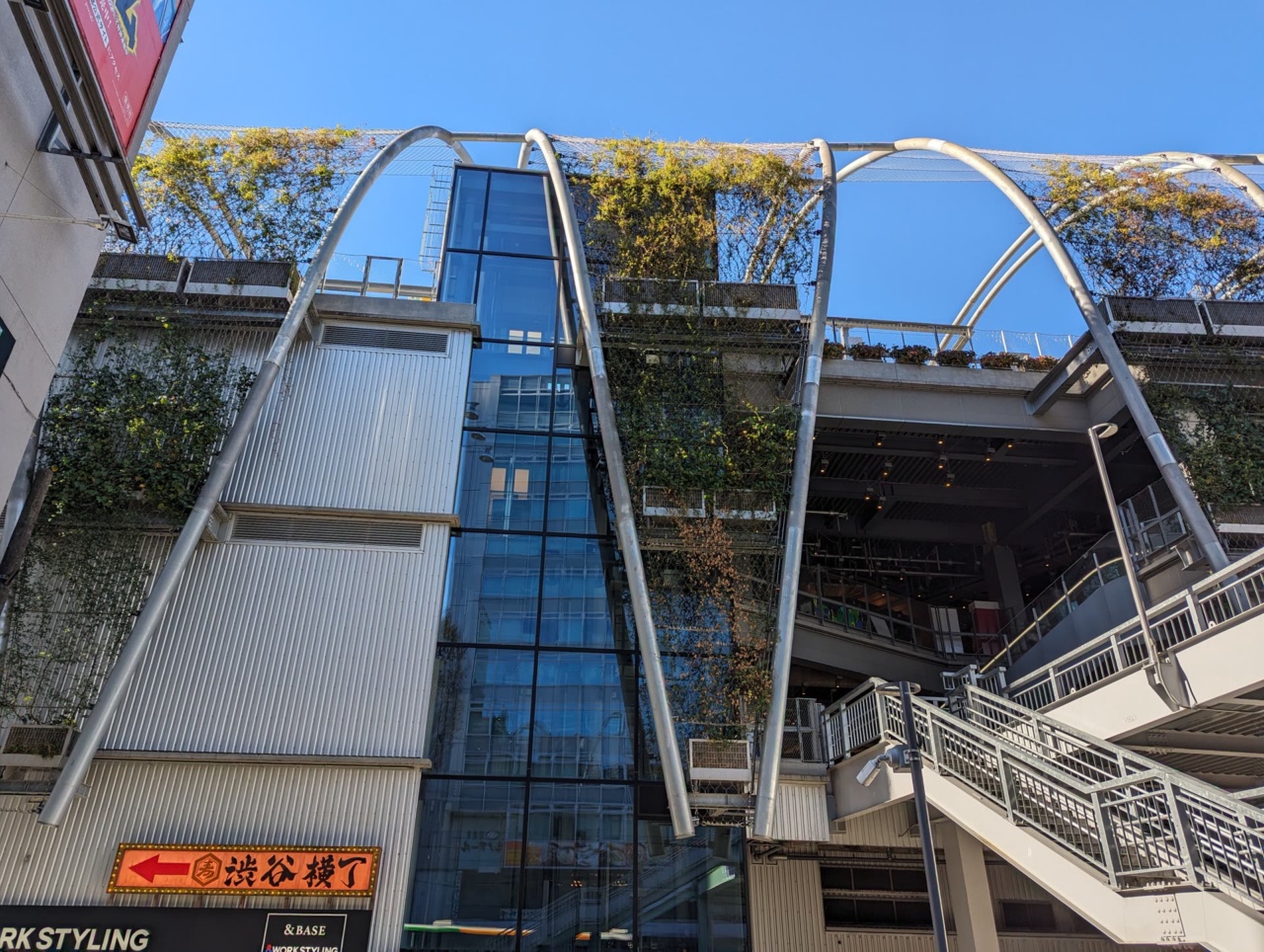
MIYASHITA PARK combines shopping and food. Shibuya Yokocho there serves dishes from different parts of Japan.[1]
Kitchenware shopping in Kappabashi is a separate outing near Asakusa in Taito, not a lane between Shibuya's Center-gai and Dogenzaka. The association's September 2026 shop guide and map shows its kitchenware and food-replica shops and the access around Tawaramachi, Iriya and Asakusa.[3] Give it its own trip rather than squeezing it into a short Shibuya walk.
Add one viewpoint if it suits your budget
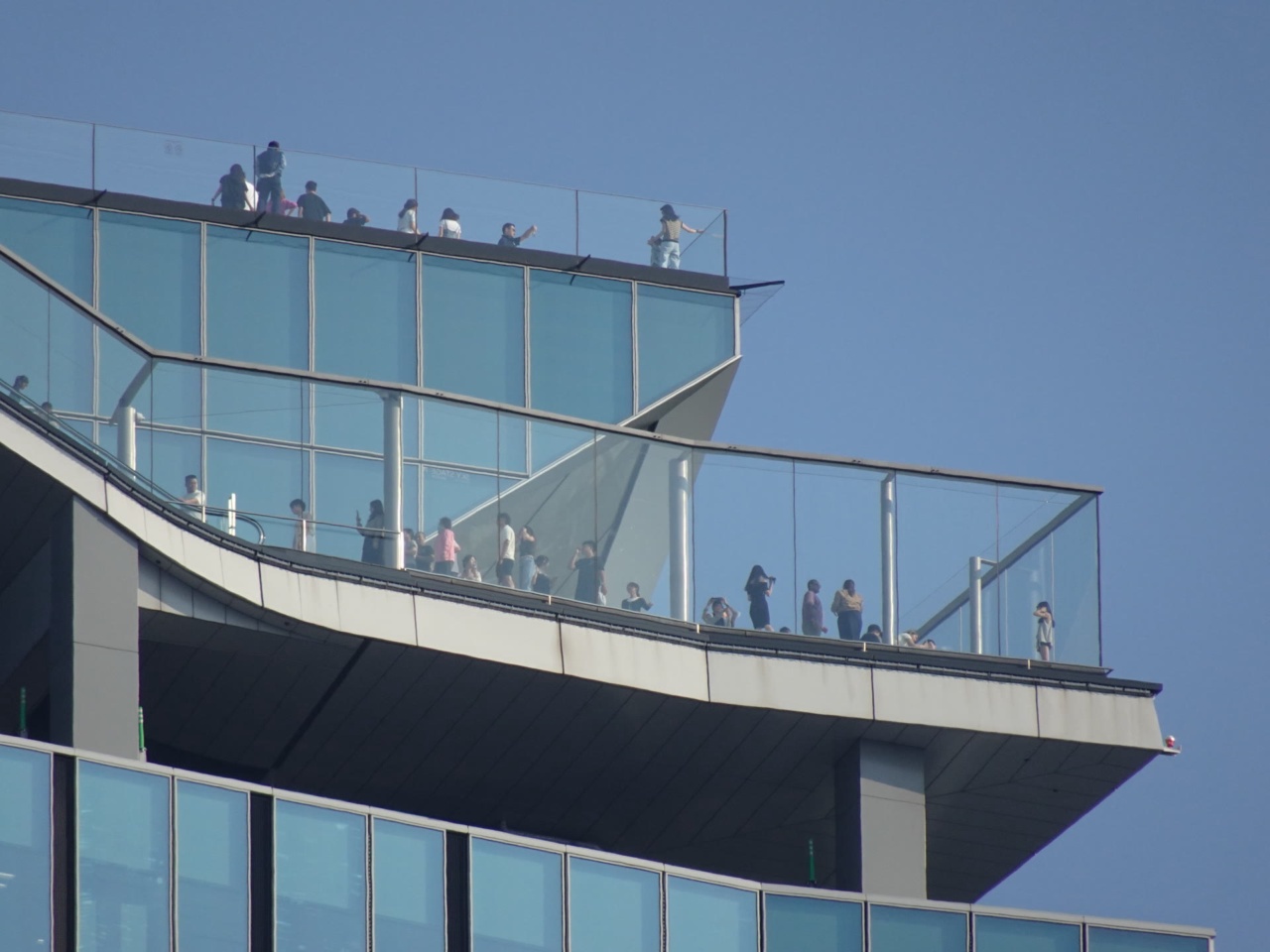
SHIBUYA SKY is the observation facility at Shibuya Scramble Square, with a rooftop 229 metres above ground and the indoor SKY GALLERY on floor 46.[4] It gives you a city panorama rather than a close view of the crossing. Adult entry prices on the Webket ticket site, which the official ticket page links to, were as follows (checked on 15 October 2026).
| Admission | Published price | What to check |
|---|---|---|
| SHIBUYA SKY adult online, before 15:00 | 2,700 JPY per person[5] | The entry time and available slot |
| SHIBUYA SKY adult online, from 15:00 | 3,400 JPY per person[5] | Your selected slot and rooftop conditions |
| MAG8 in MAGNET by SHIBUYA109 | 1,800 JPY per person including one drink[6] | Cashless payment, access conditions and outdoor restrictions |
MAG8 does not require reservations, takes cashless payment, and has steps and limited wheelchair access; strollers are not permitted in the deck area (MAG8 FAQ).[6] If access matters to you, ask about assistance before you go.
SHIBUYA SKY sells tickets up to two weeks ahead.[5] Roof access can close without notice because of weather, so a sunset or distant landmark view is never guaranteed. Large luggage needs storage before entry, and rooftop rules restrict bags, tripods, selfie sticks and other belongings.[7]
Food, music and the trip home
Udagawacho and Maruyamacho are the places for record shops, live music and clubs, and Oku-Shibuya has bars, restaurants and booksellers.[1] Pick a venue, then check its programme, age conditions, reservation policy and menu, and ask about cover or seating charges before you order.
Before you stay late, check the last and first services for your line, direction and date. Keep a backup way to return, protect your belongings and stick to routes you are comfortable using.
Connect Shibuya with the rest of Tokyo
Harajuku, Omotesando and Daikanyama make a good separate focus for another half day. Walking estimates to those areas are in the official guide,[1] but the real journey depends on your shop, station exit and mobility needs. Compare walking with the rail route you need.
See our Japan travel overview for the wider trip, and the crossing viewpoints guide if photography is your main purpose.
Sources and background
Numbers in the text such as [1] refer to these sources.
- [1] Tokyo Convention and Visitors Bureau: Shibuya district: shopping, arts and transport. Retrieved October 15, 2026.
- [2] Tokyo Convention and Visitors Bureau: Hachiko Statue: history and location. Retrieved October 15, 2026.
- [3] Kappabashi Dougugai Promotion Association: Kappabashi Dougugai official map. Retrieved October 15, 2026.
- [4] Shibuya Scramble Square: SHIBUYA SKY official facility information. Retrieved October 15, 2026.
- [5] Webket (official ticket sales site of SHIBUYA SKY): SHIBUYA SKY admission tickets: fares by entry time and entry rules. Retrieved October 15, 2026.
- [6] MAGNET by SHIBUYA109: CROSSING VIEW and ROOFTOP LOUNGE MAG8 FAQ. Retrieved October 15, 2026.
- [7] Shibuya Scramble Square: Official SHIBUYA SKY fares, booking and rooftop rules. Retrieved October 15, 2026.
Frequently Asked Questions
Plan two to four hours for the crossing and one shopping or dining focus, not counting the journey to Shibuya. Add time for a booked viewpoint, several shops or another neighbourhood.
Yes. You do not need an observation ticket to walk across the public crossing. Follow the signals and do not stop in the roadway for photographs. Shopping, food, transport and paid viewpoints cost extra.
SHIBUYA109 is the fashion landmark, Hikarie and PARCO mix shopping and dining, Jinnan has distinctive shops, and Loft and Don Quijote suit lifestyle goods and souvenirs. MIYASHITA PARK combines shopping and food. Choose by your interests.
Adult online entry was 2,700 JPY before 15:00 and 3,400 JPY from 15:00 (checked on 15 October 2026). Tickets sell up to two weeks ahead.
No. MAG8 is in MAGNET by SHIBUYA109, while SHIBUYA SKY is at Shibuya Scramble Square. MAG8 costs 1,800 JPY per person including one drink and takes cashless payment. Steps limit accessibility and strollers cannot enter its deck area.
No. SHIBUYA SKY can close the roof without notice, and MAG8 may restrict its outdoor area while keeping the indoor lounge open. Neither ticket guarantees your intended view.
Not really. Kappabashi is a separate kitchenware district near Asakusa in Taito. Give it its own trip and plan it with the association's shop guide.
Check your chosen venue's programme, admission or seating charges, age conditions and reservations. Confirm the last train for your line, direction and date, and keep a backup way to return.