
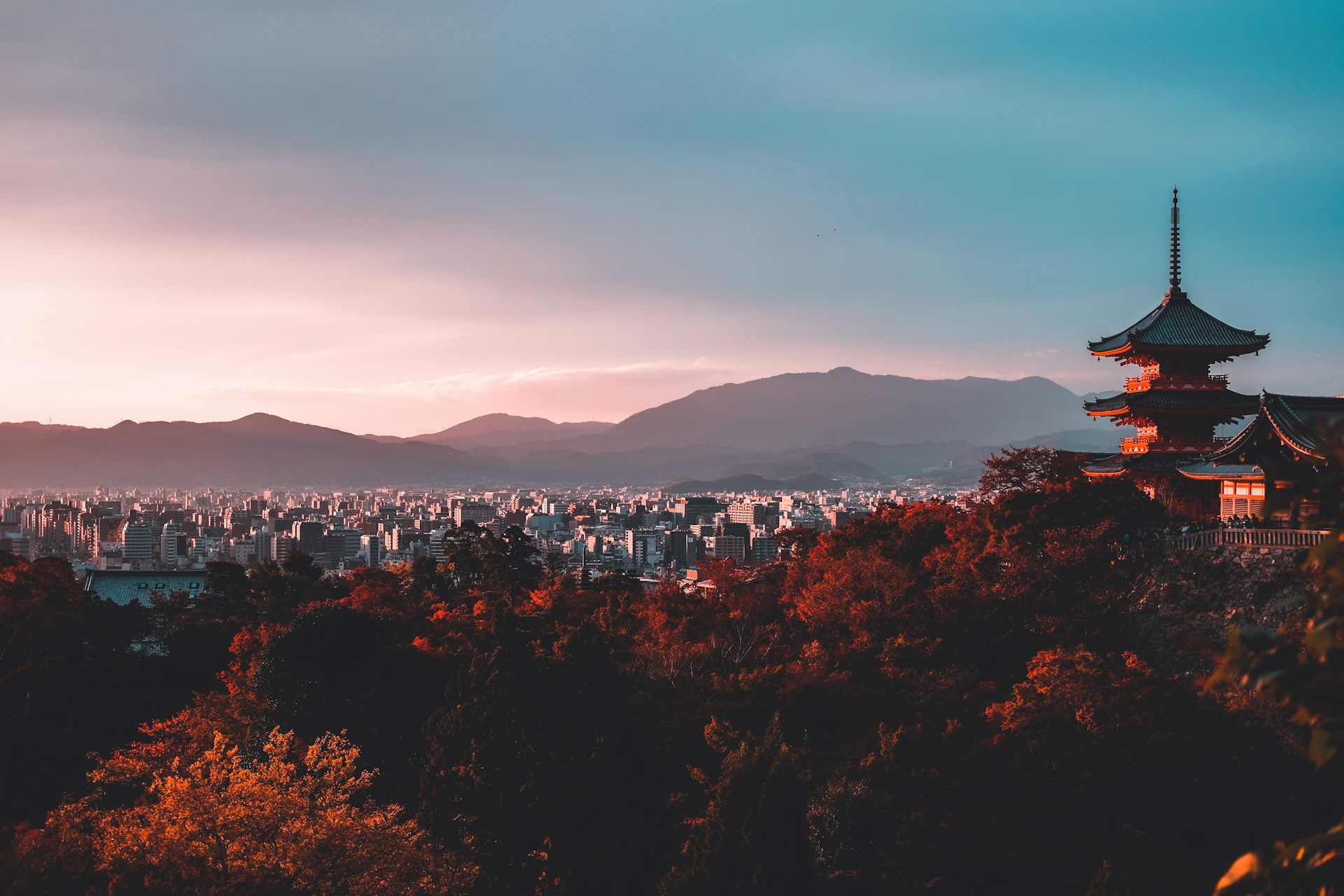
Kyoto moves at two speeds. There is the calm of stone lanes in Higashiyama, where lantern-lit teahouses and slow-strolling visitors set the pace, and there is the brisk efficiency of the train platforms beneath Kyoto Station, where commuters pour onto bullet trains and local lines with practiced precision. The city wears its history openly, yet beneath those temple roofs runs one of Japan's most reliable, if occasionally crowded, transport networks.
Unlike Tokyo or Osaka, Kyoto does not lean heavily on its subway. The real workhorse here is the city bus, a dense web of routes that reaches almost every shrine, garden and market. Trains handle the longer hops and the journeys out to Arashiyama or Fushimi, while the flat, grid-like center makes Kyoto unusually friendly to bicycles and to your own two feet.
For a first-time visitor, the trick is matching the mode to the moment. A bus is perfect for reaching a hillside temple, but useless in gridlock during cherry blossom season. The subway zips north to south but barely touches the eastern temple district. Once you understand which tool fits which job, Kyoto opens up beautifully.
Getting Around Kyoto by City Bus
The Kyoto City Bus is the backbone of sightseeing transport. Hundreds of routes fan out from the central hubs at Kyoto Station and Shijo-Kawaramachi, connecting you to Kinkaku-ji, Kiyomizu-dera, Ginkaku-ji, Gion and nearly every other landmark. Buses are green and run frequently throughout the day, with most sightseeing routes operating until around 9 to 10 pm.
A single ride within the central flat-fare zone costs around 230 yen, roughly $2, paid when you exit. You board at the rear door and leave at the front, dropping coins or tapping an IC card into the machine beside the driver. If you plan several rides in a day, an IC card such as ICOCA or Suica saves fumbling for change, and most buses accept them.
The honest downside: buses get extremely crowded and slow during peak tourist seasons and rush hour. The route to Kiyomizu-dera and Gion can crawl. Build in extra time, avoid the 8 to 9 am and 5 to 6 pm windows when you can, and consider walking shorter segments to skip the worst of the congestion. Bus stops display route maps in English, and onboard announcements are bilingual on major lines.
Getting Around Kyoto by Subway
Kyoto's subway has just two lines, but they are fast and never stuck in traffic. The Karasuma Line runs north to south through the city center, linking Kyoto Station with Shijo, Karasuma-Oike and the northern neighborhoods. The Tozai Line crosses east to west, useful for reaching Nijo Castle and the eastern edge of the city near Keage, a short walk from the Nanzen-ji and Heian Shrine area.
Fares start at around 220 yen and rise with distance, typically up to 360 yen for longer trips. Buy a paper ticket from the machines or tap an IC card at the gates. Trains run roughly every five to seven minutes and stop around midnight. The subway is clean, air-conditioned and reliable, making it the best choice when you want to cross the city quickly and avoid the bus crush. Its weakness is coverage: the famous eastern temple district is largely beyond walking distance from any subway stop, so you will often combine the subway with a short bus ride or taxi.
Getting Around Kyoto by Train
Several private and JR railway lines stitch together Kyoto and its outskirts, and they are essential for the more distant sights.
JR Lines
JR trains depart from Kyoto Station and are the way to reach Arashiyama via the Sagano Line and Fushimi Inari via the Nara Line. The bright orange torii gates of Fushimi Inari sit right beside JR Inari Station, just two stops from Kyoto Station for around 150 yen. If you hold a Japan Rail Pass, these rides are covered.
Keihan and Hankyu
The Keihan Line runs along the eastern bank of the Kamo River, dropping you near Gion, Kiyomizu-dera and along to Fushimi. The Hankyu Line connects central Kyoto at Kawaramachi westward toward Arashiyama and onward to Osaka. Both are efficient and IC-card friendly.
Randen Tram
The Keifuku Randen is a charming little tram line that trundles out to Arashiyama from the city's western side. It is slow and nostalgic rather than fast, but the ride through quiet neighborhoods is part of the appeal. A single fare is a flat 250 yen or so, paid as you exit.
Getting Around Kyoto by Taxi
Taxis are plentiful, metered and honest, a refreshing contrast to many Asian cities. Flag fall starts at roughly 500 yen for the first short distance, climbing in small increments after that. A short cross-town hop might run 1,000 to 2,000 yen, while a trip from Kyoto Station out to Arashiyama could reach 3,000 yen or more depending on traffic.
Doors open automatically, so stand back and let the driver operate them. Most accept credit cards and IC cards, and many take cash only as a last resort, so confirm if you lack a card. Drivers rarely speak much English, so have your destination written in Japanese or shown on a map. Taxis shine for late-night returns after the buses stop, for groups of three or four where the cost splits well, and for reaching temples up steep lanes. You can compare taxi estimates against trains and buses on GoAsia.cc before you set out.
Getting Around Kyoto by Ride-Hailing App
Japan does not have Western-style ride-hailing with private drivers. Instead, apps such as GO and DiDi connect you to licensed metered taxis. Prices match the regular taxi meter plus a small booking fee, and you avoid any language friction by entering your destination in the app. These apps are genuinely useful in the rain or late at night when hailing on the street is harder, and payment runs through the app automatically. Download GO before arrival, as it has the widest coverage in Kyoto.
Getting Around Kyoto by Bicycle
Kyoto's flat center and grid layout make cycling a joy, and many travelers rate it the single best way to explore. Rental shops near Kyoto Station and around the center hire bicycles for roughly 1,000 to 1,500 yen per day. You can pedal between temples, along the Kamo River and through backstreets that buses never reach, all at your own pace.
A few rules matter: park only in designated bicycle lots, as illegally parked bikes get impounded and reclaiming one is a hassle. Cycling on busy pavements is technically restricted, and you should ride on the left. The eastern hills around Kiyomizu-dera get steep, so save the bike for the flatter central and riverside areas. Bike-share docking systems also operate in parts of the city for shorter hops.
Getting Around Kyoto on Foot
Some of Kyoto's finest experiences happen entirely on foot. The Higashiyama district, with its preserved lanes leading up to Kiyomizu-dera, is best walked, as is the Philosopher's Path between Ginkaku-ji and Nanzen-ji. Gion's atmospheric streets reward slow wandering, especially in the evening. Distances in the center are walkable, and pairing a short subway or bus ride with a long stroll is often the smartest plan. Pavements are clean, drivers are courteous, and getting pleasantly lost in a quiet residential lane is part of Kyoto's charm.
Comparing Your Options
| Mode | Typical Cost | Duration | Best For |
|---|---|---|---|
| City Bus | ~230 yen per ride | Varies, slow in traffic | Reaching temples and most landmarks |
| Subway | 220-360 yen | Fast, every 5-7 min | Crossing the city quickly |
| Train (JR/Keihan/Hankyu) | From ~150 yen | Fast | Fushimi Inari, Arashiyama, day trips |
| Randen Tram | ~250 yen | Slow and scenic | Reaching Arashiyama with character |
| Taxi | From ~500 yen | Direct | Late nights, groups, steep lanes |
| Ride-hailing (GO/DiDi) | Meter plus small fee | Direct | Rain, late night, no language stress |
| Bicycle | ~1,000-1,500 yen/day | Self-paced | Exploring the flat central areas |
| Walking | Free | Self-paced | Higashiyama, Gion, riverside lanes |
Practical Tips for Getting Around Kyoto
A little preparation makes Kyoto's transport almost effortless. The system is honest and well-signed, so most of your effort goes into timing rather than navigation.
- Get an IC card first. An ICOCA or Suica card works on buses, subways and most trains across the region. Tap to ride, top up at any machine, and skip the change-counting at bus exits.
- Download GO and Google Maps. Google Maps gives accurate Kyoto transit routing including which bus to catch. GO handles taxis without any language barrier.
- Avoid peak crowds. Buses to popular temples are jammed during cherry blossom and autumn foliage seasons and on weekends. Start sightseeing early, before 9 am, to beat the worst of it.
- Carry coins and small notes. While cards are widely accepted, some smaller buses and shops still favor cash, and bus fare machines give change only from coins and 1,000 yen notes.
- Mind the last departures. Subways and most buses stop around midnight or earlier. Plan a taxi for late returns from Gion or the eastern hills.
- Show your destination in Japanese. Drivers and some bus staff speak limited English. A written address or a pin on a map removes all confusion.
Scams are essentially nonexistent in Kyoto. Taxis are metered and trustworthy, and lost items have a famously high chance of being returned. The main mistakes travelers make are underestimating bus travel times in traffic and trying to rely on the subway for the eastern temples, where it simply does not reach. When in doubt, combine a fast train or subway leg with a short walk or taxi at the end.
Popular Routes and Destinations
For Fushimi Inari, take the JR Nara Line from Kyoto Station to Inari Station, a quick and cheap ride from around 150 yen that drops you at the base of the torii gates. Arashiyama is best reached by the JR Sagano Line, the Hankyu Line, or the scenic Randen tram if you have time to spare. For Kinkaku-ji, the Golden Pavilion, the city bus remains the most direct option since no train serves it well. Kiyomizu-dera and Gion are reachable by bus or by the Keihan Line followed by an uphill walk, though many visitors prefer to wander up through Higashiyama on foot. Compare these options side by side on GoAsia.cc to find the balance of speed, cost and scenery that suits your day.
Frequently Asked Questions
Use this guide to compare local transport in Kyoto. When bookable tickets are available, the booking tool shows current options and prices.
For most travelers, a combination of city buses, the two subway lines and walking covers nearly everything. Buses reach the temples, the subway crosses the city quickly, and trains handle longer trips to Fushimi Inari and Arashiyama. Renting a bicycle is also one of the most enjoyable ways to explore the flat central areas.
A single city bus ride costs around 230 yen, roughly $2, and subway fares run between 220 and 360 yen depending on distance. Trains start from about 150 yen for short hops, while taxis begin near 500 yen at flag fall. An IC card such as ICOCA makes paying for all of these seamless.
Yes, Kyoto's public transport is extremely safe and reliable at all hours. Taxis are metered and honest, buses and trains are clean and orderly, and crime targeting travelers is very rare. The main inconvenience is crowding during peak tourist seasons rather than any safety concern.
Japan does not have private-driver ride-hailing, but apps like GO and DiDi let you book licensed metered taxis from your phone. You pay the standard meter rate plus a small booking fee, and entering your destination in the app removes any language barrier with the driver.
You do not strictly need one, but an IC card such as ICOCA or Suica is highly recommended. It works on buses, both subway lines and most regional trains with a single tap, saving you from counting coins for bus fares and buying paper tickets each time.
Very much so. The flat central grid and atmospheric districts like Higashiyama, Gion and the Philosopher's Path are best explored on foot. Walking is often the smartest way to cover short distances, especially when buses are stuck in seasonal traffic.
Take the JR Nara Line from Kyoto Station to Inari Station for Fushimi Inari, a short ride from around 150 yen that leaves you at the torii gates. For Arashiyama, use the JR Sagano Line or Hankyu Line for speed, or the scenic Randen tram if you want a more leisurely, atmospheric trip.