
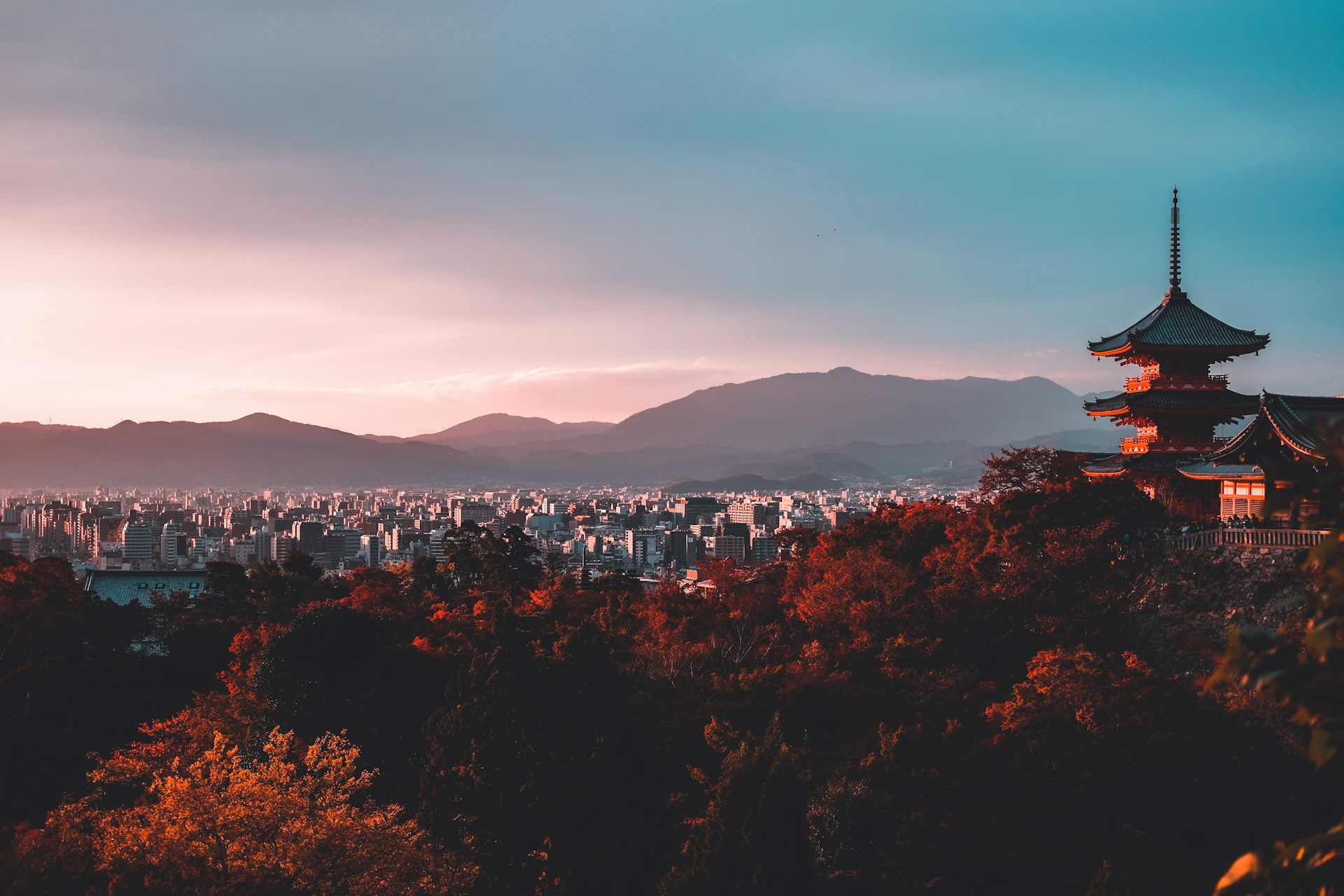
Nagoya rarely tops a first-time visitor's Japan itinerary, which is exactly why it feels so easy to move through. Japan's fourth-largest city was rebuilt on a generous grid after wartime damage, leaving it with wide boulevards, a tidy subway system, and a refreshing absence of the crush you feel in Tokyo or Osaka. Step out of your hotel near Nagoya Station and you will notice the difference immediately: trains arrive on the dot, platforms are calm, and you can usually find a seat outside rush hour.
The city sprawls more than you might expect, with key sights scattered between Nagoya Castle in the north, the Osu shopping district in the center, and Atsuta Shrine to the south. Walking covers the gaps within a single neighborhood, but you will lean on the subway as your backbone, supplemented by a dense web of private rail lines reaching out to Inuyama, the airport, and the mountains. Locals here are proud of their efficient, almost understated mobility, and once you crack the system you will glide around with very little fuss.
English signage is solid on the major lines and patchier on local buses, but the overall experience is forgiving. You can plan and compare your transport options on GoAsia.cc before you arrive, then simply tap a prepaid card and go once you are on the ground.
Getting Around Nagoya by Subway
The Nagoya Municipal Subway is the workhorse of the city and the mode you will use most. Six lines fan out from the center, color-coded and numbered, with the Higashiyama Line (yellow) being the most useful for visitors since it links Nagoya Station, the Sakae nightlife district, and the Higashiyama Zoo and Botanical Gardens. The Meijo Line (purple) is the only loop line in Japan outside Tokyo and conveniently stops near Nagoya Castle and Osu Kannon.
Trains run roughly from 5:30am to just past midnight, arriving every 3 to 5 minutes during the day and every 7 to 10 minutes late at night. Single fares are distance-based, starting at around 210 yen (roughly $1) for short hops and climbing to about 340 yen (roughly $2) for longer cross-city trips. Buy paper tickets from machines under the colored fare map, or simply tap a prepaid IC card.
Stations are clean, well-lit, and signposted in English with the station numbers that make navigation painless even if you cannot read kanji. If you plan to ride the subway several times in a day, the one-day Donichi Eco Kippu pass (valid weekends and holidays for around 620 yen, roughly $4) or a regular one-day subway-and-bus pass can pay for itself quickly.
Getting Around Nagoya by Train
Beyond the city subway, Nagoya is a major rail hub where Japan Railways (JR) and two big private operators, Meitetsu and Kintetsu, all converge at the colossal Nagoya Station complex. For getting around within the wider metropolitan area these lines are invaluable.
JR Lines
The JR Chuo Line is handy for reaching the Tokugawa Art Museum area and continuing toward the Kiso Valley, while the JR Tokaido Line runs south past Atsuta. If you hold a Japan Rail Pass, you can use these local JR services at no extra cost, which makes day trips painless. Fares without a pass are distance-based and comparable to the subway.
Meitetsu and Kintetsu
Meitetsu is the private line you will most likely use, since it connects Nagoya Station directly to Chubu Centrair International Airport and to popular day-trip towns like Inuyama with its hilltop castle. Kintetsu heads toward Ise and Nara. Both have their own station buildings adjoining JR Nagoya Station, so allow a few extra minutes to find the correct entrance. IC cards work seamlessly across all of them.
Getting Around Nagoya by Bus
The Nagoya City Bus network fills in the gaps the subway misses, particularly to residential neighborhoods and some temples. For most travelers the standouts are the tourist-friendly loop services. The Me-guru sightseeing bus is purpose-built for visitors, looping past Nagoya Castle, the Tokugawa Art Museum, Noritake Garden, and other highlights in a retro-styled vehicle. A single ride costs around 210 yen (roughly $1), but the Me-guru day pass at about 500 yen (roughly $3) is the smart buy if you are hitting several sights.
On regular city buses you typically board at the front and pay a flat fare of around 210 yen when you get on, or tap your IC card. Announcements are in Japanese with some English on busier routes, so watch the digital display for your stop. Buses are comfortable and punctual but slower than the subway when traffic builds, so reserve them for places the trains do not reach.
Getting Around Nagoya by Taxi
Taxis in Nagoya are clean, metered, and honest. The flag-fall starts at roughly 500 yen (around $3) for the first kilometer or so, then climbs by the meter. A typical cross-town ride lands somewhere between 1,500 and 3,000 yen (roughly $10 to $20). Doors open and close automatically, so let the driver handle them, and never tip.
You will find taxi ranks outside Nagoya Station, Sakae, and major hotels, and you can hail one on the street if its light glows red. Few drivers speak much English, so have your destination written in Japanese or shown on a map. Taxis shine late at night after the subway closes, for groups splitting the fare, or when you are hauling luggage. For everyday travel they are an expensive luxury given how good the subway is.
Getting Around Nagoya by Ride-Hailing
Japan does not have Uber in the Western sense for private drivers, but the GO taxi app is widely used and works well in Nagoya. It summons a licensed metered taxi to your location, lets you pay by registered card, and removes the language barrier since you input your destination in the app. Fares match standard street taxis plus a small dispatch fee. Uber operates in Nagoya too, but it simply dispatches the same regulated taxis. For most visitors, GO is the more reliable choice when you cannot find a cab on the street.
Getting Around Nagoya by Bicycle
Nagoya's flat grid makes it surprisingly pleasant for cycling, and the city runs a public bike-share scheme alongside several rental shops near the station. Bike-share docking ports cluster around the center, and you unlock bikes via an app for a modest hourly or daily rate, typically a few hundred yen per ride. Cycling is a lovely way to link the Osu district, Tsuruma Park, and the canals, but remember Japanese rules: ride on the left, avoid the busiest pavements, and use lights after dark. Many hotels also lend or rent bikes to guests.
Getting Around Nagoya on Foot
Within any single district, walking is often the most enjoyable option. The Sakae area is dense with department stores, the Oasis 21 complex, and underground shopping arcades that let you walk for blocks without surfacing in bad weather. Osu is a warren of covered arcades best explored on foot, and the grounds of Nagoya Castle and Atsuta Shrine demand a stroll. Distances between districts, however, are real, so pair walking within neighborhoods with the subway between them.
Comparing Your Options
| Mode | Typical Cost | Duration | Best For |
|---|---|---|---|
| Subway | 210 to 340 yen ($1 to $2) | 10 to 25 min per trip | Crossing the city quickly and reliably |
| Train (JR/Meitetsu/Kintetsu) | From around 210 yen ($1) | Varies by distance | Airport runs and day trips |
| City Bus / Me-guru | 210 yen ($1), day pass 500 yen ($3) | 15 to 40 min | Sights the subway misses |
| Taxi | 1,500 to 3,000 yen ($10 to $20) | 10 to 25 min | Late nights and luggage |
| Ride-hailing (GO) | Meter plus small fee | 10 to 25 min | Avoiding the language barrier |
| Bicycle | A few hundred yen per ride | Flexible | Exploring the flat central districts |
| Walking | Free | Varies | Within Sakae, Osu and shrine grounds |
Practical Tips for Getting Around Nagoya
The single best move you can make is to buy or load a prepaid IC card the moment you arrive. The local card is the Manaca, but Suica, Pasmo, ICOCA, and other Japanese IC cards all work interchangeably on Nagoya's subway, buses, and trains. Tap in and out, top up at any machine, and forget about calculating fares.
- Download Google Maps and the GO taxi app before you arrive. Google Maps transit directions in Nagoya are excellent, listing platforms, fares, and the right exits.
- Avoid the rush hours of roughly 7:30am to 9:00am and 5:30pm to 7:00pm if you can, when the Higashiyama Line in particular gets crowded near the station.
- Carry some cash. While IC cards cover most transport, smaller shops, some bus passes, and rural day-trip stations may still want yen, and 100 yen and 500 yen coins are useful for ticket machines.
- Note your station exit number. Large stations like Nagoya and Sakae have dozens of exits, and choosing the right one saves a long underground walk.
- Stand on the correct side of the escalator. In Nagoya people generally stand on the left and walk on the right, the same as Tokyo.
- Scams are essentially nonexistent. Taxi meters are honest and drivers will not pad your fare, so the main risk is simply taking a pricey cab when the subway would do.
Language is rarely a barrier on the rail network thanks to numbered stations and English announcements on major lines. On local buses, keep your destination written in Japanese or pinned on a map, and the friendly drivers will usually help you find your stop. After the subway shuts down around midnight, your only realistic options are taxis or ride-hailing, so plan your last train carefully if you are out late in Sakae.
Popular Routes and Destinations
To reach Nagoya Castle, take the Meijo Line to Shiyakusho Station or hop on the Me-guru sightseeing bus, which drops you right at the entrance. For Atsuta Shrine, the Meijo Line to Jingu-Nishi or the Meitetsu line to Jingu-mae both work well. The Osu shopping arcades sit beside Osu Kannon Station on the Tsurumai Line, and Sakae, the entertainment heart, is a quick Higashiyama Line ride from the main station.
For the airport, the Meitetsu line runs directly from Nagoya Station to Chubu Centrair International Airport, with limited express services that are the fastest and most comfortable way to reach your flight. Day trips to Inuyama Castle are equally simple on the Meitetsu network, making the wider region accessible without ever renting a car.
Frequently Asked Questions
Use this guide to compare local transport in Nagoya. When bookable tickets are available, the booking tool shows current options and prices.
The municipal subway is the best all-round option, with six color-coded lines reaching nearly every major sight quickly and cheaply. Pair it with the Me-guru sightseeing bus for spots like Nagoya Castle, and use taxis only late at night when trains stop running.
Subway fares are distance-based, starting around 210 yen (roughly $1) and rising to about 340 yen (roughly $2) for longer rides. A one-day subway-and-bus pass or the 500 yen (roughly $3) Me-guru day pass can save money if you make several trips. Taxis run roughly 1,500 to 3,000 yen ($10 to $20) for a cross-town ride.
Yes, very. Nagoya's subway, trains, and buses are clean, punctual, and remarkably safe at all hours, with virtually no transport scams. Taxi meters are honest and drivers will not overcharge, so you can travel with confidence day or night.
There is no private-driver Uber as in Western countries, but the GO taxi app works well and dispatches licensed metered taxis to your location. It lets you set your destination and pay by card in-app, which removes the language barrier when hailing a cab.
It is highly recommended. A Manaca card, or any Japanese IC card like Suica or ICOCA, works across the subway, buses, and trains. Just tap in and out and top up at machines, saving you from buying paper tickets for every ride.
Individual districts like Sakae and Osu are very walkable, with extensive covered arcades and underground malls. However, the city is spread out, so you will need the subway to travel between neighborhoods rather than walking the whole way.
Take the Meitetsu line directly from Nagoya Station to Chubu Centrair International Airport. The limited express services are the fastest and most comfortable, and IC cards work on the standard trains.