
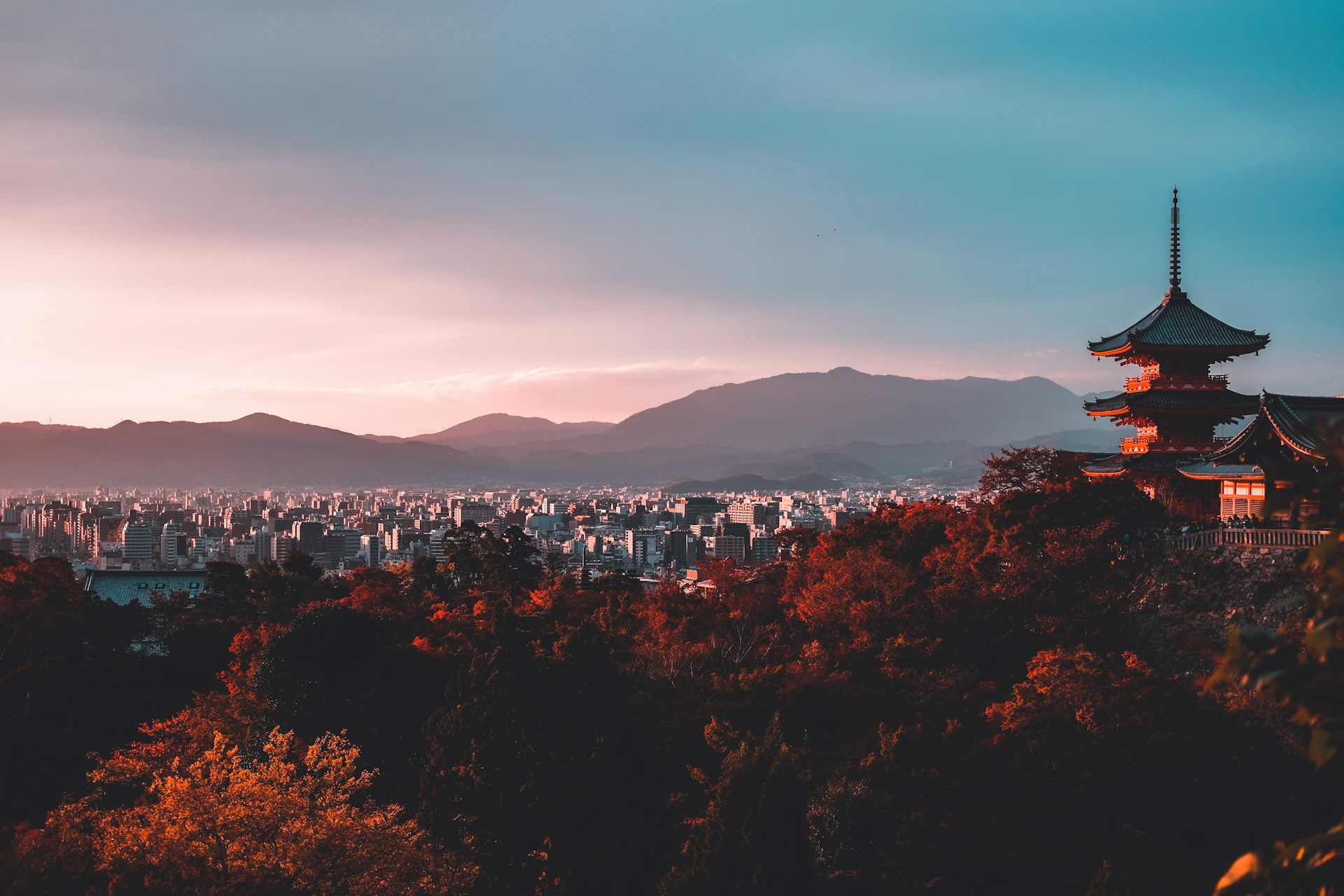
Step out of Sendai Station and the first thing you notice is how green this city feels. Nicknamed the City of Trees, Sendai spreads its wide zelkova-lined avenues across a gentle plain between the Pacific coast and the wooded hills where Date Masamune once built his castle. The downtown core is compact and remarkably walkable, with covered shopping arcades that keep you dry in the rain and snow, while the wider metropolis stretches out toward the coast and into the surrounding countryside.
For a city of over a million people, Sendai moves at an unhurried pace. There is no overwhelming subway maze like Tokyo or Osaka here. Instead you get two clean subway lines, an extensive bus network, JR trains fanning out across Tohoku, and a charming tourist loop bus that strings together the main sights. Most travelers find they can handle the central districts on foot and lean on the subway or a single bus ride for anything farther out.
The rhythm is calm but efficient. Trains and buses run on time, signage includes English in the central areas, and locals are unfailingly helpful when you look lost. Once you understand the handful of systems at play, getting around Sendai becomes one of the easier parts of any Tohoku trip.
Getting Around Sendai by Subway
Sendai's subway is the backbone of the city's public transport. It consists of two lines that cross at Sendai Station, the central hub. The older Namboku Line runs north to south, connecting Izumi-Chuo in the north through the city center down to Tomizawa in the south. The newer Tozai Line runs east to west, linking the Yagiyama Zoological Park and Hachiken area in the west across the center to Arai in the east.
Trains arrive every few minutes during the day and roughly every seven to ten minutes in off-peak hours. Service typically starts around 5:30 in the morning and the last trains run close to midnight. Fares are distance-based and usually fall between around 210 and 370 yen for most journeys within the city.
Paying is simple. You can buy a single paper ticket from the touchscreen machines, but most visitors use a rechargeable IC card such as Suica or icsca, the local Sendai card. Tap in at the gate, tap out at your destination, and the fare deducts automatically. The Tozai Line is particularly useful for reaching the castle area and the museum district uphill in the west, where walking would mean a long climb.
Getting Around Sendai by Loople Bus
The Loople Sendai is a retro-styled tourist loop bus designed specifically for sightseeing, and it is the single most useful transport option for first-time visitors. The distinctive green and cream buses depart from Sendai Station and circle past nearly every major attraction, including the Aoba Castle ruins, the Zuihoden mausoleum, the Sendai City Museum, and Osaki Hachimangu Shrine.
A single ride costs around 260 yen, but the smart choice is the one-day pass for roughly 630 yen, which also gives you discounted admission at many of the sights along the route. Buses run frequently throughout the day on weekends and holidays and slightly less often on weekdays. The recorded commentary and clear stop announcements make it foreigner-friendly. The main downside is that it runs in one direction only, so if you miss your stop you ride the full loop back around.
Getting Around Sendai by City Bus
Beyond the Loople, Sendai operates a comprehensive city bus network run mainly by Sendai City Transportation Bureau and Miyagi Transportation. Buses reach neighborhoods and suburbs the subway does not, making them essential for anyone staying outside the center or heading to spots like the coast.
You board through the rear door, take a numbered ticket, and pay the corresponding fare when you exit at the front. A display at the front shows the fare for your boarding number. Fares typically start around 170 yen and rise with distance. IC cards work on most buses and save you fumbling for coins. The catch for visitors is that route information and destination signs are often in Japanese only, so it pays to check your route on a mapping app before boarding.
Getting Around Sendai by JR Train
Japan Railways trains connect Sendai with its wider region and coastal suburbs. The JR Senseki Line runs east toward Matsushima Bay and its famous pine-covered islands, while the Senzan Line heads west into the mountains toward Yamagata. Sendai Station is also the Tohoku Shinkansen hub, putting Tokyo within around 90 minutes for day-trippers heading the opposite direction.
For getting around the greater Sendai area, JR local trains are fast and comfortable, with fares for nearby destinations usually under 600 yen. Your Suica or icsca card works on local JR lines within the IC card zone. Trains run frequently to popular spots, though service to smaller stations can thin out in the evening, so check return times if you head out to the coast or hills.
Getting Around Sendai by Taxi
Taxis are plentiful in Sendai, lining up outside the station and circling the downtown arcades. They are clean, metered, and honest, with no haggling and no fear of being taken on a long detour. The flag-fall fare starts at roughly 650 to 700 yen for the first kilometer or two, then climbs steadily.
A short hop within the center might cost around 1,000 to 1,500 yen, while crossing town runs closer to 2,000 to 3,000 yen. Taxis make sense late at night after the subway stops, when traveling in a small group, or in heavy snow when walking is unpleasant. Most accept IC cards and credit cards, and the doors open and close automatically, so do not reach for the handle. Drivers rarely speak English, so have your destination written down or shown on a map.
Getting Around Sendai by Ride-Hailing
Ride-hailing exists in Sendai but works differently than in Southeast Asia. There is no Grab or Uber in the Western sense. Instead, the GO taxi app is the standard tool, letting you hail a regular licensed taxi to your location and pay through the app. It is handy if you cannot find a cab on the street or want to avoid the language barrier of explaining your destination. Pricing matches the standard metered taxi rates, so you are not paying a premium beyond a small booking fee.
Getting Around Sendai by Bicycle
Sendai is flat through its central districts and pleasantly suited to cycling. The Date Bike share scheme places red rental bicycles at ports across downtown, the station area, and near major sights. You register through an app, unlock a bike, and return it to any port. Expect to pay around 165 yen for the first 30 minutes with modest charges after that, or a day pass for roughly 1,000 yen.
Cycling is a wonderful way to explore the leafy avenues and riverside paths, though be mindful that the western parts of the city climb steeply toward the castle. In winter, snow and ice make cycling less appealing.
Getting Around Sendai on Foot
Do not underestimate walking in Sendai. The central business and shopping district around Ichibancho and Chuo-dori is laced with long covered arcades that shield you from rain, sun, and snow. From Sendai Station you can reach most downtown restaurants, shops, and hotels in under twenty minutes on foot. The wide, tree-shaded boulevards make strolling genuinely pleasant, and many of the city's quiet pleasures reveal themselves only when you slow down and wander.
Comparing Your Options
| Mode | Typical Cost | Duration | Best For |
|---|---|---|---|
| Subway | 210 to 370 yen | 5 to 25 min | Crossing the city quickly |
| Loople Bus | 260 yen or 630 yen day pass | Loop varies | Hitting the main sights in one trip |
| City Bus | From 170 yen | Varies | Reaching suburbs and the coast |
| JR Train | Under 600 yen locally | 10 to 40 min | Day trips to Matsushima and beyond |
| Taxi | 650 yen and up | Door to door | Late nights and small groups |
| Bicycle | From 165 yen / 30 min | Flexible | Exploring the flat central districts |
| Walking | Free | As you go | The downtown arcades and avenues |
Practical Tips for Getting Around Sendai
A little preparation makes Sendai feel effortless. The systems are well run, but signage outside the center can be Japanese-only, so a few apps and habits will keep you moving smoothly.
- Get an IC card on arrival. Suica works nationwide, while the local icsca card covers Sendai subway and buses. Either lets you tap on and off without buying tickets each time. You can also compare transport options on GoAsia.cc before you set out.
- Download Google Maps or NAVITIME for transit directions. Both handle Sendai's subway, bus, and train timetables reliably and show platform and fare details.
- Install the GO app if you expect to use taxis often, especially at night when streets quiet down.
- Carry some coins and small bills. Buses and older machines still favor cash, and breaking large notes can be awkward.
- Rush hours run roughly 7:30 to 9:00 in the morning and 5:00 to 7:00 in the evening on weekdays. The subway gets busy but never reaches the crush of Tokyo.
- Write down or screenshot your destination in Japanese to show drivers, as English is limited outside tourist hubs.
Sendai is one of the safest cities you will visit anywhere. Crime against travelers is rare, public transport is secure at all hours, and lost items are routinely handed in. There are no transport scams to worry about, and metered taxis are honest. The main seasonal challenge is winter, when snow and ice make pavements slippery and can briefly delay buses. Dress warmly, wear shoes with grip, and allow extra time when the weather turns.
Popular Routes and Destinations
For first-time visitors, the Loople bus is the easy answer to seeing the headline sights. A single day pass at around 630 yen carries you to Aoba Castle, Zuihoden, the city museum, and Osaki Hachimangu Shrine without working out individual fares, and it bundles in attraction discounts. If you want to reach the castle area faster, the Tozai subway line gets you to the foot of the hill before a short uphill walk or transfer.
For a classic day trip, take the JR Senseki Line east to Matsushima Bay, one of Japan's three great scenic views. The ride is short, comfortable, and covered by your IC card. Heading the other way, the Senzan Line climbs west into the hills toward the mountain temple of Yamadera, a popular half-day excursion. For nights out in the Kokubuncho entertainment district, walking from central hotels is usually simplest, with a taxi home once the subway closes near midnight.
Frequently Asked Questions
Use this guide to compare local transport in Sendai. When bookable tickets are available, the booking tool shows current options and prices.
For sightseeing, the Loople tourist loop bus is the easiest option, linking nearly all the major attractions for a single day pass of around 630 yen. For general city travel, the two subway lines crossing at Sendai Station are fast and reliable, while the compact downtown is best explored on foot through its covered arcades.
Subway fares typically run between 210 and 370 yen depending on distance, and city buses start around 170 yen. A single Loople bus ride is about 260 yen, or 630 yen for an unlimited day pass. Taxis begin at roughly 650 to 700 yen and rise with distance.
Yes, Sendai is extremely safe and public transport is secure at all hours of the day and night. There are no transport scams, taxis are metered and honest, and lost items are usually returned. The main seasonal concern is winter ice rather than any safety risk.
There is no Uber or Grab in the Western sense, but the GO taxi app lets you hail a licensed metered taxi to your location and pay through your phone. Pricing matches standard taxi rates with only a small booking fee, and it is handy for avoiding the language barrier.
You do not strictly need one, but an IC card makes everything smoother. A Suica card works nationwide, while the local icsca card covers Sendai's subway and buses. Either lets you tap on and off without buying paper tickets, and both work on local JR trains within the city zone.
The central districts are very walkable, with long covered arcades around Ichibancho and Chuo-dori that protect you from rain and snow. Most downtown hotels, shops, and restaurants are within a twenty-minute walk of Sendai Station. The hilly western area near the castle is the main exception, where a bus or subway helps.
Subway stations and the Loople bus include English signage and announcements, so they are easy to navigate. City buses and taxis are more Japanese-oriented, so use a mapping app like Google Maps and have your destination written in Japanese to show drivers. Locals are generally helpful if you look lost.