
Takayama
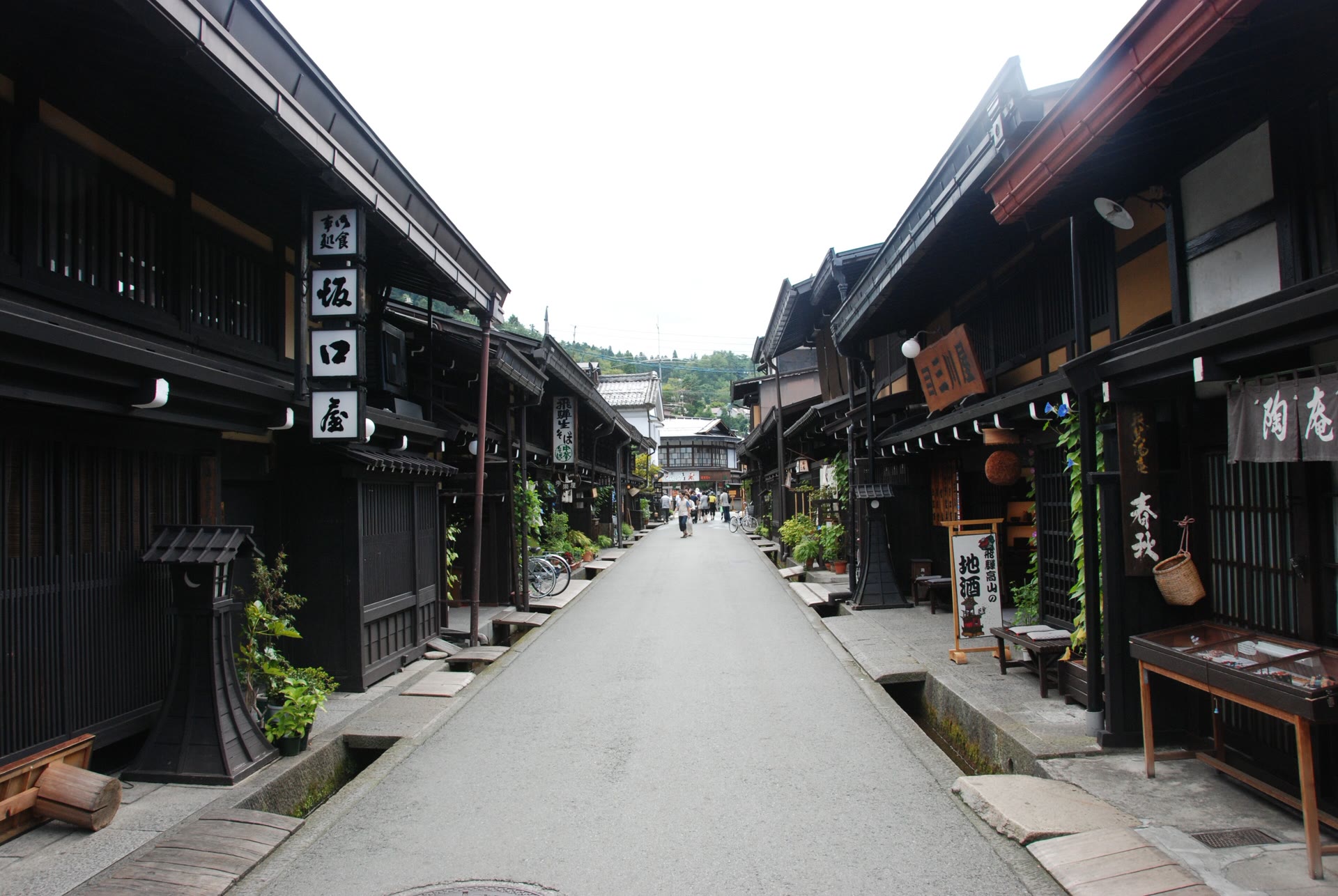
Tucked into the mountainous heart of the Japanese Alps, Takayama is a remarkably preserved Edo-era merchant town where dark-timbered sake breweries line narrow streets and morning markets still operate as they have for centuries.
Last updated: October 15, 2026
When to go
Climate and best time for TakayamaBest months: November
- January: Mixed (cold). 2 °C by day, -5 °C at night, 99 mm of rain
- February: Good (cold). 4 °C by day, -5 °C at night, 87 mm of rain
- March: Mixed (a lot of rain and cold). 9 °C by day, -1 °C at night, 134 mm of rain
- April: Good (a lot of rain). 16 °C by day, 5 °C at night, 150 mm of rain
- May: Good (a lot of rain). 21 °C by day, 10 °C at night, 139 mm of rain
- June: Good (a lot of rain). 24 °C by day, 15 °C at night, 182 mm of rain
- July: Mixed (a lot of rain). 28 °C by day, 19 °C at night, 221 mm of rain
- August: Mixed (a lot of rain and typhoon risk). 29 °C by day, 20 °C at night, 170 mm of rain
- September: Poor (typhoon risk and a lot of rain). 25 °C by day, 16 °C at night, 212 mm of rain
- October: Good (a lot of rain). 19 °C by day, 9 °C at night, 157 mm of rain
- November: Great. 13 °C by day, 3 °C at night, 108 mm of rain
- December: Good (cold). 6 °C by day, -1 °C at night, 106 mm of rain
- Great
- Good
- Mixed
- Poor
Contents
- 1. Orientation and Neighborhoods
- 1.1 Sanmachi Suji (Old Town)
- 1.2 Higashiyama Temple District
- 1.3 Station Area
- 1.4 Shiroyama Park Area
- 2. Best Time to Visit
- 3. Getting There and Getting Around
- 4. Top Sights and Experiences
- 4.1 Must-See Attractions
- 4.2 Hidden Gems
- 4.3 Overrated Attractions
- 5. Food and Drink
- 5.1 Signature Dishes
- 6. Where to Stay
- 6.1 Budget (Under $50 per night)
- 6.2 Mid-Range ($80-150 per night)
- 6.3 Upscale ($150-350+ per night)
- 7. Practical Tips
- 8. Day Trips
- 8.1 Shirakawa-go
- 8.2 Kamikochi
- 8.3 Shinhotaka Ropeway
- 8.4 Furukawa
- 8.5 Okuhida Onsen Villages
- 9. Sample 3-Day Itinerary
- 9.1 Day 1 - Old Town and Cultural Immersion
- 9.2 Day 2 - Shirakawa-go Day Trip
- 9.3 Day 3 - Mountains and Departure
- 10. Budget Overview
- 11. Frequently Asked Questions
The first thing you notice in Takayama is the smell - cedar wood, miso fermenting in century-old vats, and the faint sweetness of sake drifting from breweries marked by sugidama (cedar balls) hanging above their doorways. This small city in Gifu Prefecture sits at roughly 570 meters elevation in a broad valley surrounded by peaks that stay snow-capped well into spring. Despite its modest size of around 90,000 residents, Takayama punches far above its weight in cultural significance, culinary reputation, and sheer atmospheric charm.
Takayama rewards travelers who want to experience traditional Japan without the crowds that swamp Kyoto. The Sanmachi Suji district of old merchant houses looks almost exactly as it did during the Edo period, and the city's biannual festivals are considered among the three most beautiful in all of Japan. Foodies come specifically for Hida beef - a wagyu variety that rivals Kobe in marbling and flavor but costs significantly less. The city also serves as a gateway to the UNESCO-listed thatched-roof villages of Shirakawa-go and the hiking trails of the Northern Alps.
Plan on at least two full days here, though three allows for a day trip and a more relaxed pace. Takayama is compact enough to explore entirely on foot or by bicycle, and the combination of world-class food, genuine cultural heritage, and mountain scenery makes it one of the most satisfying stops on any Japan itinerary.
Orientation and Neighborhoods
Takayama is easy to navigate. The city centers on the Miyagawa River, which runs roughly north-south. JR Takayama Station sits on the west side, and most attractions are within a 15-minute walk east of the station.
Sanmachi Suji (Old Town)
This is the heart of Takayama - three parallel streets (Ichi-no-machi, Ni-no-machi, and San-no-machi) lined with beautifully preserved wooden merchant houses, many now operating as sake breweries, miso shops, craft galleries, and small museums. This is where you will spend most of your time. It gets busy between 10am and 3pm but empties out beautifully in the early morning and evening.
Higashiyama Temple District
East of the old town, a walking path connects over a dozen temples and shrines along a forested hillside. It is peaceful, rarely crowded, and takes about 90 minutes to walk the full route. This area gives Takayama a contemplative quality that the busier old town sometimes lacks.
Station Area
The blocks immediately around JR Takayama Station hold most of the city's hotels, a handful of restaurants, and a tourist information center that is genuinely excellent. Budget and mid-range accommodation clusters here. It is functional rather than charming but puts you within easy walking distance of everything.
Shiroyama Park Area
The hilltop ruins of Takayama Castle are surrounded by a large forested park. No castle structures remain, but the walking trails through old-growth trees are lovely, especially during cherry blossom season in mid-April. A few traditional ryokan sit at the base of the hill.
For first-time visitors, staying near the station is most practical. If you want atmosphere and are willing to pay more, look for ryokan in the old town or along the river.
Things to Do
Offers are only loaded from GetYourGuide after you click. GetYourGuide can then process your IP address and set cookies. Privacy Policy
GetYourGuide partner offers. GoAsia may earn a commission if you book through these offers. Check whether tickets or transfers are included, and follow the attraction's official booking and admission rules.
Best Time to Visit
Takayama's mountain climate means distinct seasons, each with a different character. Winters are genuinely cold with heavy snowfall; summers are warm but far more comfortable than lowland Japanese cities.
| Season | Months | Weather | Crowds | Notes |
|---|---|---|---|---|
| Spring | Apr - May | Cool to mild, cherry blossoms mid-April | High during festival (Apr 14-15) | Best overall season; Spring Festival is spectacular |
| Summer | Jun - Aug | Warm, some rain in June-July | Moderate | Good hiking weather; escape from lowland heat |
| Autumn | Sep - Nov | Cool, vivid foliage Oct-Nov | High during festival (Oct 9-10) | Autumn Festival rivals spring; stunning leaf color |
| Winter | Dec - Mar | Cold, heavy snow, below freezing | Low except New Year | Atmospheric snow scenes; fewer tourists; onsen season |
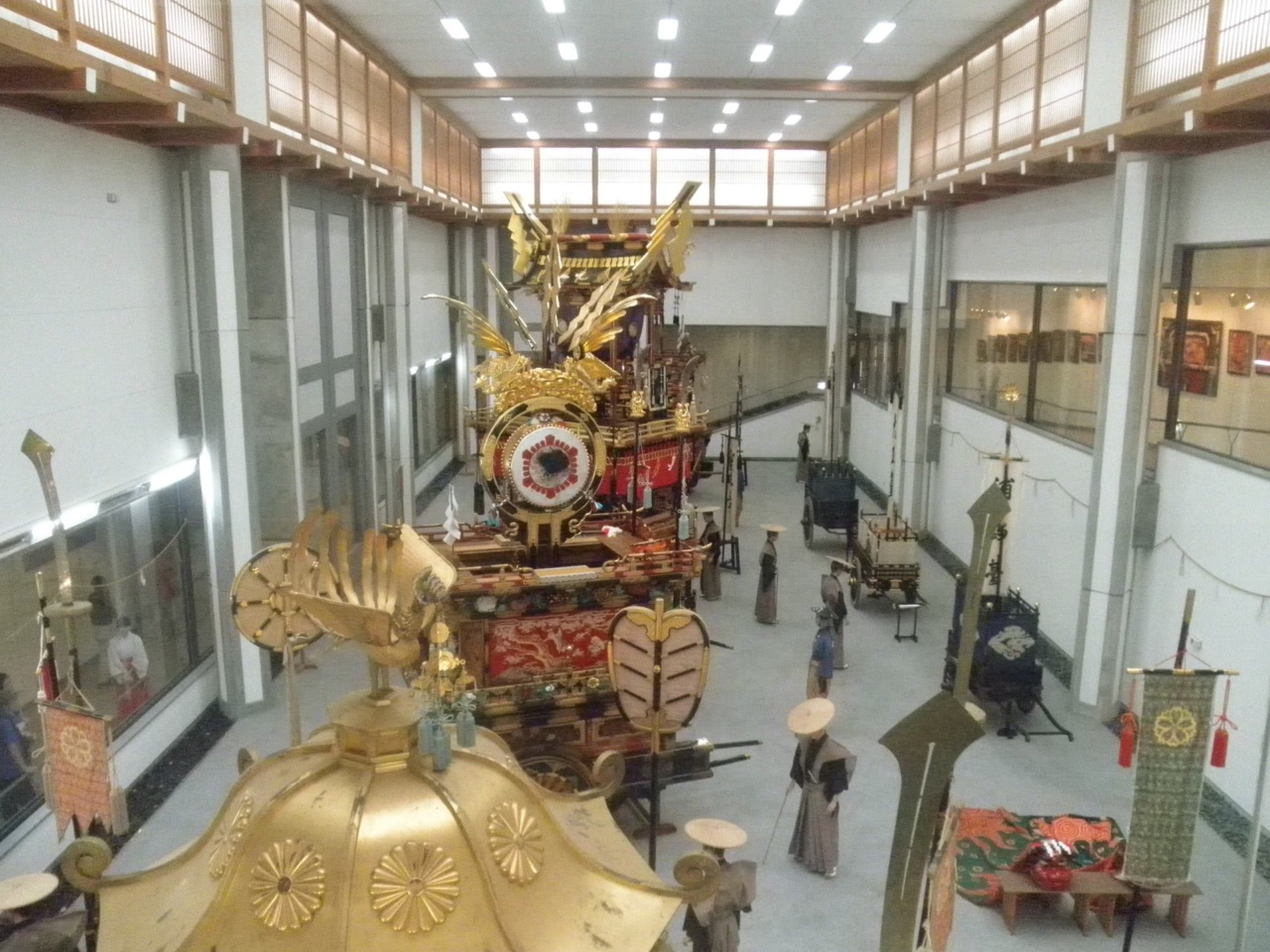
The two festival periods are the absolute peak times to visit. The Takayama Matsuri in spring (April 14-15) and autumn (October 9-10) features elaborate floats, mechanical puppet performances, and night processions with hundreds of lanterns. Accommodation books out months in advance for festival dates, and prices spike significantly. If you cannot time your visit for the festivals, the Takayama Festival Floats Exhibition Hall displays actual festival floats year-round.
Winter visitors will find a magical, snow-covered old town with very few tourists, plus the nearby Shinhotaka Ropeway offers stunning alpine views. Just pack seriously warm clothing.
Getting There and Getting Around
Takayama has no airport, but it is well connected by rail and bus. From Tokyo, the most common route is a JR limited express train from Nagoya (about 2 hours 20 minutes, roughly $35 one way) after taking the Shinkansen from Tokyo to Nagoya (about 1 hour 40 minutes). The entire Tokyo-to-Takayama journey takes around 4 hours. From Osaka or Kyoto, take the Shinkansen to Nagoya and transfer. From Kanazawa, a direct highway bus takes about 2 hours (around $30). The Japan Rail Pass covers the Nagoya-Takayama leg on the JR Hida limited express. You can find detailed transport routes and schedules on GoAsia.cc to help plan connections.
Within Takayama itself, walking is the primary and best way to get around. The entire old town and most attractions sit within a 20-minute walk of the station. Rental bicycles are available from shops near the station for around $5-8 per day and are ideal for reaching slightly farther spots like the Hida Folk Village. Local buses exist but are infrequent and unnecessary for most visitors. Taxis are available at the station and charge roughly $5-7 for short trips within the center.
Top Sights and Experiences
Must-See Attractions
Sanmachi Suji (Old Town Streets) - The three preserved merchant streets are the soul of Takayama. Walk them at least twice: once in the morning when locals open their shops and the light is soft, and once in the late afternoon when day-trippers have left. Allow at least an hour just for wandering. Many sake breweries offer free tastings - look for the cedar ball above the entrance. Funasaka Sake Brewery and Harada Sake Brewery are among the most visitor-friendly.
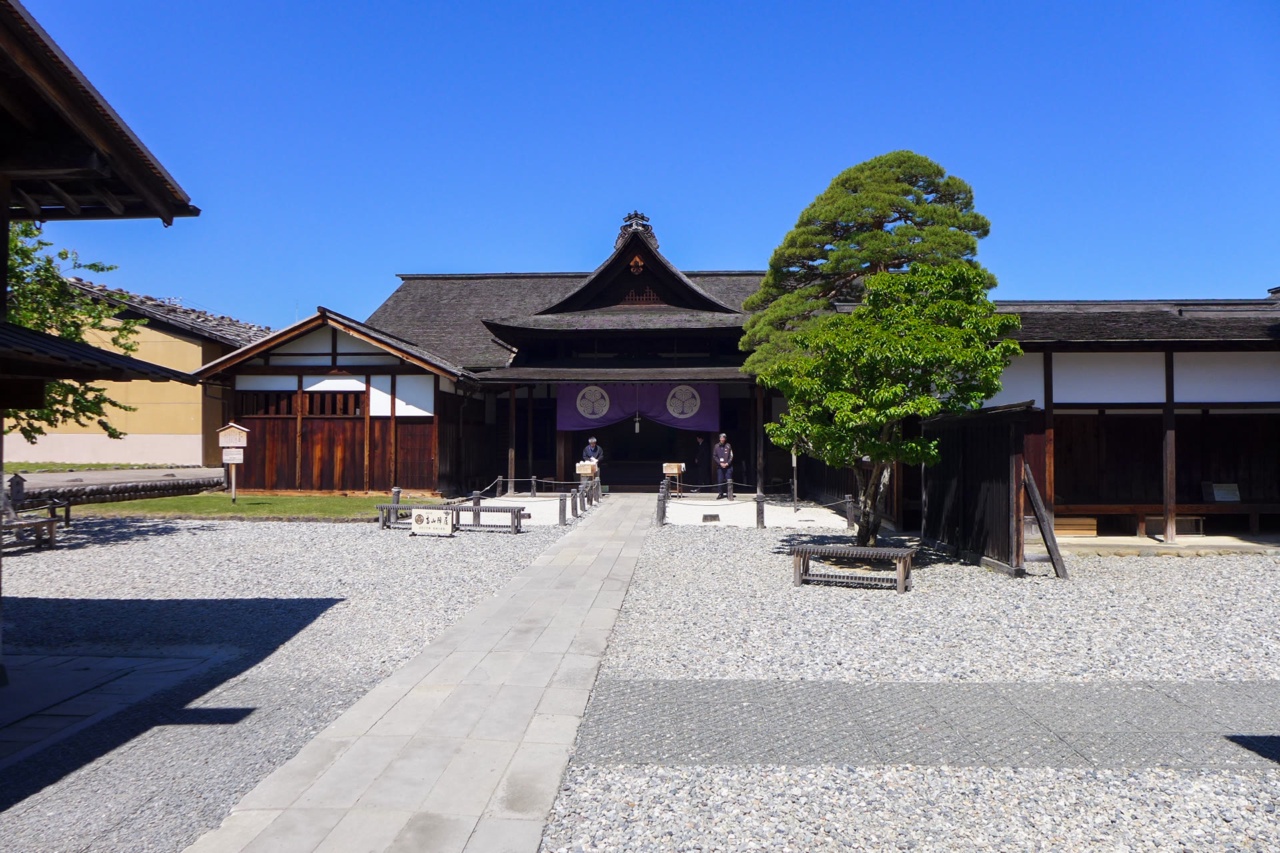
Takayama Jinya (Historic Government House) - The only surviving Edo-period provincial government office in Japan. The complex of tatami rooms, a rice storehouse, and a courtroom where officials administered the Hida region is fascinating. English audio guides are available. Budget about 45 minutes. Entry costs around $4. The morning market right outside operates daily until noon and sells pickles, crafts, and fresh produce.
Miyagawa Morning Market - Running along the east bank of the Miyagawa River every morning from roughly 7am to noon, this market has operated for over 200 years. Vendors sell local vegetables, handmade crafts, Sarubobo dolls (a regional good-luck charm), and snacks. It is small - you can walk through in 20 minutes - but the atmosphere is genuine rather than touristy.
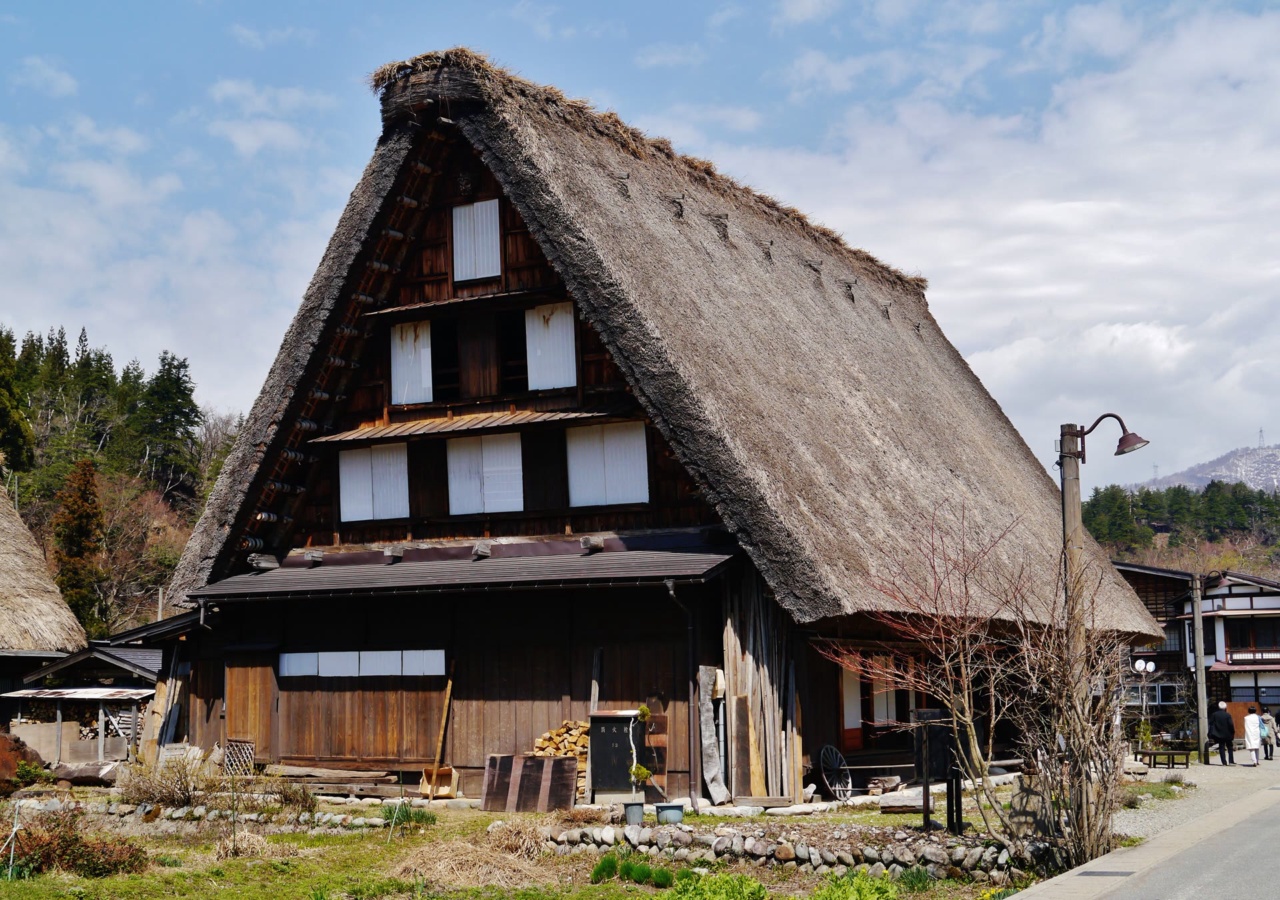
Hida Folk Village (Hida no Sato) - An open-air museum about 20 minutes on foot (or a short bus ride) west of the station, featuring over 30 traditional thatched-roof farmhouses relocated from the surrounding mountain region. The buildings are beautifully maintained, and several contain exhibits on rural crafts like woodworking and lacquerware. Allow 1.5 to 2 hours. Entry is around $6. Visit on a weekday morning for near-solitude.
Higashiyama Walking Course - This temple trail east of the old town connects 13 temples and 5 shrines along a forested hillside. The full route takes about 90 minutes at a leisurely pace. It is free, uncrowded, and offers a completely different side of Takayama - mossy stone paths, quiet graveyards, and mountain views. Start from the south end near Shiroyama Park and walk north.
Hidden Gems
Yoshijima Heritage House and Kusakabe Folk Museum - Two magnificent merchant houses open to visitors, showcasing the wealth and craftsmanship of Edo-era Takayama. Yoshijima-ke is particularly striking, with soaring interior beams and a skylight that creates dramatic shadows. Each takes about 30 minutes and costs around $4-5.
Sakurayama Hachimangu Shrine - The shrine itself is pleasant but unremarkable. The real draw is the adjacent Takayama Festival Floats Exhibition Hall, which rotates four of the actual festival floats in a climate-controlled gallery. If you cannot attend the festival, this is the next best thing. Entry is around $7.
Evening Stroll Along the Miyagawa River - After dark, the old town empties and the riverside becomes beautifully atmospheric, especially in autumn and winter. Several small izakaya along the river serve local sake and Hida beef skewers.
Overrated Attractions
Teddy Bear Eco Village - A teddy bear museum in a repurposed old house that charges around $5 entry. It has no connection to Takayama's culture and feels out of place. Skip it unless traveling with very young children.
Takayama Showa Museum - A nostalgia museum recreating mid-century Japanese life. Mildly interesting but ultimately a collection of old household items without much context. Not worth the entry fee when the real old town is right outside.
Hida Great Stalactite Cave - Located about 20 minutes by car outside the city. It is a perfectly fine cave but nothing exceptional by global standards, and the taxi cost to get there makes it poor value compared to spending that time in town.
Food and Drink
Takayama is one of the best food destinations in rural Japan, with a culinary identity shaped by mountain geography, cold winters, and centuries of isolation from coastal regions.
Signature Dishes
| Dish | Description | Where to Try | Typical Price |
|---|---|---|---|
| Hida Beef | Richly marbled wagyu from local cattle; served grilled, as sushi on rice crackers, or in sukiyaki | Restaurants in Sanmachi Suji; street stalls sell beef sushi and skewers | $3-5 for street sushi; $25-60 for a restaurant meal |
| Takayama Ramen | Thin curly noodles in a simple soy-based broth with green onions and chashu pork; lighter than most ramen styles | Small noodle shops near the station and old town | Around $6-8 |
| Hoba Miso | Miso paste mixed with mushrooms, green onions, and sometimes beef, grilled on a magnolia leaf over a charcoal flame at your table | Ryokan breakfasts; izakaya in the old town | $8-12 as a standalone dish |
| Mitarashi Dango | Grilled rice dumplings brushed with soy sauce (savory, not sweet, unlike elsewhere in Japan) | Street stalls throughout Sanmachi Suji | Around $1-2 per skewer |
| Keichan | Chicken marinated in miso or soy sauce, grilled with cabbage and vegetables; a hearty mountain comfort food | Izakaya and casual restaurants | Around $8-10 |
| Gohei Mochi | Pounded rice on a stick, coated in walnut-miso or soy glaze and grilled | Street vendors and market stalls | Around $2 |
The best eating strategy in Takayama is to graze through the old town during the day - a beef sushi here, a dango there, a sake tasting in between - and then sit down for a proper dinner of Hida beef or hoba miso at an izakaya or restaurant in the evening. The area around Sanmachi Suji and the streets between the old town and the station hold the highest concentration of restaurants.
For budget meals, Takayama ramen shops offer filling bowls for under $8. Mid-range izakaya dinners with Hida beef, local sake, and several dishes typically run $25-40 per person. High-end Hida beef restaurants and kaiseki ryokan dinners can reach $60-100 per person but represent extraordinary value compared to equivalent quality wagyu experiences in Tokyo or Kyoto.
Sake is a serious local product. At least six breweries operate within the old town, and most offer tastings ranging from free to a few dollars for a flight. January through March is the main brewing season, and several breweries host open days during this period. Look for locally brewed sake varieties made with mountain spring water - they tend to be clean and slightly dry.
Where to Stay
Budget (Under $50 per night)
Several guesthouses and hostels cluster near the station. Expect clean dormitory beds for around $25-35 or private rooms for $40-50. Facilities are typically excellent by global hostel standards, with communal kitchens and sometimes shared onsen baths. The trade-off is less atmosphere than a ryokan, but the location is convenient.
Mid-Range ($80-150 per night)
Business hotels near the station offer reliable comfort in the $80-120 range. For a more memorable experience at a similar price point, look for smaller family-run minshuku (Japanese-style B&Bs) in or near the old town. These often include breakfast featuring hoba miso and other local specialties. Some mid-range ryokan fall into this bracket, especially on weekdays.
Upscale ($150-350+ per night)
Traditional ryokan are the premier accommodation experience in Takayama. A night in a quality ryokan includes a multi-course kaiseki dinner featuring Hida beef, breakfast, a private or shared onsen bath, and tatami rooms with futon bedding. Prices typically range from $150-350 per person (not per room), and the experience alone justifies a visit. Several excellent ryokan line the Miyagawa River or sit near Shiroyama Park. Book well in advance for weekends and festival periods.
One important note: many ryokan and minshuku require dinner to be ordered with the room. This is not a scam - it is the traditional model, and the meals are often the highlight of the stay.
Practical Tips
Takayama is one of the safest cities in one of the safest countries on earth. Violent crime against tourists is essentially nonexistent, and petty theft is extremely rare. The biggest practical risks are slippery sidewalks in winter and underestimating how cold the mountain climate gets.
- Cash is essential. Many shops, restaurants, and attractions in Takayama are cash-only. While this is gradually changing, carry sufficient yen. A 7-Eleven ATM near the station accepts international cards.
- Tipping is not practiced and can cause confusion. Simply pay the listed price.
- IC cards (Suica, Pasmo, ICOCA) work on local buses but are not necessary if you are walking everywhere.
- English proficiency is limited but better than you might expect for a small city. The tourist information center at the station has English-speaking staff and excellent free maps. Restaurant menus often have photos or English translations. Google Translate's camera function is invaluable for signs and menus that do not.
- SIM cards and pocket WiFi can be purchased at major airports before arriving in Takayama. The city has reasonable 4G coverage. Many hotels and cafes offer free WiFi.
- Shoes off indoors - you will be removing your shoes frequently when entering ryokan, temples, heritage houses, and some restaurants. Wear shoes that slip on and off easily and bring clean socks.
- Photography - the old town is extremely photogenic, but be respectful of private residences. Some sake breweries do not allow photography inside.
- Luggage forwarding - if traveling with large bags, consider using Japan's takkyubin luggage forwarding service to send bags ahead to your next destination. Takayama's narrow streets and traditional accommodations are not designed for rolling suitcases. The tourist information center can help arrange this.
Day Trips
Shirakawa-go
The UNESCO World Heritage village of steep thatched-roof farmhouses (gassho-zukuri) is the most popular day trip from Takayama, and it deserves the hype. Direct buses run roughly hourly and take about 50 minutes each way (around $20 round trip). The village is small enough to explore in 2-3 hours. Go inside at least one farmhouse - Wada House and Kanda House are the most interesting. The observation deck above the village offers the classic photo. Arrive early or visit on a weekday to avoid the worst crowds. Winter, when the roofs are blanketed in snow and illumination events light up the village at night, is the most magical time but requires advance planning as illumination viewing spots are allocated by lottery.
Kamikochi
A spectacular alpine valley in the Northern Alps, accessible from mid-April through mid-November (the road closes in winter). Buses run from Takayama via Hirayu Onsen, taking about 1.5 hours. The valley floor sits at 1,500 meters and offers flat, easy walking trails along the crystal-clear Azusa River with views of 3,000-meter peaks. The Kappa Bridge area is the main hub. A full day allows you to walk from Taisho Pond to Myojin Pond and back. Private cars are banned, so the bus is the only option. Budget around $30-40 for round-trip transport.
Shinhotaka Ropeway
A double-decker gondola that climbs to 2,156 meters, offering panoramic views of the Northern Alps including the Hotaka mountain range. The ropeway operates year-round (weather permitting) and takes about 30 minutes from Takayama by bus. The upper station has an observation deck and short walking trails. In winter, the snow-covered peaks are breathtaking. Round-trip ropeway tickets cost around $22, plus bus fare. Combined with a stop at Hirayu Onsen on the way back, this makes an excellent half-day or full-day outing.
Furukawa
A smaller, quieter version of Takayama located just 15 minutes north by JR train (around $3). Furukawa has its own canal-lined old town with white-walled storehouses, sake breweries, and a fraction of the visitors. The town is famous for its own raucous drum festival in April. It can be explored in 2-3 hours and pairs well with a morning in Takayama. Fans of the anime film "Your Name" may recognize locations here, as the town served as partial inspiration for the fictional town of Itomori.
Okuhida Onsen Villages
A collection of five hot spring villages nestled in the mountains east of Takayama, reachable by bus in about an hour. Hirayu Onsen is the most accessible and has several excellent public baths, including dramatic outdoor rotenburo with mountain views. Day-use bathing costs around $4-8. This is a perfect half-day trip, especially in colder months.
Sample 3-Day Itinerary
Day 1 - Old Town and Cultural Immersion
Morning: Arrive at Takayama Station, drop bags at your accommodation, and head straight to the Miyagawa Morning Market (open until noon). Browse the stalls, try mitarashi dango, and pick up some local pickles. Walk to Takayama Jinya and tour the historic government building (45 minutes).
Afternoon: Explore Sanmachi Suji at a leisurely pace. Visit Yoshijima Heritage House, taste sake at two or three breweries, and try Hida beef sushi from a street vendor. Walk through the Higashiyama Temple Course if energy permits, or save it for the next morning.
Evening: Dinner at an izakaya in the old town - order hoba miso, Hida beef, and local sake. Stroll along the river after dinner.
Day 2 - Shirakawa-go Day Trip
Morning: Catch an early bus to Shirakawa-go (first departures around 7:50am). Arrive before the main crowds and walk to the observation deck for photos. Explore the village, entering one or two farmhouses.
Afternoon: Return to Takayama by early afternoon. Visit Hida Folk Village to see more thatched-roof architecture in a quieter setting. Rent a bicycle if you want to cover more ground.
Evening: Splurge on a Hida beef dinner at a dedicated beef restaurant - try it grilled yakiniku-style or as shabu-shabu. Alternatively, if staying at a ryokan, this is the night to enjoy the included kaiseki dinner.
Day 3 - Mountains and Departure
Morning: If the weather is clear, take an early bus to Shinhotaka Ropeway for alpine views (about 1.5 hours round trip from the ropeway station). Alternatively, walk the Higashiyama Temple Course if you skipped it on Day 1, or revisit the morning market for last-minute souvenirs.
Afternoon: Stop at the Takayama Festival Floats Exhibition Hall near Sakurayama Hachimangu Shrine. Have a final bowl of Takayama ramen for lunch before catching your train or bus out.
Evening: Depart for your next destination - Kanazawa (bus, about 2 hours), Nagoya (train, about 2 hours 20 minutes), or Matsumoto (train, about 2 hours) are the most common onward routes.
Budget Overview
| Category | Budget | Mid-Range | Comfort |
|---|---|---|---|
| Accommodation | $25-40 (hostel dorm or basic guesthouse) | $80-130 (business hotel or minshuku with breakfast) | $200-350 per person (ryokan with dinner and breakfast) |
| Food | $15-25 (ramen, street food, convenience stores) | $35-55 (mix of street food and sit-down restaurants) | $60-100 (Hida beef restaurants, sake tastings) |
| Transport | $0-5 (walking, occasional bus) | $5-10 (bicycle rental, local bus) | $10-20 (taxis, day trip buses) |
| Activities | $5-10 (one or two paid sites) | $15-25 (multiple sites and museums) | $25-40 (all major sites plus ropeway) |
| Daily Total | $45-80 | $135-220 | $295-510 |
Note that the comfort tier is high primarily because quality ryokan charge per person and include elaborate meals. This is genuinely one of the best ways to experience Takayama, and the price includes what would otherwise be two separate restaurant meals. Day trip transport (Shirakawa-go bus, Shinhotaka Ropeway) adds $20-40 per trip on top of these daily figures.
Frequently Asked Questions
Absolutely. Takayama offers one of the most authentic traditional Japanese experiences outside of Kyoto, but with significantly fewer crowds and lower prices. The combination of a beautifully preserved Edo-era old town, world-class Hida beef, sake breweries, and proximity to Shirakawa-go and the Japanese Alps makes it a highlight of any Japan trip.
Two full days is the sweet spot - enough to thoroughly explore the old town, visit key sights, and take a day trip to Shirakawa-go. Three days allows for a more relaxed pace plus an additional excursion to Kamikochi or the Shinhotaka Ropeway. One day is possible as a rushed stop but does not do the city justice.
Takayama is exceptionally safe, even by Japan's high standards. Violent crime is virtually nonexistent, and theft is extremely rare. The only practical concerns are icy sidewalks in winter and the cold mountain temperatures, which catch some visitors off guard.
Hida beef is the star - a premium wagyu variety with extraordinary marbling, available as street-food sushi on rice crackers, grilled, or in hot pot. Other local specialties include hoba miso (miso grilled on a magnolia leaf), Takayama ramen with a light soy broth, savory mitarashi dango, and keichan grilled chicken.
Spring (April to May) and autumn (October to November) offer the best weather and scenery. The Takayama Matsuri festivals in mid-April and early October are spectacular but require booking accommodation months ahead. Winter brings heavy snow and fewer tourists, creating a magical atmosphere, while summer is pleasant and ideal for alpine day trips.
The most common route is taking the Shinkansen from Tokyo to Nagoya (about 1 hour 40 minutes) and then transferring to the JR Hida limited express to Takayama (about 2 hours 20 minutes). The total journey takes around 4 hours and is covered by the Japan Rail Pass. Direct highway buses from Tokyo also operate but take around 5.5 hours.
By Japanese standards, Takayama is moderately priced. Budget travelers can manage on roughly $50-80 per day using hostels and ramen shops. Mid-range visitors should expect $135-220 daily. The biggest expense is ryokan accommodation, which can exceed $200 per person but includes dinner and breakfast of exceptional quality.
Yes, and Takayama is the most convenient base for visiting Shirakawa-go. Direct buses run roughly hourly and take about 50 minutes each way, costing around $20 round trip. The village can be explored in 2-3 hours, making it an easy half-day trip. Book bus tickets in advance during peak seasons as they can sell out.
English proficiency is limited but manageable. The tourist information center at the station has English-speaking staff and excellent maps. Many restaurants have picture menus or basic English translations. Having a translation app on your phone is recommended for smaller shops and rural day trips.
Yes, cash is still essential in Takayama. Many traditional shops, smaller restaurants, and some attractions only accept cash. The 7-Eleven ATM near the station reliably accepts international bank cards. Carry at least enough yen for a full day of spending before heading out to explore.