
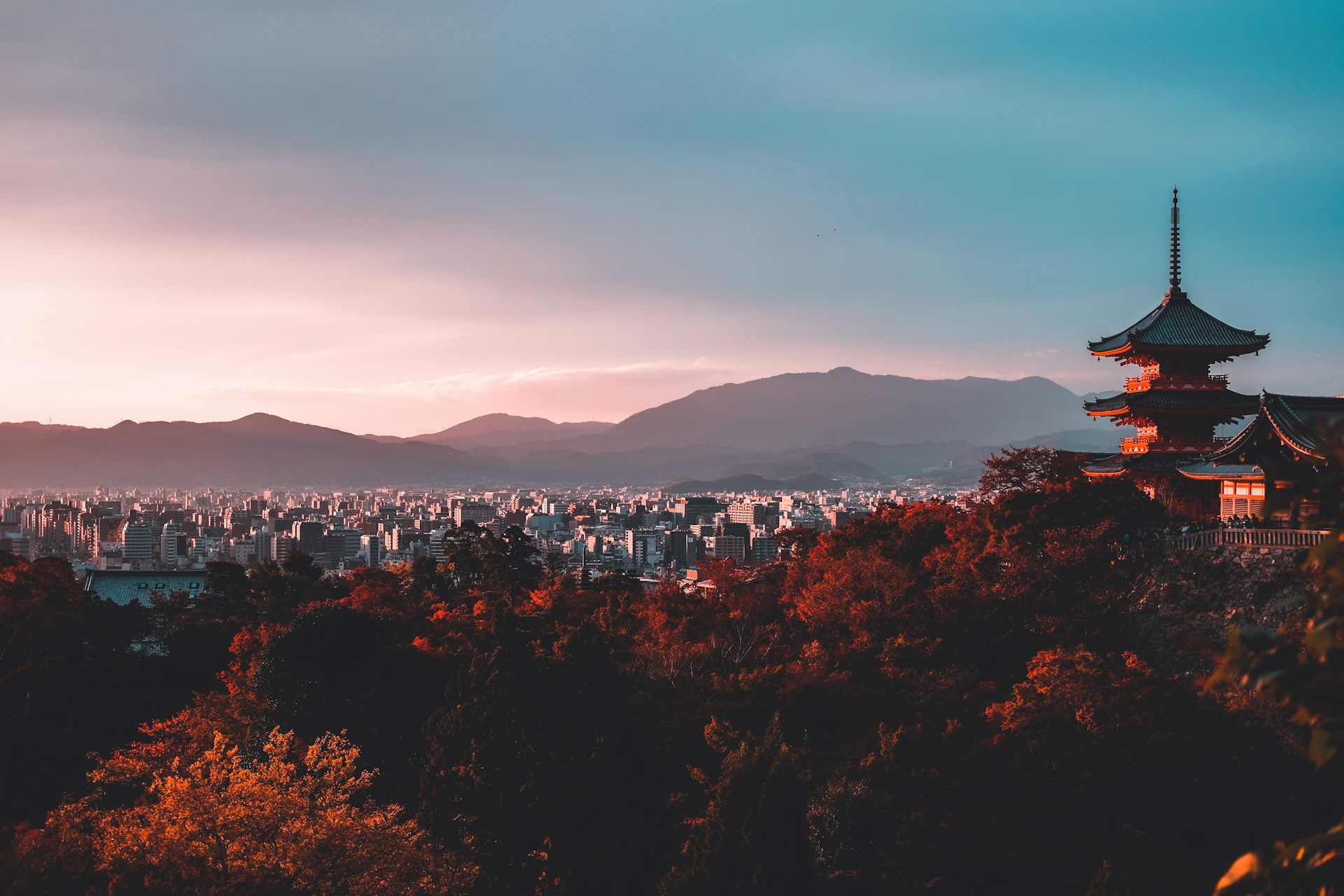
Sapporo was built on a grid, and that single fact changes everything about moving through it. Unlike the tangled lanes of older Japanese cities, the capital of Hokkaido was laid out in neat north-south and east-west blocks, with addresses that literally tell you how far you are from the central crossing of Odori and the train station. Once you understand that a place called North 3 West 4 sits three blocks north and four blocks west of the center, the whole city snaps into focus.
The good news for visitors is that Sapporo is compact at its core and genuinely walkable in winter and summer alike, thanks to a network of underground passages that let you cross much of downtown without ever stepping into the snow. Beyond the center, a clean three-line subway, a nostalgic streetcar loop and an extensive bus network fill in the gaps. You rarely need a taxi, and you almost never need a car.
Expect order, punctuality and signage in English on all the major systems. The rhythm here is calmer than Tokyo or Osaka, and the distances are smaller, which means a traveler who masters two or three modes can reach virtually everything worth seeing.
Getting Around Sapporo by Subway
The subway is the backbone of the city for visitors. There are three lines: the Namboku Line (green, running north to south), the Tozai Line (orange, running east to west) and the Toho Line (blue, running on a curve through the eastern side). All three intersect at or near the downtown core, and the key interchange stations are Odori, where all three lines meet, and Sapporo Station, the northern transport hub.
Trains run frequently, roughly every three to seven minutes during the day, and operate from around 6am until just past midnight. Fares are distance-based, starting at around 210 yen (roughly $1 to $2) and rising to about 380 yen for longer trips, so most rides across the central area cost the equivalent of one to three dollars. You can buy single-ride paper tickets from machines, but it is far easier to use a stored-value IC card. The local card is called SAPICA, and it works on the subway, trams and city buses, but you can also use Suica, ICOCA, PASMO and other national IC cards on the subway and buses.
The Namboku Line is the one most travelers ride, connecting Sapporo Station, Odori, the Susukino nightlife district and Nakajima Park. The Tozai Line is useful for reaching Maruyama (with its zoo and shrine) and the western suburbs, while the Toho Line serves the Sapporo Dome on event days. Trains are warm in winter, clean year round and seldom uncomfortably crowded outside the morning and evening peaks.
Getting Around Sapporo by Streetcar
The Sapporo Streetcar, or shiden, is a single loop line that circles the southwestern part of downtown, passing through Susukino and climbing toward the base of Mount Moiwa. It is slower than the subway but charming, and for the trip to the Mount Moiwa Ropeway it is the obvious choice. The flat fare is around 200 yen (roughly $1 to $2) regardless of distance.
You board through the rear door and pay at the front when you exit, either with cash or by tapping a SAPICA or other IC card. In winter the streetcar trundles past snow-banked sidewalks and glowing shopfronts, and it is one of the more atmospheric ways to see the city at a relaxed pace. It runs frequently throughout the day until late evening, though it is more of a scenic and neighborhood line than a fast cross-town option.
Getting Around Sapporo by Bus
City buses reach the neighborhoods and attractions the rail network does not, including the Sapporo Beer Museum area, the Shiroi Koibito Park, some ski resort shuttles in winter and the routes up toward Mount Moiwa and surrounding hills. Operators include Chuo Bus, JR Hokkaido Bus and Jotetsu, and the network is dense but can be intimidating because not every route is fully signed in English.
Fares are distance-based and usually run from around 210 yen upward (roughly $1 to $3). On most buses you take a numbered ticket as you board through the rear, watch the fare display at the front, and pay the matching amount when you get off, or simply tap your IC card on entry and exit. Google Maps handles Sapporo bus routing reliably, which removes most of the guesswork. Buses are the right tool for day trips to the surrounding hills and for the occasional museum that sits beyond a subway stop, but for pure downtown movement the subway is faster and simpler.
Getting Around Sapporo by Taxi
Taxis are plentiful, metered and honest, with none of the haggling found in some Asian cities. Flagfall starts at roughly 670 to 700 yen (around $5) for the first kilometer or so, then climbs by the meter. A short hop across downtown might cost 1,000 to 1,500 yen (roughly $7 to $11), while a longer cross-town ride can run 2,000 yen or more. Doors open and close automatically, so do not reach for the handle.
Taxis come into their own late at night after the subway closes, in heavy snow when walking is unpleasant, and when you are carrying luggage or traveling in a group where the per-person cost becomes reasonable. Most drivers do not speak much English, so it helps to have your destination written in Japanese or shown as a pin on a map. You can hail taxis on the street, find ranks outside Sapporo Station and Susukino, or call one through an app.
Getting Around Sapporo by Ride-Hailing
Sapporo does not have Grab or the Western Uber ride experience you might expect elsewhere in Asia. Instead, the GO taxi app is the standard way to summon a ride. It connects you to licensed metered taxis rather than private drivers, so pricing is the same regulated meter rate plus a small dispatch fee. The app lets you set a destination pin, which neatly sidesteps the language barrier, and you can pay by registered card. For travelers used to tapping a phone to get a car, GO is the closest equivalent here and well worth installing before you arrive. You can compare these and other transport options on GoAsia.cc when planning your routes.
Getting Around Sapporo on Foot
The center of Sapporo is a pleasure to walk. The grid makes orientation effortless, and the underground passageways are a genuine asset. The Chi-Ka-Ho underground walkway links Sapporo Station to Odori, and a further network extends toward Susukino, meaning you can cover much of the downtown spine in a heated, weatherproof corridor lined with shops and cafes. In a city where winter temperatures plunge well below freezing and snow piles high, this matters more than it sounds.
Above ground, the wide sidewalks and clear sightlines make it easy to stroll between Odori Park, the TV Tower, the Clock Tower and the shopping arcades. In summer the city is leafy and pleasant for walking; in deep winter, footing can be icy, so wear shoes with grip and stick to the gritted main routes. For most visits, walking combined with the subway covers ninety percent of what you will want to do.
Getting Around Sapporo by Bicycle
In the warmer months, cycling is a fine way to explore. Sapporo runs a bike-share scheme called Porocle, with docking ports scattered across the central districts. You register through an app or at a port, then pick up and drop off at any station. The flat grid and modest distances make pedaling easy, and the city is reasonably bike-friendly. Note that the scheme operates seasonally and shuts down once the snow arrives, so cycling is strictly a spring-through-autumn option. Expect costs of roughly a few hundred yen for short rentals.
Comparing Your Options
| Mode | Typical Cost | Duration | Best For |
|---|---|---|---|
| Subway | 210 to 380 yen | 5 to 20 min | Fast travel across the central districts |
| Streetcar | Around 200 yen flat | 10 to 25 min | Scenic loop and the Mount Moiwa ropeway |
| Bus | 210 yen and up | 15 to 40 min | Attractions beyond the rail network |
| Taxi | 670 yen flagfall, often 1,000 to 2,000 yen | 5 to 20 min | Late nights, snow and groups with luggage |
| Ride-hailing (GO app) | Metered taxi rate plus small fee | 5 to 20 min | Avoiding the language barrier when hailing |
| Walking | Free | Varies | The downtown core and underground passages |
| Bicycle (Porocle) | A few hundred yen | Varies | Exploring the flat grid in warmer months |
Practical Tips for Getting Around Sapporo
A little preparation makes the whole city effortless. The single best move is to load up an IC card before your first ride so you never fumble with cash and fare tables.
- Get a SAPICA card, or use a Suica or ICOCA you already have. One tap covers subway, tram and bus, and the cards also work at convenience stores and many vending machines.
- Download Google Maps for transit routing, which is reliable for subway, tram and bus connections, and the GO app for summoning taxis with a destination pin.
- If you plan several subway rides in a single day, look at a one-day subway pass, which can pay for itself with three or four trips. Discounted weekend day passes are sometimes available.
- Carry some cash. While IC cards are widely accepted, smaller buses and older machines still favor coins and small notes, and not every restaurant or shop takes cards.
- Rush hours run roughly 7:30am to 9am and 5pm to 7pm on weekdays. Trains get busy but are still manageable compared to Tokyo, so avoid these windows only if you dislike standing.
- The last subway trains leave around midnight. Plan late nights in Susukino around this, or budget for a taxi home.
- In winter, dress for the platforms and the walk, not the train. Heated stations and underground passages are warm, but the gaps between them are bitterly cold and the streets can be icy.
- Scams are essentially nonexistent on Sapporo public transport. Taxis are metered and trustworthy, so there is no need to negotiate fares.
The language barrier is mild. Subway and tram signage carries English, station announcements are bilingual, and staff are helpful even with limited shared language. For taxis and buses, having your destination written in Japanese or shown on a map removes any friction.
Popular Routes and Destinations
For the airport connection, the standard route into the city is the JR rapid train from New Chitose Airport to Sapporo Station, a clean and frequent service that is faster than driving in most conditions. Limousine buses also run to major hotels and are useful if you have heavy luggage.
To reach Susukino and the nightlife, take the Namboku Line subway one stop south of Odori, or simply walk through the underground passages from downtown. For Mount Moiwa and its night view, ride the streetcar to the ropeway base. For Maruyama Park, the zoo and Hokkaido Shrine, the Tozai Line drops you within easy walking distance. Most central attractions, including Odori Park, the Clock Tower and the TV Tower, are within a comfortable walk of one another.
Frequently Asked Questions
Use this guide to compare local transport in Sapporo. When bookable tickets are available, the booking tool shows current options and prices.
For most visitors, the subway combined with walking is the best way to get around Sapporo. The three subway lines cover the central districts quickly, and the downtown core is compact and connected by heated underground passages. For attractions outside the rail network, buses and the streetcar fill the gaps.
Subway fares are distance-based, starting at around 210 yen and rising to about 380 yen, so most rides cost the equivalent of one to three dollars. The streetcar is a flat fare of roughly 200 yen, buses start around 210 yen, and taxis begin at about 670 to 700 yen on the meter.
Yes, public transport in Sapporo is very safe and well ordered. Crime on the subway, trams and buses is rare, services run on time, and taxis use honest meters with no haggling. Solo travelers and women generally feel comfortable using transport at any time, though the last trains leave around midnight.
Sapporo does not have Grab or a Western-style Uber, but the GO taxi app is widely used and connects you to licensed metered taxis. You set a destination pin in the app, which gets around the language barrier, and you can pay by registered card at the standard regulated meter rate plus a small dispatch fee.
You do not strictly need one, but a SAPICA or other IC card such as Suica or ICOCA makes travel far smoother. A single tap covers the subway, streetcar and buses, and the cards also work at many shops and vending machines, so it is worth getting one on arrival.
Yes, the central area of Sapporo is highly walkable thanks to its simple grid layout and addresses that tell you exactly how far you are from the center. An extensive network of heated underground passages links Sapporo Station, Odori and Susukino, letting you cross downtown comfortably even in deep winter.
The JR rapid train from New Chitose Airport to Sapporo Station is the standard and fastest option, running frequently throughout the day. Limousine buses also connect the airport with major downtown hotels and are convenient if you are carrying heavy luggage.