Arashiyama Bamboo Grove: Kyoto's Enchanting Forest and Beyond
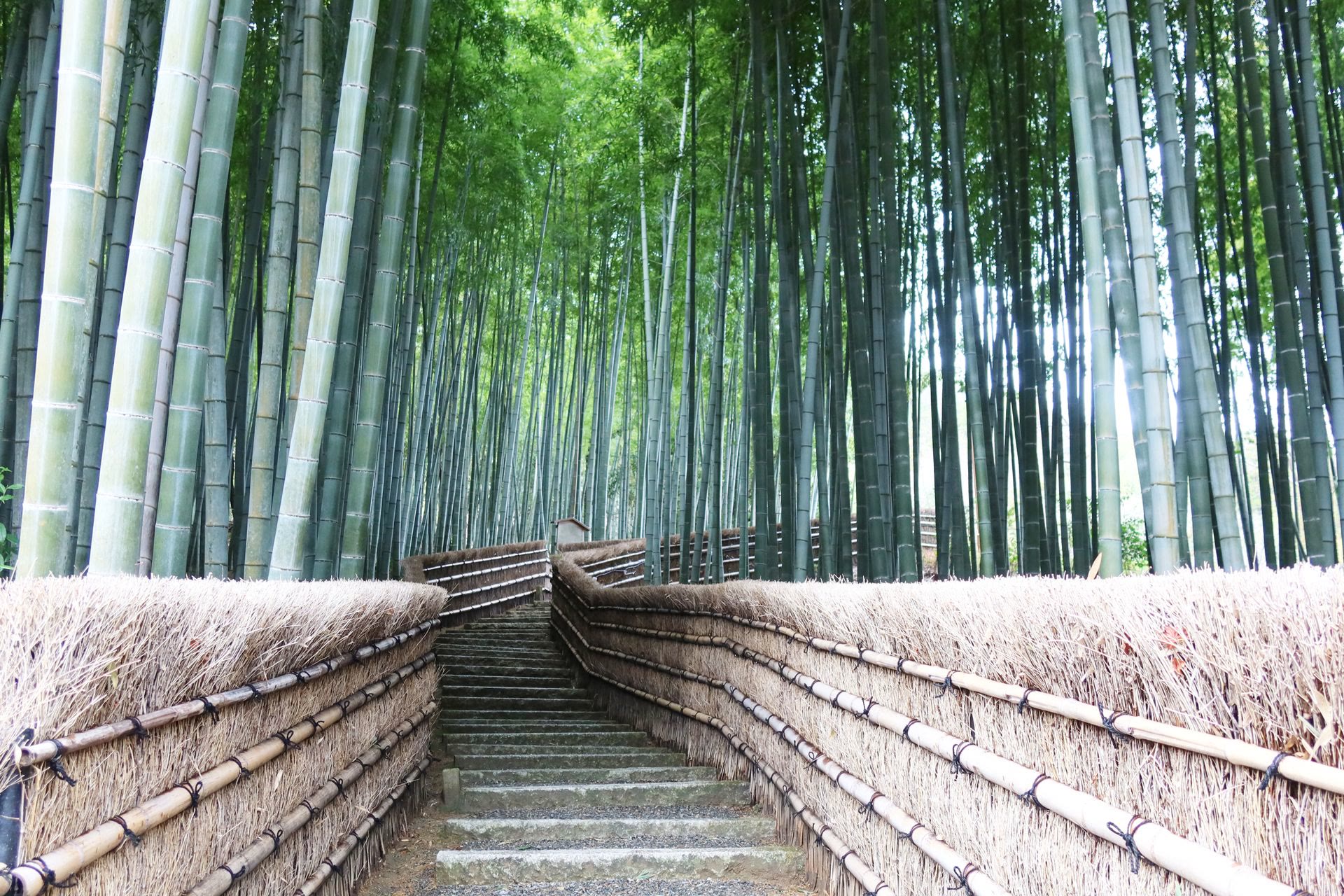
Walking through the Arashiyama Bamboo Grove feels like stepping into another world. Towering stalks of moso bamboo rise 20 meters overhead, their slender trunks swaying and creaking in the wind, filtering sunlight into shifting green patterns on the path below. The grove has been designated a Place of Scenic Beauty by the Japanese government, and its otherworldly atmosphere has made it one of the most photographed spots in all of Japan.
But Arashiyama is far more than a bamboo tunnel. The western Kyoto district is packed with temples, gardens, a riverside promenade, a mountaintop monkey park, and some of the city's best seasonal scenery. Most visitors spend only 20 minutes snapping photos in the grove before leaving - those who take a full day discover one of Kyoto's richest neighborhoods.
Getting to Arashiyama
Arashiyama sits in western Kyoto, about 30 minutes from the city center. Three train lines serve the area, each dropping you at a slightly different starting point.
| Line | Station | From | Duration | Cost |
|---|---|---|---|---|
| JR Sagano Line | Saga-Arashiyama | Kyoto Station | 15 min | 240 yen |
| Hankyu Kyoto Line | Hankyu Arashiyama | Kawaramachi/Karasuma | 20 min | 230 yen |
| Keifuku Randen Line | Arashiyama | Shijo-Omiya | 25 min | 250 yen |
The JR Sagano Line from Kyoto Station is the most common approach and is covered by the Japan Rail Pass. From Saga-Arashiyama Station, the bamboo grove is a 10-minute walk north. The Hankyu Line drops you near Togetsukyo Bridge at the southern end of the district - ideal if you want to start at the river and work your way north toward the grove.
Things to Do
The Bamboo Grove
What to Expect
The main bamboo path, called Chikurin no Komichi, stretches about 400 meters from near the north gate of Tenryuji Temple to the Okochi-Sanso Villa. The path is wide, flat, and fully paved - accessible to anyone including wheelchair users and strollers. Bamboo fences line both sides, channeling visitors along the route while protecting the delicate root systems.
The grove is free to enter and open 24 hours a day, every day of the year. There are no tickets, no gates, and no closing time. This means you can visit at dawn when the grove is nearly empty, or at night when the bamboo silhouettes against the dark sky create an eerie, beautiful atmosphere.
The Crowd Reality
The bamboo grove's popularity is both its blessing and its challenge. Between 10:00 AM and 3:00 PM on any day during peak season (cherry blossom time in late March to early April, and autumn leaves in late November), the 400-meter path can feel more like a busy train platform than a serene forest walk. Tour buses unload groups in waves, and the narrow path concentrates everyone into a single flow.
This is not a reason to skip the grove - but it is a reason to plan your timing carefully. The experience at 6:30 AM and 11:00 AM are so different they might as well be different places entirely.
Best Times to Visit the Grove
- Sunrise to 8:00 AM: The golden window. Few visitors, soft morning light, and the sound of bamboo creaking in the breeze without competing noise. Photographers should aim for this slot.
- 8:00-10:00 AM: Manageable. Enough visitors to add life to your photos without overcrowding. Tenryuji Temple opens at 8:30, so you can combine an early grove walk with a temple visit.
- After 4:00 PM: Tour buses have departed and the afternoon light through the bamboo canopy is warm and golden. An excellent alternative if you are not an early riser.
- December evenings: The annual Arashiyama Hanatouro illumination lights the grove and surrounding paths with thousands of lanterns. The event typically runs for about 10 days in mid-December.
Tenryuji Temple
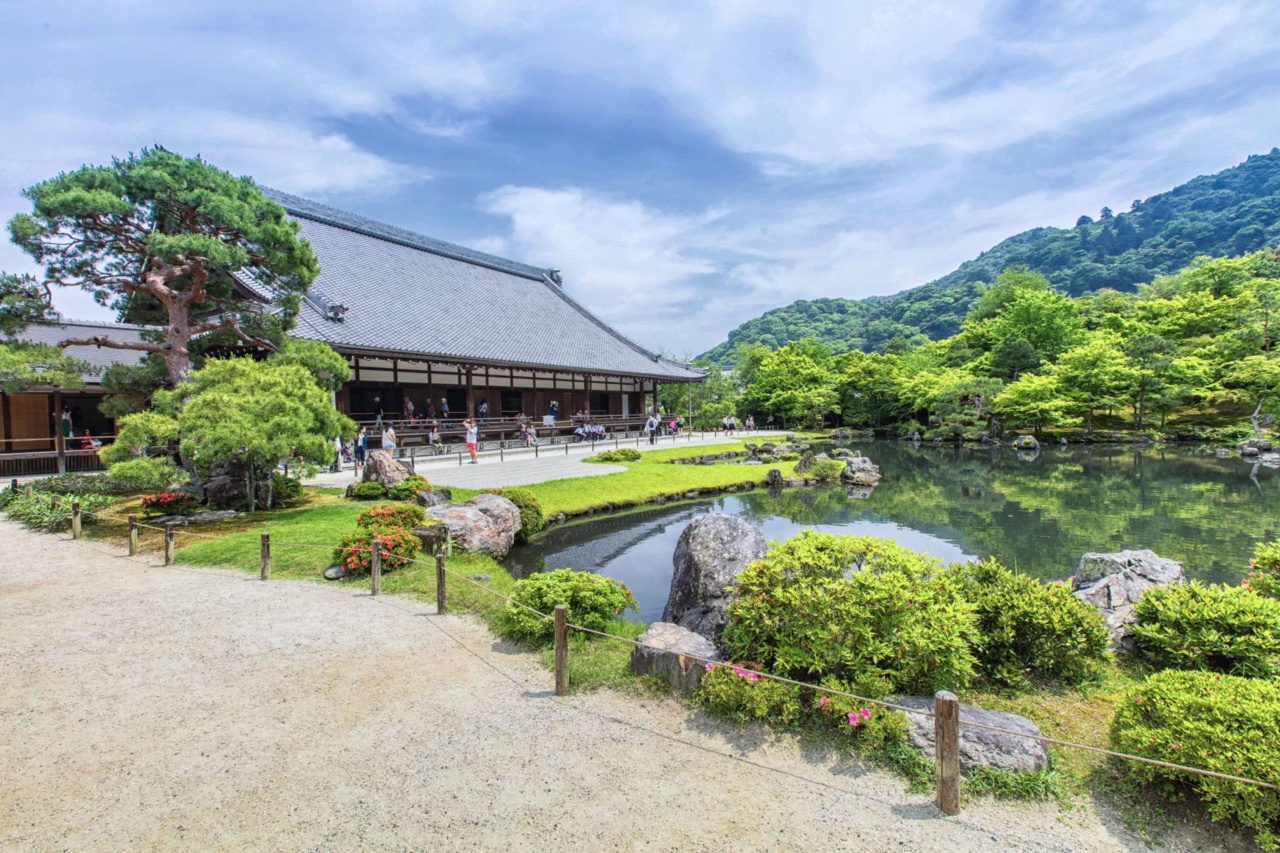
Directly adjacent to the bamboo grove, Tenryuji is the most important temple in Arashiyama and a UNESCO World Heritage Site. Founded in the 14th century, it is the head temple of the Tenryuji branch of Rinzai Zen Buddhism.
The main attraction is Sogenchi Garden, designed by the legendary Zen master Muso Soseki. The pond garden uses the Arashiyama mountains as borrowed scenery (shakkei), integrating the natural hillside into the composition so seamlessly that the garden appears to extend into the forest. On still mornings, the reflection of the mountains in the pond is flawless.
| Ticket | Price | Includes |
|---|---|---|
| Garden only | 500 yen | Sogenchi Garden and grounds |
| Garden + temple halls | 800 yen | Garden plus interior halls with paintings |
A key tip: Tenryuji has a back exit that leads directly into the bamboo grove. By entering the temple from its main gate on the south side and exiting through the north gate, you walk straight into the grove. This approach is quieter than the main entrance to the grove and puts you at the less-crowded end of the path.
More Things to Do in Arashiyama
Okochi-Sanso Villa
At the end of the bamboo grove path, this former estate of silent film actor Okochi Denjiro features beautifully manicured gardens spread across a hillside with sweeping views over Kyoto and, on clear days, all the way to Mount Hiei. The 1,000 yen admission includes matcha tea and a sweet served in the villa's tea house - a welcome rest after walking the grove. Despite its location at a prime spot, the villa is surprisingly uncrowded because the entrance fee deters casual visitors.
Iwatayama Monkey Park
A 12-minute hike up from the south bank of the Oi River brings you to a hilltop park inhabited by around 120 Japanese macaques. The concept is a reverse zoo - the monkeys roam freely across the open hillside while visitors can enter a wire-mesh enclosure to feed them peanuts and apple slices (100 yen per bag). The panoramic view over Kyoto from the summit is worth the climb even without the monkeys.
The park is open from 9:00 AM to 4:00 PM (4:30 PM in summer) and costs 550 yen for adults. The hike is short but steep - wear comfortable shoes.
Togetsukyo Bridge
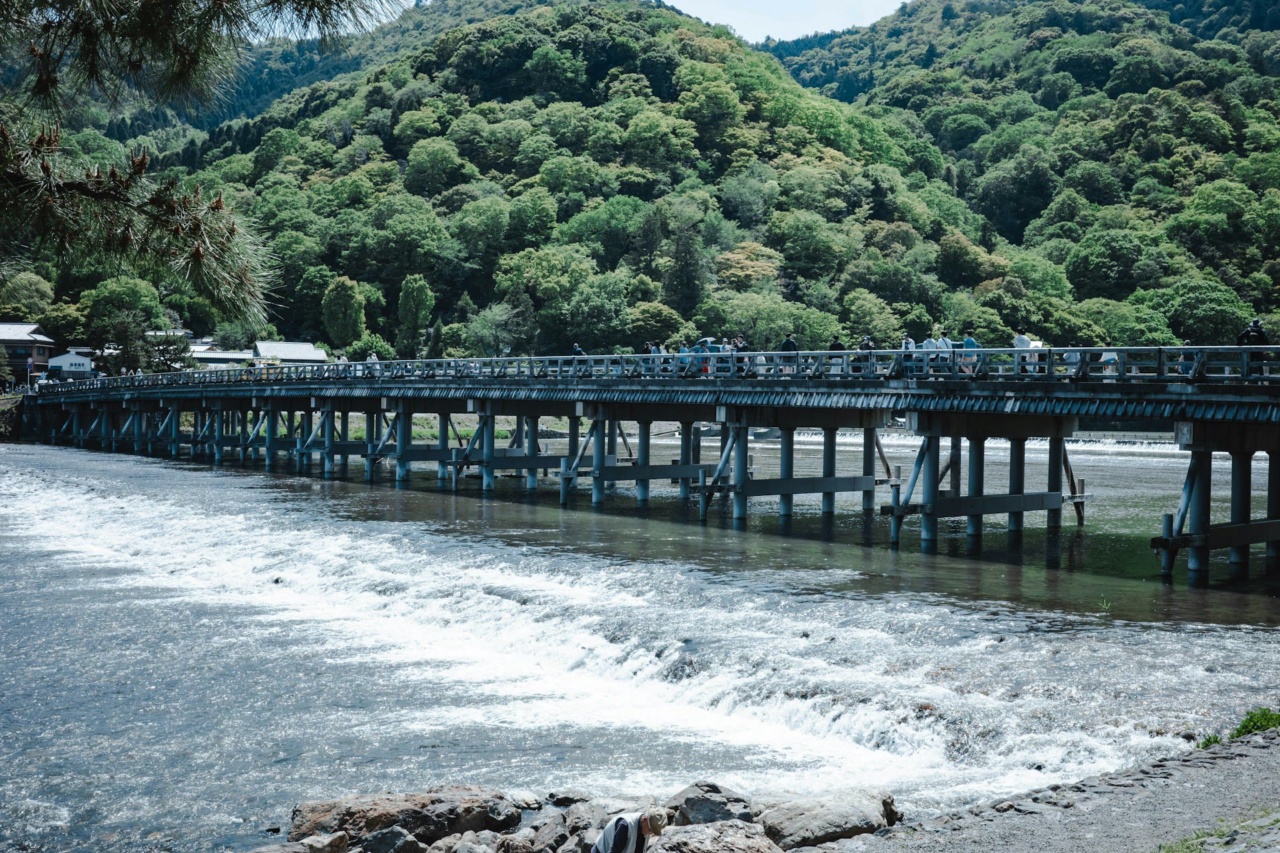
The wooden bridge spanning the Oi River at the heart of Arashiyama is one of Kyoto's most recognized landmarks. The name means "Moon Crossing Bridge," and the current structure (rebuilt in the 1930s) maintains the traditional wooden railings while using a concrete core for durability. The bridge is most photogenic with autumn colors reflected in the river or cherry blossoms framing the view in spring.
Sagano Scenic Railway
A 25-minute ride on a vintage open-air trolley train through the Hozugawa River gorge. The Sagano Romantic Train runs from Saga-Torokko Station (near JR Saga-Arashiyama) to Kameoka, passing through tunnels, over bridges, and alongside steep canyon walls. Tickets cost 880 yen and seats on the open-air car (car 5, called "The Rich") sell out first. Book in advance during peak seasons.
Boat Ride on the Hozugawa River
For a different perspective, take the two-hour Hozugawa River boat ride from Kameoka back to Arashiyama. Wooden boats with boatmen using poles and oars navigate gentle rapids through a forested gorge. The ride costs 4,100 yen for adults and combines perfectly with a one-way trip on the Sagano Railway.
Nonomiya Shrine
A small, atmospheric Shinto shrine tucked among the bamboo near the grove's entrance. Known for its unusual black torii gate (most torii are orange or red) and its association with The Tale of Genji, Japan's 11th-century literary masterpiece. The shrine is popular with visitors praying for success in love and marriage.
Planning Your Arashiyama Day
Suggested Route
- Arrive at JR Saga-Arashiyama Station by 8:00 AM
- Walk the bamboo grove while it is still quiet (20-30 minutes)
- Visit Okochi-Sanso Villa at the end of the grove (30-45 minutes)
- Walk back through or around the grove to Tenryuji Temple at 8:30 AM opening (45-60 minutes)
- Exit Tenryuji's south gate, cross to the Monkey Park (60-90 minutes including the hike)
- Lunch along the riverside or main street
- Afternoon: Sagano Railway and/or river boat, or explore secondary temples like Jojakko-ji and Gio-ji
Tips for Visiting Arashiyama
- Arrive before 8:00 AM: This cannot be stressed enough. The bamboo grove before the crowds arrive is a transcendent experience. After 10:00 AM, it becomes a shuffling queue.
- Enter the grove via Tenryuji: The temple's north exit places you directly in the grove at its quietest end. The 500 yen garden admission also gets you one of Kyoto's finest Zen gardens.
- Plan a full day: Arashiyama has enough to fill an entire day comfortably. Rushing through in an hour means missing most of what makes the district special.
- Rent a bicycle: E-bikes are available near the stations for around 1,000-1,500 yen per day. They are perfect for covering the spread-out district and reaching quieter temples to the north like Adashino Nenbutsu-ji.
- Eat early: Popular restaurants near Togetsukyo Bridge fill up fast at lunch. The yudofu (simmered tofu) restaurants in the area are a Kyoto specialty worth seeking out.
- Visit in winter: The bamboo grove on a quiet winter morning - especially with a dusting of snow - is magical and nearly deserted. December through February is the quietest season.
- Seasonal highlights: Cherry blossoms peak in late March to early April along the riverbank. Autumn leaves are at their best in late November, especially at Jojakko-ji Temple. Both periods are beautiful but extremely crowded.
For more Kyoto and Japan travel guides, explore other destinations on GoAsia.cc.
Frequently Asked Questions
Yes, the bamboo grove is completely free and open 24 hours a day, every day of the year. There are no tickets, gates, or closing times. The adjacent Tenryuji Temple charges 500 yen for its garden, and Okochi-Sanso Villa at the end of the grove path costs 1,000 yen including matcha tea, but the grove itself costs nothing.
Walking through the 400-meter bamboo path takes about 15-20 minutes. However, a full day in the Arashiyama district is recommended to properly experience the bamboo grove, Tenryuji Temple, the Monkey Park, Togetsukyo Bridge, and other attractions. If you only have limited time, budget at least 2 hours for the grove, Tenryuji, and a walk along the river.
Arrive before 8:00 AM for the most peaceful experience - the grove is nearly empty at sunrise and morning light through the bamboo canopy is stunning. After 4:00 PM is another good window once tour buses have departed. Between 10:00 AM and 3:00 PM during peak seasons, the narrow path gets extremely crowded.
Take the JR Sagano Line from Kyoto Station to Saga-Arashiyama Station. The ride takes 15 minutes, costs 240 yen, and is covered by the Japan Rail Pass. From the station, walk 10 minutes north to reach the bamboo grove. The Hankyu Line from central Kyoto (Kawaramachi) is an alternative that drops you near Togetsukyo Bridge.
Yes, especially for families and anyone who enjoys wildlife encounters. About 120 Japanese macaques roam freely on an open hilltop, and you can feed them from inside a mesh enclosure. The 12-minute hike up rewards you with panoramic views over Kyoto. Entry costs 550 yen. The park opens at 9:00 AM and fits well into a morning Arashiyama itinerary after the bamboo grove.
Each season has appeal. Cherry blossom season (late March to early April) and autumn leaves (late November) are the most scenic but also the most crowded. Winter (December to February) is the quietest time and a snow-dusted bamboo grove is extraordinary. Summer is lush and green but hot and humid. For the best balance of scenery and manageable crowds, try early April or early November.
The 25-minute scenic railway through the Hozugawa River gorge is a highlight, especially during cherry blossom and autumn seasons. Tickets cost 880 yen. The open-air car (car 5) offers the best experience but sells out first. Book in advance during peak periods. For a complete experience, combine a one-way train ride with the two-hour river boat ride back to Arashiyama.