
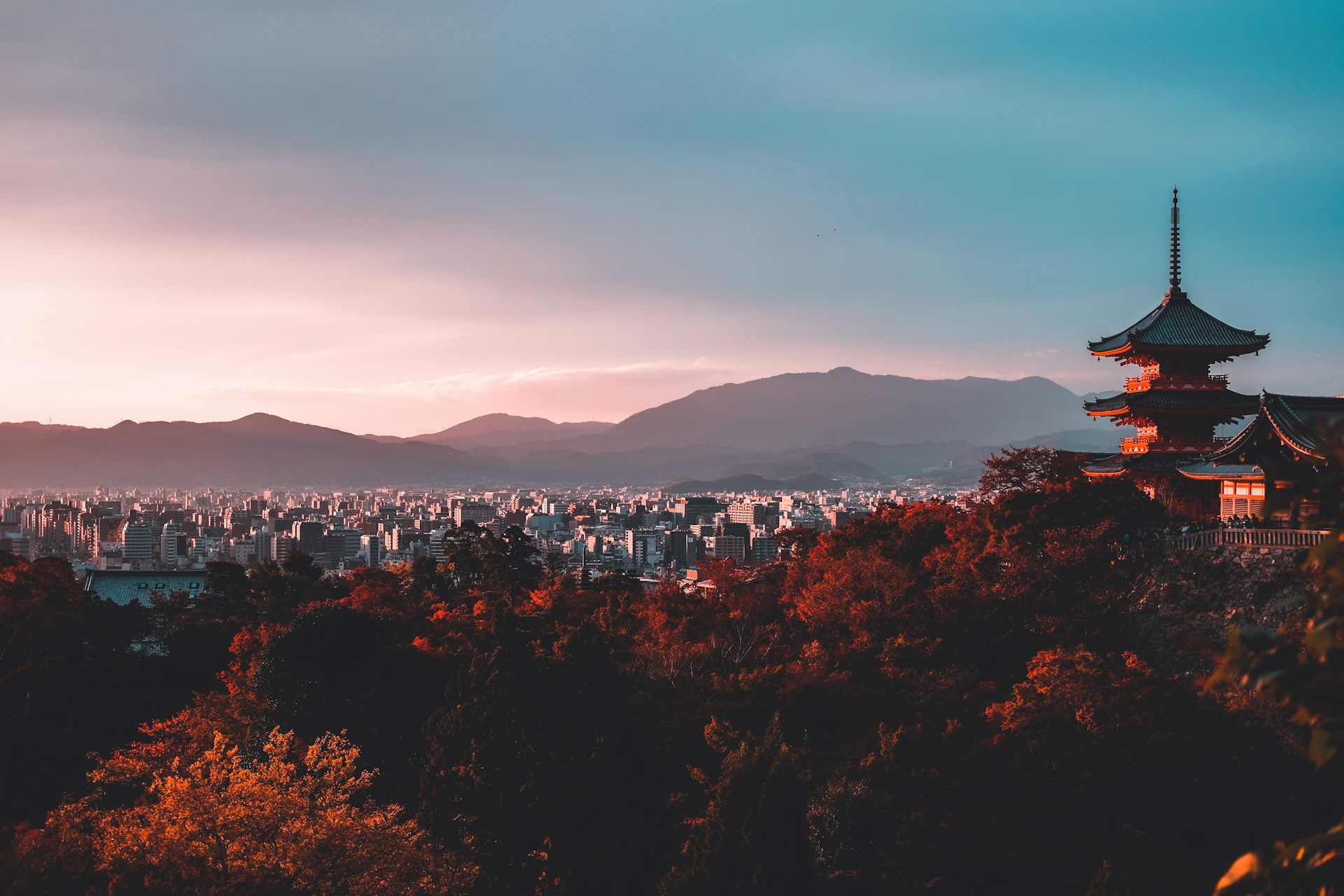
Yokohama wears its history on its sleeve, and you feel it the moment you start moving through the city. This was Japan's first port to open to the world, and that legacy lingers in the wide harbourfront promenades, the gridded streets of the former foreign settlement, and the way the bay seems to pull everything toward the water. Unlike the dense maze of central Tokyo, Yokohama breathes a little easier. The waterfront districts of Minato Mirai, the Bund-like elegance of the Yamashita Park area, and the bustle of Chinatown are all close enough together that walking forms the backbone of any visit.
That said, this is a sprawling city of nearly four million people, and the leafy residential hills behind the harbour stretch for miles. The train and subway network does the heavy lifting for longer journeys, while a charming little harbour ferry and a clutch of sightseeing buses fill in the gaps along the waterfront. Trains run with the legendary punctuality you expect in Japan, signage appears in English at every major station, and contactless IC cards make paying for nearly everything effortless.
The good news for a first-time visitor is that you rarely need to puzzle over routes. Tap in, tap out, and let the rhythm of the city carry you from the rail hub of Yokohama Station to the seafront wheel at Minato Mirai. You can weigh up your options and compare journeys on GoAsia.cc before you set out, but in practice most days here blend a short train ride with a long, pleasant walk by the sea.
Getting Around Yokohama on Foot
Walking is genuinely one of the best ways to experience central Yokohama, and the most scenic neighbourhoods are designed for it. The stretch from Minato Mirai through the historic Red Brick Warehouse, along Yamashita Park, and into Chinatown is almost entirely flat, lined with wide pedestrian boulevards and waterfront walkways. You can comfortably cover this whole corridor on foot in under an hour, pausing for harbour views and street food along the way.
Elevated moving walkways and pedestrian decks connect the major Minato Mirai attractions, so you can stroll from the Sakuragicho Station area straight into the Landmark Tower complex without crossing a single road. Kannai and the old foreign quarter of Yamate reward wandering too, though Yamate sits on a bluff and involves some climbing. Streets are clean, safe at all hours, and crossings are orderly. Just remember that Yokohama is far larger than its tourist core, so walking only makes sense for hops between adjacent districts, not across the whole city.
Getting Around Yokohama by Train (JR and Private Lines)
Trains are the spine of Yokohama's transport system, and several operators overlap here. The JR Negishi and Keihin-Tohoku lines link the key central stations including Yokohama, Sakuragicho, Kannai and Ishikawacho, the last of which deposits you right at the edge of Chinatown. The JR Tokaido and Yokosuka lines connect Yokohama Station with Tokyo, Kamakura and beyond. Private operators such as Tokyu, Keikyu and Sotetsu radiate out to the suburbs and toward Tokyo, while the Minatomirai Line runs through the heart of the waterfront from Yokohama Station to Motomachi-Chukagai.
The Minatomirai Line is the one most visitors use constantly, with stops at Shin-Takashima, Minatomirai, Bashamichi, Nihon-Odori and Motomachi-Chukagai serving practically every harbour attraction. Trains arrive every few minutes during the day. Fares within central Yokohama typically run around 200 to 300 yen per hop, and you simply tap your IC card at the gates. Trains are clean, air-conditioned and reliable. Avoid the morning crush between roughly 7:30 and 9:00 and the evening peak from 17:30 to 19:00 if you can, when commuter lines toward Tokyo become genuinely packed.
Getting Around Yokohama by Subway (Municipal Subway)
The city-run Yokohama Municipal Subway has two lines. The Blue Line is the workhorse, running north to south through Yokohama Station, Sakuragicho and Kannai before heading deep into the southern suburbs toward Shonandai. The Green Line loops through the northeastern residential districts and is of less interest to most travellers.
The subway is most useful when you want to move between central hubs without changing to a JR line, or when reaching neighbourhoods the surface trains miss. Fares start at around 210 yen and rise with distance. As with the trains, IC cards work seamlessly at the gates. Stations are spotless, well signed in English, and stair-free routes with elevators are clearly marked. Service runs from roughly 5:00 in the morning until around midnight.
Getting Around Yokohama by Sea Bass Ferry
One of the most enjoyable ways to move along the waterfront is the Sea Bass, a small passenger ferry that shuttles between Yokohama Station East Exit, Minato Mirai, the Red Brick Warehouse and Yamashita Park. It is part transport, part sightseeing cruise, and on a clear day the views of the skyline and the bay are spectacular.
A single ride typically costs around 400 to 800 yen depending on the segment, paid in cash or by IC card at the dock. Boats run roughly every 15 to 20 minutes during daytime hours. It is slower and pricier than the train, but if your route follows the harbour anyway, the Sea Bass turns a simple transfer into a highlight. Families and anyone with tired legs will appreciate skipping the walk between Minato Mirai and Yamashita Park.
Getting Around Yokohama by Bus
Yokohama's bus network is extensive, run mainly by the municipal transport bureau, and it fills the gaps where trains do not reach, particularly in the hilly residential areas and along the waterfront. For visitors, the most useful service is the Akai Kutsu (Red Shoes) retro-style sightseeing loop bus, which connects Sakuragicho Station with Minato Mirai, the Red Brick Warehouse, Chinatown and Yamashita Park. A single Akai Kutsu ride costs around 220 yen.
Regular city buses charge a flat fare of roughly 220 yen within the central zone. You usually board at the front, tap your IC card or drop coins in the box, and exit through the same or rear door. Announcements are made in Japanese, sometimes with English, and screens display the next stop. Buses are comfortable but can be slow in traffic, especially around Chinatown and the harbour on weekends. They are best treated as a convenient supplement rather than your primary way of getting around.
Getting Around Yokohama by Taxi
Taxis are plentiful, immaculate and metered, with white-gloved drivers and doors that open automatically. They are not cheap. The flag fall starts at around 500 yen for the first kilometre or so, with the meter ticking up steadily thereafter. A short hop across the city centre might run 1,000 to 1,500 yen, while a longer cross-town trip can climb well past 3,000 yen.
Taxis make sense late at night after trains stop, when you have heavy luggage, or when you are travelling in a group and can split the fare. You can hail one on the street, find ranks outside major stations like Yokohama and Sakuragicho, or book through an app. Most accept IC cards and credit cards, and a growing number take cashless payments, but it is wise to carry some cash as a backup. Drivers rarely speak much English, so having your destination written in Japanese or shown on a map helps enormously.
Getting Around Yokohama by Ride-Hailing
Japan does not have the cheap, ubiquitous ride-hailing of much of Asia. Uber operates in the Yokohama and Tokyo area, but it largely dispatches licensed taxis rather than private drivers, so prices mirror metered taxi fares. The local app GO is more widely used and lets you summon a taxi, track its arrival and pay through the app. Both are handy when you cannot find a taxi rank or want to avoid a language barrier, but do not expect them to be cheaper than simply flagging a cab.
Getting Around Yokohama by Bicycle
Yokohama's flat waterfront makes cycling a pleasant option, and the city has a docked bike-share scheme with stations dotted around Minato Mirai, Kannai and the harbour. You register through an app, unlock a bike at one port and return it at another, with charges typically around 165 yen for the first 30 minutes. The seafront cycle paths are a lovely way to cover ground between attractions. Just be mindful that the residential hills behind the harbour are steep, and that you should walk your bike through crowded pedestrian zones.
Comparing Your Options
| Mode | Typical Cost | Duration | Best For |
|---|---|---|---|
| Walking | Free | Varies | Exploring the harbour and Chinatown |
| Minatomirai Line / Train | Around 200-300 yen | 5-15 min | Quick hops between central districts |
| Municipal Subway | From around 210 yen | 5-20 min | Reaching neighbourhoods trains miss |
| Sea Bass Ferry | Around 400-800 yen | 10-20 min | Scenic waterfront transfers |
| Bus (Akai Kutsu / city) | Around 220 yen | 10-30 min | Sightseeing loops and hilly areas |
| Taxi | From around 500 yen | 5-20 min | Late nights and heavy luggage |
| Bicycle (bike-share) | Around 165 yen per 30 min | Varies | Flat waterfront sightseeing |
Practical Tips for Getting Around Yokohama
The single most useful thing you can do is get an IC card. Suica and PASMO are interchangeable rechargeable cards that work on every train, subway, bus, the Sea Bass, and in convenience stores and vending machines across the city. Tap in and out and you never need to figure out individual fares. You can buy and top them up at station machines, and Apple and Android phones can also load a digital Suica.
- Download a route app such as Google Maps, Navitime or Japan Travel by Navitime. They show platform numbers, the right exits and live departure times, which saves real confusion in larger stations.
- Yokohama Station is genuinely vast and confusing, with multiple operators and exits. Always note which exit you need before you arrive, and follow the colour-coded line signs.
- Carry some cash. While cashless payment is spreading, smaller shops, some buses and a few taxis still prefer coins and notes. Convenience store ATMs accept foreign cards.
- Travel outside the 7:30 to 9:00 morning peak and the 17:30 to 19:00 evening rush if you value elbow room, especially on lines heading to and from Tokyo.
- Scams are essentially non-existent. Taxis are metered and honest, and lost property is routinely returned. The main risk is simply taking a more expensive route than necessary.
- For the language barrier, station staff are helpful, signage is bilingual, and a translation app handles most situations. Showing your destination in Japanese text helps taxi drivers.
If you plan to bounce between several harbour attractions in a day, look into a day pass that bundles the Minatomirai Line, the Akai Kutsu bus and the Sea Bass, which can work out cheaper than paying per ride. At night the city is very safe to move around, and trains run until roughly midnight, after which taxis and ride-hailing take over.
Popular Routes and Destinations
Most visitors base their days around the harbour, and the transport choice usually comes down to comfort versus scenery. To reach Minato Mirai and the Landmark Tower, take the Minatomirai Line to Minatomirai Station or the JR line to Sakuragicho, both short rides from Yokohama Station for around 200 to 300 yen by IC card.
For Chinatown, the largest in Japan, ride the Minatomirai Line to Motomachi-Chukagai or take the JR Negishi Line to Ishikawacho, both of which leave you steps from the gates. To link the western waterfront with Yamashita Park and the Red Brick Warehouse, the Sea Bass ferry or the Akai Kutsu loop bus turns the transfer into part of the sightseeing rather than a chore. When you are heading to or from Tokyo, the JR and private lines from Yokohama Station make the connection in roughly half an hour.
Frequently Asked Questions
Use this guide to compare local transport in Yokohama. When bookable tickets are available, the booking tool shows current options and prices.
A combination of walking and the train or Minatomirai Line is the best way to get around central Yokohama. The harbour attractions sit close together and are pleasant on foot, while trains handle longer trips quickly and reliably. Pick up a Suica or PASMO IC card to make every journey seamless.
Short train and subway hops within the city centre typically cost around 200 to 300 yen, while city buses charge a flat fare of roughly 220 yen. The Sea Bass ferry runs around 400 to 800 yen, and taxis start at about 500 yen with the meter rising from there. An IC card removes the need to calculate fares each time.
Yes, Yokohama's public transport is extremely safe and well maintained at all hours. Trains and buses are clean and punctual, stations are well staffed, and scams or pickpocketing are very rare. Travelling alone at night, including by train or taxi, is generally comfortable and trouble-free.
You do not strictly need one, but a Suica or PASMO IC card makes everything far easier. A single tappable card covers trains, the subway, buses, the Sea Bass ferry and even convenience store purchases. You can buy and top one up at any station machine, or load a digital version onto your phone.
Yes, both Uber and the local GO app operate in Yokohama, but they mostly dispatch licensed metered taxis rather than cheaper private cars. Prices match standard taxi fares, so the apps are useful for convenience and avoiding a language barrier rather than saving money.
The central waterfront is very walkable, with flat, wide promenades linking Minato Mirai, the Red Brick Warehouse, Yamashita Park and Chinatown in under an hour of strolling. The wider city is large and hilly in places, so combine walking in the harbour core with short train rides for everything else.
Frequent JR and private rail lines connect Yokohama Station with central Tokyo in roughly half an hour. Simply tap your IC card at the gates and choose the line that serves your Tokyo destination. Trains run from early morning until around midnight.