
Contents
A direct highway bus links Kanazawa and Nagoya several times a day. It is run jointly by Hokutetsu, West JR Bus, Meitetsu and JR Tokai Bus, and each daytime service takes about 3 hours 50 minutes from Kanazawa to Nagoya.[1]
Kanazawa to Nagoya by Bus
The Hokutetsu timetable lists 10 daytime departures from Kanazawa Station West Gate (Bus Terminal 4), the first at 06:30 and the last at 18:30. The 06:30 bus reaches the Meitetsu Bus Center in Nagoya at 10:20, and the 18:30 bus arrives at 22:20. The buses also stop at Matto Kaihin Park and Hokuriku Komatsu.[1]
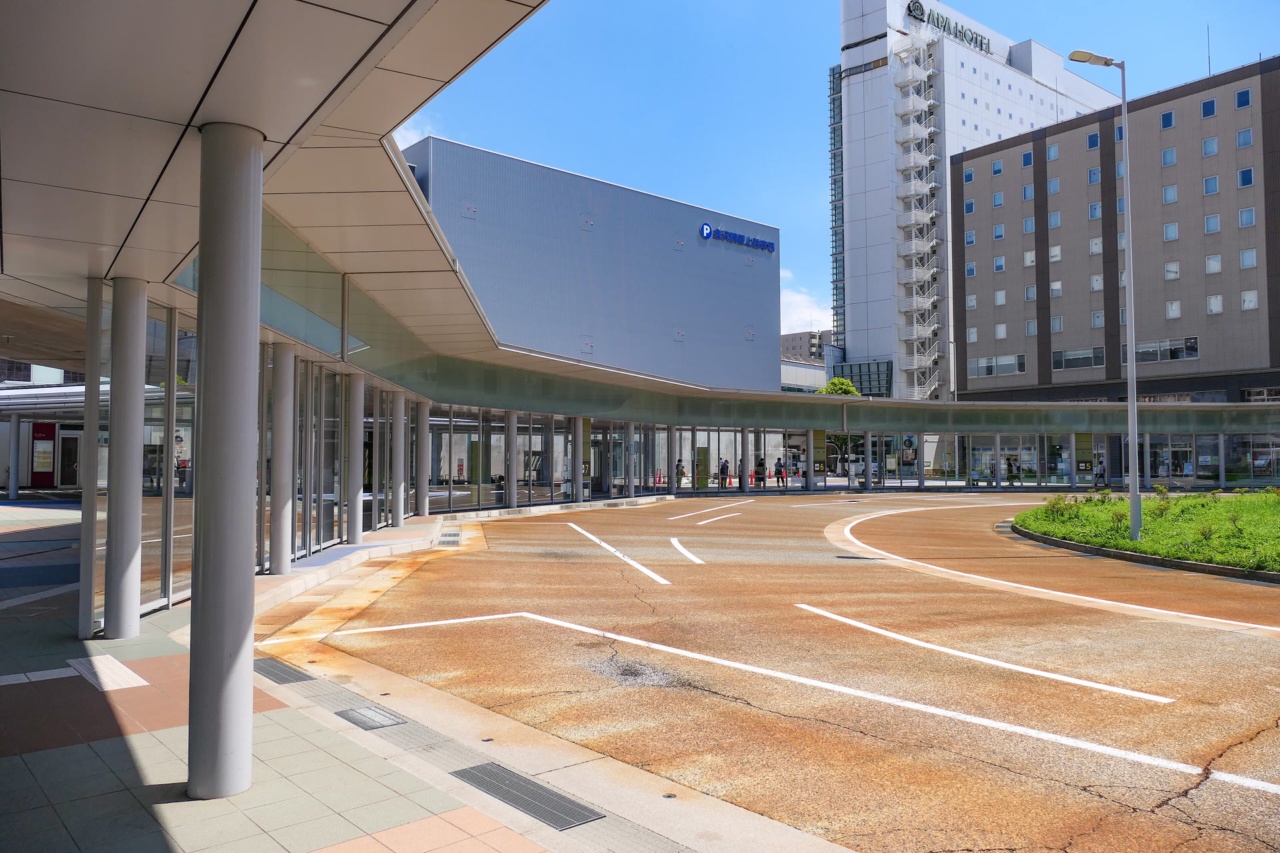
In the other direction, 10 buses leave the Meitetsu Bus Center (3rd floor, Bus Stop 6) between 07:30 and 19:30 and call at Nagoya Station (Shinkansen Exit, Bus Stop 1) 15 minutes later. They reach Kanazawa Station West Gate in about 4 hours, for example at 11:28 for the 07:30 bus.[1]
Fares vary by date, and you check fares and seat availability on highwaybus.com, which Hokutetsu links to from its timetable page.[1]
Kanazawa to Nagoya by Train
By rail, you take the Hokuriku Shinkansen from Kanazawa to Tsuruga and change there to the Shirasagi limited express, which runs between Tsuruga and Nagoya.[2] The transfer at Tsuruga Station uses a dedicated transfer gate between the Shinkansen and the limited express.[3]
Comparing Your Options
| Direction | First bus | Last bus | Scheduled duration |
|---|---|---|---|
| Kanazawa to Nagoya | 06:30 | 18:30 | About 3h 50min[1] |
| Nagoya to Kanazawa | 07:30 | 19:30 | About 4h[1] |
Tips for Traveling from Kanazawa to Nagoya
- Book in advance: Weekends and holidays such as Golden Week and Obon are busier, so reserve early.
- Find the right stop in Nagoya: Buses to Kanazawa leave from the Meitetsu Bus Center on the 3rd floor and from the Shinkansen exit of Nagoya Station.[1]
Timetable
| Bus Kanazawa - Nagoya $ 43.87 5h 50m | |
|
Frequently Asked Questions
Use the booking tool on this page to compare the transport options currently available from Kanazawa to Nagoya, including current prices and schedules.
Fares vary by date. Check the bus fare and seat availability on highwaybus.com and compare it with the current JR fare.
The direct highway bus takes about 3 hours 50 minutes. The train route changes at Tsuruga between the Hokuriku Shinkansen and the Shirasagi limited express, so look up its times in the JR timetable.
The scheduled bus time is about 3 hours 50 minutes from Kanazawa to Nagoya and about 4 hours in the other direction.
The Hokutetsu timetable lists 10 daytime departures in each direction, from 06:30 to 18:30 from Kanazawa and from 07:30 to 19:30 from Nagoya.
The bus arrives at the Meitetsu Bus Center in Nagoya.
Buses leave from Kanazawa Station West Gate, Bus Terminal 4.
Sources and background
Numbers in the text such as [1] refer to these sources.
- [1] Hokuriku Railroad (Hokutetsu): Highway Express: Nagoya timetable. Retrieved October 15, 2026.
- [2] West Japan Railway Company: Limited Express Trains: Train Status Information. Retrieved October 15, 2026.
- [3] West Japan Railway Company: Transfers at Tsuruga Station. Retrieved October 15, 2026.
Guide prices and journey times are indicative, not live quotes. A booked package may include transfers and waiting time as well as the main journey. Check the selected offer, pickup point and current conditions before booking.