
Contents
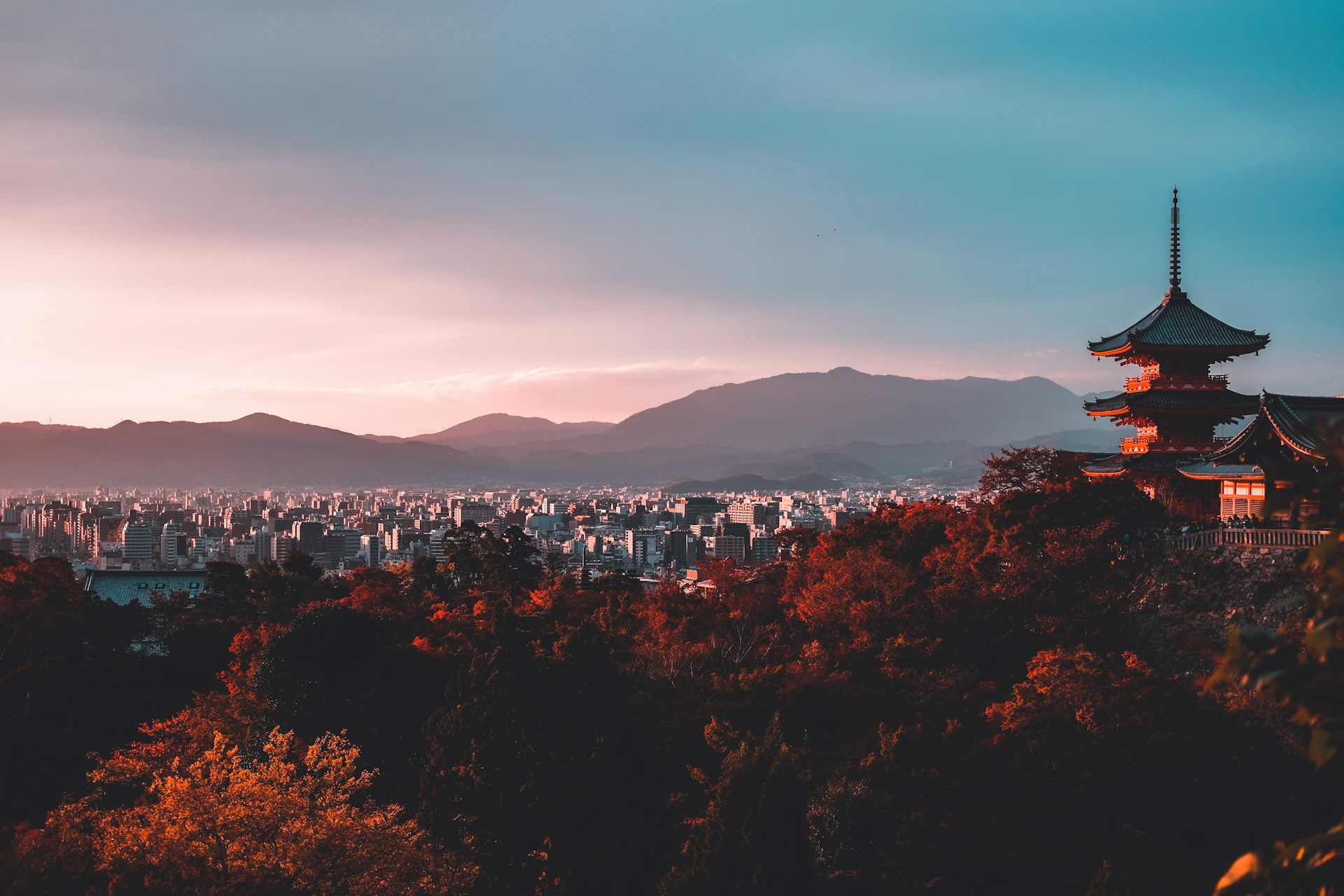
Leaving the quiet bamboo groves and ancient wooden temples of Kyoto for the industrial powerhouse of Nagoya is a transition between two distinct faces of Japan. While Kyoto preserves the soul of the Edo period, Nagoya represents the nation's technological future, home to the giants of the automotive world and a culinary scene that favors bold, miso-rich flavors over Kyoto's delicate kaiseki. This short hop across the Kansai and Chubu regions is one of the most efficient journeys you can make in the country.
Whether you are heading to Nagoya to visit the historic castle, explore the SC Maglev and Railway Park, or simply use it as a gateway to the Japanese Alps, the connection is seamless. You can book your tickets for this route on GoAsia.cc.
Kyoto to Nagoya by Train
The train is the clear choice on this route. Kyoto and Nagoya are both major stops on the Tokaido Shinkansen, which JR Central runs with three types of train: Nozomi, Hikari and Kodama. With smartEX online booking, a reserved seat in the ordinary car from Kyoto to Nagoya costs 5,710 yen one way in the regular season on Nozomi or Mizuho and 5,500 yen on Hikari or Kodama.[1] A non-reserved seat costs 5,170 yen.[2]
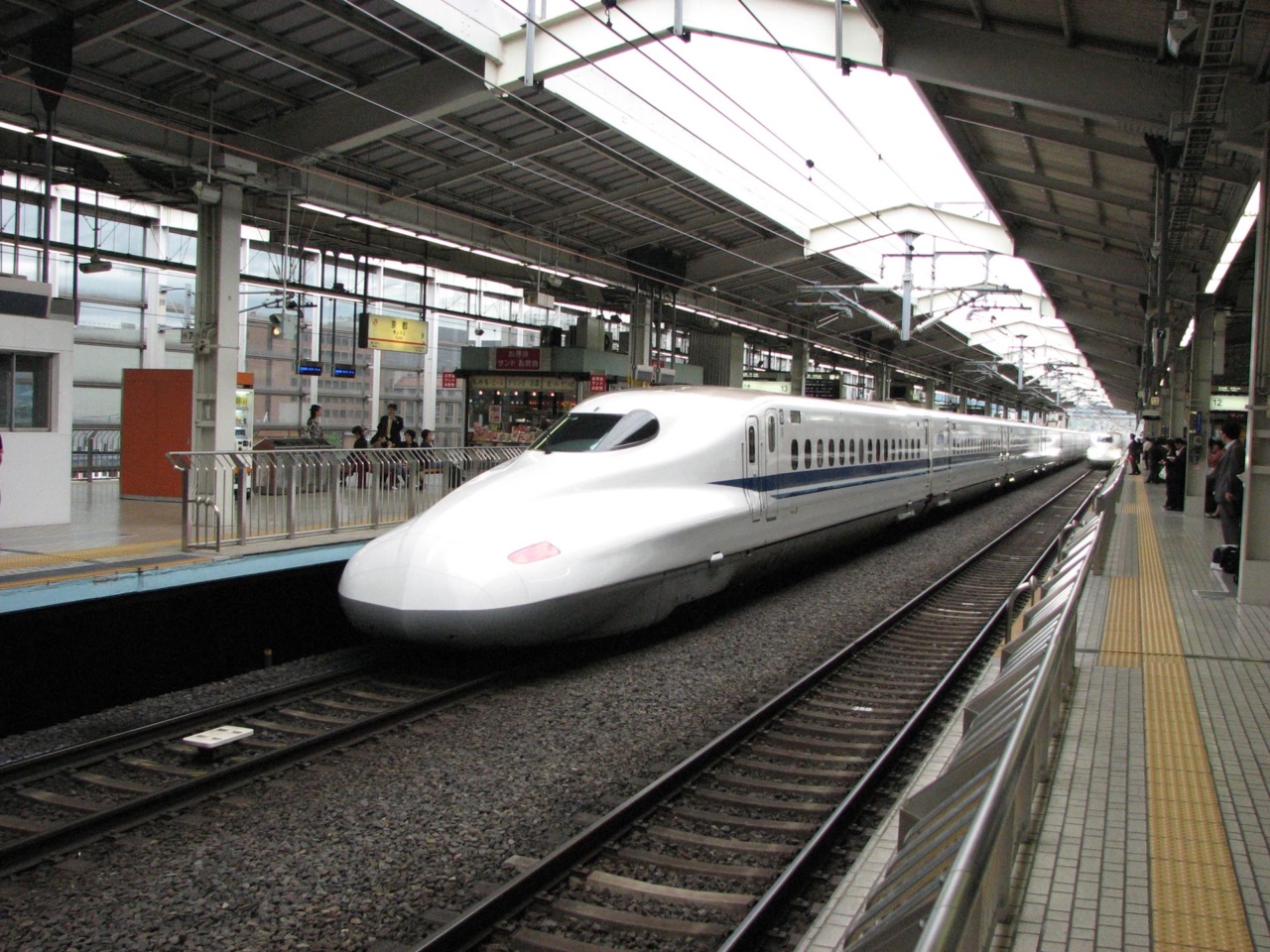
The Shinkansen Experience
JR Central Tours puts the ride at about 33 minutes on the Nozomi, 45 to 50 minutes on the Hikari and about one hour on the Kodama, and recommends the Nozomi.[3] Japan's national tourism organization also gives the trip from Kyoto to Nagoya as 35 minutes.[4] The Nozomi stops at fewer stations than Hikari and Kodama.[5] If you are using a Japan Rail Pass, you will likely find yourself on the Hikari or Kodama, because the Nozomi needs an additional special ticket.[6] Standard class seats are comfortable for such a short trip, though many travelers appreciate the quiet and extra space of the Green Car (first class).
Comparing Your Options
| Mode | Price | Duration | Comfort |
|---|---|---|---|
| Shinkansen Nozomi (reserved) | 5,710 yen[1] | About 33 min[3] | Excellent |
| Shinkansen Hikari or Kodama (reserved) | 5,500 yen[1] | About 45 min to 1h[3] | Excellent |
| Shinkansen (non-reserved) | 5,170 yen[2] | Depends on the train you board | Excellent |
Tips for Traveling from Kyoto to Nagoya
- Station Navigation: Both Kyoto Station and Nagoya Station are massive complexes. Give yourself extra time to find your platform, especially if you need to navigate the maze of shops and restaurants inside.
- Bento Boxes: One of the joys of Japanese rail travel is the ekiben (station bento). Kyoto Station has a fantastic selection of seasonal boxes. Since the ride to Nagoya is short, buy your meal before boarding.
- Luggage Considerations: Baggage with three sides totalling more than 160 cm (up to 250 cm) needs a reserved seat with an oversized baggage area, which costs nothing extra, and JR charges 1,000 yen if you bring such a bag without a reservation.[7]
Timetable
| Train Kyoto - Nagoya $ 29.05–37.49 33m – 2h 40m | |
|
Frequently Asked Questions
Use the booking tool on this page to compare the transport options currently available from Kyoto to Nagoya, including current prices and schedules.
The cheapest way on the Shinkansen is a non-reserved seat, which costs 5,170 yen one way in the regular season with smartEX online booking. A reserved seat on Hikari or Kodama costs 5,500 yen.
The fastest way is the Nozomi Shinkansen, which takes about 33 minutes between the two city centers according to JR Central Tours.
The duration depends on the train type: about 33 minutes on the Nozomi, 45 to 50 minutes on the Hikari and about one hour on the Kodama.
While trains run very frequently, it is a good idea to book in advance during holiday periods like Golden Week or New Year. For standard weekdays, you can usually buy a ticket at the station or through GoAsia.cc shortly before departure.
The Japan Rail Pass covers Hikari and Kodama trains. To ride the faster Nozomi you have to buy an additional special ticket before boarding.
Do not count on food service on board. It is better to buy an 'ekiben' (station lunch box) at Kyoto Station before you board.
Sources and background
Numbers in the text such as [1] refer to these sources.
- [1] smartEX (JR Central, JR West, JR Kyushu): smartEX Service Prices (Reserved Seat in Ordinary Cars). Retrieved October 15, 2026.
- [2] smartEX (JR Central, JR West, JR Kyushu): smartEX Service Prices (Non-Reserved Seat in Ordinary Cars). Retrieved October 15, 2026.
- [3] JR Central Tours: Kyoto to Nagoya by Shinkansen. Retrieved October 15, 2026.
- [4] Japan National Tourism Organization: Nagoya Station and around. Retrieved October 15, 2026.
- [5] Japan National Tourism Organization: Shinkansen (Bullet Train). Retrieved October 15, 2026.
- [6] JR Central: Special ticket for NOZOMI with JAPAN RAIL PASS. Retrieved October 15, 2026.
- [7] West Japan Railway Company: Oversized baggage on the Shinkansen. Retrieved October 15, 2026.
Guide prices and journey times are indicative, not live quotes. A booked package may include transfers and waiting time as well as the main journey. Check the selected offer, pickup point and current conditions before booking.