
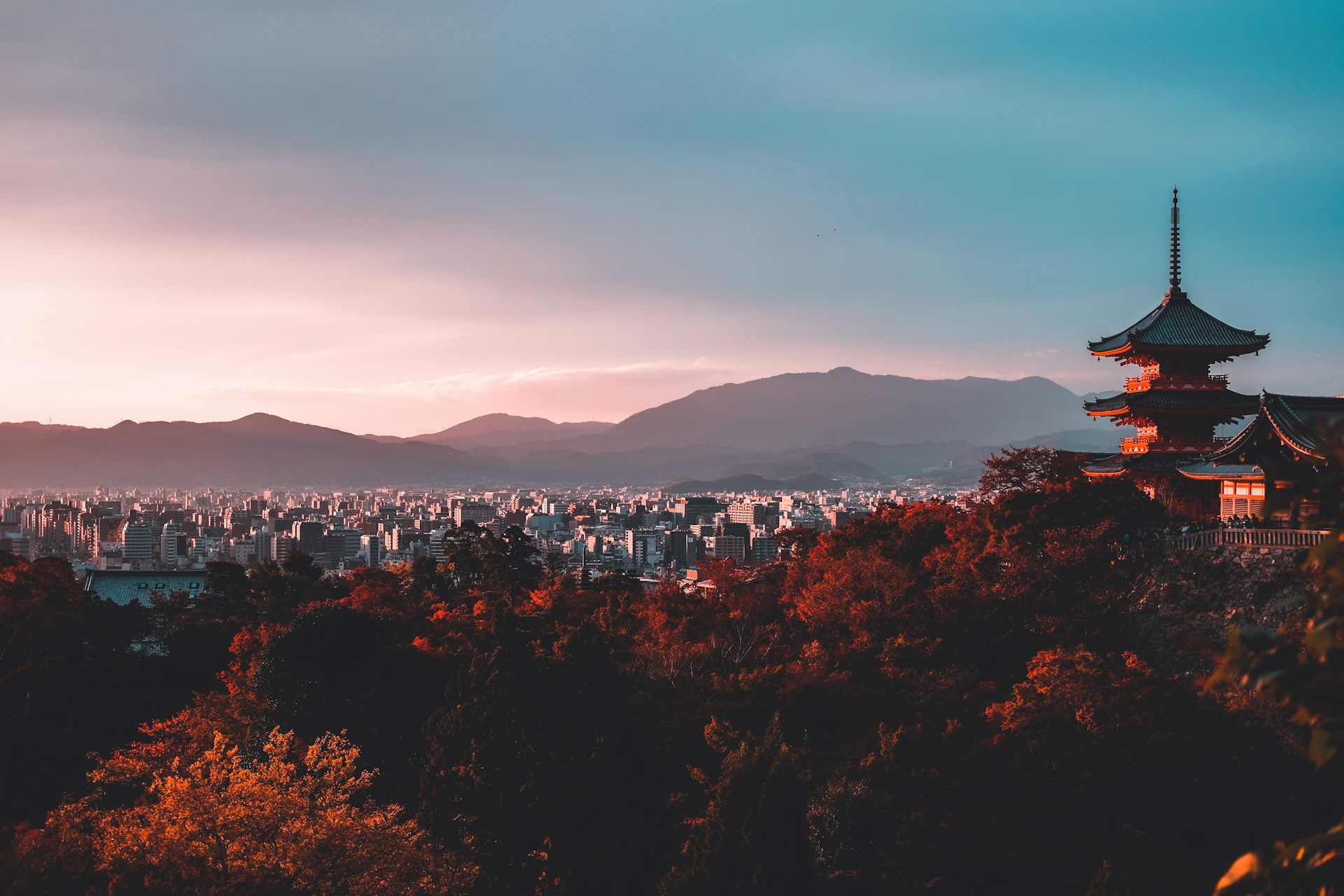
Kobe stretches like a thin ribbon between the Rokko mountains and the sea, which makes it one of the easier Japanese cities to read. Almost everything that matters runs east to west along the coast, so once you understand which line hugs the waterfront and which one climbs toward the hills, you rarely feel lost. The city is compact by Japanese standards, and many of its highlights sit within a short walk or a single train stop of one another.
Public transport here is clean, punctual and predictable, the trademark of any Japanese city, but Kobe adds its own rhythm. You will find sleek private railways racing toward Osaka, a tidy two-line subway, a tourist loop bus dressed in retro green, and even a couple of mountain railways and a cable car for reaching the panoramic spots above town. Cars exist, of course, but most visitors barely touch a taxi.
The big thing to grasp early is that Kobe is heavily connected to Osaka and the wider Kansai region, so the rail network you use within the city is the same one that whisks you out of it. Tap a card, hop on, and the city opens up quickly.
Getting Around Kobe on Foot
Central Kobe is genuinely walkable, and the most pleasant way to experience neighborhoods like Sannomiya, Motomachi and the Kitano district is simply on foot. The flat coastal grid makes orientation easy: the sea is always south, the mountains always north. Sannomiya to Motomachi is a five to ten minute stroll along covered shopping arcades, and the harbor area at Meriken Park is a short walk further south.
The one exception is Kitano, the historic foreign residential quarter, where the streets climb steeply uphill. The reward is worth the effort, with European-style mansions and great views, but wear comfortable shoes and allow extra time. Pavements throughout the city are wide, well maintained and safe to use at any hour.
Getting Around Kobe by JR and Private Railways
Three parallel railways run east to west through Kobe, and learning the difference between them is the single most useful thing you can do. They serve overlapping but distinct corridors.
JR Kobe Line
The JR line is the backbone, with the main hub at Sannomiya Station and another key stop at Kobe Station. It is fast, frequent and the line most travelers default to. JR connects Kobe to Osaka in roughly 20 to 25 minutes and to Himeji in under an hour for the famous castle. Trains run from early morning until around midnight. A short hop within the city typically costs around 150 to 200 yen.
Hankyu and Hanshin Lines
The Hankyu Kobe Line runs slightly inland along the foot of the hills, useful for reaching the Kitano area and points toward the mountains. The Hanshin Line runs closer to the coast and is handy for the waterfront and stadium areas. Both are private railways and both also connect to Osaka, often a little cheaper than JR. Their Sannomiya stations sit close together near the JR one, so transferring is straightforward.
Pay for all three with a rechargeable IC card (ICOCA, Suica or PASMO all work interchangeably). Simply tap in and tap out at the gates. You can buy single paper tickets from machines, but an IC card saves fumbling for change and works across every train, subway and bus in the region.
Getting Around Kobe by Subway
The Kobe Municipal Subway has two lines. The Seishin-Yamate Line is the main one travelers use, running north to south through Sannomiya and continuing toward the suburbs. The Kaigan Line (also called the Yume Kamome) hugs the harbor and is useful for reaching the Harborland and Kobe Port areas, including Chinatown's edges.
Subway fares start at around 210 yen and rise with distance. The system is clean, signage is bilingual in Japanese and English, and trains arrive every few minutes. IC cards work seamlessly at the gates. It is less essential for tourists than the JR and private lines, but it fills useful gaps, especially toward the port.
Getting Around Kobe by City Loop Bus
The City Loop is the most tourist-friendly way to see the central sights. These distinctive retro-green buses run a circular route linking Sannomiya, Kitano, Nankinmachi (Chinatown), Meriken Park, Harborland and back. A single ride costs around 260 yen, but the smart move is the one-day pass for roughly 700 yen, which also includes discounts at several attractions along the route.
Buses come every 15 to 20 minutes during the day. You board, take a numbered ticket if paying cash, and pay the driver when you exit, or simply tap your IC card. Announcements and stop displays are available in English. The Loop is slower than the train but far more scenic, and it stops right outside attractions that rail stations only get you near.
Regular city buses also crisscross Kobe, useful for reaching residential areas or the base of the mountain railways, but most visitors stick to the Loop and trains.
Getting Around Kobe by Portliner
The Portliner is an automated, driverless elevated train that runs from Sannomiya out to Port Island, where Kobe Airport sits. It is the standard way to reach the airport, taking around 18 minutes and costing roughly 340 yen. The ride is smooth and offers good views over the harbor, and trains are frequent. IC cards work here too. If you are flying out of Kobe Airport rather than Osaka's Itami or Kansai, the Portliner is your route.
Getting Around Kobe by Cable Car and Mountain Railways
To reach the heights of Rokko and Maya, Kobe relies on a charming network of cable cars (funiculars) and ropeways. The Rokko Cable Car climbs to the Rokko mountain area, known for its night views, gardens and hot springs trails. The Maya Cablecar and Ropeway carry you up to the Kikuseidai viewpoint, one of Japan's celebrated nighttime panoramas. Combination tickets are available, typically in the range of 800 to 1,500 yen depending on the route. These are seasonal in frequency, so check the last departure times carefully, as they stop running far earlier than city trains.
Just over the mountains lies Arima Onsen, one of Japan's oldest hot spring towns, reachable by a combination of cable car and bus or by a direct subway and Hokushin line connection. It feels worlds away despite being within Kobe's city limits.
Getting Around Kobe by Taxi
Taxis are plentiful around Sannomiya, the stations and major hotels. They are metered, honest and clean, with doors that open automatically. The flagfall starts at around 700 yen for the first short distance, and a typical cross-town ride within central Kobe might run 1,000 to 2,000 yen. Drivers rarely speak English, so have your destination written in Japanese or shown on a map.
Taxis are most useful late at night after trains stop, when carrying luggage, or for the steep climb up to Kitano if you would rather not walk. For groups of three or four, a taxi can be cheaper and faster than separate train tickets for short hops.
Getting Around Kobe by Ride-Hailing
Uber operates in Kobe but mostly connects you to regular licensed taxis rather than private drivers, so the price ends up similar to flagging one on the street. The more useful app is GO, Japan's leading taxi-hailing service, which lets you book a cab without speaking Japanese and pay through the app. It is handy at night or in quieter areas where empty taxis are scarce. You can compare these options and plan journeys on GoAsia.cc before you set out.
Getting Around Kobe by Bicycle
Kobe's flat coastal core is pleasant for cycling, and several bike-share schemes operate near Sannomiya and the harbor. Some hotels also rent bicycles to guests. Stick to the flat areas, as the climb toward Kitano and the mountains is brutal on a standard bike. Cycling is a relaxed way to explore Meriken Park, Harborland and the waterfront promenades on a fine day.
Comparing Your Options
| Mode | Typical Cost | Duration | Best For |
|---|---|---|---|
| Walking | Free | 5 to 15 min between central sights | Sannomiya, Motomachi and the harbor core |
| JR Kobe Line | Around 150 to 200 yen local | Minutes between stops | Fast east-west travel and trips to Osaka |
| Hankyu / Hanshin | Around 150 to 200 yen | Minutes between stops | Inland or coastal routes, cheaper Osaka trips |
| Subway | From around 210 yen | A few minutes per stop | Port area and north-south gaps |
| City Loop Bus | 260 yen single, around 700 yen day pass | 15 to 20 min frequency | Scenic tourist circuit of main sights |
| Portliner | Around 340 yen | About 18 min to airport | Reaching Kobe Airport and Port Island |
| Cable car / ropeway | Around 800 to 1,500 yen | 10 to 15 min ascent | Mountain views at Rokko and Maya |
| Taxi | From around 700 yen flagfall | Varies with traffic | Late nights, luggage, steep Kitano hill |
| Bicycle | Share schemes from a few hundred yen | Flexible | Flat waterfront exploring |
Practical Tips for Getting Around Kobe
A few habits will make moving around Kobe effortless. The most important is to get an IC card on arrival. ICOCA is the local Kansai card, but Suica and PASMO from Tokyo work identically. One card covers every train, subway, Portliner and bus, and most convenience stores and vending machines accept it too.
- Download Google Maps, which handles Kobe's public transport beautifully, showing exact platforms, fares and departure times. The official transit apps are useful but Google Maps is enough for most visitors.
- Carry some cash. Japan still leans on cash for smaller shops, temple entries and some buses if your card runs low. ATMs at 7-Eleven and post offices accept foreign cards.
- Rush hours run roughly 7:30 to 9:00 in the morning and 17:30 to 19:00 in the evening. Trains get crowded but stay orderly and run on time. Avoid hauling large luggage during these windows.
- Note the last trains. Most lines stop around midnight, and the mountain cable cars stop far earlier, often by 9pm or 10pm. Check return times before heading up for night views, or you will face an expensive taxi descent.
- Show written addresses. Taxi drivers and bus staff rarely speak English, so a destination written in Japanese or pulled up on a map screen avoids confusion.
Scams are essentially nonexistent in Kobe. Taxis are metered and honest, fares are fixed, and there is no haggling culture. The main tourist mistakes are simpler: confusing the three parallel railways, missing the last cable car down the mountain, and underestimating how steep Kitano is. At night the city is very safe, and women travelers move around alone without concern, though normal common sense applies in quiet areas late on.
Popular Routes and Destinations
For reaching Kobe Airport, take the Portliner from Sannomiya, a smooth automated ride of around 18 minutes for roughly 340 yen. If you are flying through Osaka's Kansai or Itami airports instead, you will use limousine buses or JR connections from Sannomiya, which take considerably longer.
To see the central sights in one go, the City Loop bus day pass for around 700 yen links Kitano, Chinatown, Meriken Park and Harborland in a single circuit. For the famous night view, take the Maya Cablecar and Ropeway up to Kikuseidai, but confirm the last descent time before you go. For day trips, JR gets you to Himeji Castle in under an hour and to central Osaka in around 20 to 25 minutes, all on the same IC card you use within Kobe.
Frequently Asked Questions
Use this guide to compare local transport in Kobe. When bookable tickets are available, the booking tool shows current options and prices.
For most travelers, a combination of walking and the rail network works best, since the central sights cluster around Sannomiya and the harbor. The JR Kobe Line handles fast east-west travel, while the retro green City Loop bus is the most convenient way to hop between tourist attractions. An IC card covers all of these on a single tap.
Short train and subway rides within the city typically cost around 150 to 250 yen, while the City Loop bus is 260 yen per ride or about 700 yen for a day pass. Taxis start at roughly 700 yen flagfall. Most visitors spend very little per day if they rely on trains and walking.
Yes, Kobe's public transport is extremely safe and reliable. Trains, subways and buses are clean, punctual and well signed in English, and crime on public transport is very rare. Even late at night the city feels secure, though normal common sense applies in quieter areas.
Uber operates in Kobe but mostly dispatches regular licensed taxis, so prices are similar to street taxis. The GO app is more widely used and lets you book a cab and pay without speaking Japanese, which is helpful late at night or in quieter areas.
An IC card such as ICOCA, Suica or PASMO is highly recommended, as it works across every train, subway, the Portliner and city buses with a single tap. It saves you buying paper tickets each time and also works at convenience stores and vending machines. You can buy and recharge one at any station.
The central area around Sannomiya, Motomachi and the harbor is very walkable, with flat streets and wide pavements. The main exception is the Kitano district, which climbs steeply uphill, so allow extra time or take a taxi if you prefer not to walk it.
Take the Portliner, an automated elevated train from Sannomiya Station out to the airport on Port Island. The ride takes around 18 minutes and costs roughly 340 yen, and your IC card works on it.