
Beijing
Beijing is a monumental collision of imperial grandeur and hyper-modern ambition where 800 year old hutong alleys sit in the shadow of glass skyscrapers. It is a city for history buffs, foodies seeking the world's best roast duck, and travelers who want to see the political and cultural heart of China.
Last updated: October 15, 2026
When to go
Climate and best time for BeijingBest months: March to June and August to October
- January: Mixed (cold). 3 °C by day, -8 °C at night, 4 mm of rain
- February: Good (cold). 6 °C by day, -5 °C at night, 3 mm of rain
- March: Great. 13 °C by day, 1 °C at night, 7 mm of rain
- April: Great. 21 °C by day, 8 °C at night, 12 mm of rain
- May: Great. 27 °C by day, 14 °C at night, 28 mm of rain
- June: Great. 31 °C by day, 19 °C at night, 71 mm of rain
- July: Good (a lot of rain). 32 °C by day, 22 °C at night, 163 mm of rain
- August: Great. 31 °C by day, 21 °C at night, 103 mm of rain
- September: Great. 27 °C by day, 15 °C at night, 44 mm of rain
- October: Great. 20 °C by day, 8 °C at night, 19 mm of rain
- November: Good (cold). 10 °C by day, -0 °C at night, 8 mm of rain
- December: Good (cold). 4 °C by day, -6 °C at night, 4 mm of rain
- Great
- Good
- Mixed
- Poor
Contents
- 1. Orientation and Neighborhoods
- 2. Best Time to Visit
- 3. Getting There and Getting Around
- 4. Top Sights and Experiences
- 4.1 Must-See Attractions
- 4.2 Lesser-Known Gems
- 4.3 Overrated Spots
- 5. Food and Drink
- 6. Where to Stay
- 7. Practical Tips
- 8. Day Trips
- 9. Sample 3-Day Itinerary
- 9.1 Day 1: The Imperial Core
- 9.2 Day 2: The Great Wall
- 9.3 Day 3: Temples and Art
- 10. Budget Overview
- 11. Frequently Asked Questions
Beijing is a city defined by its layers of history, serving as the seat of power for the Ming and Qing dynasties before transforming into the sprawling, high-tech megacity of today. Walking through the city feels like navigating a giant grid, a remnant of ancient urban planning that keeps the Forbidden City at its absolute center. It is a place where you can spend the morning walking the ramparts of the Great Wall and the evening drinking craft beer in a renovated courtyard house.
For the first-time visitor, the scale of Beijing can be intimidating. The city is organized around concentric ring roads, with the historical core located within the Second Ring Road. Life here moves at a frantic pace, yet you will still find retirees playing mahjong in public parks and street vendors flipping jianbing (savory crepes) on street corners. It is a city that demands patience, especially when navigating its massive subway system or clearing security checks at major landmarks.
Beijing is not just a museum of the past; it is the cultural and intellectual capital of China. While Shanghai represents the commercial future, Beijing holds the soul of the nation. From the avant-garde art galleries of 798 District to the smoky incense of the Lama Temple, the city offers a sensory overload that is both exhausting and deeply rewarding. Prepare for a lot of walking, a fair amount of smog, and some of the most impressive architecture on the planet.
Orientation and Neighborhoods
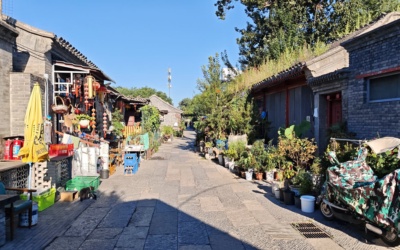
Beijing is massive, but its central layout is logical. The Forbidden City and Tiananmen Square mark the center. Everything radiates outward from here. The city is divided into several key districts that offer very different experiences for travelers.
- Dongcheng: The heart of the city and the best place for first-timers. It contains the Forbidden City, Wangfujing shopping street, and many of the most famous hutongs (traditional alleys). Staying here puts you within walking distance of major sights and excellent subway connections.
- Xicheng: Located to the west of the center, this district is home to the beautiful Houhai and Beihai lakes. It is quieter than Dongcheng and offers a mix of imperial parks and traditional residential areas. It is ideal for those who want a more local, scenic feel.
- Sanlitun (Chaoyang): The modern face of Beijing. This is where you will find international embassies, high-end shopping malls, and the city's most vibrant nightlife. It is the best area for expats, luxury travelers, and those looking for Western-style comforts and bars.
- Gulou and Beixinqiao: These areas are famous for their preserved hutongs. They have become the hipster hubs of Beijing, filled with tiny coffee shops, craft breweries, and live music venues. This is the best place to stay for a younger crowd or budget travelers seeking character.
- Haidian: The university district in the northwest. While far from the center, it is close to the Summer Palace and the Old Summer Palace. It is generally cheaper but requires long subway rides to reach other major attractions.
Things to Do
Offers are only loaded from GetYourGuide after you click. GetYourGuide can then process your IP address and set cookies. Privacy Policy
GetYourGuide partner offers. GoAsia may earn a commission if you book through these offers. Check whether tickets or transfers are included, and follow the attraction's official booking and admission rules.
Best Time to Visit
Beijing has a continental climate with four distinct seasons. The transition periods of spring and autumn are widely considered the best times to visit due to mild temperatures and clearer skies.
| Season | Months | Weather | Crowds/Prices |
|---|---|---|---|
| Spring | April - May | Mild, breezy, occasional dust storms | Moderate prices, manageable crowds |
| Summer | June - August | Hot, humid, frequent rain | High prices, peak domestic tourism |
| Autumn | September - October | Cool, dry, crisp blue skies | High prices, very busy in early October |
| Winter | November - March | Very cold, dry, rare snow | Low prices, fewest crowds |
Avoid visiting during the 'Golden Week' (the first week of October) and the Lunar New Year (dates vary in January or February). During these times, hundreds of millions of people travel within China, making trains impossible to book and tourist sites overwhelmingly crowded. Winter is bitterly cold, but it offers the chance to see the Great Wall covered in snow without the crowds.
Getting There and Getting Around
Beijing is served by two major airports: Beijing Capital International (PEK) and the newer Beijing Daxing International (PKX). From PEK, the Airport Express train takes about 20-30 minutes to reach the subway network (Sanyuanqiao or Dongzhimen stations) for roughly $4. From PKX, the high-speed Airport Express reaches Caoqiao station in 20 minutes for around $5. Taxis from either airport to the city center typically cost between $15 and $30 depending on traffic.
The Beijing Subway is the most efficient way to get around. It is clean, safe, and has English signage. Fares start at less than $1 and increase based on distance. You can pay using a physical Yikatong card or by scanning a QR code via Alipay or WeChat Pay. For transport schedules and inter-city connections, you can check GoAsia.cc for detailed logistics.
Ride-hailing is dominated by Didi, which is integrated into the Alipay app and has an English interface. Taxis are available but drivers rarely speak English, so always have your destination written in Chinese characters. Walking is great within specific neighborhoods, but the distances between major landmarks are often too great to cover on foot.
Top Sights and Experiences
Must-See Attractions
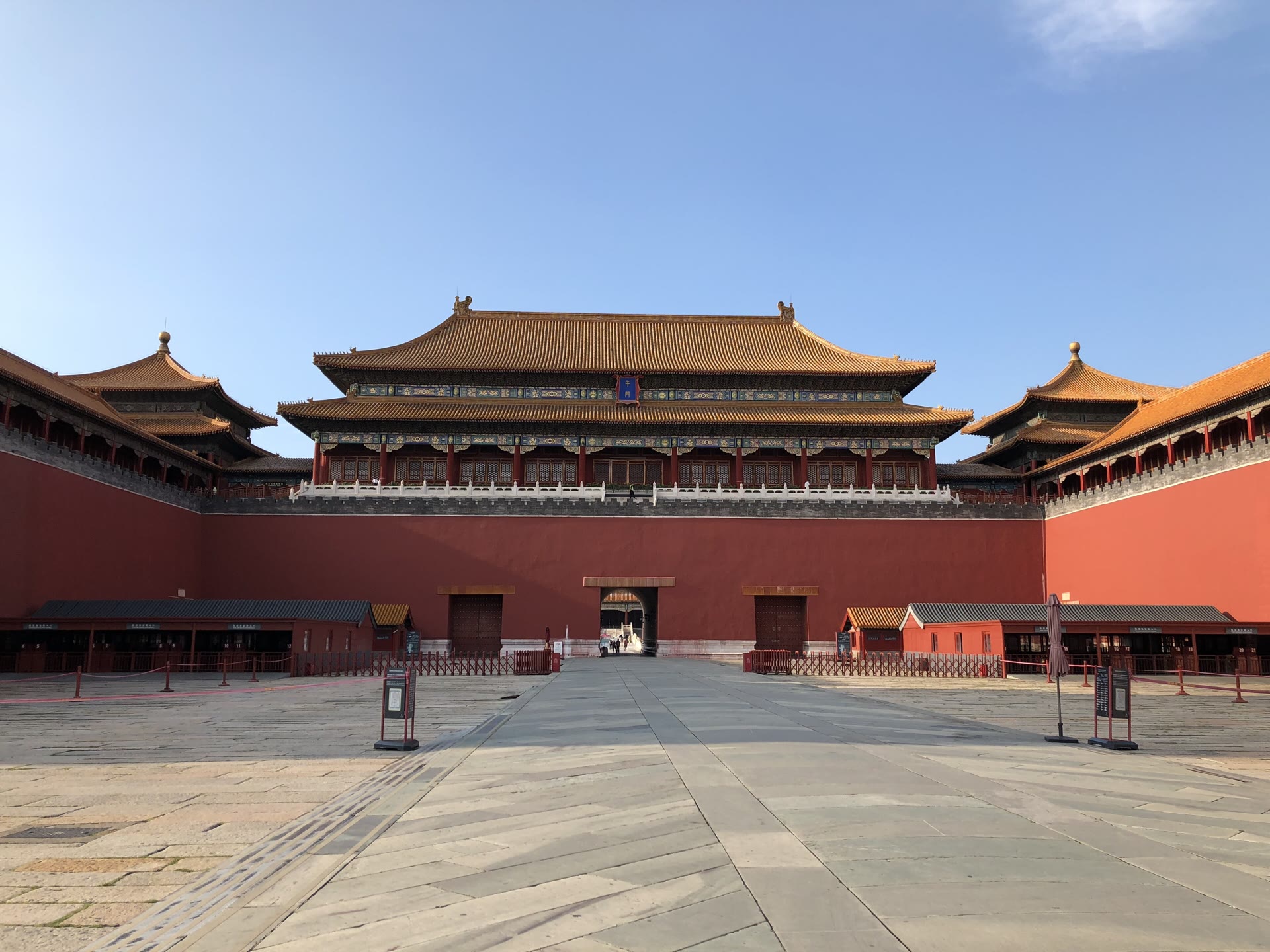
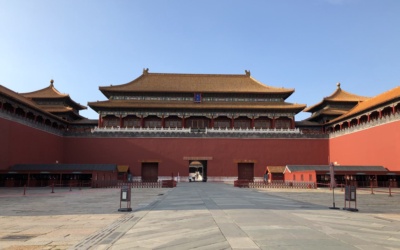
The Forbidden City: The world's largest palace complex. You must book tickets online in advance (often days or weeks early) using your passport. Allow at least 3-4 hours to walk from the South Gate to the North Gate. To get the best view of the golden roofs, climb the hill in Jingshan Park immediately to the north after you exit.
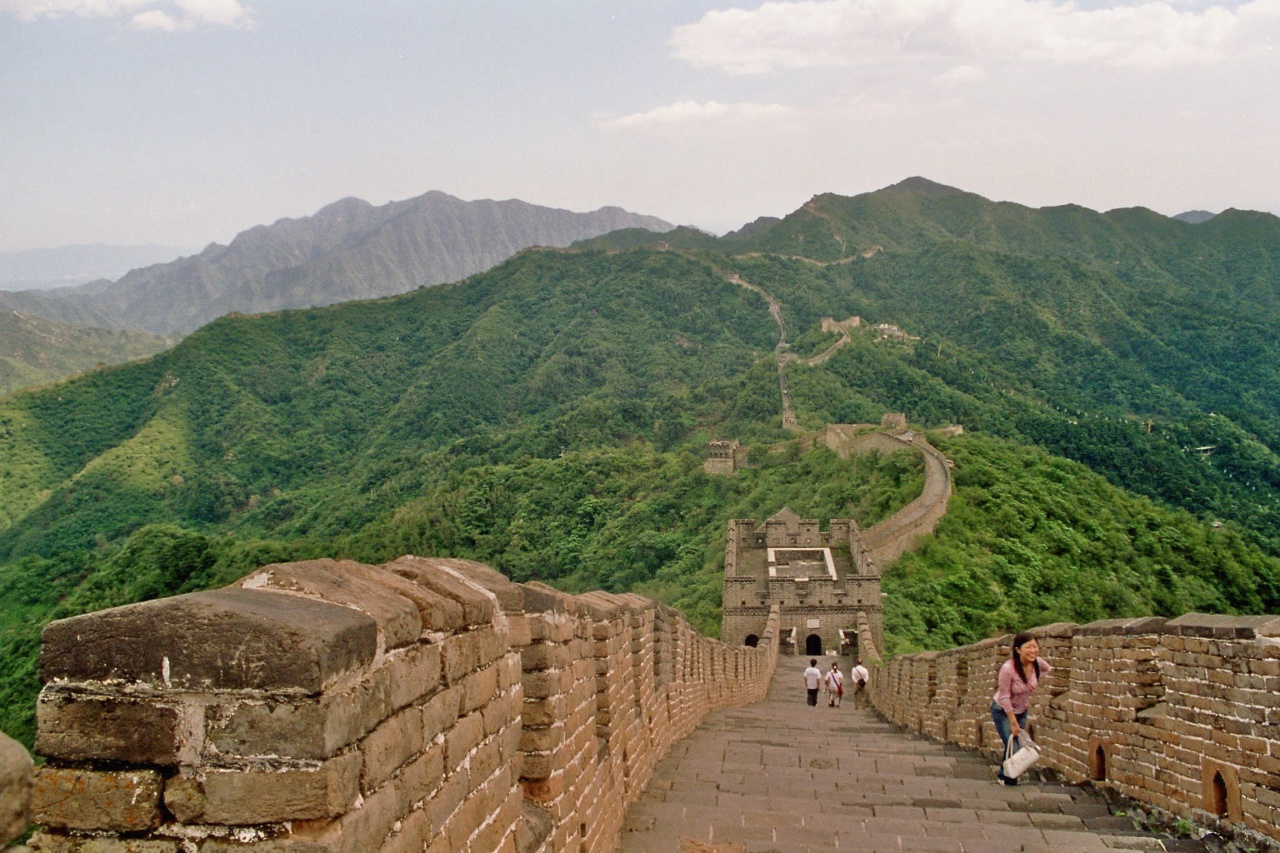
The Great Wall (Mutianyu Section): Skip the crowded Badaling section. Mutianyu is better preserved, offers a cable car up, and a fun toboggan ride down. It is about a 1.5 to 2 hour drive from the city. Aim to arrive by 8:00 AM to beat the tour buses.
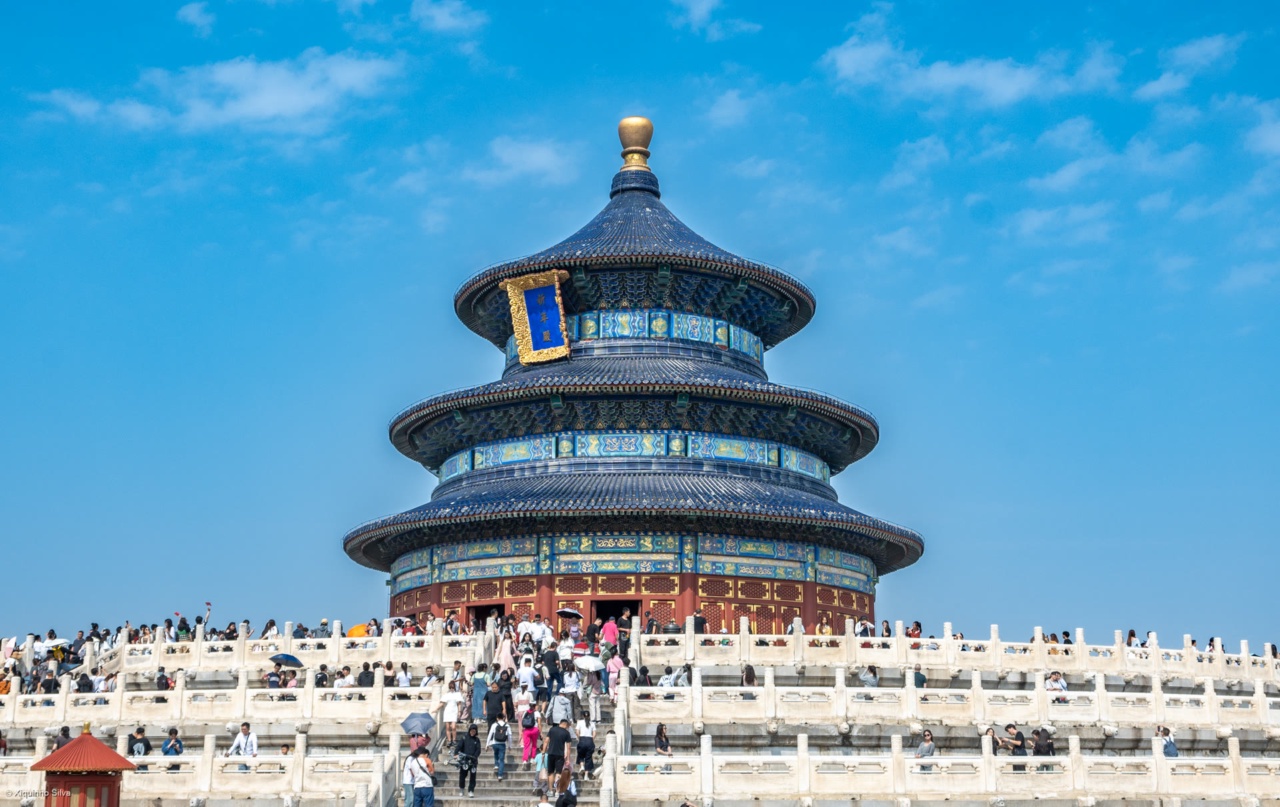
The Temple of Heaven: More than just a temple, this is a massive park where locals gather at dawn to practice Tai Chi, dance, and play cards. The architecture of the Hall of Prayer for Good Harvests is a masterpiece of Ming design, built without a single nail.
Lesser-Known Gems
The Lama Temple (Yonghe Palace): One of the most important Tibetan Buddhist monasteries outside Tibet. The highlight is an 18-meter tall Buddha carved from a single piece of sandalwood. Visit on a weekday morning to avoid the heaviest incense smoke and crowds.
798 Art District: A decommissioned military factory complex turned into a sprawling district of contemporary art galleries, cafes, and street art. It is a stark contrast to the imperial sites and showcases China's modern creative energy.
Overrated Spots
Wangfujing Snack Street: This is a pure tourist trap. The 'exotic' foods like fried scorpions are mostly for show and are not part of the local diet. For better food, head to the hutongs or Ghost Street (Guijie).
Badaling Great Wall: It is the easiest to reach by train, which means it is perpetually swamped with thousands of tourists. The experience feels more like a crowded mall than a historic monument.
Food and Drink
Beijing's culinary scene is famous for its bold flavors, heavy use of garlic and vinegar, and incredible wheat-based noodles and dumplings. Street food is harder to find than it used to be due to city regulations, but 'hole-in-the-wall' shops in the hutongs still thrive.
| Dish | Description | Where to Try | Typical Price |
|---|---|---|---|
| Peking Duck | Crispy skin, tender meat, served with pancakes and hoisin | Siji Minfu or Da Dong | $30 - $60 (whole duck) |
| Zhajiangmian | Thick wheat noodles with savory fermented soybean paste | Old Beijing Zhajiangmian shops | $4 - $8 |
| Jianbing | Chinese savory crepe with egg, crackers, and sauce | Street stalls/small windows | $1 - $2 |
| Dumplings (Jiaozi) | Boiled or fried dough pockets with meat/veg fillings | Baoyuan Dumplings | $5 - $12 per platter |
For a unique evening, head to Guijie (Ghost Street). This 1.5km stretch is lined with hundreds of red lanterns and specializes in spicy crawfish and hotpot. It is particularly lively after 10:00 PM. For drinks, the Great Leap Brewing or Slow Boat Brewery offer excellent craft beers that incorporate local ingredients like Sichuan peppercorns or honey.
Where to Stay
Accommodation in Beijing ranges from traditional courtyard hotels to ultra-modern skyscrapers. Prices are generally higher than in Southeast Asia but lower than in Tokyo or Hong Kong.
- Budget ($20 - $50): Look for hostels or 'boutique' guesthouses in the hutongs near Beixinqiao or Nanluoguxiang. You will get a local feel and be close to great nightlife.
- Mid-Range ($60 - $120): Dongcheng and Xicheng have many international hotel chains (Mercure, Novotel) and high-quality local brands like Atour. These are reliable, clean, and usually located near subway stations.
- Upscale ($150+): For luxury, stay in the CBD (Central Business District) at hotels like the Park Hyatt, or choose a high-end converted courtyard like the Aman at Summer Palace for a truly imperial experience.
Practical Tips
- Payment: China is almost cashless. Download Alipay or WeChat and link your international credit card before you arrive. Cash is still legally accepted but many vendors may not have change.
- Internet: Many Western websites (Google, Facebook, Instagram) are blocked. You will need a reliable VPN or a roaming eSim that bypasses the 'Great Firewall'.
- Safety: Beijing is exceptionally safe for tourists. Violent crime is rare. The most common issues are 'tea house scams' where friendly strangers invite you for a drink and leave you with a massive bill. Politely decline invitations from strangers in tourist areas.
- Language: English is not widely spoken outside of major hotels. Download a translation app (like Baidu Translate or Google Translate with offline packs).
- Tipping: Tipping is not expected and can sometimes be seen as confusing or offensive.
- Water: Do not drink the tap water. Boiled water or bottled water is the standard.
Day Trips
- Tianjin: Just 30 minutes away via high-speed train. It is a port city known for its European colonial architecture and the 'Tianjin Eye' ferris wheel. Very easy and worth a full day.
- Longqing Gorge: About 1.5 hours north of Beijing. It features stunning karst landscapes and a bright green reservoir. It is often called the 'Little Three Gorges'. Best visited in summer or during the winter ice festival.
- Eastern Qing Tombs: Located about 125km from Beijing, this is a massive imperial mausoleum complex. It is much less crowded and more atmospheric than the Ming Tombs closer to the city.
Sample 3-Day Itinerary
Day 1: The Imperial Core
Start early at Tiananmen Square to see the scale of the city's political heart. Walk north through the Meridian Gate into the Forbidden City. Spend the morning exploring the central axis. After exiting the North Gate, cross the street to Jingshan Park for the panoramic view. In the afternoon, take a rickshaw or walk through the Hutongs near Houhai Lake. End the day with a Peking Duck dinner in Dongcheng.
Day 2: The Great Wall
Dedicate your second day to the Mutianyu Great Wall. Hire a private driver or take the bus early to avoid the heat and crowds. Spend 3-4 hours hiking between the watchtowers. On the way back to the city, stop at the Olympic Park to see the Bird's Nest stadium and the Water Cube illuminated at night. Have a late dinner of spicy hotpot on Ghost Street.
Day 3: Temples and Art
Morning visit to the Temple of Heaven to watch the local park life. From there, take the subway to the Lama Temple and the nearby Confucius Temple. In the afternoon, head northeast to the 798 Art District to browse galleries and boutiques. For your final evening, explore the bars and restaurants of Sanlitun or catch a traditional Peking Opera performance.
Budget Overview
| Category | Budget | Mid-Range | Comfort |
|---|---|---|---|
| Accommodation | $30 | $80 | $180 |
| Food | $15 | $35 | $70 |
| Transport | $3 | $10 | $25 |
| Activities | $10 | $25 | $50 |
| Daily Total | $58 | $150 | $325 |
Frequently Asked Questions
Is Beijing worth visiting?
Absolutely. Beijing is the cultural and historical heart of China, offering unparalleled access to World Heritage sites like the Great Wall and Forbidden City. It provides a unique look at how a traditional imperial past integrates with a high-tech, modern superpower.
How many days do you need in Beijing?
You need at least 3 to 4 days to see the core highlights, including one full day for the Great Wall. If you want to explore the art districts, multiple temple complexes, and hidden hutongs, 5 to 6 days is ideal.
Is Beijing safe for tourists?
Beijing is one of the safest major cities in the world for travelers. Street crime is extremely low, and it is safe to walk around at night. The main concerns are minor transit scams or 'tea house' overcharging scams in tourist hubs.
Can you drink tap water in Beijing?
No, the tap water in Beijing is not safe to drink. Most hotels provide bottled water or have kettles for boiling water. It is fine for brushing your teeth, but use bottled water for drinking.
Do I need a visa to visit Beijing?
Eligible travellers can use China’s 240-hour visa-free transit policy for a stay of up to 10 days within the permitted areas. This requires an ordinary passport from an eligible country, entry through a designated port, and an onward ticket with a confirmed seat and departure date to a third country or region. It is not a general visa exemption for every traveller or itinerary. Check the current nationality list, ports and permitted areas with the National Immigration Administration before booking. National Immigration Administration
Is English widely spoken in Beijing?
English is spoken in major hotels and by younger staff in tourist areas, but it is not common among taxi drivers or in local markets. Using a translation app and having your destination written in Chinese is essential.
What should I avoid in Beijing?
Avoid visiting during major national holidays like Golden Week. Also, skip the Badaling section of the Great Wall if you want a peaceful experience, and be wary of 'students' who want to practice English and lead you to a tea house.
How do I get from the airport to the city center?
The Airport Express train is the fastest and most reliable method from both PEK and PKX airports. Taxis and ride-hailing apps like Didi are also available but can be slowed down by Beijing's notorious traffic.
Guides & Tips
7/7
Routes
🗺️ Getting Around Beijing - Local Transport Guide
→ Routes from Beijing (16)