
Contents
Leaving the futuristic skyline and imperial grand halls of Beijing for the spiritual heights of Lhasa is more than just a trip; it is a transition between two different worlds. As you move from the bustling capital of China toward the Roof of the World, the air grows thinner, the colors of the prayer flags become more vibrant, and the rhythmic pulse of the city is replaced by the serene chanting of monks. This route represents one of the most iconic overland adventures in Asia, crossing the vast Tibetan Plateau.
For many, this journey is a rite of passage. It is a chance to watch the landscape transform from the industrial heartlands of northern China into the high-altitude deserts and snow-capped peaks of the Himalayas. The distance is vast, and the train makes the most of it: it takes about two days, so plan for two nights on board.
Beijing to Lhasa by Train
The train from Beijing to Lhasa is legendary, often referred to as the Sky Road. On the 16 October 2026 timetable the only direct service is Z21, which leaves Beijing West at 19:48 and reaches Lhasa at 11:46 two days later, a journey of 39 hours 58 minutes.[1] The train sells soft sleeper, hard sleeper and hard seat tickets.[1]
Soft Sleeper
The Soft Sleeper is the most comfortable way to experience this long-distance route. Compartments are enclosed, with four bunks (two upper and two lower) and a door, providing more privacy and security. On a journey of nearly two days, it is the premium choice for those who value a good night's sleep while the train climbs into the mountains.
Hard Sleeper
Despite the name, a Hard Sleeper is not actually hard; the bunks are padded. The main difference is the layout: these are open-plan carriages with six bunks per compartment (lower, middle, and upper). There is no door separating you from the aisle, which makes for a more social atmosphere but less privacy. It offers a balance between cost and comfort and is a popular choice for budget-conscious travelers who still want a bed to lie down on.
Hard Seat
The Hard Seat is the most economical option, but over a journey of almost 40 hours it is also the most taxing, as you will be sitting upright in a crowded carriage for the whole trip.[1] Most foreign travelers choose a sleeper instead.
Fares for each class are shown on the China Railway 12306 site once you search for a date. Foreign passengers buy real-name tickets with a valid passport and show the same passport to enter the station and board.[2]
Comparing Your Options
| Train | Departs | Arrives | Duration | Ticket types |
|---|---|---|---|---|
| Z21 | Beijing West 19:48 | Lhasa 11:46 (two days later) | 39h 58m[1] | Soft sleeper, hard sleeper, hard seat[1] |
Tips for Traveling from Beijing to Lhasa
- Secure Your Tibet Travel Permit: Foreign visitors normally need a Tibet Travel Permit, which is arranged through a licensed travel agency before travel, and you may be asked to show it at the station. Confirm the current rules with your agency and your embassy before you book a ticket.
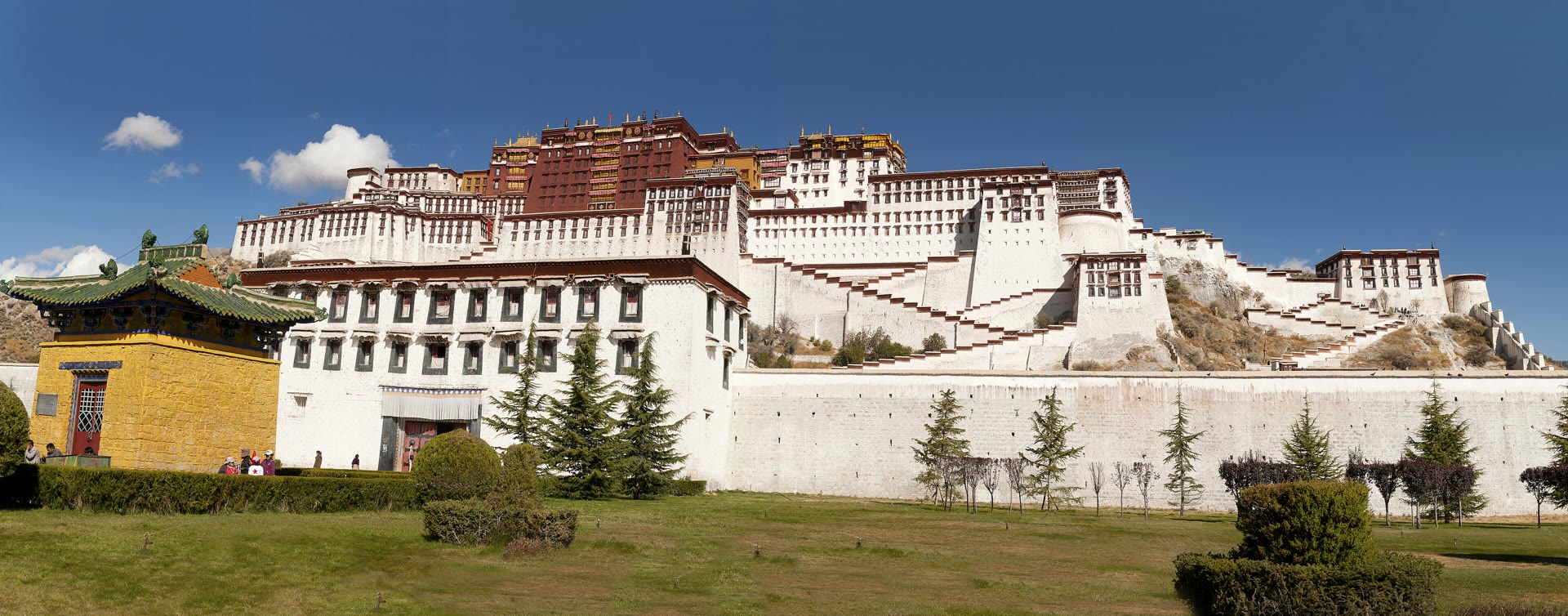
- Acclimatize Early: Lhasa lies in a high valley; the Potala Palace stands at an altitude of 3,700 meters.[3] Drink plenty of water and avoid strenuous activity for your first days in Tibet, and ask your doctor about altitude before you travel.
- Pack Snacks and Water: The journey takes almost two days, so bring your own fruit, nuts, and instant noodles in addition to any meals you buy on board.
- Book in Advance: There is only one direct train a day on this route, so sleeper tickets can sell out. The 12306 date selector shows the next 15 days of departures.[1]
- Keep Your Phone Charged: Charging outlets can be in high demand on a long journey, so carry a power bank in your hand luggage.
Frequently Asked Questions
Use the booking tool on this page to compare the transport options currently available from Beijing to Lhasa, including current prices and schedules.
The Hard Seat is the cheapest ticket on the train, but sitting upright for almost 40 hours is very tiring. Current fares for each class are shown on the China Railway 12306 site when you search for your date.
Flying is faster than the train, which takes 39 hours 58 minutes on the Z21. The train is a good choice if you want to see the Tibetan Plateau from the window, and the slower ascent can help your body adjust to the altitude.
The Z21 train from Beijing West Railway Station to Lhasa takes 39 hours 58 minutes. It leaves in the evening and arrives around midday two days later.
Foreign visitors normally need a Tibet Travel Permit, which is arranged through a licensed travel agency before travel. Confirm the current requirements with your agency and your embassy before you buy a ticket.
The route climbs onto the Tibetan Plateau, and some passengers feel altitude effects. Drink water, rest, avoid alcohol and heavy activity, and speak to a doctor before you travel if you have health concerns.
Choose the Soft Sleeper for more privacy and comfort. The Hard Sleeper is a good middle-ground option if you want a bed and are looking to save money. We generally advise against Hard Seats for a journey of this length.
Sources and background
Numbers in the text such as [1] refer to these sources.
- [1] China Railway (12306): 12306 ticket search: Beijing to Lhasa, 16 October 2026. Retrieved October 15, 2026.
- [2] China Railway (12306): 12306 FAQ. Retrieved October 15, 2026.
- [3] UNESCO World Heritage Centre: Historic Ensemble of the Potala Palace, Lhasa. Retrieved October 15, 2026.
Guide prices and journey times are indicative, not live quotes. A booked package may include transfers and waiting time as well as the main journey. Check the selected offer, pickup point and current conditions before booking.