Lhasa
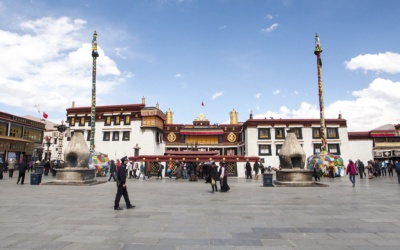
Lhasa is the high altitude spiritual heart of Tibet, where ancient Buddhist traditions meet modern Chinese infrastructure. It is a city of deep devotion, characterized by the smell of juniper incense, the sound of rhythmic chanting, and the sight of pilgrims performing prostrations around the Jokhang Temple.
Last updated: October 15, 2026
When to go
Climate and best time for LhasaBest months: March to October
- January: Good (cold). 6 °C by day, -10 °C at night, 1 mm of rain
- February: Good (cold). 8 °C by day, -8 °C at night, 1 mm of rain
- March: Great. 13 °C by day, -3 °C at night, 4 mm of rain
- April: Great. 15 °C by day, 0 °C at night, 7 mm of rain
- May: Great. 18 °C by day, 5 °C at night, 30 mm of rain
- June: Great. 21 °C by day, 8 °C at night, 72 mm of rain
- July: Great. 21 °C by day, 9 °C at night, 127 mm of rain
- August: Great. 20 °C by day, 9 °C at night, 120 mm of rain
- September: Great. 18 °C by day, 7 °C at night, 60 mm of rain
- October: Great. 15 °C by day, 1 °C at night, 9 mm of rain
- November: Good (cold). 11 °C by day, -6 °C at night, 2 mm of rain
- December: Good (cold). 8 °C by day, -9 °C at night, 1 mm of rain
- Great
- Good
- Mixed
- Poor
Contents
- 1. Orientation and Neighborhoods
- 2. Best Time to Visit
- 3. Getting There and Getting Around
- 4. Top Sights and Experiences
- 4.1 Must-See Attractions
- 4.2 Lesser-Known Gems
- 4.3 Overrated Spots
- 5. Food and Drink
- 6. Where to Stay
- 7. Practical Tips
- 8. Day Trips
- 9. Sample 3-Day Itinerary
- 9.1 Day 1: Arrival and Acclimatization
- 9.2 Day 2: The Spiritual Core
- 9.3 Day 3: The Grand Palaces
- 10. Budget Overview
- 11. Frequently Asked Questions
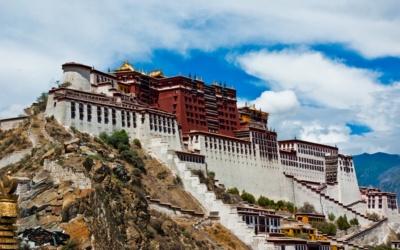
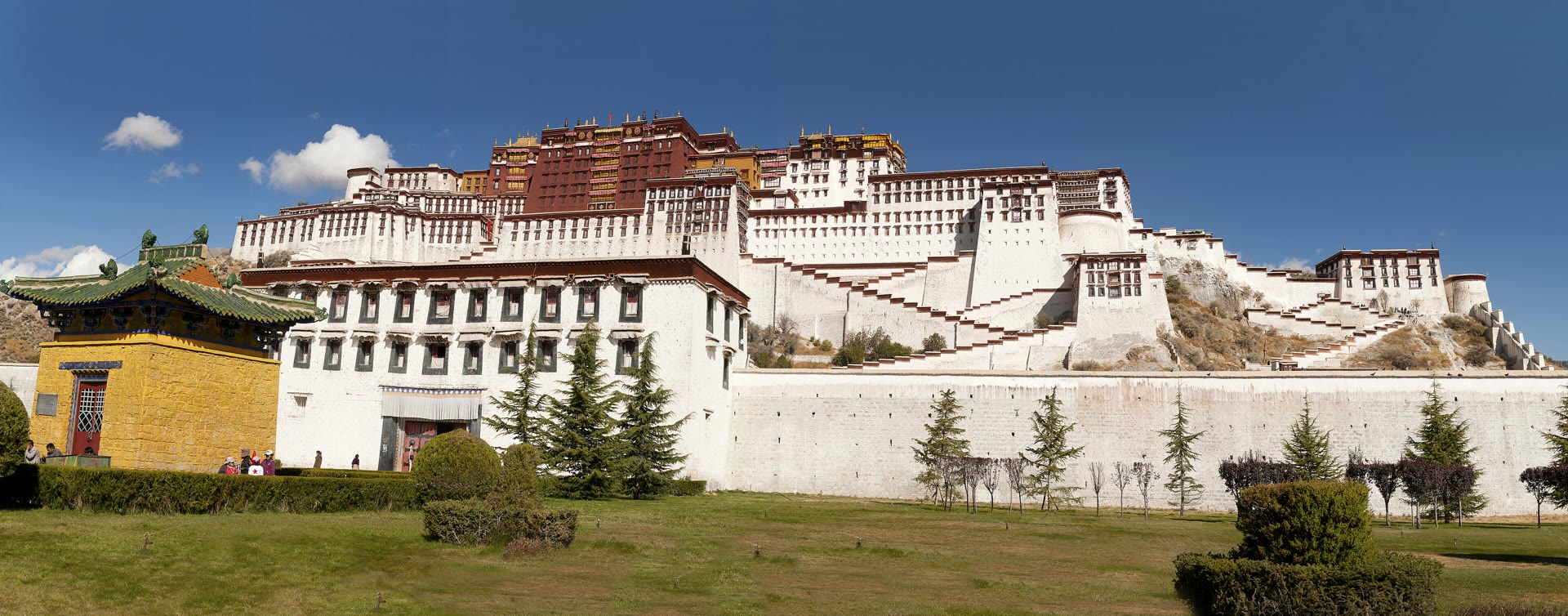
Lhasa sits at an elevation of 3,650 meters, making it one of the highest cities in the world. It is a place where time feels layered, as the soaring red and white walls of the Potala Palace overlook a rapidly developing urban landscape. For most, Lhasa is not just a destination but a bucket list pilgrimage that requires significant logistical planning due to Chinese government regulations. The atmosphere is heavy with the scent of yak butter lamps and the dry, thin air of the Himalayan plateau.
The city is split between the historic Tibetan Quarter, centered around the Barkhor, and the modern Chinese districts to the west. Travelers often find themselves caught in the contrast between the quiet, winding alleys of the old town and the wide, paved boulevards of the new city. Visitors must arrive with an open mind and a slow pace to accommodate the altitude. Physical exertion is difficult during the first few days, and the city rewards those who sit quietly in tea houses or join the circular kora walks with local devotees.
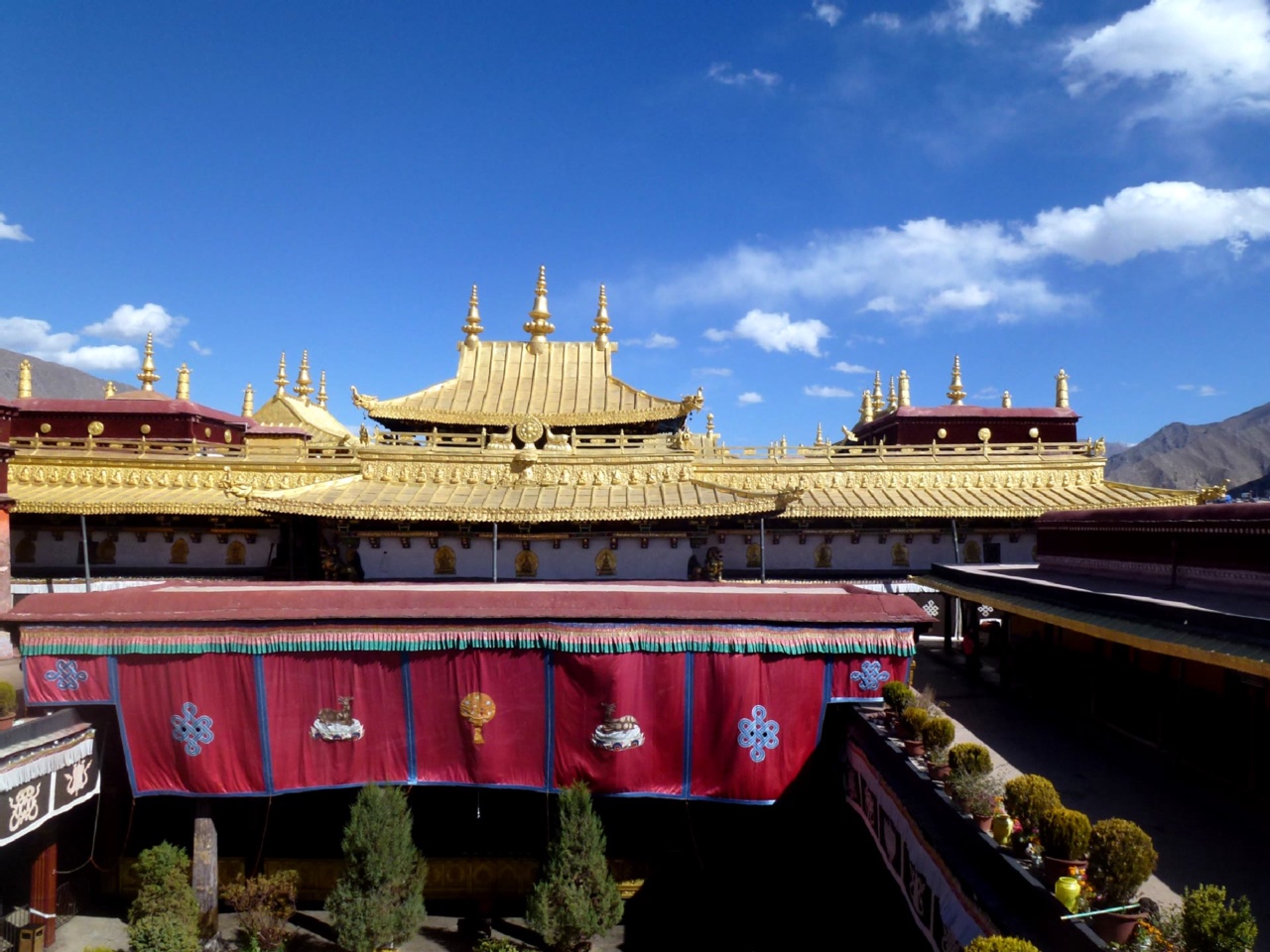
Navigating Lhasa requires more than just a passport; a Tibet Travel Permit is mandatory for all foreign passport holders. This permit must be arranged weeks in advance through a registered travel agency, as independent travel is currently not permitted for foreigners in the Tibet Autonomous Region. Despite these hurdles, the reward is a cultural experience unlike any other in Asia, where the devotion of the people is visible in every street corner and mountain pass.
Orientation and Neighborhoods
Lhasa is geographically constrained by the Lhasa River to the south and mountains to the north. The city is roughly divided into the Old Tibetan Quarter and the Modern Chinese Sector. Understanding this divide is key to choosing your base and navigating the sights.
- The Barkhor (Old Tibetan Quarter): This is the soul of Lhasa. It is a maze of narrow streets surrounding the Jokhang Temple. This is the best place to stay for culture seekers and photographers. It is highly walkable and filled with traditional tea houses and artisan shops.
- Potala District: Located just west of the Barkhor, this area is dominated by the Potala Palace and its massive front square. It offers a mix of government buildings, high end hotels, and parks. It is central and convenient for sightseeing.
- West Lhasa (New Town): This area feels like any other modern Chinese city with shopping malls, glass skyscrapers, and wide avenues. It is home to many large chain hotels and the main railway station. It is less atmospheric but offers more modern amenities.
- Northern Suburbs: This area leads toward Sera Monastery. It is quieter and more residential, offering a glimpse into local life away from the heavy tourist traffic of the center.
Things to Do
Offers are only loaded from GetYourGuide after you click. GetYourGuide can then process your IP address and set cookies. Privacy Policy
GetYourGuide partner offers. GoAsia may earn a commission if you book through these offers. Check whether tickets or transfers are included, and follow the attraction's official booking and admission rules.
Best Time to Visit
Lhasa is known as the City of Sunshine, receiving over 3,000 hours of sunlight annually. While it is high altitude, the weather is more temperate than many expect, though nights remain cold year round.
| Month Range | Weather | Crowds | Prices |
|---|---|---|---|
| April to June | Mild and dry | Moderate | Mid-range |
| July to August | Warm but rainy | High | Expensive |
| September to October | Clear and cool | High | Mid-range |
| November to March | Cold and sunny | Low | Budget |
The peak season runs from July to October. During this time, the oxygen levels are slightly higher, and the landscape is greener. However, the city becomes crowded with domestic tourists, and prices for hotels and guides spike. Winter (November to March) is the low season; while nights drop well below freezing, the days are brilliantly sunny, and the city is filled with genuine pilgrims from rural Tibet rather than tourists. Note that Tibet often closes to foreign travelers for several weeks in February or March during the Tibetan New Year.
Getting There and Getting Around
Lhasa Gonggar Airport is located roughly 60 kilometers south of the city. A shuttle bus costs around $5 and takes about an hour, while a private taxi typically costs $30 to $40. Most foreign travelers will be met by their mandatory guide at the airport. The Qinghai-Tibet Railway is another popular entry point, with trains arriving from Beijing, Xi-an, and Chengdu. The train journey is famous for its views but takes over 20 to 40 hours depending on the starting point.
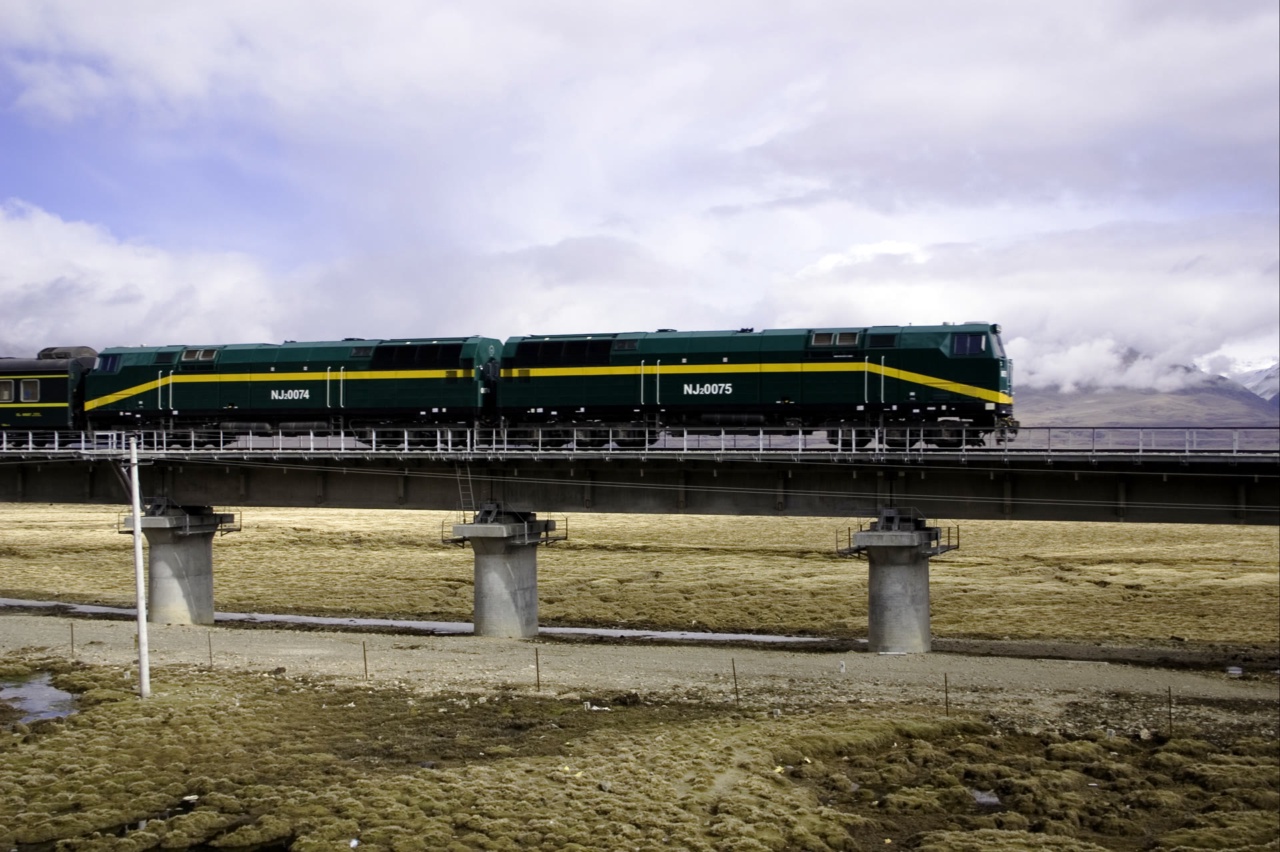
Within the city, walking is the best way to explore the Barkhor and Potala areas. For longer distances, small green taxis are everywhere; fares within the city center usually range from $2 to $5. Public buses are available and cost roughly $0.15 per ride, but routes are mostly labeled in Tibetan and Chinese. Rickshaws are available in the old town for short, scenic hops. For logistics regarding your entry into Tibet, you can find transport details and booking assistance on GoAsia.cc.
Top Sights and Experiences
Must-See Attractions
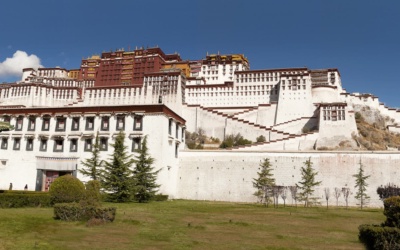
- The Potala Palace: The former winter residence of the Dalai Lama. It is a sprawling complex of over 1,000 rooms. Visitors are usually limited to a 1 hour strictly timed tour of the interior. Book tickets at least a day in advance through your guide. The climb up the stone steps is taxing at this altitude, so take it slow.
- Jokhang Temple: The most sacred site in Tibet, housing the Jowo Shakyamuni statue. The energy here is palpable. Visit in the morning to see the rituals, or late afternoon for a quieter experience. The roof offers stunning views of the Barkhor and Potala.
- Sera Monastery: Famous for the monks' debating sessions held every afternoon (except Sundays) in the courtyard. Monks use emphatic hand gestures and clapping to punctuate their theological points. It is a highly photogenic and lively event.
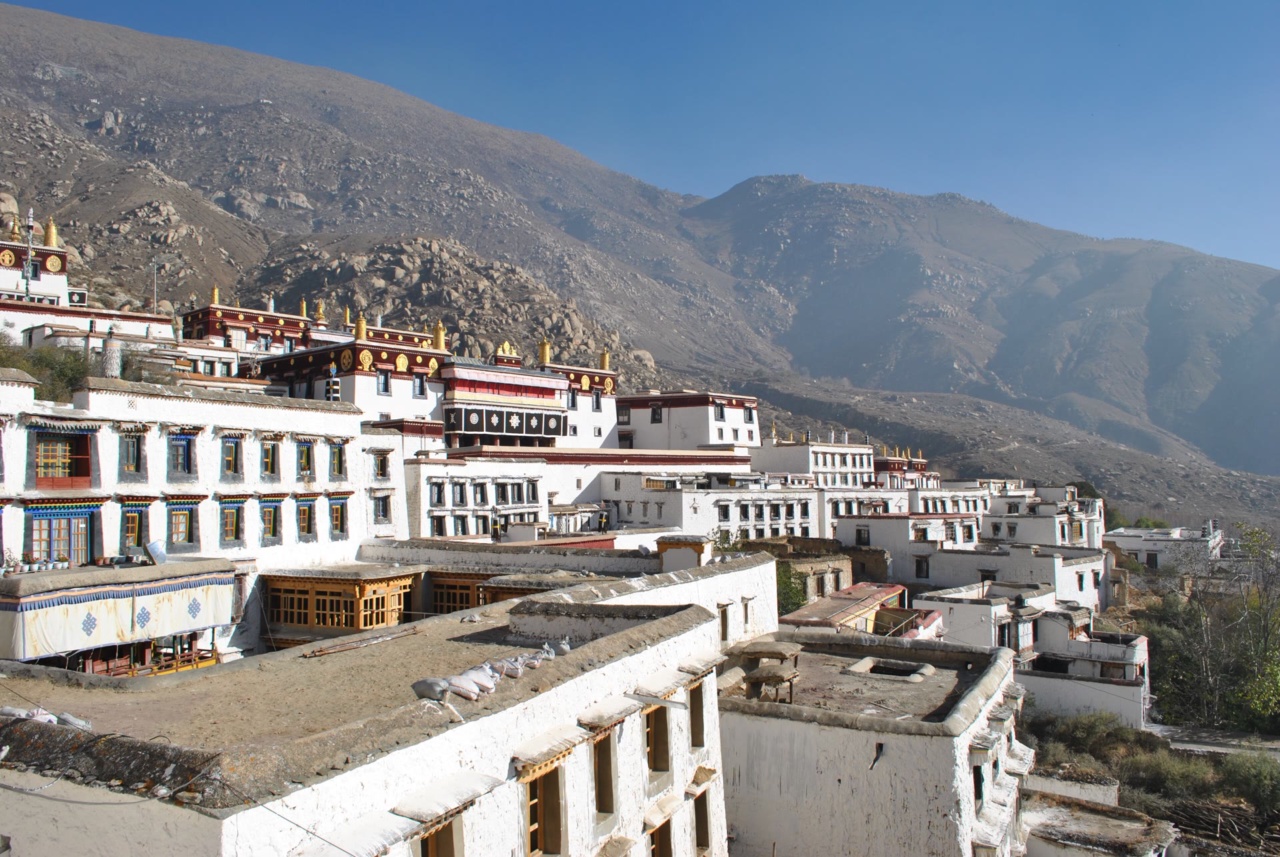
- Drepung Monastery: Once the largest monastery in the world, it sits on a hillside 8 kilometers outside the center. It feels like a white-washed village. Allow at least 3 hours to explore the kitchens, chanting halls, and murals.
Lesser-Known Gems
- Ramoche Temple: Often overshadowed by the Jokhang, this sister temple is quieter and offers a more intimate look at local worship.
- Ani Sangkung Nunnery: A peaceful complex where you can visit the yellow-walled nunnery and enjoy a bowl of vegetarian noodles or milk tea in their quiet garden cafe.
- Pabonka Hermitage: Located on a hillside north of the city, this is one of the oldest Buddhist sites in the region. It offers incredible hiking and panoramic views of the entire Lhasa valley.
Overrated Spots
- The Potala Square Music Fountain: While the light show is large, it feels disconnected from the spiritual nature of the city. It is very modern and can be found in almost any Chinese city.
- Norbulingka (Summer Palace) in winter: The gardens are the main draw here. If you visit in late autumn or winter, the plants are dead and the ponds are dry, making the entry fee feel steep for what is essentially a few small chapels.
Food and Drink
Tibetan cuisine is hearty and designed for high-altitude survival, focusing on barley, yak meat, and dairy. However, Lhasa also has a massive selection of Sichuanese and Indian/Nepalese food.
| Dish | Description | Where to Try | Typical Price |
|---|---|---|---|
| Momos | Steamed or fried dumplings filled with yak meat or chives. | Local tea houses | $3 - $5 |
| Thukpa | Hearty noodle soup with vegetables and meat. | Barkhor street stalls | $2 - $4 |
| Yak Steak | Lean, flavorful meat often served with potatoes. | Mid-range restaurants | $10 - $15 |
| Tsampa | Roasted barley flour mixed with butter tea. | Breakfast spots | $1 - $2 |
| Sweet Tea | Tibet's version of milk tea, served in carafes. | Guangming Kamqung | $0.50 per cup |
For a local experience, spend an afternoon in a traditional tea house. These are the social hubs of the city. You simply find a seat, place a small amount of money on the table, and the servers will keep refilling your cup until you cover it with your hand. A budget meal at a local joint costs around $5, while a nice dinner at a tourist-oriented restaurant in the Barkhor will be $15 to $25 per person.
Where to Stay
Accommodation in Lhasa ranges from basic guesthouses to international luxury brands. Most travelers prefer staying within walking distance of the Jokhang Temple.
- Budget ($20 - $40): Look for small Tibetan-run boutique hotels in the narrow alleys of the Barkhor. These often have rooftop terraces and traditional decor but may lack elevators.
- Mid-Range ($50 - $100): Several well-regarded hotels near the Potala Palace offer oxygen-enriched rooms, which can be a lifesaver for those struggling with altitude sickness.
- Upscale ($150+): International brands like the St. Regis or InterContinental are located slightly further from the center but provide full luxury, including high-end spas and pressurized rooms.
Practical Tips
- Altitude Sickness: This is a serious concern. Avoid alcohol and showers on your first day. Drink plenty of water. Most hotels provide oxygen canisters; do not hesitate to use them if you feel dizzy or have a severe headache.
- Permits: You cannot enter Tibet without a Tibet Travel Permit. Your guide must be with you when visiting any monasteries or palaces. Keep your passport and permit on you at all times as there are frequent checkpoints.
- Money: Chinese Yuan (RMB) is the currency. While Alipay and WeChat Pay are used everywhere, foreign credit cards are rarely accepted except in high-end hotels. Carry cash for small shops and monasteries.
- Tipping: Tipping is not traditional in China, but in Tibet, it is customary to tip your guide and driver at the end of the trip (roughly $10-$15 per day for the guide).
- Photography: Always ask before filming or photographing monks or people inside temples. Many monasteries charge a significant fee (up to $20) for indoor photography.
- Etiquette: Always walk clockwise around temples, stupas, and prayer wheels. Never point your feet at a Buddha statue or a person.
Day Trips
- Yamdrok Lake: Roughly 2.5 hours from Lhasa. This turquoise alpine lake is one of the three sacred lakes of Tibet. The drive over the Kamba La Pass (4,700m) offers breathtaking views. It is an essential day trip.
- Ganden Monastery: Located 45 kilometers east of Lhasa. It sits on a natural amphitheater and offers a spectacular kora (pilgrimage hike) around the mountain ridge. It is less crowded than the city monasteries.
- Namtso Lake: About 4-5 hours away. While stunning, it is at 4,700 meters. Many people find the altitude here too punishing for a day trip. It is better as an overnight stay if you are well-acclimatized, otherwise, it can be an exhausting and head-splitting experience.
Sample 3-Day Itinerary
Day 1: Arrival and Acclimatization
Morning: Arrive in Lhasa and transfer to your hotel. Do nothing. Rest, drink water, and let your body adjust to the 3,650m altitude. Afternoon: Take a very gentle walk to the Barkhor Square. Observe the pilgrims but do not overexert yourself. Evening: Enjoy a simple dinner of Thukpa (noodle soup) and an early night.
Day 2: The Spiritual Core
Morning: Visit the Jokhang Temple early to beat the crowds. Walk the Barkhor kora with the devotees. Afternoon: Head to Sera Monastery for the 3:00 PM monk debates. Evening: Explore the shops in the old town and try some Tibetan sweet tea at a local tea house.
Day 3: The Grand Palaces
Morning: Tour the Potala Palace (ensure your guide has secured a time slot). Be prepared for many stairs. Afternoon: Visit Drepung Monastery to see the massive kitchens and Great Assembly Hall. Evening: Farewell dinner at a rooftop restaurant overlooking the Potala Palace lit up at night.
Budget Overview
| Category | Budget | Mid-Range | Comfort |
|---|---|---|---|
| Accommodation | $30 | $70 | $180 |
| Food | $15 | $35 | $60 |
| Transport | $5 | $15 | $40 |
| Activities | $20 | $40 | $60 |
| Daily Total | $70 | $160 | $340 |
Note: These totals do not include the mandatory cost of a private guide and vehicle, which typically adds $100 to $200 per day to the total group cost, depending on the itinerary and group size.
Frequently Asked Questions
Is Lhasa worth visiting?
Yes, Lhasa is one of the most culturally unique cities in the world. The combination of its high-altitude Himalayan setting and its status as the center of Tibetan Buddhism offers an experience that cannot be replicated elsewhere.
How many days do you need in Lhasa?
You need at least 3 to 4 days in Lhasa. The first day is usually lost to altitude acclimatization, while the following days are required to see the Potala Palace, Jokhang Temple, and major monasteries like Sera and Drepung.
Is Lhasa safe for tourists?
Lhasa is extremely safe in terms of crime, but travelers must be aware of the high altitude and political sensitivities. Always follow the advice of your guide, avoid political discussions in public, and carry your permits at all times.
Do I need a visa and permit for Lhasa?
Yes, you need a Chinese Visa first, followed by a Tibet Travel Permit (TTP). The TTP must be applied for by a registered travel agency at least 15-20 days before your arrival.
Can I travel to Lhasa independently?
No, foreign passport holders are currently not allowed to travel independently in Tibet. You must be part of an organized tour with a licensed guide and pre-arranged transport for any travel outside the city.
How do I deal with altitude sickness in Lhasa?
Rest for the first 24 hours, drink at least 3 liters of water daily, and avoid alcohol. If symptoms like severe headache or nausea persist, use the oxygen canisters available at most hotels or visit a local clinic.
What is the best way to get to Lhasa?
Flying from major Chinese cities like Chengdu or Xi-an is the fastest way. The Qinghai-Tibet railway is a scenic alternative, though it takes much longer and does not necessarily guarantee better acclimatization.
Is English widely spoken in Lhasa?
English is not widely spoken outside of hotels and tourist restaurants. Your mandatory guide will speak English, but for independent interactions in tea houses or shops, a translation app or basic Chinese/Tibetan phrases are helpful.