Chengdu is China's capital of slow living, where ancient tea house culture meets a futuristic tech hub and world famous panda conservation. It is the ultimate destination for spicy food lovers and those seeking a more relaxed alternative to the frantic pace of Beijing or Shanghai.
Best time to go
Best months: April to June and September to November
Chengdu is a city that defies the typical high-speed narrative of modern China. While it is a massive metropolitan hub, it is defined by a distinct philosophy known as 'bashu,' a laid-back lifestyle centered around lengthy afternoons in tea houses and communal hotpot dinners. It is a place where the scent of Sichuan peppercorns hangs heavy in the air and the humid mist of the Red Basin creates a perpetual, soft-focus atmosphere.
For the traveler, Chengdu serves as the gateway to the Tibetan Plateau and the home of the Giant Panda, but its true pull lies in its sensory intensity. From the numbing heat of its world-famous cuisine to the rhythmic clicking of bamboo ear-cleaning tools in People's Park, Chengdu rewards those who slow down. It is a city that prioritizes leisure over labor, making it arguably the most livable and approachable major city in the country.
Strategically, Chengdu is divided into concentric ring roads, with the historical and cultural heart located within the First and Second Ring Roads. Navigating the city is straightforward thanks to a massive grid system, but the real magic is found in the 'linpan' or small pockets of greenery and traditional alleys tucked between gleaming glass skyscrapers.
Orientation and Neighborhoods
Chengdu is roughly circular, centered on Tianfu Square. Understanding the districts is key to choosing your base. Qingyang District to the west is the cultural soul, housing the oldest temples and traditional parks. Jinjiang to the east is the commercial powerhouse, home to high-end shopping and the trendiest nightlife. Wuhou to the south is the intellectual and Tibetan hub, while Chenghua to the northeast is a former industrial zone turned into an arts district.
Chunxi Road and Taikoo Li (Jinjiang): This is the ultra-modern heart of the city. Stay here if you want high-end hotels, international brands, and proximity to the best luxury dining. It is the most convenient for first-timers but can be crowded.
Yulin (Wuhou): A bohemian neighborhood famous for its small bars, independent cafes, and old-school Chengdu vibes. It is perfect for those who want a local, residential feel and excellent street food.
Kuanzhai Alley Area (Qingyang): While the alleys themselves are touristy, the surrounding neighborhood is beautiful and walkable, filled with boutique guesthouses and traditional architecture.
Tibetan Quarter (Little Lhasa): Located near the Wuhou Temple, this area offers a unique cultural shift with shops selling yak butter, turquoise jewelry, and authentic Tibetan tea. It is great for budget travelers and those looking for a different side of Chinese diversity.
Things to Do
Offers are only loaded from GetYourGuide after you click. GetYourGuide can then process your IP address and set cookies. Privacy Policy
GetYourGuide partner offers. GoAsia may earn a commission if you book through these offers. Check whether tickets or transfers are included, and follow the attraction's official booking and admission rules.
Best Time to Visit
Chengdu is notorious for its overcast, grey skies. The city sits in a basin, trapping moisture and smog, which means sunny days are rare and celebrated. The climate is humid subtropical, with four distinct seasons.
Month Range
Weather
Crowds
Prices
March to May
Mild and pleasant
Moderate
Average
June to August
Hot, humid, and rainy
High (School holidays)
High
September to November
Cool and crisp
Moderate
Average
December to February
Cold, damp, and grey
Low
Low
Spring (March-May) is the absolute best time to visit. The peach blossoms and rapeseed fields are in bloom, and the temperature is perfect for walking. Autumn (September-November) is also excellent, especially for those planning to head into the nearby mountains where the fall colors are spectacular. Avoid the 'Golden Week' (first week of October) at all costs, as the Panda Base and city center become almost impassable due to domestic crowds.
Getting There and Getting Around
Chengdu is served by two major airports: Shuangliu International (CTU), located closer to the center, and Tianfu International (TFU), further out. Metro Line 10 serves Shuangliu Terminals 1 and 2, and Metro Line 19 links Shuangliu Terminal 2 with Tianfu Airport.[1] The Chengdu Research Base of Giant Panda Breeding gives taxi references to the base of about 100 yuan from Shuangliu airport (40 to 50 minutes) and about 200 yuan from Tianfu airport (60 to 70 minutes).[2]
The Chengdu Metro is clean and easy to navigate with English signage. For payment, download Alipay or WeChat Pay and link your international credit card; this is now the standard for all transactions in China. Ride-hailing via Didi (integrated into Alipay) is widely used. While the city is flat and walkable in parts, the sheer scale means you will rely on the metro or Didi for inter-district travel.
Top Sights and Experiences
The Giant Panda Breeding Research Base
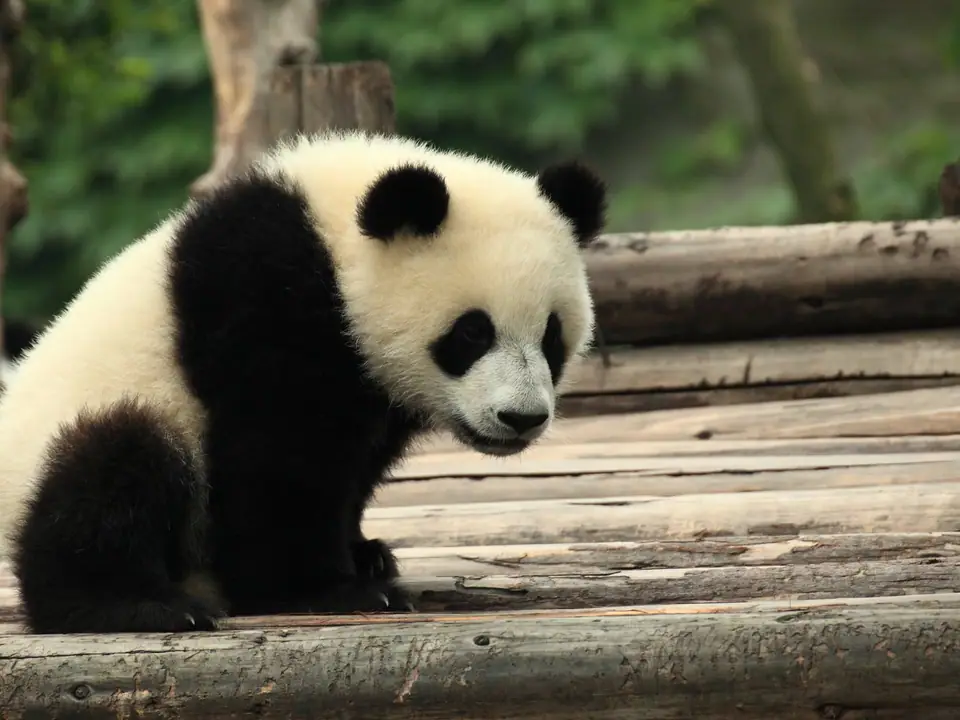
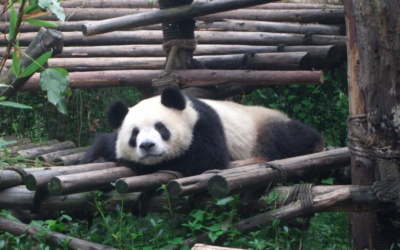
This is the primary reason many visit. The base opens at 7:30 from March to October and at 8:00 from November to February. Pandas are usually most active early in the morning, before they retreat to sleep or move indoors to escape the heat. The nursery area, where you can see tiny cubs, is the highlight. Tip: Every visitor (except seniors aged 60 and over and young children) must make a real-name online reservation up to 14 days ahead, and the adult ticket costs 55 yuan.[3] Expect to spend 3-4 hours here.
People's Park (Renmin Park)
This is the epicenter of Chengdu's slow life. Visit the Heming Tea House, order a bowl of jasmine tea, and sit in a bamboo chair for hours. This is also where you can witness 'Matchmaking Corner' and experience a traditional ear-cleaning service. It is a sensory overload of mahjong tiles clicking and water boiling.
Wenshu Monastery
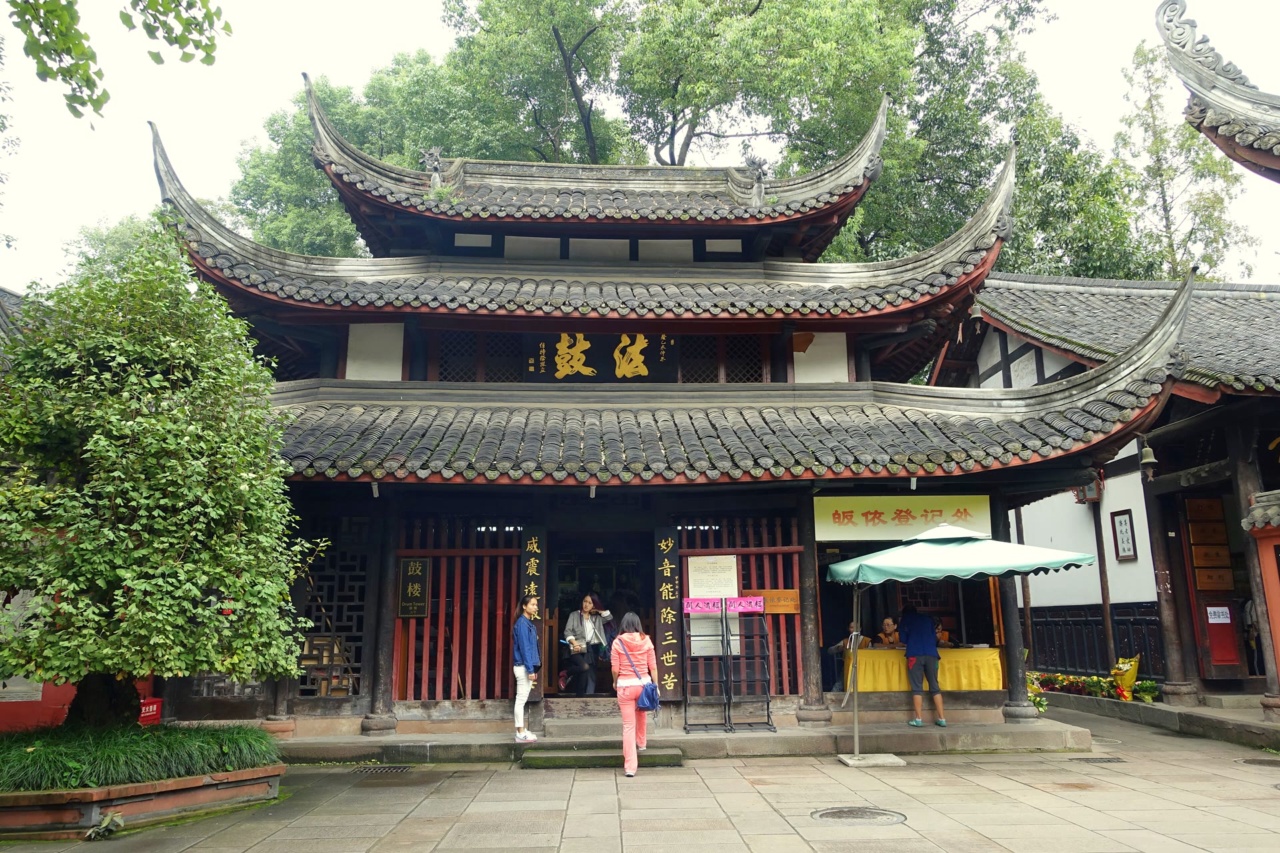
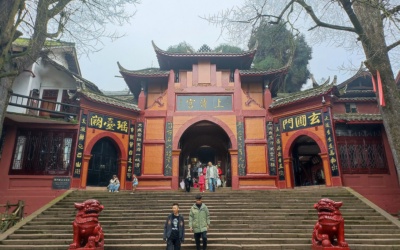
Wenshu Monastery is a working Buddhist monastery with a peaceful atmosphere. The vegetarian restaurant on-site is well known. Spend an hour wandering the gardens and observing the locals lighting incense.
These are 'reconstructed' ancient streets. While highly commercialized, they are beautiful for photography at night when the lanterns are lit. Jinli is more focused on snacks and traditional crafts, while Kuanzhai (Wide and Narrow Alleys) features more upscale cafes and boutiques. Overrated Alert: Do not buy expensive souvenirs here; you can often find similar items for less in local markets.
Overrated: Anshun Bridge at Night
While the illuminated bridge is a staple of Chengdu postcards, the area immediately around it (Jiuyanqiao) has become an aggressive bar street with loud music and overpriced drinks. View it from a distance for the photo, then head to Yulin for a more authentic drink.
Food and Drink
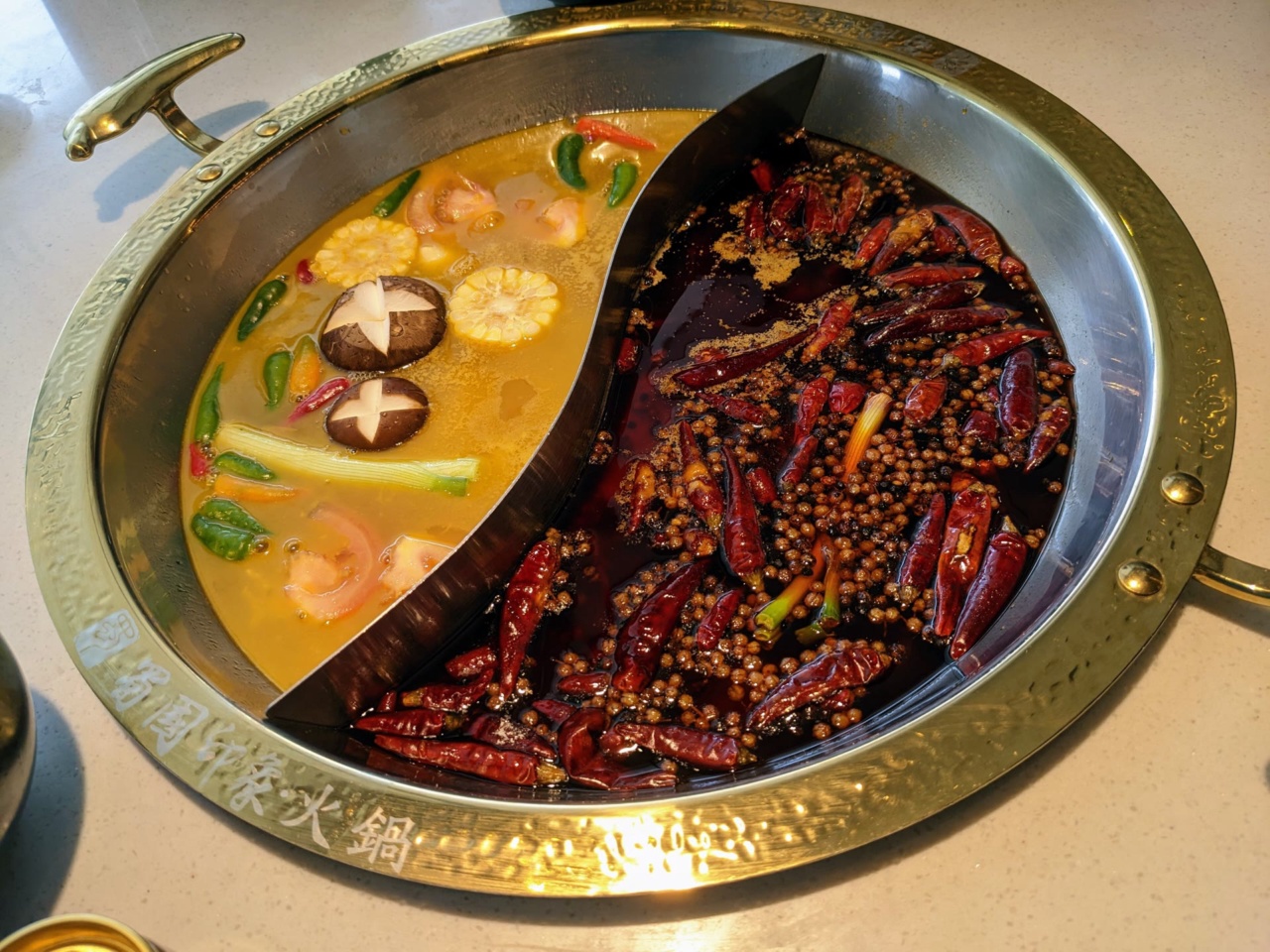
Chengdu is a UNESCO City of Gastronomy.[4] The food is defined by 'Ma La', the combination of numbing Sichuan peppercorns and spicy chilies. However, Sichuan food is also about 'complex flavors' like sweet-and-sour or garlic sauce.
For the best experience, look for 'Fly Restaurants' (Cang Ying Guan). These are tiny, often hole-in-the-wall spots that are so popular they attract 'flies' (metaphorical crowds). If a place looks crowded and has plastic stools on the sidewalk, eat there. You can find more specific restaurant recommendations and transport routes on GoAsia.cc.
Where to Stay
Accommodation in Chengdu is available across all price ranges.
Budget: Look for 'Youth Hostels' near Wenshu Monastery. These are often styled like traditional courtyards and offer a great social atmosphere.
Mid-Range: Boutique hotels in the Qingyang District or modern business hotels near Tianfu Square.
Upscale: The Jinjiang district features global brands like The Temple House (built into a restored courtyard) or the Ritz-Carlton.
Practical Tips
Payment: Cash is rarely used. Set up Alipay before you land. Most vendors, even street food stalls, prefer QR code payments.
Internet: A VPN is essential to access Google, Instagram, or Facebook. Alternatively, buy an international e-SIM which often bypasses the 'Great Firewall.'
Language: English is not widely spoken outside of hotels. Download a translation app (like Baidu Translate or Google Translate with offline packs) that can scan text/menus.
Safety: Chengdu is exceptionally safe. Violent crime is nearly non-existent. Watch out for the 'Tea Ceremony Scam' where strangers invite you to a private tea tasting and leave you with a massive bill.
Tipping: Tipping is not expected and can sometimes be seen as confusing or offensive.
Day Trips
Leshan Giant Buddha
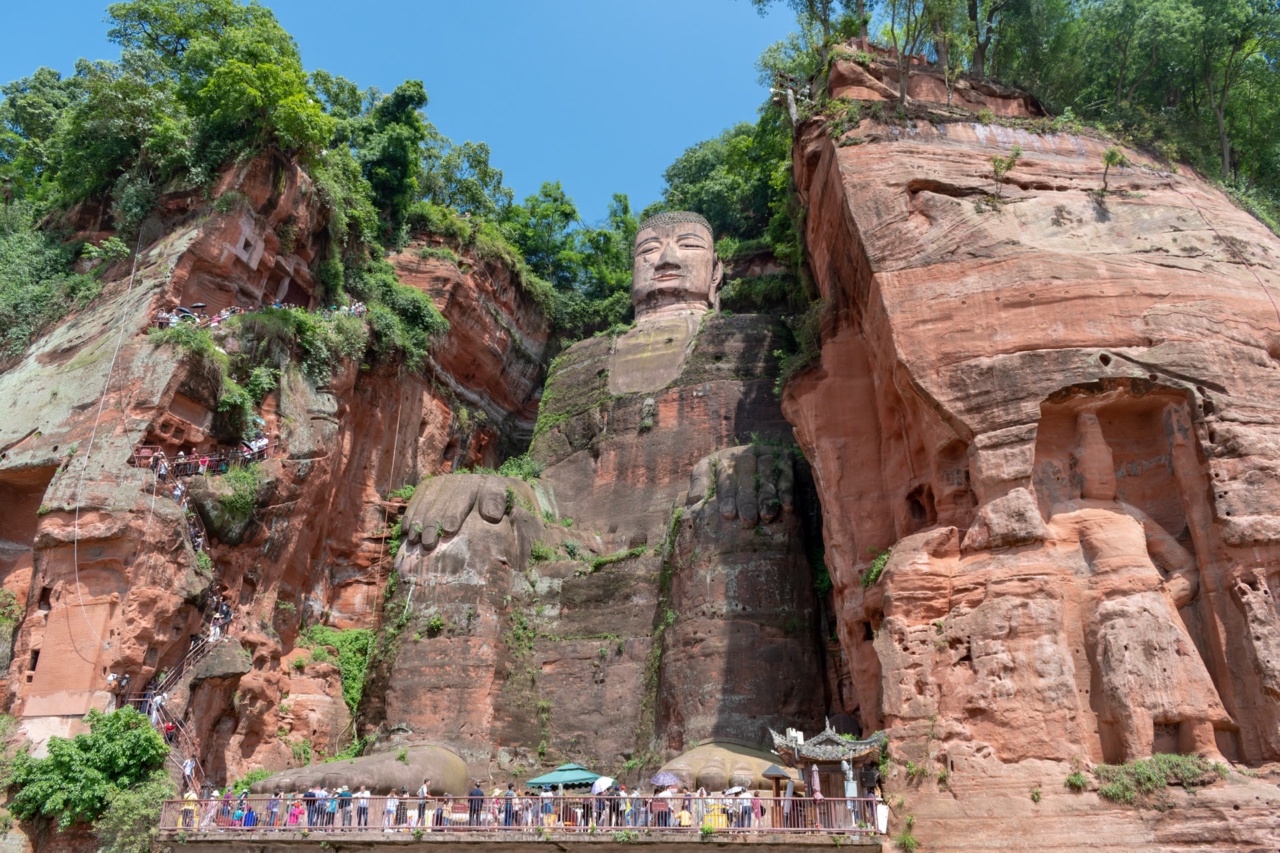
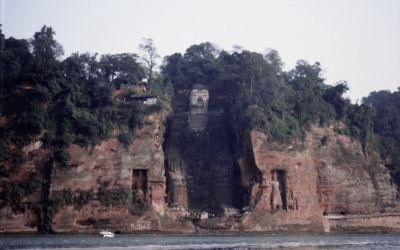
Located about 40 minutes to an hour away by high-speed train.[5] The 71-meter Buddha was carved into a cliffside in the 8th century.[6] You can view it by climbing the stairs (expect long lines) or taking a ferry for a panoramic view. It is absolutely worth the trip.
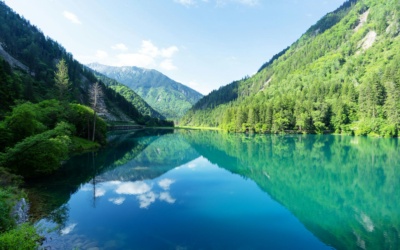
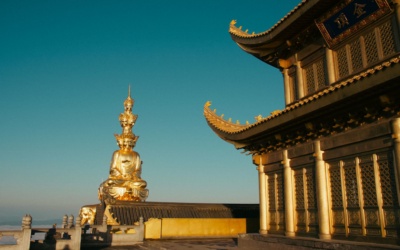
The birthplace of Taoism.[7] It is a lush, misty mountain with ancient temples tucked into the woods. It is a great escape from the city humidity. Choose the 'Front Mountain' for cultural sites or 'Back Mountain' for nature and hiking.
Dujiangyan Irrigation System
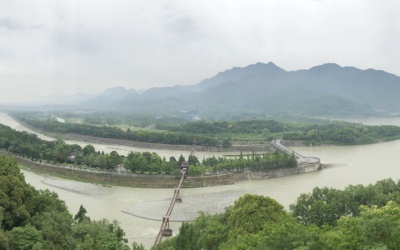
An ancient engineering marvel begun in the 3rd century BC that still controls the waters of the Minjiang River and feeds the farmland of the Chengdu plains today.[7] It is located near Mount Qingcheng and can be combined into a single day trip. It is fascinating for history buffs but might be underwhelming for those seeking 'sights' over 'stories.'
Sanxingdui Museum
Located in Guanghan, this museum houses artifacts from a lost Bronze Age civilization. The bronze masks found here look almost 'alien' and are unlike anything else in Chinese history. Highly recommended for history enthusiasts.
Sample 3-Day Itinerary
Day 1: Pandas and Ancient Culture
Morning: Arrive at the Giant Panda Breeding Research Base by 7:30 AM. Spend the morning watching the pandas eat breakfast. Afternoon: Head to Wenshu Monastery for a vegetarian lunch and a peaceful walk. Evening: Explore the Kuanzhai Alleys for dinner and watch a Sichuan Opera performance (famous for 'Face Changing') at the Shufeng Yayun Tea House.
Day 2: The Heart of the City
Morning: Visit People's Park. Sit at Heming Tea House, get your ears cleaned, and watch the locals. Afternoon: Walk through the Tibetan Quarter and visit the Wuhou Shrine. Evening: Go to the Taikoo Li area to see the contrast of the ancient Daci Temple surrounded by ultra-modern luxury shops. Have a high-end hotpot dinner.
Day 3: History or Nature
Full Day: Take the high-speed train to Leshan to see the Giant Buddha. Return to Chengdu in the late afternoon. Evening: Spend your final night in the Yulin neighborhood, hopping between small craft beer bars and eating spicy skewers (Chuan Chuan).
Frequently Asked Questions
Is Chengdu worth visiting?
Absolutely. Chengdu offers a unique blend of world-class wildlife experiences, a UNESCO-recognized food scene, and a relaxed pace of life that is rare in major Chinese cities. It is the best place to experience authentic Sichuan culture.
How many days do you need in Chengdu?
Three days is sufficient to see the pandas and the main city highlights. If you plan to take day trips to the Leshan Giant Buddha or Mount Qingcheng, allow for 4-5 days.
Is Chengdu safe for tourists?
Chengdu is extremely safe for international travelers, including solo women. Street crime is rare, though you should always be aware of your surroundings in crowded tourist markets and avoid unsolicited 'tea house' invitations from strangers.
What is the best time to visit Chengdu?
Spring (March to May) and Autumn (September to November) offer the most comfortable temperatures. Avoid the summer months if you dislike high humidity and the first week of October due to extreme domestic holiday crowds.
Can you see pandas year-round in Chengdu?
Yes, pandas are at the base year-round. However, they are most active in cooler weather. In the hot summer months, they spend more time in air-conditioned indoor enclosures, so early morning visits are crucial.
Is the food in Chengdu always spicy?
While Chengdu is famous for its spicy 'Ma La' flavor, many dishes are mild or sweet. You can always ask for 'bu la' (not spicy), though the local specialty is definitely the heat.
Do I need a visa to visit Chengdu?
Eligible travellers can use China’s 240-hour visa-free transit policy for a stay of up to 10 days within the permitted areas. This requires an ordinary passport from an eligible country, entry through a designated port, and an onward ticket with a confirmed seat and departure date to a third country or region. It is not a general visa exemption for every traveller or itinerary. Check the current nationality list, ports and permitted areas with the National Immigration Administration before booking. National Immigration Administration
Can I drink tap water in Chengdu?
No, tap water in Chengdu is not safe to drink. Stick to bottled water, which is very cheap and readily available, or use the boiled water provided in most hotel rooms.
Sources and background
Numbers in the text such as [1] refer to these sources.