Northwest of Chengdu, the Sichuan Basin gives way abruptly to a different world. Within a few hours of leaving the city, terraced valleys climb into pine forests, then into alpine grasslands and snow-capped ranges. This is the Aba Tibetan and Qiang Autonomous Prefecture, a vast highland region where stone watchtowers, prayer flag-draped passes, and whitewashed monasteries replace the teahouses and pandas most visitors associate with Sichuan.
Aba (also written Ngawa) is not a single attraction. It is a route concept, a way of organizing a multi-day journey through the homeland of two distinct peoples: the Tibetans, whose monasteries and grasslands dominate the higher, drier north and west, and the Qiang, one of China's oldest ethnic groups, whose stone-tower villages cling to steep river valleys closer to Chengdu. Travelers who only know the prefecture as the gateway to Jiuzhaigou and Huanglong often miss the cultural landscape that fills the long drives between those famous parks.
This guide is for independent travelers who want to understand what the region actually involves: the long mountain roads, the altitude, the permit checks that can change, and how to visit Tibetan and Qiang communities respectfully rather than treating villages as photo stops.
Where Aba Is and What It Covers
Aba Prefecture occupies the northwestern corner of Sichuan, bordering Gansu and Qinghai. It is enormous, roughly the size of a small country, and elevations range from around 1,300 meters in the deepest valleys to over 4,000 meters on the passes and plateau. Travel times are governed by terrain, not distance. A line on the map that looks short can mean half a day of switchbacks.
The region splits loosely into two cultural and geographic zones. The eastern and southern valleys, including areas around Wenchuan, Li County (Lixian), and Mao County (Maoxian), are the heartland of the Qiang people. Here you find ancient stone villages and defensive towers set into mountainsides above the Min River. The northern and western reaches, including the grasslands around Hongyuan, Aba town, Ruoergai (Zoige), and the monastery centers, are predominantly Tibetan and sit at much higher elevation.
Jiuzhaigou and Huanglong, the two World Heritage parks most foreign visitors come for, both lie within Aba Prefecture in its northern section. Understanding that the parks and the villages share the same road network is the key to planning a richer trip rather than a rushed park dash.
Things to Do
Who the Qiang and Tibetans Are
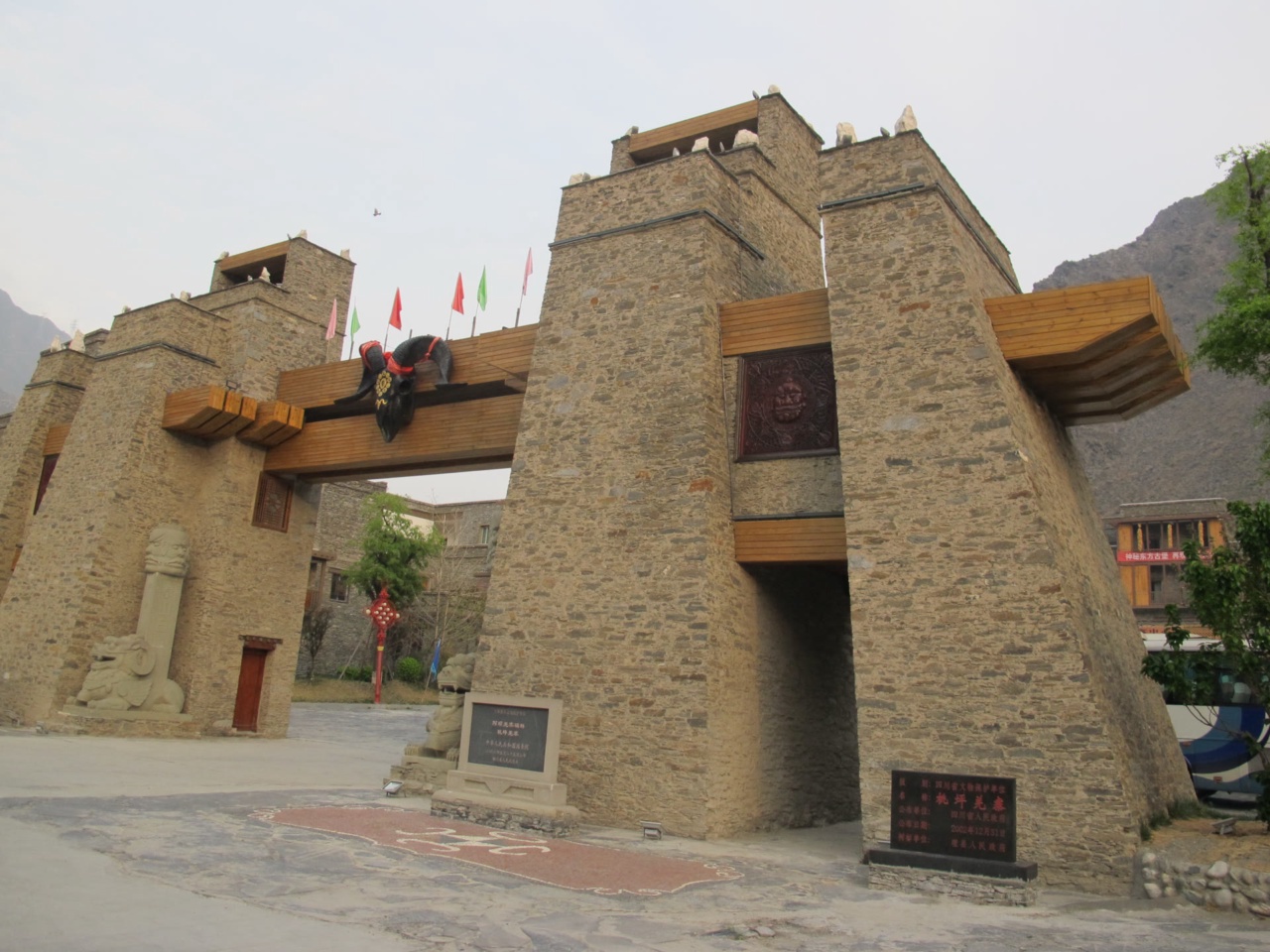
The Qiang are among the oldest continuously identified ethnic groups in China, with a history stretching back thousands of years. Their most striking cultural signature is architecture: tall stone watchtowers (diaolou) and tightly clustered stone-and-timber villages built for defense on steep slopes. Traditional Qiang religion blends ancestor worship, nature spirits, and a priest figure who recites oral epics. Embroidery, particularly cross-stitch on dark cloth, is a living craft you will see worn and sold.
The Tibetans of Aba belong to the Amdo and Gyalrong cultural spheres rather than the Lhasa-centered Central Tibetan world, though Tibetan Buddhism is the unifying thread. Monasteries are the social and spiritual anchors of communities. On the grasslands, herding families still move with yaks and sheep, and you will pass black yak-hair tents and prayer flag arrays strung across passes. The visual culture is rich: gilded monastery roofs, mani stone walls carved with mantras, and pilgrims turning prayer wheels.
The Main Village Areas Worth Visiting
Taoping and the Qiang Stone Villages
Taoping, in Li County, is the most accessible and famous Qiang village, often described as a living fortress. Stone houses are linked by a maze of passages and an underground water system, with watchtowers rising above. It is partly commercialized and can feel touristy, but it remains the easiest place to understand Qiang defensive architecture. Nearby valleys hold quieter, less restored villages if you have time to explore on foot.
Bipenggou and the Forested Valleys
Around Li County and Wolong, several forested valleys offer autumn color and Tibetan and Qiang settlements without the crowds of the headline parks. These make good intermediate stops that break up long drives and give a sense of the transition between valley and high country.
The Grasslands: Hongyuan and Ruoergai
Pushing north and west, the landscape opens into vast grasslands at roughly 3,300 to 3,500 meters. Hongyuan and Ruoergai (Zoige) are grassland counties where Tibetan herding culture dominates. Expect wide horizons, grazing yaks, monasteries, and a genuinely different rhythm of life. This is the most evocative Tibetan landscape in the prefecture, but also the highest and coldest.
Aba Town and Monastery Centers
Aba town itself sits deep in the prefecture and is surrounded by significant monasteries. This is true frontier travel, far from Chengdu and from the standard tourist circuit. Access and sensitivity here can be more variable, and it suits travelers with time, flexibility, and a willingness to verify conditions before committing.
How to Get There and Build a Route
Chengdu is the gateway. Almost every itinerary starts and ends there, and the city is well worth a few days for its own food, parks, and panda bases. From Chengdu, two broad approaches exist.
The first is the road route. A web of highways climbs northwest from Chengdu through Wenchuan and the Min River valley, branching toward Li County and the Qiang villages, then onward to the grasslands or toward Jiuzhaigou and Huanglong in the north. Roads have improved significantly, with tunnels and expressway sections shortening some former all-day journeys, but mountain weather, landslides, and seasonal closures can still cause delays. Always build buffer time.
The second is flying part of the way. The Jiuzhai Huanglong Airport (one of the highest commercial airports in the world) puts you near the northern parks quickly and at altitude immediately, which is a real consideration for acclimatization. Some travelers fly in for the parks and drive back through the cultural areas, or vice versa.
For independent travelers, your practical options on the ground are:
- Self-drive: Possible but demanding. China requires a temporary Chinese driving permit for foreign license holders, the mountain roads are challenging, and you must be confident with local driving norms. Many visitors find this more stress than it is worth.
- Hired car with driver: The most common independent approach. A local driver knows the roads, checkpoints, and weather patterns, and you keep flexibility over your stops. This is the recommended balance of independence and practicality.
- Public buses: Buses connect Chengdu's bus stations to county towns like Wenchuan, Li County, and onward. They are cheap and authentic but slow, infrequent to remote areas, and leave you dependent on local transport for the villages themselves.
- Organized tours: Multi-day group or private tours simplify permits, lodging, and logistics, especially for the grassland loop or combining villages with the parks.
You can continue researching wider Sichuan and China itineraries on GoAsia.cc as you piece together how the villages connect to the parks and to Chengdu.
Sample Route Ideas
These are framing concepts, not rigid schedules. Adjust to your time, the season, and your altitude comfort.
| Route | Focus | Suggested days | Max altitude feel |
|---|---|---|---|
| Qiang valley loop | Taoping and stone villages, Min River valley, return to Chengdu | 2 to 3 | Moderate |
| Villages plus parks | Qiang villages en route, then Jiuzhaigou and Huanglong | 5 to 7 | High at the parks |
| Grassland circuit | Hongyuan and Ruoergai grasslands, Tibetan monasteries, loop back | 5 to 8 | Very high, sustained |
| Deep Aba | Aba town, remote monasteries, grasslands, flexible return | 8 plus | Very high, sustained |
Altitude: The Factor People Underestimate
The single most common planning mistake is treating Aba like a normal road trip. Much of the prefecture sits above 3,000 meters, and the grasslands and many passes exceed 3,500 to 4,000 meters. The Jiuzhai Huanglong Airport and Huanglong itself are high enough that even fit travelers can feel altitude sickness, particularly if they fly straight in.
Practical guidance:
- Ascend gradually when you can. Driving up from Chengdu through the valleys gives your body more time to adjust than flying directly to high elevation.
- Watch for headache, nausea, dizziness, breathlessness, and disturbed sleep in the first day or two at elevation. Mild symptoms are common; worsening symptoms mean you should descend.
- Stay hydrated, avoid heavy alcohol on arrival, and do not overexert on your first high day.
- Huanglong in particular involves a long uphill walk at altitude. Pace yourself, and consider whether the available cable car suits you.
- If you have heart, lung, or other significant medical conditions, consult a doctor before planning a high-altitude itinerary, and consider discussing preventive medication.
Permits, Access, and Checkpoints
This is the area to research most carefully, because rules in Tibetan-populated parts of western Sichuan can change with little notice. Some points to understand before you go:
- Aba Prefecture is in Sichuan, not the Tibet Autonomous Region, so the formal Tibet travel permit that Lhasa requires does not apply here in the same way. However, that does not mean access is unrestricted.
- Certain monastery areas, border-adjacent zones, and specific towns can see temporary access controls, registration requirements, or closures. These can appear with little warning.
- Police and registration checkpoints exist on some routes. Carry your passport at all times, keep your accommodation registration in order, and cooperate calmly with any checks.
- Hotels must register foreign guests. In remote areas, not every guesthouse is licensed to accept foreigners, so confirm in advance to avoid being turned away late in the day.
Because the operational details genuinely shift, verify current access conditions before you travel: check with your accommodation, a reputable local operator, or recent traveler reports, and have a flexible backup plan if a particular area is closed when you arrive.
Visiting Villages Respectfully
These are working communities and active religious landscapes, not open-air museums. How you behave shapes both your experience and the welcome future travelers receive.
- Ask before photographing people. A smile and a gesture toward your camera is enough. Many people will agree; some will not. Respect a no. Be especially careful around monks, pilgrims, and inside religious spaces.
- Follow monastery etiquette. Walk clockwise around stupas, mani walls, and prayer wheels. Do not touch religious objects, point your feet at altars, or climb on sacred structures. Dress modestly with covered shoulders and legs.
- Remove shoes and ask before entering homes or prayer rooms when invited, and follow your host's lead.
- Do not give money or sweets to children as a casual gesture, as it encourages begging. If you want to support a community, buy local crafts or food, or pay fairly for guiding and homestays.
- Be sensitive about conversation. Politically charged topics are best avoided. Keep interactions warm, curious, and low-key.
- Buy local. Qiang embroidery, Tibetan textiles, and locally made goods put money directly into the community.
When to Go
Season dramatically changes what Aba offers and how hard it is to reach.
- Late spring to early summer: Grasslands turn green, wildflowers appear, and weather is generally pleasant though variable. A strong window for the high country.
- Summer: Peak greenery on the grasslands and a popular escape from Sichuan Basin heat. This is also the rainy season, so expect afternoon showers and a higher chance of landslides affecting roads. The parks are busy.
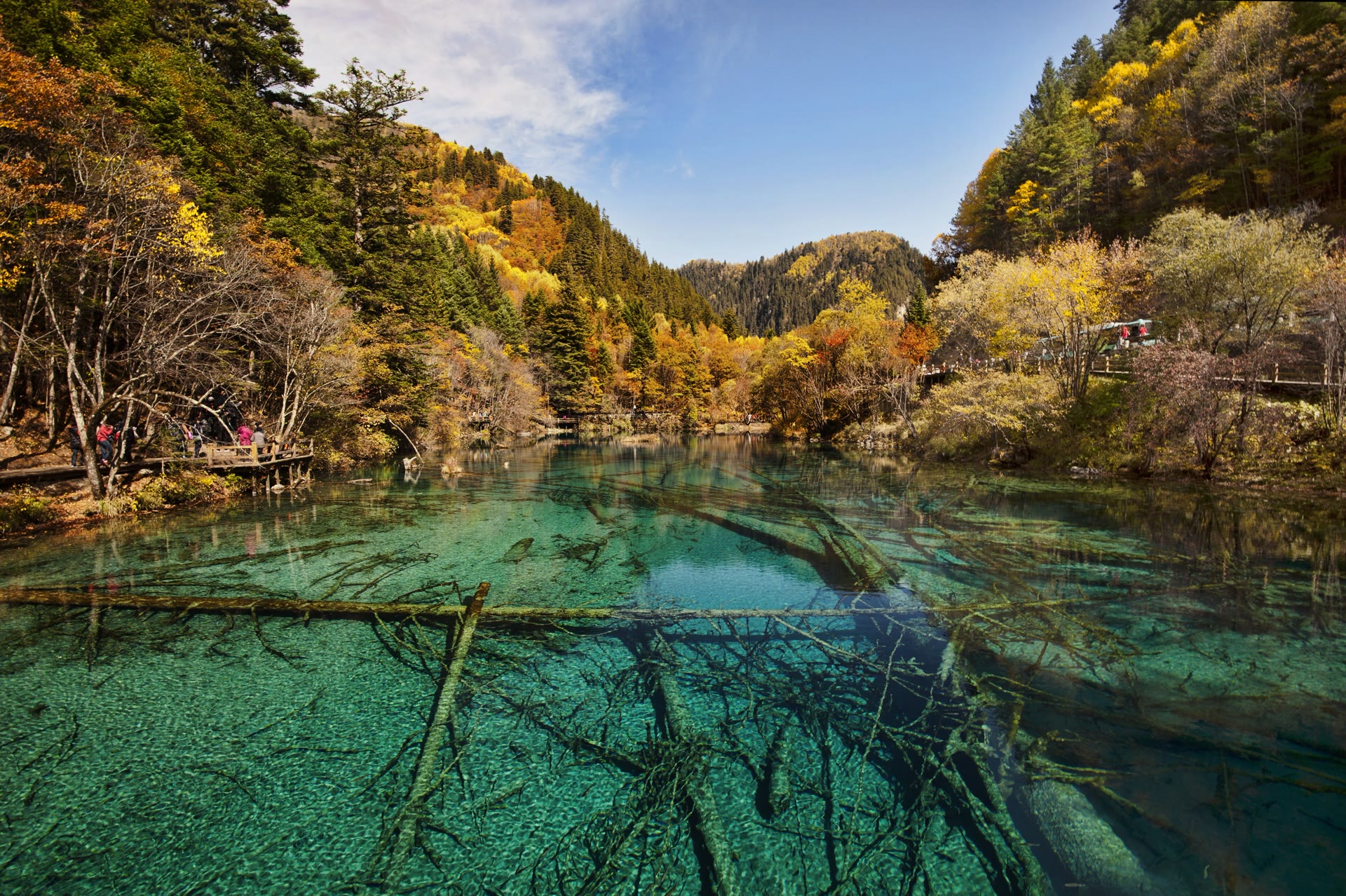
- Autumn: The signature season for Jiuzhaigou and Huanglong, when forests blaze with color and the parks draw their biggest crowds. Crisp, clear days are common but nights turn cold at altitude. Book park access and lodging well ahead.
- Winter: Cold, with snow on passes and possible road closures. Some areas and facilities scale back or close. The grasslands are bleak and freezing, but the landscape can be hauntingly beautiful for hardy, flexible travelers. Verify what is actually open.
Combining With Jiuzhaigou and Huanglong
For most international visitors, the practical magic of Aba is that the famous parks and the cultural villages lie along the same northern corridor. A well-built trip threads them together rather than treating them as separate trips.
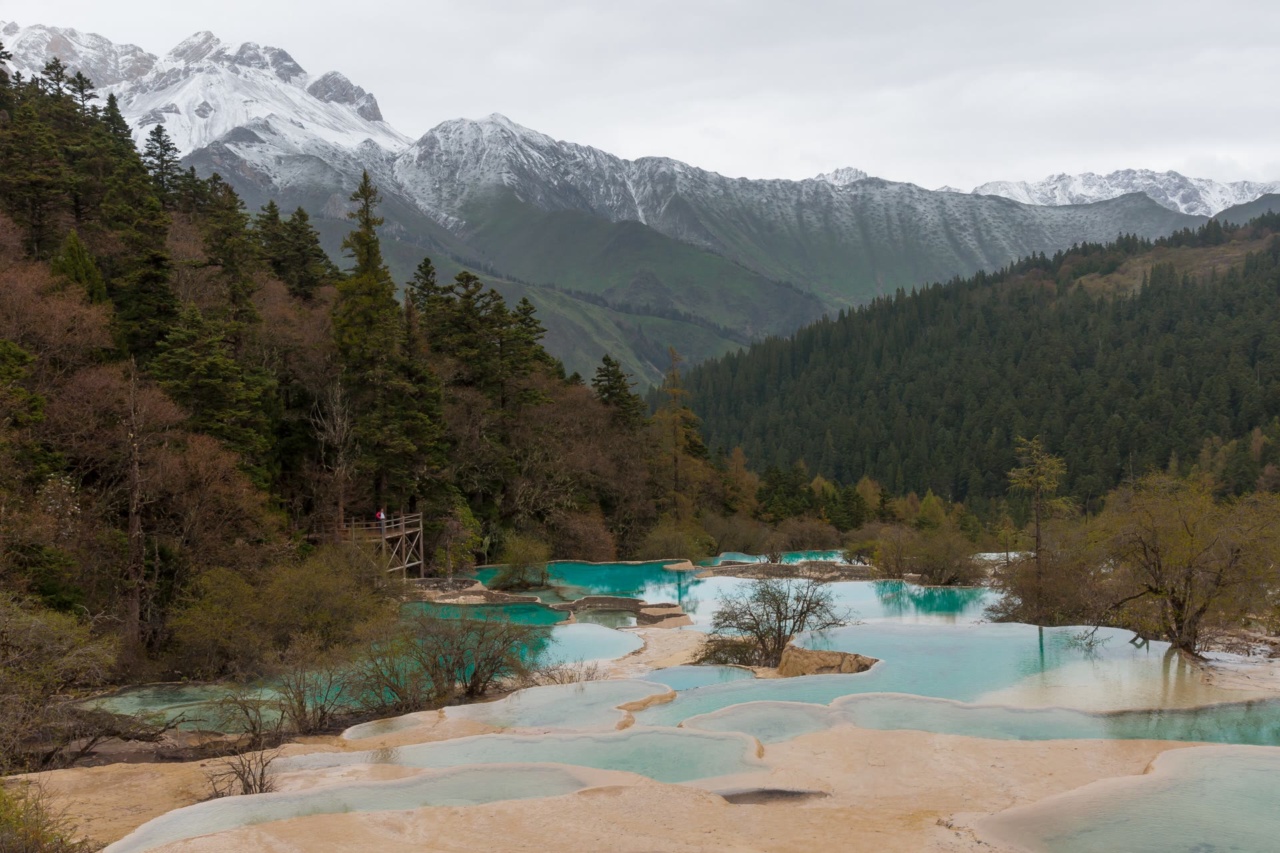
Jiuzhaigou is a valley of layered turquoise lakes, waterfalls, and travertine pools framed by forested mountains, with Tibetan villages within and around the park. Huanglong, a shorter drive away, is famous for its cascading travertine terraces in vivid blues and greens, reached by an uphill walk at high altitude.
A common pattern is to drive up from Chengdu over one to two days, stopping at Qiang villages such as Taoping and breaking the journey to ease altitude gain, then spend full days at Jiuzhaigou and Huanglong, and optionally extend onto the grasslands before returning. Note that both parks operate timed entry, internal shuttle systems, and capacity limits that can sell out in peak season, so reserve park access ahead and confirm current rules before you arrive.
Food and Accommodation
Cuisine shifts as you climb. In Qiang valleys you find Sichuan flavors meeting highland staples. On the Tibetan plateau, expect yak meat, butter tea, tsampa (roasted barley flour), yogurt, and hearty noodle dishes built for cold, high living. Vegetarians can manage but should be flexible and carry some snacks for long road days.
Accommodation ranges from comfortable hotels in larger towns and near the parks to simple guesthouses and family homestays in villages. Standards and heating drop as you go remote and high. In peak autumn, lodging near Jiuzhaigou books out far ahead and prices spike. Always confirm a remote guesthouse can register foreign guests before relying on it.
Practical Tips for the Aba Road Journey
- Treat distances as time, not kilometers. Mountain roads, weather, and checkpoints mean drives take longer than maps suggest. Do not over-schedule.
- Build buffer days. Landslides, snow, and closures happen. A spare day prevents a missed flight from a single road problem.
- Carry cash. Mobile payment dominates Chinese cities, but in remote villages cash and a working local payment setup both help. Have backups.
- Bring layers and sun protection. High-altitude sun is intense even when the air is cold. Sunscreen, sunglasses, a hat, and warm layers are essential, including in summer.
- Download offline maps and translation tools. Signal is patchy in valleys and on the plateau, and English is rare outside larger hotels.
- Verify park reservations and access rules in advance. Timed entry, capacity caps, and area closures change, so confirm close to your travel dates.
- Acclimatize deliberately. Plan your route so you gain altitude gradually rather than spiking on day one.
- Respect that conditions evolve. Permit and access rules in Tibetan areas are not fixed. Stay flexible and have alternatives.
Realistic Downsides
Aba is rewarding but not effortless. The long drives are genuinely long, and motion sickness on switchbacks is common. Altitude affects many travelers. Language barriers are real once you leave hotels and tour contexts. The most accessible villages are partly commercialized, while the most atmospheric ones require time and flexibility to reach. Weather and road conditions can derail plans, and access rules can shift without much warning. None of this should deter a prepared traveler, but going in with realistic expectations makes the highland culture and scenery far more enjoyable.
For travelers willing to trade convenience for depth, the villages and grasslands of Aba offer one of the most rewarding cultural landscapes accessible from Chengdu: a chance to see Tibetan and Qiang life in their own high country, woven into a journey that can also take in two of China's most celebrated natural parks.
Frequently Asked Questions
A focused Qiang village loop from Chengdu takes two to three days, while combining villages with Jiuzhaigou and Huanglong needs five to seven. A grassland circuit through Hongyuan and Ruoergai is best with five to eight days. Always add a buffer day for weather and road delays in the mountains.
Aba is in Sichuan, not the Tibet Autonomous Region, so the formal Tibet travel permit required for Lhasa does not apply here. However, some monastery zones and towns can see temporary access controls or closures, and checkpoints exist on some routes. Carry your passport at all times and verify current access conditions before you travel.
Most independent travelers hire a car with a local driver, which balances flexibility with the practicality of navigating tough mountain roads and checkpoints. Public buses connect Chengdu to county towns but are slow and infrequent to remote villages. You can also fly to Jiuzhai Huanglong Airport for the northern parks, though that means arriving at high altitude immediately.
It is a real concern. Much of the region sits above 3,000 meters, and grasslands and passes exceed 3,500 to 4,000 meters. Driving up gradually from Chengdu helps your body adjust, while flying straight to high elevation raises the risk of altitude sickness. Watch for headaches, nausea, and breathlessness, stay hydrated, and descend if symptoms worsen.
Autumn brings the famous fall colors at Jiuzhaigou and Huanglong but also the biggest crowds and cold nights. Late spring and summer are best for the green grasslands, though summer rains can trigger landslides. Winter is cold with possible road closures, so confirm what is open before planning a cold-season trip.
Always ask before photographing people, and respect a refusal, especially around monks and pilgrims. Inside monasteries, follow etiquette: walk clockwise around sacred structures, dress modestly, and avoid touching religious objects or photographing where it is not permitted. These are living communities and active religious sites, not exhibits.
Yes, and that is one of the best reasons to visit. The famous parks and many cultural villages share the same northern road corridor, so you can stop at Qiang villages on the drive up before reaching the parks. Both parks use timed entry and capacity limits that sell out in peak season, so reserve access and confirm current rules ahead of time.