
Chengdu Panda Base: tickets, entry slots and getting there
Contents
- 1. Choose the right panda visit
- 2. Reserve tickets and prepare documents
- 3. Entry slots and opening hours
- 4. Choose the South or West Gate
- 5. Plan your route inside the park
- 6. Animal welfare and viewing expectations
- 7. Families and mobility needs
- 8. Bamboo Tower and your wider Chengdu plan
- 9. Sources and background
- 10. Frequently Asked Questions
Choose the right panda visit
Choose the Chengdu Research Base of Giant Panda Breeding for managed animal viewing and conservation education, rather than a wild-panda excursion. Book the correct date and entry slot first, then match your transport to the gate you will use. Do not confuse this Chengdu site with Panda Valley in Dujiangyan: the operator states that Chengdu tickets do not include Panda Valley.[1]
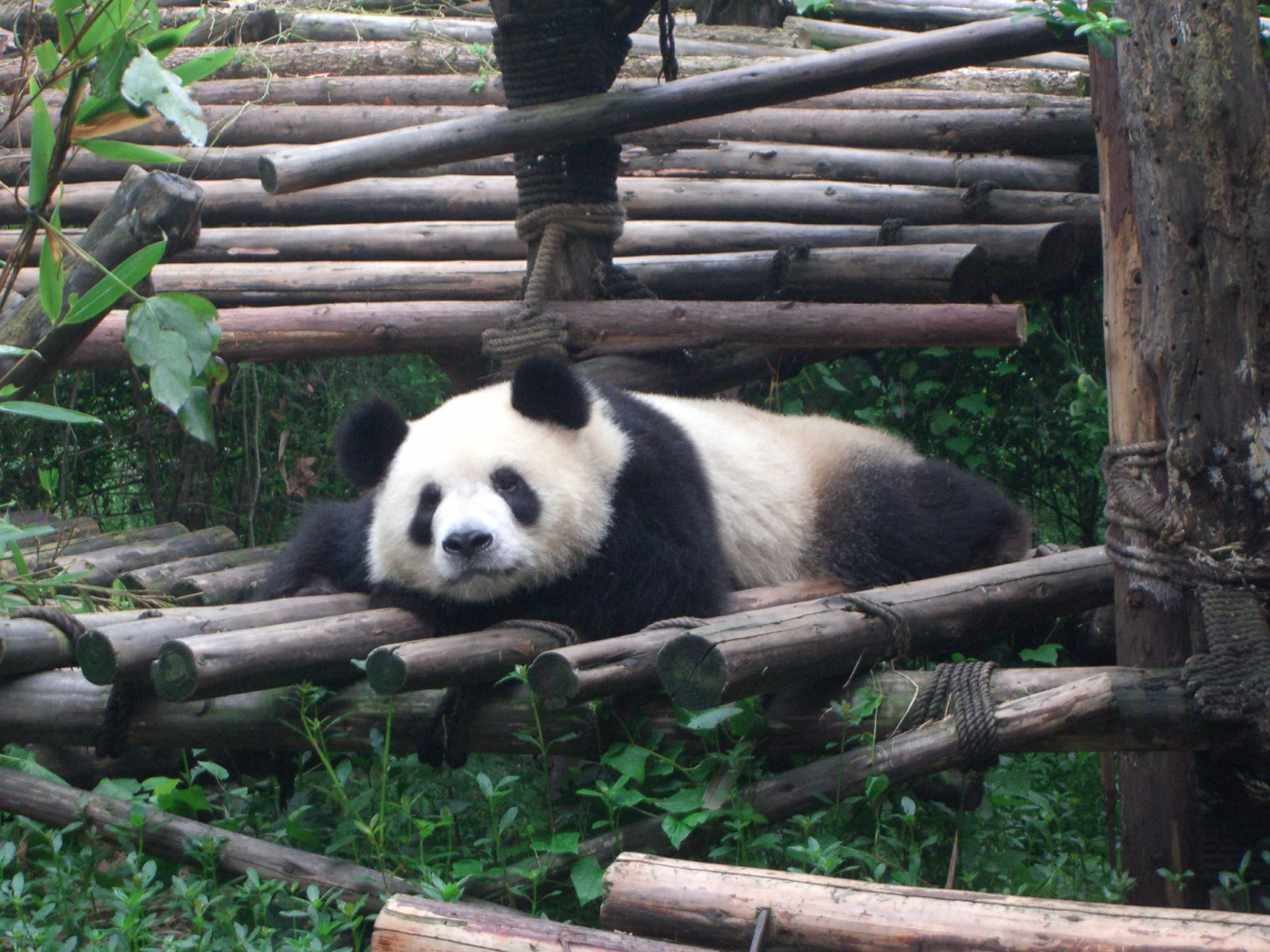
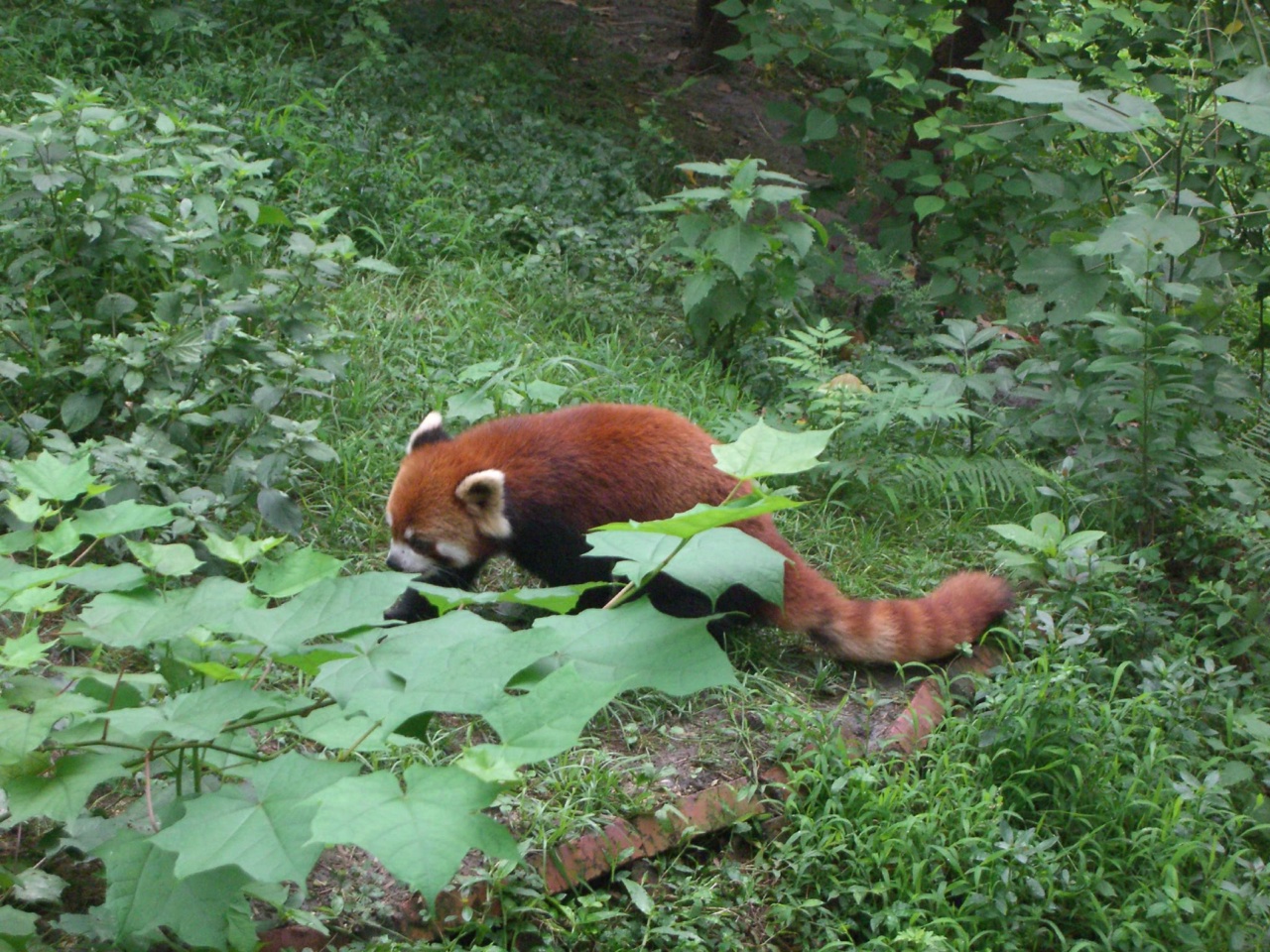
Established in 1987, the base works on giant panda conservation, breeding, research and public education.[2][3] The operator also describes red panda work, nursery areas and educational displays.[3] These are animals in a managed research setting, not a promise of unrestricted wildlife access. Population figures do not say how many animals will be visible to you, and the presence of a nursery does not guarantee baby-panda viewing.
Things to Do
Offers are only loaded from GetYourGuide after you click. GetYourGuide can then process your IP address and set cookies. Privacy Policy
GetYourGuide partner offers. GoAsia may earn a commission if you book through these offers. Check whether tickets or transfers are included, and follow the attraction's official booking and admission rules.
Reserve tickets and prepare documents
The operator requires advance online real-name reservations, not merely booking on busy days. Book up to 14 days ahead through the official WeChat account or mini program, or a platform named by the operator. Select the actual morning or afternoon slot and bring the original matching ID, such as your passport. The page also describes manual checks for an ID photograph, but do not rely on travelling without the original before confirming your case. On-site purchase is an exception for inability to pay online and remains subject to availability, not a guaranteed walk-in alternative. Avoid unofficial paid fast-track entry.[1]
The listed adult ticket is CNY 55 per person for ages over 18 through 59; the listed student ticket is CNY 27 with programme and document requirements. Seniors aged 60 and above qualify for free admission without reservation, with ID verification. Qualifying young children also have a reservation exemption, but the page introduction says under six while its price table includes age six. Confirm the rule for a child exactly six before relying on it; height and documents also matter. Other free categories can still require reservation and specific certificates. The standard ticket allows one entry on its booked date and slot.[1] Confirm eligibility before choosing a discount, and treat park transport as a separate expense.
Entry slots and opening hours
For March through October, the published morning entry slot is 7:30 to 12:00 and afternoon entry is 12:00 to 17:00; park clearance starts at 18:00. For November through February, morning entry is 8:00 to 12:00 and afternoon entry is 12:00 to 16:30; clearance starts at 17:30.[4] Last entry is not the time you may remain indefinitely. An afternoon ticket does not grant morning access. Check current notices for your date rather than assuming every enclosure follows the whole-park hours.
Choose the South or West Gate
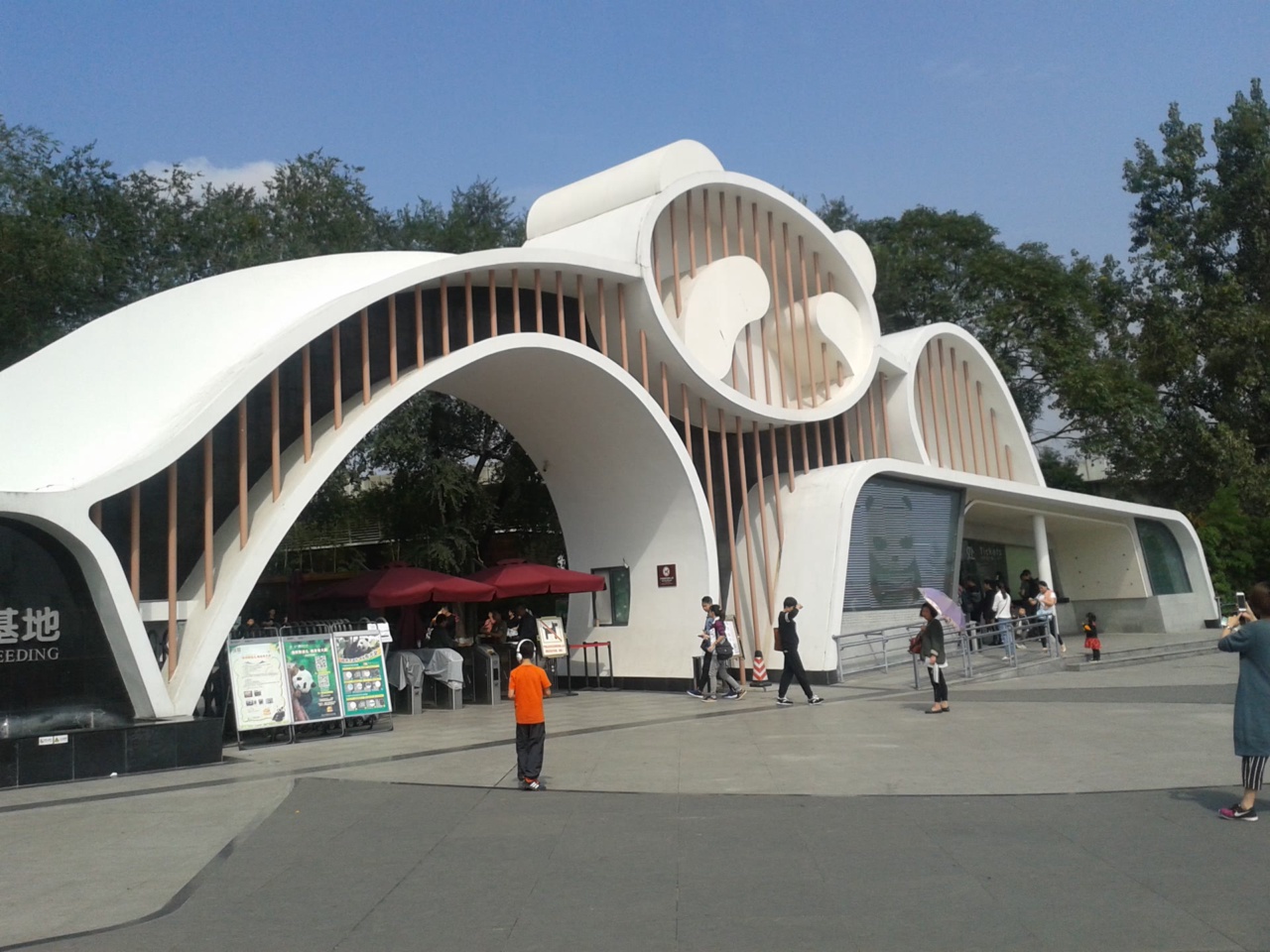
For the South Gate, the operator lists Metro Line 3 to Panda Avenue Station, Exit A, then shuttle bus 408; another listed option is Line 3 to Zoo Station and bus 655 or 87. For the West Gate, use Line 3 to Junqu General Hospital Station, Exit B, then shuttle bus 409. The operator also lists buses 110, 110A or 659 followed by a walk from Yulei Road Cuiwei Intersection.[5] Verify the actual service and first departure against your booked slot. For a taxi, ride-hail or scenic shuttle, specify the correct gate and check pickup, return, price basis and whether admission is included. Do not assume the nearest metro station is the entrance or that one option is always cheapest.
Plan your route inside the park
Use the official park map and mini program to choose a route from your entrance, then check open areas with staff.[6] Focus on the animal areas and educational exhibits that matter to you instead of promising to cover the whole site in a fixed two-hour circuit. Leave room for walking, queues, rest and the trip back to your chosen exit. Early arrival can give you more planning time within a morning slot, but it does not guarantee feeding, playful animals or empty viewing points.
The internal sightseeing bus is separate from the city buses and the admission ticket. The published full fare is CNY 30 per person, valid for the holder on the visit day and usable from any stop. Child eligibility has age, height and lap-seat conditions; check before purchase. At either gate terminal you must queue again and have the ticket checked to ride again. From March to October, ticket sales run 7:30 to 17:30 and service ends at 18:00; from November to February, sales run 8:00 to 17:00 and service ends at 17:30.[7] Allow for waiting and confirm the stops you need. A bus is not a guarantee of step-free access to every enclosure.
Animal welfare and viewing expectations
The operator may close areas or keep animals out of view for weather, conservation, maintenance or management reasons. Giant Panda Villa No. 6 closes on Mondays under a rotational rest system, except national statutory holidays; the Panda Art Museum also closes on Mondays except those holidays.[8] Do not base your visit on a fixed feeding timetable, guaranteed cubs or a predictable afternoon activity window. Sleeping animals are not a reason to make noise or seek contact. No flash, feeding, throwing objects, barrier climbing or drones; livestreaming and commercial photography require the base’s permission. In walk-through red panda areas, keep at least three metres away, as instructed by the operator.[8]
Families and mobility needs
The South and West Gate tourist centres advertise free luggage storage and loan facilities including strollers, wheelchairs, umbrellas and walking sticks.[8] Ask about availability, borrowing procedures and the route that suits your needs; a loan wheelchair does not establish that all paths are accessible. Nursing rooms and visitor clinics are also listed.[8] Take breaks, prepare for the actual weather and supervise children around animals and barriers. Budget for admission and any optional bus separately rather than assuming a family visit includes transport.
Bamboo Tower and your wider Chengdu plan
Bamboo Tower has separate rules: published hours are 9:00 to 17:00, last entry 16:30.[4] On-site flow control can cause a wait, and weather or maintenance can close the tower or elevator. Follow the operator’s health and accompaniment restrictions.[4] A base ticket does not guarantee immediate tower access.
Make the base a distinct part of the day, with travel and rest time included. Add a Chengdu city walk or meal only after checking your booked slot, exit and return transport. The useful comparison is not a promised best season or perfectly timed animal display: it is whether your reservation, gate, open route and mobility plan fit together. Review the linked official rules again shortly before travel.
Sources and background
Numbers in the text such as [1] refer to these sources.
- [1] Chengdu Research Base of Giant Panda Breeding: Official ticket prices, real-name reservations, eligibility and documents. Retrieved October 15, 2026.
- [2] Chengdu Research Base of Giant Panda Breeding: Official foundation date and research institution. Retrieved October 15, 2026.
- [3] Chengdu Research Base of Giant Panda Breeding: Research, conservation, educational exhibits and distinct Panda Valley location. Retrieved October 15, 2026.
- [4] Chengdu Research Base of Giant Panda Breeding: Seasonal entry slots, clearance and separate Bamboo Tower rules. Retrieved October 15, 2026.
- [5] Chengdu Research Base of Giant Panda Breeding: Gate-specific Metro Line 3 and connecting bus routes. Retrieved October 15, 2026.
- [6] Chengdu Research Base of Giant Panda Breeding: Official park map and visitor route mini program. Retrieved October 15, 2026.
- [7] Chengdu Research Base of Giant Panda Breeding: Internal sightseeing bus prices, service times and terminal re-queueing. Retrieved October 15, 2026.
- [8] Chengdu Research Base of Giant Panda Breeding: Rotational closures, animal welfare, visitor rules and family facilities. Retrieved October 15, 2026.
Frequently Asked Questions
For March through October, the published morning entry slot is 7:30 to 12:00 and afternoon entry is 12:00 to 17:00; park clearance starts at 18:00. For November through February, morning entry is 8:00 to 12:00 and afternoon entry is 12:00 to 16:30; clearance starts at 17:30. Last entry is not the time you may remain indefinitely. An afternoon ticket does not grant morning access. Check current notices for your date rather than assuming every enclosure follows the whole-park hours. Use the official park map and mini program to choose a route from your entrance, then check open areas with staff. Focus on the animal areas and educational exhibits that matter to you instead of promising to cover the whole site in a fixed two-hour circuit. Leave room for walking, queues, rest and the trip back to your chosen exit. Early arrival can give you more planning time within a morning slot, but it does not guarantee feeding, playful animals or empty viewing points.
The operator requires advance online real-name reservations, not merely booking on busy days. Book up to 14 days ahead through the official WeChat account or mini program, or a platform named by the operator. Select the actual morning or afternoon slot and bring the original matching ID, such as your passport. The page also describes manual checks for an ID photograph, but do not rely on travelling without the original before confirming your case. On-site purchase is an exception for inability to pay online and remains subject to availability, not a guaranteed walk-in alternative. Avoid unofficial paid fast-track entry. The listed adult ticket is CNY 55 per person for ages over 18 through 59; the listed student ticket is CNY 27 with programme and document requirements. Seniors aged 60 and above qualify for free admission without reservation, with ID verification. Qualifying young children also have a reservation exemption, but the page introduction says under six while its price table includes age six. Confirm the rule for a child exactly six before relying on it; height and documents also matter. Other free categories can still require reservation and specific certificates. The standard ticket allows one entry on its booked date and slot. Confirm eligibility before choosing a discount, and treat park transport as a separate expense.
For the South Gate, the operator lists Metro Line 3 to Panda Avenue Station, Exit A, then shuttle bus 408; another listed option is Line 3 to Zoo Station and bus 655 or 87. For the West Gate, use Line 3 to Junqu General Hospital Station, Exit B, then shuttle bus 409. The operator also lists buses 110, 110A or 659 followed by a walk from Yulei Road Cuiwei Intersection. Verify the actual service and first departure against your booked slot. For a taxi, ride-hail or scenic shuttle, specify the correct gate and check pickup, return, price basis and whether admission is included. Do not assume the nearest metro station is the entrance or that one option is always cheapest.
Use the official park map and mini program to choose a route from your entrance, then check open areas with staff. Focus on the animal areas and educational exhibits that matter to you instead of promising to cover the whole site in a fixed two-hour circuit. Leave room for walking, queues, rest and the trip back to your chosen exit. Early arrival can give you more planning time within a morning slot, but it does not guarantee feeding, playful animals or empty viewing points. The internal sightseeing bus is separate from the city buses and the admission ticket. The published full fare is CNY 30 per person, valid for the holder on the visit day and usable from any stop. Child eligibility has age, height and lap-seat conditions; check before purchase. At either gate terminal you must queue again and have the ticket checked to ride again. From March to October, ticket sales run 7:30 to 17:30 and service ends at 18:00; from November to February, sales run 8:00 to 17:00 and service ends at 17:30. Allow for waiting and confirm the stops you need. A bus is not a guarantee of step-free access to every enclosure.
Established in 1987, the base works on giant panda conservation, breeding, research and public education. The operator also describes red panda work, nursery areas and educational displays. These are animals in a managed research setting, not a promise of unrestricted wildlife access. Population figures do not say how many animals will be visible to you, and the presence of a nursery does not guarantee baby-panda viewing. The operator may close areas or keep animals out of view for weather, conservation, maintenance or management reasons. Giant Panda Villa No. 6 closes on Mondays under a rotational rest system, except national statutory holidays; the Panda Art Museum also closes on Mondays except those holidays. Do not base your visit on a fixed feeding timetable, guaranteed cubs or a predictable afternoon activity window. Sleeping animals are not a reason to make noise or seek contact. No flash, feeding, throwing objects, barrier climbing or drones; livestreaming and commercial photography require the base’s permission. In walk-through red panda areas, keep at least three metres away, as instructed by the operator.
The South and West Gate tourist centres advertise free luggage storage and loan facilities including strollers, wheelchairs, umbrellas and walking sticks. Ask about availability, borrowing procedures and the route that suits your needs; a loan wheelchair does not establish that all paths are accessible. Nursing rooms and visitor clinics are also listed. Take breaks, prepare for the actual weather and supervise children around animals and barriers. Budget for admission and any optional bus separately rather than assuming a family visit includes transport.
The operator may close areas or keep animals out of view for weather, conservation, maintenance or management reasons. Giant Panda Villa No. 6 closes on Mondays under a rotational rest system, except national statutory holidays; the Panda Art Museum also closes on Mondays except those holidays. Do not base your visit on a fixed feeding timetable, guaranteed cubs or a predictable afternoon activity window. Sleeping animals are not a reason to make noise or seek contact. No flash, feeding, throwing objects, barrier climbing or drones; livestreaming and commercial photography require the base’s permission. In walk-through red panda areas, keep at least three metres away, as instructed by the operator.