
Chengdu
चेंगदू चीन में धीमी जीवनशैली, प्राचीन चायघरों, तकनीकी केंद्र और विश्वप्रसिद्ध पांडा संरक्षण का शहर है।
अंतिम अपडेट: 15 अक्तूबर 2026
विषय-सूची
- 1. क्षेत्र और पड़ोस
- 2. जाने का सबसे अच्छा समय
- 3. वहां पहुंचना और घूमना
- 4. मुख्य स्थल और अनुभव
- 4.1 जायंट पांडा ब्रीडिंग रिसर्च बेस
- 4.2 पीपल्स पार्क, रेनमिन पार्क
- 4.3 वेनशू मठ
- 4.4 जिनली पुरानी गली और कुआनझाई गलियां
- 4.5 जिसे अधिक महत्व न दें: रात का आंशुन पुल
- 5. खाना और पेय
- 6. कहां ठहरें
- 7. व्यावहारिक सुझाव
- 8. दिन की यात्राएं
- 8.1 लेशान जायंट बुद्ध
- 8.2 माउंट छिंगछेंग
- 8.3 दुजियांग्येन सिंचाई प्रणाली
- 8.4 सांशिंगदुई संग्रहालय
- 9. 3-दिन का उदाहरण कार्यक्रम
- 9.1 दिन 1: पांडा और प्राचीन संस्कृति
- 9.2 दिन 2: शहर का हृदय
- 9.3 दिन 3: इतिहास या प्रकृति
- 10. बजट का अनुमान
- 11. अक्सर पूछे जाने वाले प्रश्न
चेंगदू आधुनिक चीन की तेज गति वाली सामान्य कहानी को चुनौती देता है। 20 मिलियन से अधिक लोगों का महानगरीय केंद्र होने के बावजूद इसकी पहचान बाशु नाम की आरामदेह जीवनशैली से है, जिसमें चायघरों में लंबी दोपहरें और साथ बैठकर हॉटपॉट खाना शामिल है। हवा में सिचुआन पेपर की सुगंध और लाल बेसिन की नम धुंध शहर को हमेशा हल्का, मुलायम वातावरण देती है।
यात्रियों के लिए चेंगदू तिब्बती पठार और जायंट पांडा का प्रवेशद्वार है, लेकिन असली आकर्षण इसकी इंद्रियपूर्ण तीव्रता है। प्रसिद्ध भोजन की सुन्न कर देने वाली गर्मी से लेकर पीपल्स पार्क में बांस की कान साफ करने वाली छड़ियों की लयबद्ध आवाज तक, चेंगदू धीमे चलने वालों को पुरस्कृत करता है। यहां काम से अधिक अवकाश को महत्व दिया जाता है, इसलिए यह देश का सबसे रहने योग्य और सहज बड़े शहरों में से एक लगता है।
शहर तियानफू स्क्वायर के चारों ओर बनी रिंग सड़कों में व्यवस्थित है और ऐतिहासिक तथा सांस्कृतिक केंद्र पहली और दूसरी रिंग के भीतर है। ग्रिड व्यवस्था से घूमना सरल है, पर असली जादू कांच की ऊंची इमारतों के बीच छिपे लिनपान यानी छोटे हरे क्षेत्र और पारंपरिक गलियों में मिलता है।
क्षेत्र और पड़ोस
चेंगदू लगभग गोलाकार है और तियानफू स्क्वायर इसके केंद्र में है। ठहरने की जगह चुनने के लिए जिलों को समझना उपयोगी है। पश्चिम का छिंगयांग सांस्कृतिक आत्मा है, जिंजियांग पूर्व का वाणिज्यिक केंद्र, दक्षिण का वुहौ बौद्धिक और तिब्बती इलाका, जबकि उत्तर पूर्व का छेंगहुआ पुराना औद्योगिक क्षेत्र से कला जिला बना है।
- छुन्शी रोड और ताइगू ली, जिंजियांग: शहर का अति-आधुनिक केंद्र। महंगे होटल, अंतरराष्ट्रीय ब्रांड और लक्जरी भोजन के करीब रहना हो तो चुनें। पहली यात्रा के लिए सुविधाजनक लेकिन भीड़भाड़ वाला।
- यूलिन, वुहौ: छोटे बार, स्वतंत्र कैफे और पुराने चेंगदू माहौल वाला बोहेमियन पड़ोस। स्थानीय आवासीय जीवन और अच्छा स्ट्रीट फूड चाहने वालों के लिए।
- कुआनझाई गली क्षेत्र, छिंगयांग: गलियां खुद पर्यटक-केंद्रित हैं, लेकिन आसपास का इलाका सुंदर और पैदल घूमने योग्य है तथा बुटीक गेस्टहाउस और पारंपरिक वास्तुकला से भरा है।
- तिब्बती क्वार्टर, छोटा ल्हासा: वुहौ मंदिर के पास याक बटर, फ़िरोज़ा आभूषण और असली तिब्बती चाय की दुकानें हैं। बजट यात्रियों और चीन की विविधता का दूसरा पक्ष देखने वालों के लिए अच्छा है।
करने योग्य चीज़ें
ऑफ़र आपके क्लिक करने के बाद ही GetYourGuide से लोड होते हैं। इसके बाद GetYourGuide आपके IP पते को प्रोसेस कर सकता है और कुकीज़ सेट कर सकता है। गोपनीयता नीति
GetYourGuide के साझेदार ऑफ़र। इन ऑफ़र से बुकिंग करने पर GoAsia को कमीशन मिल सकता है। जांचें कि प्रवेश टिकट या परिवहन सेवा शामिल है या नहीं और पर्यटन स्थल के आधिकारिक बुकिंग तथा प्रवेश नियमों का पालन करें।
जाने का सबसे अच्छा समय
चेंगदू के बादलों से घिरे धूसर आकाश की प्रसिद्धि है। शहर बेसिन में है, इसलिए नमी और धुंध फंसती है और धूप वाले दिन खास लगते हैं। जलवायु नम उपोष्णकटिबंधीय है और चार ऋतुएं स्पष्ट हैं।
| समय | मौसम | भीड़ | कीमत |
|---|---|---|---|
| मार्च से मई | हल्का और सुहावना | मध्यम | औसत |
| जून से अगस्त | गर्म, नम और बरसाती | अधिक, स्कूल छुट्टियां | अधिक |
| सितंबर से नवंबर | ठंडा और साफ | मध्यम | औसत |
| दिसंबर से फरवरी | ठंडा, नम और धूसर | कम | कम |
मार्च से मई सबसे अच्छा समय है। आड़ू के फूल और सरसों के खेत खिलते हैं तथा पैदल चलने के लिए तापमान सही रहता है। सितंबर से नवंबर भी अच्छा है, खासकर पास के पहाड़ों में शरद रंग देखने वालों के लिए। अक्टूबर की पहली सप्ताह वाली गोल्डन वीक से पूरी तरह बचें, क्योंकि पांडा बेस और शहर का केंद्र घरेलू भीड़ से लगभग अवरुद्ध हो जाते हैं।
वहां पहुंचना और घूमना
चेंगदू के दो प्रमुख हवाई अड्डे हैं। शुआंगलियू अंतरराष्ट्रीय हवाई अड्डा केंद्र के पास है और नए विशाल तियानफू अंतरराष्ट्रीय हवाई अड्डे से अधिकतर अंतरराष्ट्रीय उड़ानें चलती हैं। तियानफू से मेट्रो लाइन 18 लगभग 50 मिनट में करीब 1.50 USD में शहर पहुंचाती है। TFU से टैक्सी को एक घंटे से अधिक और करीब 25 से 35 USD लग सकते हैं।
चेंगदू मेट्रो बहुत साफ, सस्ती और अंग्रेजी संकेतों के कारण आसान है। किराया 0.30 USD से शुरू होता है। भुगतान के लिए Alipay या WeChat Pay डाउनलोड कर अंतरराष्ट्रीय कार्ड जोड़ें, क्योंकि चीन में यही सामान्य तरीका है। Alipay में उपलब्ध DiDi से राइड-हेलिंग सस्ती है और शहर पार की अधिकांश सवारी 3 से 8 USD की होती है। शहर के कुछ हिस्से पैदल चलने योग्य हैं, लेकिन आकार बड़ा होने के कारण जिलों के बीच मेट्रो या DiDi लेना पड़ेगा।
मुख्य स्थल और अनुभव
जायंट पांडा ब्रीडिंग रिसर्च बेस
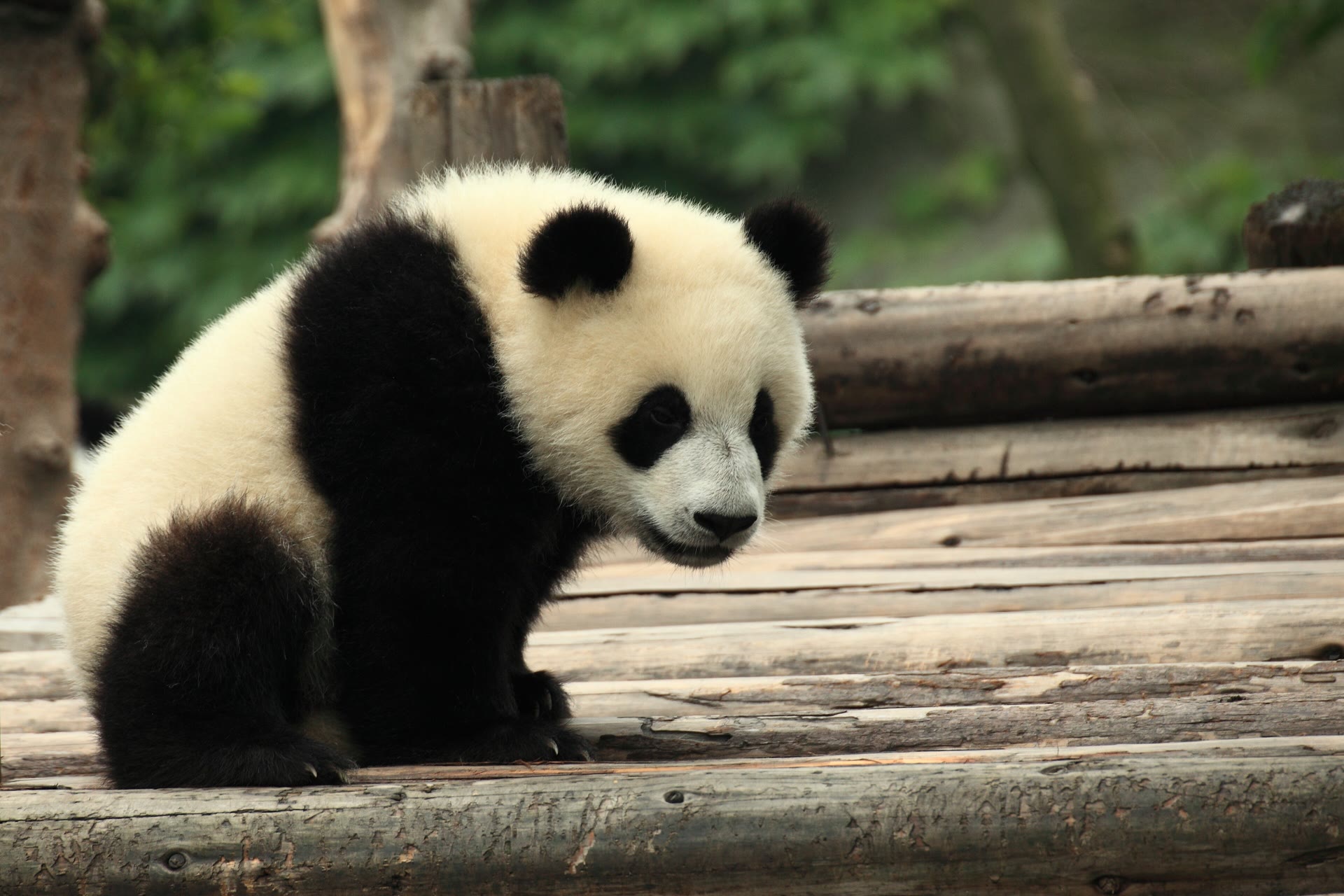
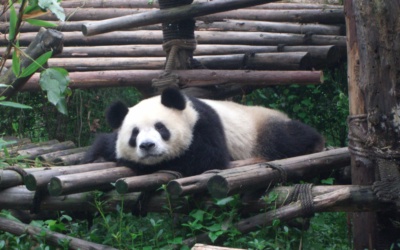
अधिकतर लोग इसी कारण चेंगदू आते हैं। पांडा को सबसे सक्रिय देखने के लिए सुबह 7:30 तक पहुंचें। 10:00 बजे तक वे सोने या गर्मी से बचने के लिए अंदर जाने लगते हैं। नर्सरी में छोटे शावक सबसे बड़ा आकर्षण हैं। सुझाव: दैनिक कोटा सख्त है, इसलिए टिकट ऑनलाइन पहले बुक करें और 3 से 4 घंटे रखें।
पीपल्स पार्क, रेनमिन पार्क
यह चेंगदू की धीमी जीवनशैली का केंद्र है। Heming Tea House में चमेली की चाय मंगाकर बांस की कुर्सी पर घंटों बैठें। यहां मैचमेकिंग कॉर्नर और पारंपरिक कान साफ करने की सेवा भी देख सकते हैं। महजोंग की खटखट और उबलते पानी की आवाज वाला यह इंद्रिय अनुभव है।
वेनशू मठ
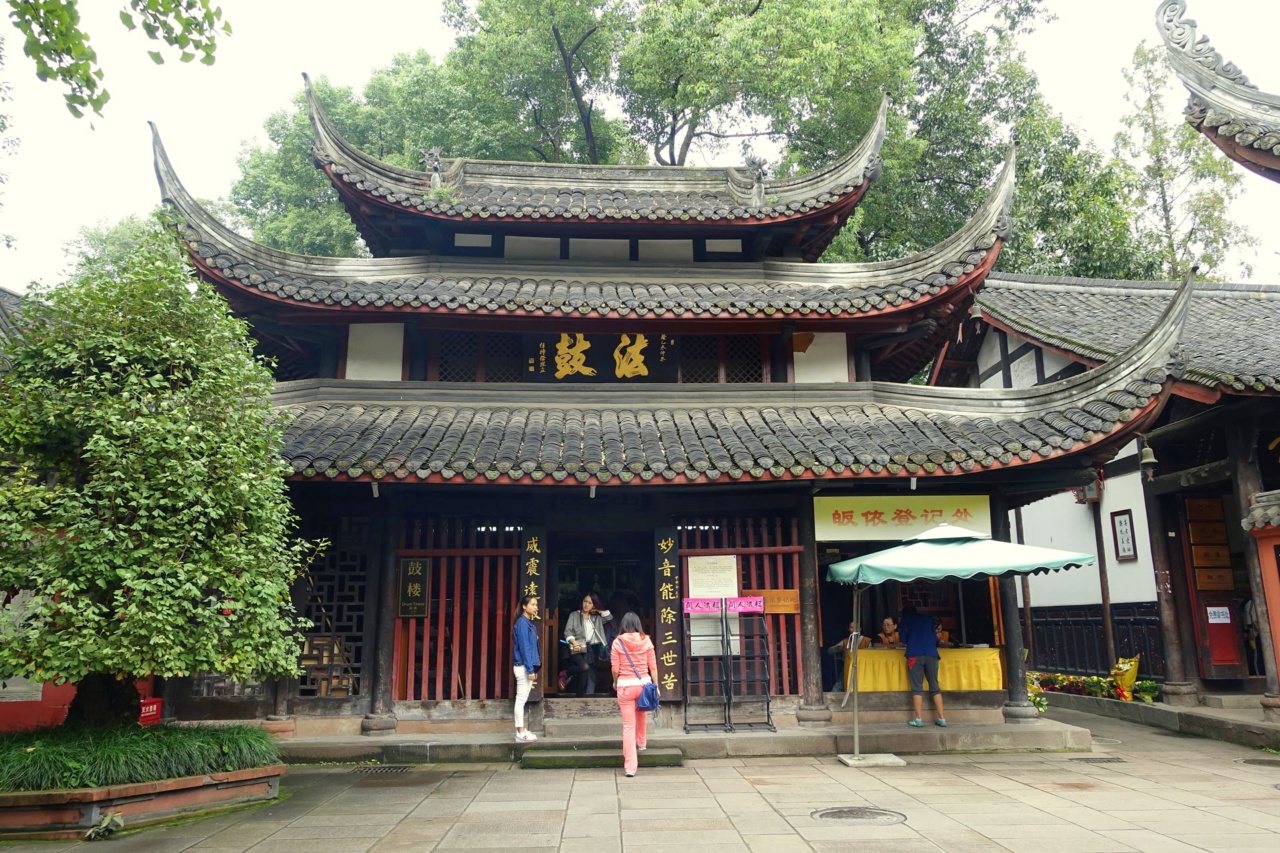
चेंगदू का सबसे अच्छी तरह संरक्षित बौद्ध मंदिर। यह आज भी सक्रिय मठ है और वातावरण शांत है। परिसर का शाकाहारी रेस्तरां प्रसिद्ध और सस्ता है। बगीचे में एक घंटा चलें और स्थानीय लोगों को धूप जलाते देखें।
जिनली पुरानी गली और कुआनझाई गलियां
दोनों पुनर्निर्मित प्राचीन सड़कें हैं। बहुत व्यावसायिक होने के बावजूद रात में लालटेन जलने पर फोटो के लिए सुंदर हैं। जिनली स्नैक्स और पारंपरिक शिल्प पर केंद्रित है, कुआनझाई में महंगे कैफे और बुटीक अधिक हैं। यहां अतिशयोक्ति चेतावनी: महंगे स्मृति-चिह्न न खरीदें, वही सामान स्थानीय बाजार में आधी कीमत में मिल सकता है।
जिसे अधिक महत्व न दें: रात का आंशुन पुल
रोशन पुल चेंगदू के पोस्टकार्ड का लोकप्रिय दृश्य है, लेकिन आसपास का जिउयानचियाओ इलाका तेज संगीत और महंगे पेय वाली आक्रामक बार सड़क बन गया है। फोटो के लिए दूर से देखें और अधिक स्थानीय पेय के लिए यूलिन जाएं।
खाना और पेय
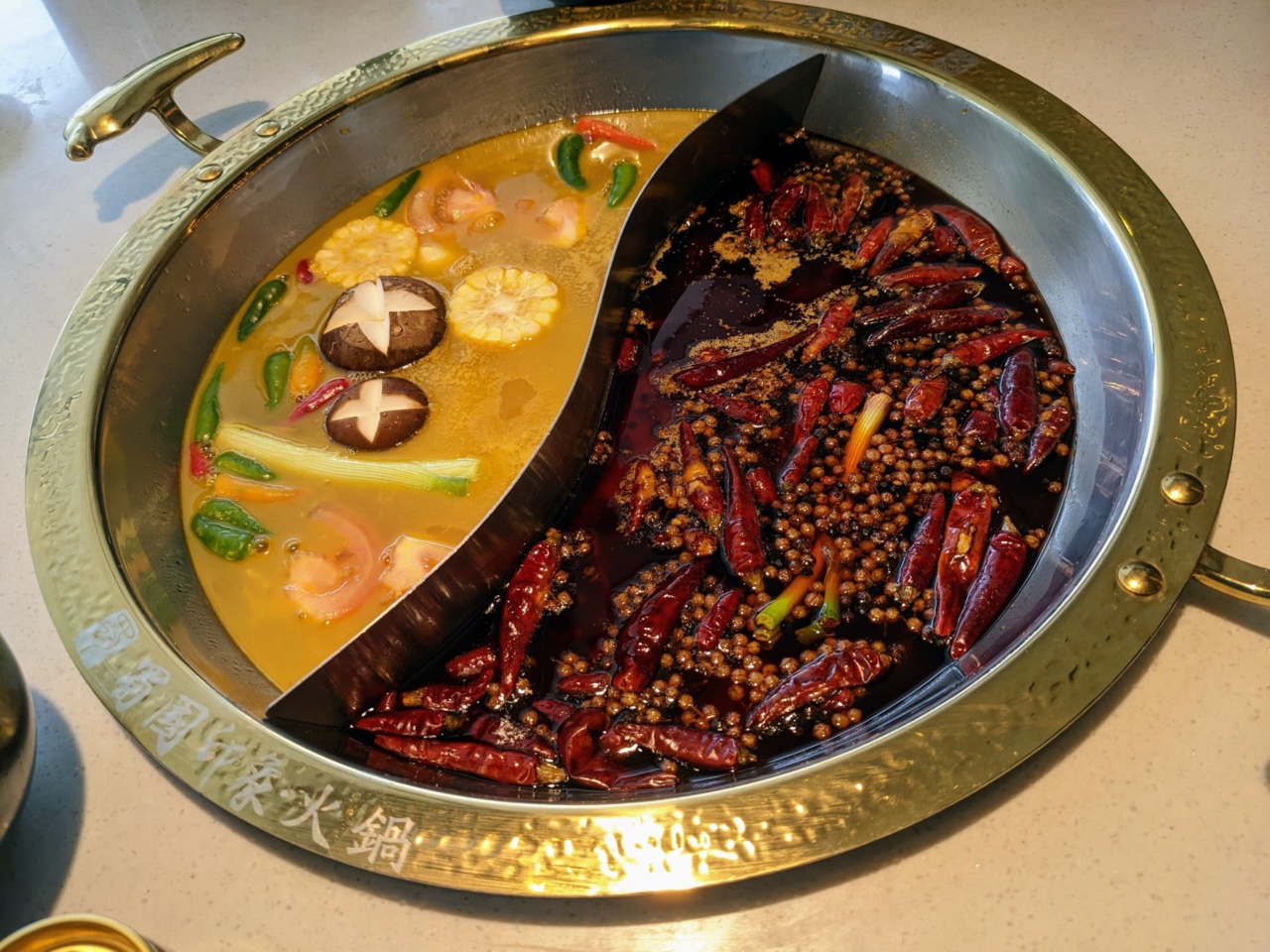
चेंगदू यूनेस्को का Gastronomy City है। भोजन में मा ला यानी सुन्न करने वाला सिचुआन पेपर और तीखी मिर्च का मेल प्रमुख है, लेकिन मीठी-खट्टी या लहसुन वाली जटिल सॉस भी उतनी ही महत्वपूर्ण हैं।
| व्यंजन | विवरण | कहां आजमाएं | कीमत |
|---|---|---|---|
| सिचुआन हॉटपॉट | मसालेदार टैलो शोरबे में मांस और सब्जियां | स्थानीय हुओ गुओ दुकान | 15 से 25 USD प्रति व्यक्ति |
| मापो टोफू | तीखी, सुन्न करने वाली मांस सॉस में मुलायम टोफू | Chen Mapo Tofu | 4 से 7 USD |
| दान दान नूडल्स | तीखे पोर्क और संरक्षित सब्जी वाले नूडल्स | स्ट्रीट स्टॉल या नूडल दुकान | 2 से 3 USD |
| खरगोश का सिर | स्थानीय तीखा और हड्डी वाला व्यंजन | Shuangliu Laoma Tu Tou | 2 USD प्रति सिर |
| झोंग डंपलिंग | मीठी और तीखी सोया सॉस में पोर्क डंपलिंग | वेनशू मठ क्षेत्र | 3 USD |
सबसे अच्छा अनुभव Fly Restaurants यानी Cang Ying Guan में मिलता है। ये छोटी, कभी-कभी बेहद साधारण दुकानें हैं जिन पर रूपक रूप से मक्खियों जैसी भीड़ लगी रहती है। यदि फुटपाथ पर प्लास्टिक की कुर्सियां और भीड़ दिखे तो भोजन करें। खास रेस्तरां और परिवहन मार्ग GoAsia.cc पर भी खोज सकते हैं।
कहां ठहरें
चेंगदू में पश्चिमी मानकों की तुलना में बहुत अच्छा मूल्य मिलता है।
- बजट, 15 से 30 USD: वेनशू मठ के पास Youth Hostel खोजें। कई पारंपरिक आंगन जैसे बने हैं और सामाजिक वातावरण देते हैं।
- मध्यम, 50 से 90 USD: छिंगयांग जिले के बुटीक होटल या तियानफू स्क्वायर के पास आधुनिक बिजनेस होटल। इस दायरे में अच्छा 4-सितारा अनुभव मिल सकता है।
- उच्च श्रेणी, 120 USD से अधिक: जिंजियांग में The Temple House और Ritz-Carlton जैसे वैश्विक ब्रांड हैं। शंघाई से कम कीमत पर विश्वस्तरीय सुविधा मिलती है।
व्यावहारिक सुझाव
- भुगतान: नकद कम चलता है। उतरने से पहले Alipay स्थापित करें, क्योंकि स्ट्रीट फूड स्टॉल भी QR भुगतान पसंद करते हैं।
- इंटरनेट: Google, Instagram और Facebook के लिए VPN जरूरी है। अंतरराष्ट्रीय e-SIM भी उपयोगी हो सकता है।
- भाषा: होटल के बाहर अंग्रेजी सीमित है। Baidu Translate या ऑफलाइन पैक वाले Google Translate से मेनू और संकेत स्कैन करें।
- सुरक्षा: चेंगदू बहुत सुरक्षित है, हिंसक अपराध लगभग नहीं होता। अनजान लोग निजी चाय चखाने बुलाकर भारी बिल देने वाली Tea Ceremony Scam से सावधान रहें।
- टिप: टिप अपेक्षित नहीं है और कभी-कभी भ्रमित या अनुचित समझी जा सकती है।
दिन की यात्राएं
लेशान जायंट बुद्ध
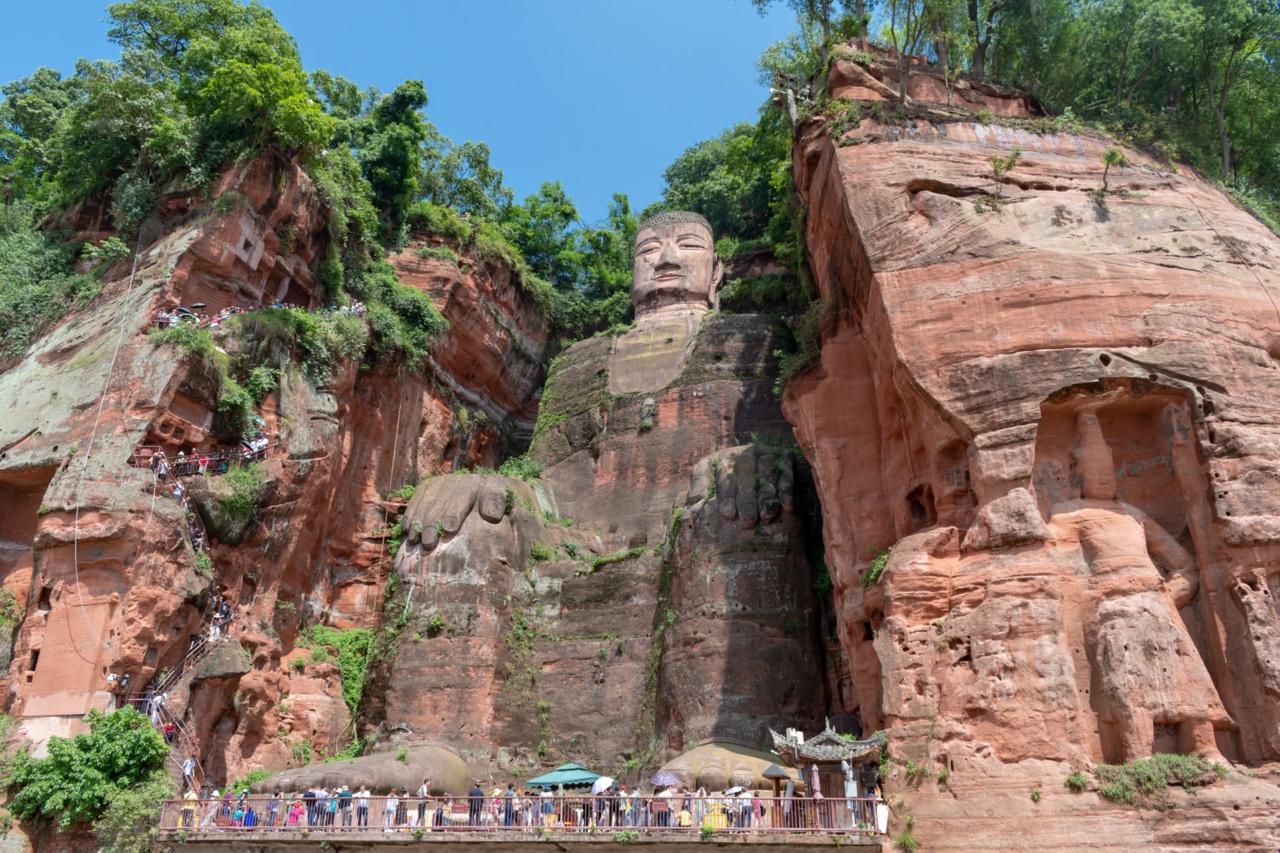
तेज ट्रेन से लगभग 1 घंटा। चट्टान में तराशी दुनिया की सबसे बड़ी पत्थर बुद्ध प्रतिमा है। लंबी कतारों के साथ सीढ़ियां उतरकर देखें या व्यापक दृश्य के लिए फेरी लें। यात्रा पूरी तरह सार्थक है।
माउंट छिंगछेंग
ट्रेन से लगभग 45 मिनट। घने पेड़ों में प्राचीन मंदिरों वाला हरा, धुंधला पहाड़। शहर की नमी से अच्छा पलायन। सांस्कृतिक स्थलों के लिए Front Mountain और प्रकृति तथा पैदल यात्रा के लिए Back Mountain चुनें।
दुजियांग्येन सिंचाई प्रणाली
प्राचीन इंजीनियरिंग का ऐसा चमत्कार जो आज भी चेंगदू को बाढ़ से बचाता है। छिंगछेंग पर्वत के पास होने से दोनों को एक दिन में जोड़ा जा सकता है। इतिहास प्रेमियों के लिए शानदार, पर केवल चमकदार दृश्य चाहने वालों को कम प्रभावशाली लग सकता है।
सांशिंगदुई संग्रहालय
गुआंगहान में लगभग 40 मिनट दूर यह संग्रहालय खोई हुई कांस्य युग सभ्यता की वस्तुएं रखता है। कांस्य मुखौटे लगभग परग्रही लगते हैं और चीनी इतिहास में अद्वितीय हैं। इतिहास प्रेमियों के लिए बहुत अच्छा।
3-दिन का उदाहरण कार्यक्रम
दिन 1: पांडा और प्राचीन संस्कृति
सुबह: 7:30 पर पांडा बेस पहुंचकर उन्हें नाश्ता करते देखें। दोपहर: वेनशू मठ में शाकाहारी भोजन और शांत सैर। शाम: कुआनझाई गलियों में भोजन और Shufeng Yayun Tea House में सिचुआन ओपेरा का Face Changing प्रदर्शन।
दिन 2: शहर का हृदय
सुबह: पीपल्स पार्क, Heming Tea House, कान साफ कराने की सेवा और स्थानीय जीवन। दोपहर: तिब्बती क्वार्टर और वुहौ श्राइन। शाम: ताइगू ली में प्राचीन दाची मंदिर और आधुनिक लक्जरी दुकानों का अंतर देखें तथा हॉटपॉट खाएं।
दिन 3: इतिहास या प्रकृति
पूरा दिन: तेज ट्रेन से लेशान जाकर जायंट बुद्ध देखें और देर दोपहर लौटें। शाम: यूलिन में छोटे क्राफ्ट बीयर बार और तीखी चुआन चुआन सींकें आजमाएं।
बजट का अनुमान
| श्रेणी | बजट | मध्यम | आरामदायक |
|---|---|---|---|
| आवास | 20 USD | 60 USD | 150 USD |
| भोजन | 10 USD | 25 USD | 60 USD |
| परिवहन | 3 USD | 10 USD | 25 USD |
| गतिविधियां | 10 USD | 20 USD | 40 USD |
| दैनिक कुल | 43 USD | 115 USD | 275 USD |
अक्सर पूछे जाने वाले प्रश्न
क्या चेंगदू घूमने लायक है?
बिल्कुल। विश्वस्तरीय वन्यजीव अनुभव, यूनेस्को मान्यता वाला भोजन और बड़े चीनी शहरों में दुर्लभ धीमी जीवनशैली का मेल मिलता है। असली सिचुआन संस्कृति अनुभव करने का यह सबसे अच्छा स्थान है।
चेंगदू में कितने दिन चाहिए?
पांडा और शहर के मुख्य स्थल देखने के लिए तीन दिन पर्याप्त हैं। लेशान बुद्ध या माउंट छिंगछेंग की दिन की यात्राएं जोड़नी हों तो 4 से 5 दिन रखें।
क्या चेंगदू पर्यटकों के लिए सुरक्षित है?
अकेली महिला यात्रियों सहित अंतरराष्ट्रीय यात्रियों के लिए चेंगदू बहुत सुरक्षित है। भीड़ में सामान्य सावधानी रखें और अजनबी की अनचाही चायघर दावत स्वीकार न करें।
चेंगदू जाने का सबसे अच्छा समय क्या है?
मार्च से मई और सितंबर से नवंबर में तापमान आरामदायक रहता है। अधिक नमी पसंद न हो तो गर्मियों से तथा अत्यधिक घरेलू भीड़ के कारण अक्टूबर के पहले सप्ताह से बचें।
क्या चेंगदू में पूरे साल पांडा देख सकते हैं?
हां, पांडा बेस पूरे साल खुला रहता है। ठंडे मौसम में पांडा अधिक सक्रिय होते हैं, जबकि गर्मियों में अंदर रहते हैं, इसलिए सुबह जल्दी पहुंचना जरूरी है।
क्या चेंगदू का खाना हमेशा तीखा होता है?
चेंगदू मा ला के लिए प्रसिद्ध है, लेकिन कई व्यंजन हल्के या मीठे होते हैं। bu la यानी बिना तीखेपन का विकल्प मांग सकते हैं, हालांकि स्थानीय विशेषता तीखी ही है।
क्या चेंगदू जाने के लिए वीजा चाहिए?
पात्र यात्री चीन की 240 घंटे की वीज़ा-मुक्त पारगमन नीति के तहत अनुमत क्षेत्रों में अधिकतम 10 दिन रह सकते हैं। इसके लिए पात्र देश का साधारण पासपोर्ट, निर्धारित प्रवेश बिंदु से प्रवेश और किसी तीसरे देश या क्षेत्र के लिए आगे की यात्रा का टिकट आवश्यक है, जिसमें सीट और प्रस्थान की तारीख की पुष्टि हो। यह हर यात्री या यात्रा मार्ग के लिए सामान्य वीज़ा छूट नहीं है। बुकिंग से पहले National Immigration Administration से पात्र राष्ट्रीयताओं, प्रवेश बिंदुओं और अनुमत क्षेत्रों की वर्तमान सूची जांचें। National Immigration Administration
क्या चेंगदू का नल का पानी पी सकते हैं?
नहीं। सस्ता और आसानी से मिलने वाला बोतलबंद पानी पिएं या होटल के कमरे में दिए उबले पानी का उपयोग करें।
गाइड और सुझाव
8/8