Ferries in China: how the main routes work, how to buy tickets and what to know before you board, from Hong Kong, Macau and Zhuhai to the Bohai Sea and Hainan.
Ferries in China fall into three broad groups: coastal and sea crossings, inland waterways such as the Yangtze and Pearl Rivers, and international links to nearby neighbors. Along the coast, fast catamarans and large roll-on/roll-off (Ro-Ro) vessels connect mainland ports with islands and with other coasts.
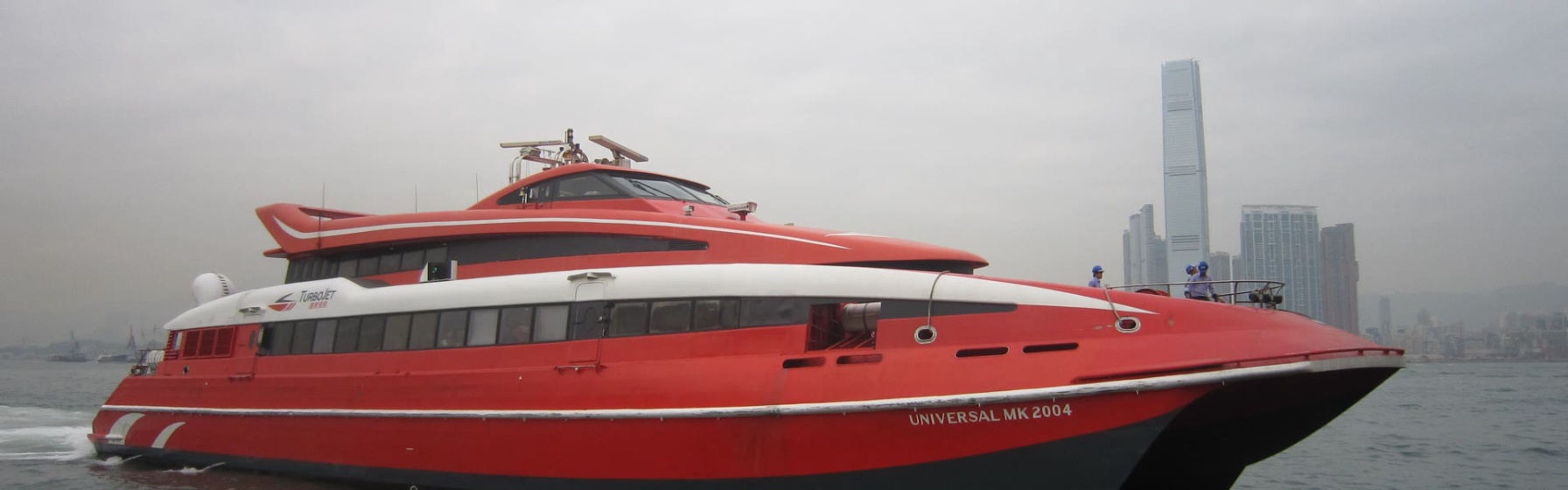
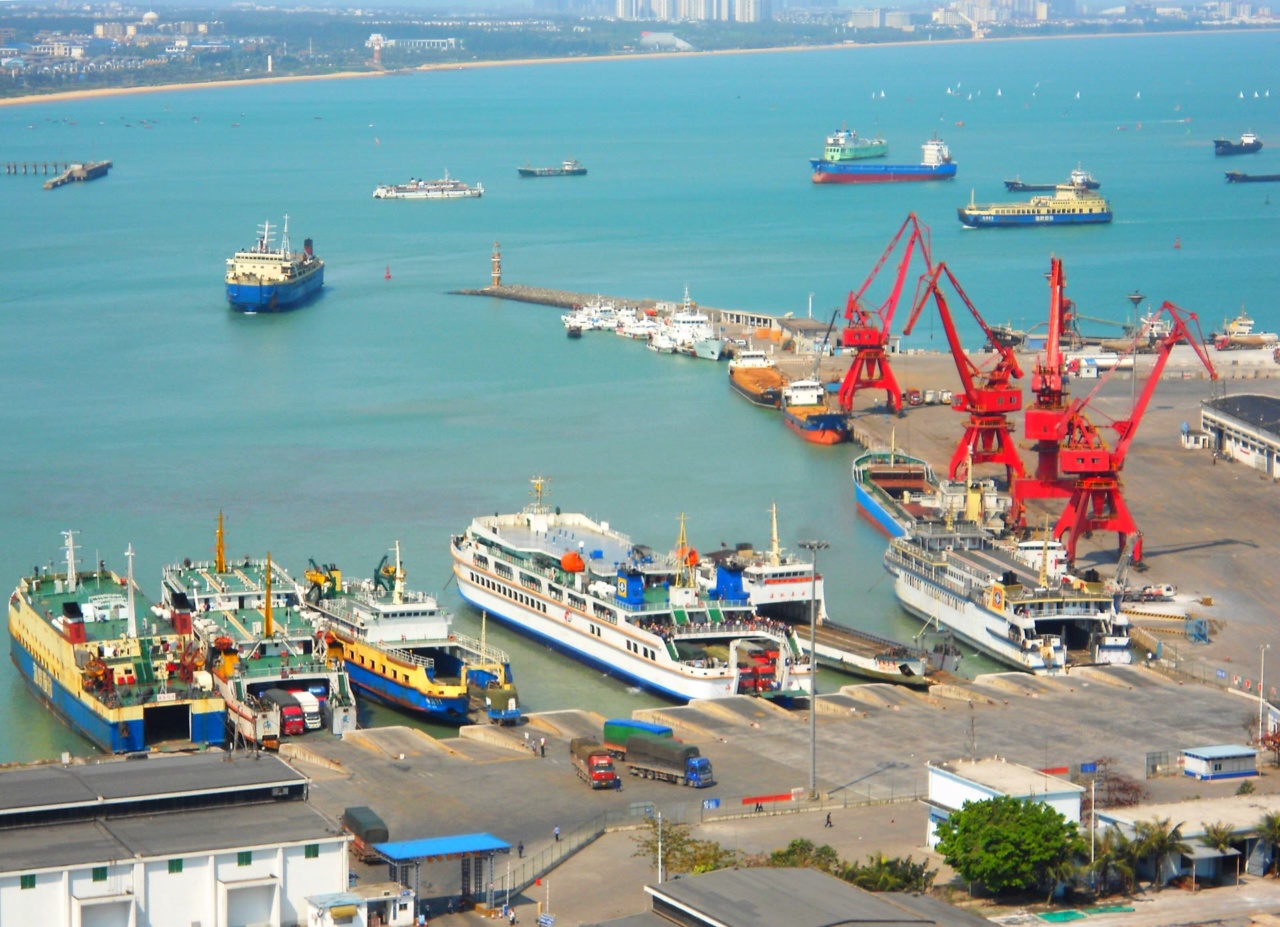
The Pearl River Delta has the densest network of fast ferries. TurboJET sails from Hong Kong to Zhuhai (Jiuzhou Port) in about 70 minutes, between Hong Kong and Macau in about 60 minutes, from Macau to Shekou in Shenzhen in about 60 minutes and from the Shenzhen Airport Terminal to Macau (Taipa) in about 75 to 80 minutes.[1] Further north, the Bohai Sea is crossed by ferries that carry vehicles and passengers: Bohai Ferry runs Dalian to Yantai, Lushun to Penglai, Lushun to Longkou and Dalian to Weihai, linking the Liaodong and Shandong peninsulas.[2] Across the Qiongzhou Strait, ferries link the mainland with Hainan's ports at Xinhaigang and Xiuying.[3]
On the fast ferries of the Pearl River Delta, seating is divided into classes. TurboJET sells Economy and Super Class seats, with Premier Grand Class and VIP cabins on some routes.[1] Fares are quoted in Hong Kong dollars: a Hong Kong to Zhuhai (Jiuzhou Port) ticket costs HK$200 in Economy and HK$300 in Super Class, and a Hong Kong to Macau weekday day sailing costs HK$194 in Economy and HK$406 in Super Class (2026 fares).[1]
Larger ships on longer routes, such as the Bohai Sea crossings between Dalian and Yantai, carry both vehicles and passengers.[2] The classes and cabins differ by ship and sailing, so check the operator's booking page for what each sailing offers.
Booking and Tickets
Ticketing rules differ by route. On the fast ferries between Hong Kong, Macau, Zhuhai and Shenzhen, tickets can be bought online or at the terminal ticket offices and kiosks. Because these routes enter mainland China, buyers must show the original travel document at the ticket counter, or give their full name and document number when buying online and show the original document when collecting the ticket and checking in.[1] For the Qiongzhou Strait crossing to Hainan, tickets must be bought through the official apps and WeChat accounts, with a presale of 15 days that opens every day at 09:00. The ports have no ticket windows for cars, and if there is no ticket online, there is none on site.[3]
Book ahead in peak periods such as Golden Week, when the Qiongzhou Strait operator warns that popular sailings can sell out and offers a waitlist function for sold-out departures.[3] For a smoother experience, travelers can compare routes, check availability, and book their passage on GoAsia.cc, which helps bridge the gap between local systems and international users.
What to Expect on Board
Boarding procedures depend on the route. At TurboJET's terminals there are ticket offices, self-service kiosks and luggage check-in counters, and passengers are advised to board at least 30 minutes before departure to allow time for document checks.[1] On larger Ro-Ro ships such as those on the Bohai Sea, vehicles and passengers share the vessel.[2]
Food options on board vary by route and ship, so it is wise to bring your own snacks and beverages if you have specific dietary preferences.
Tips for Ferry Travel in China
Arrive Early: TurboJET advises boarding at least 30 minutes before departure to allow time for document checks.[1] For the Qiongzhou Strait crossing, cars must reach the port 60 to 120 minutes before departure, and check-in for individual passengers closes 20 minutes before departure.[3]
Passport is Essential: Always keep your passport handy. On routes to and from mainland China, the original travel document is checked when you buy and collect your ticket.[1]
Manage Seasickness: While the large coastal Ro-Ro ships are stable, the smaller fast ferries in the South China Sea can be bouncy during choppy weather. If you are prone to motion sickness, choose a seat in the middle of the vessel.
Language Preparation: Outside of major international hubs like the Hong Kong-Shenzhen routes, English signage may be limited. Having your destination and boat name written in Chinese characters on your phone can be immensely helpful.
Observe the Weather: Ferry services can be suspended or rescheduled during typhoons or heavy fog. Always check weather forecasts and service statuses during the summer and autumn months.
Sources and background
Numbers in the text such as [1] refer to these sources.