
Hong Kong
A high-octane vertical metropolis where ancient Cantonese traditions collide with a hyper-modern financial hub. It is a premier destination for food enthusiasts, hikers, and urban explorers seeking the world's most dramatic skyline and dense cultural layers.
Last updated: October 15, 2026
When to go
Climate and best time for Hong KongBest months: October to March
- January: Great. 19 °C by day, 13 °C at night, 24 mm of rain
- February: Great. 20 °C by day, 14 °C at night, 39 mm of rain
- March: Great. 22 °C by day, 17 °C at night, 66 mm of rain
- April: Good (a lot of rain). 26 °C by day, 20 °C at night, 138 mm of rain
- May: Mixed (a lot of rain). 29 °C by day, 24 °C at night, 252 mm of rain
- June: Poor (a lot of rain and typhoon risk). 31 °C by day, 26 °C at night, 385 mm of rain
- July: Poor (a lot of rain and typhoon risk). 32 °C by day, 26 °C at night, 351 mm of rain
- August: Poor (a lot of rain and typhoon risk). 32 °C by day, 26 °C at night, 411 mm of rain
- September: Poor (a lot of rain and typhoon risk). 31 °C by day, 25 °C at night, 258 mm of rain
- October: Great. 29 °C by day, 23 °C at night, 88 mm of rain
- November: Great. 25 °C by day, 19 °C at night, 36 mm of rain
- December: Great. 21 °C by day, 14 °C at night, 32 mm of rain
- Great
- Good
- Mixed
- Poor
Contents
- 1. Orientation and Neighborhoods
- 2. Best Time to Visit
- 3. Getting There and Getting Around
- 4. Top Sights and Experiences
- 4.1 The Must-Sees
- 4.2 Lesser-Known Gems
- 4.3 Overrated Attractions
- 5. Food and Drink
- 6. Where to Stay
- 7. Practical Tips
- 8. Day Trips
- 9. Sample 3-Day Itinerary
- 9.1 Day 1: The Iconic Skyline
- 9.2 Day 2: Culture and Markets
- 9.3 Day 3: Islands and Relaxation
- 10. Budget Overview
- 11. Frequently Asked Questions
Hong Kong is a sensory overload of neon lights, steaming bamboo dim sum baskets, and a skyline that defies gravity. Historically a British colony and now a Special Administrative Region of China, it retains a unique identity that feels distinct from the mainland. The city is defined by its verticality, where multi-level walkways connect skyscrapers and tiny incense-filled temples sit in the shadows of glass towers. It is a place where you can hike a rugged mountain ridge in the morning and dine at a Michelin-starred restaurant by evening.
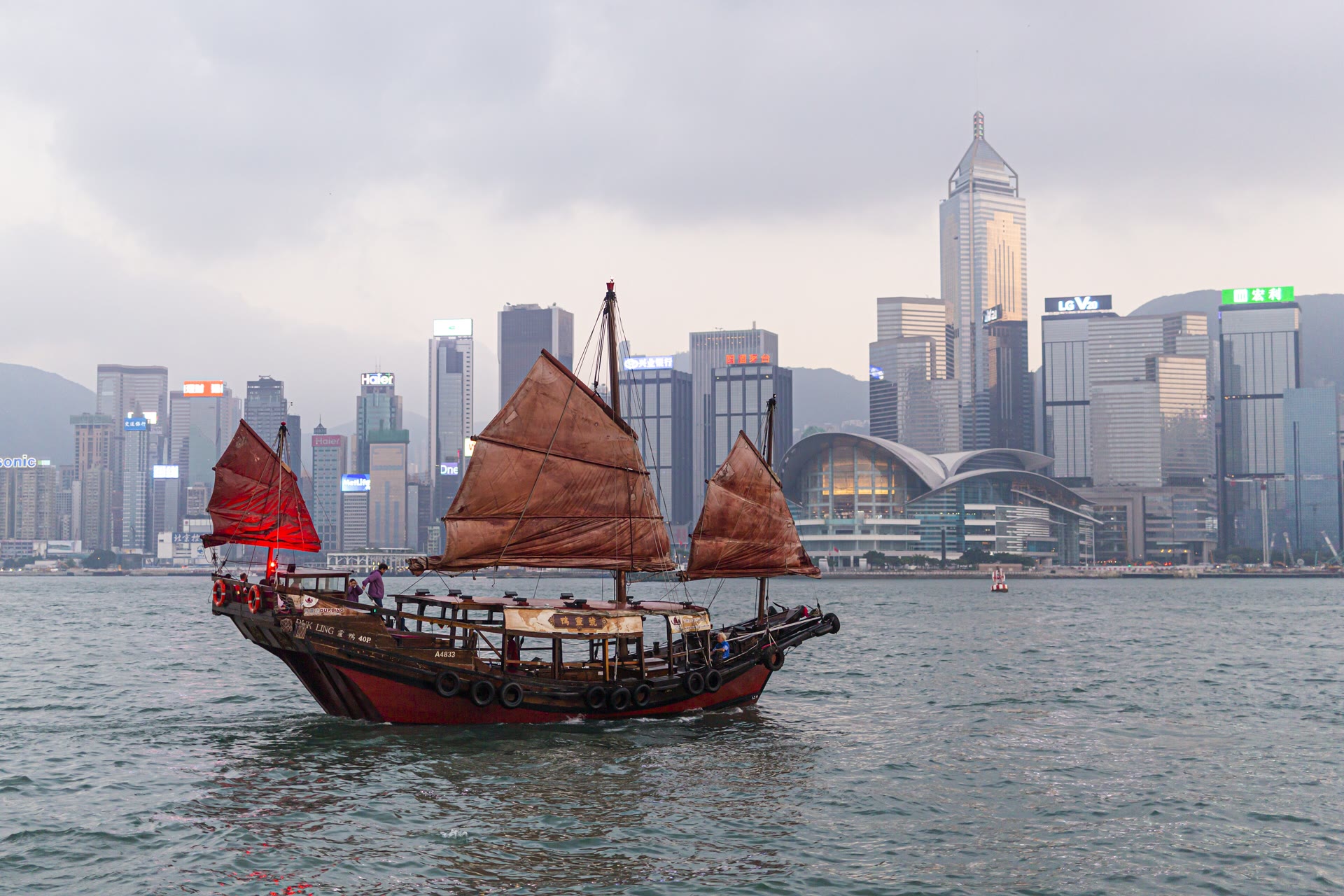
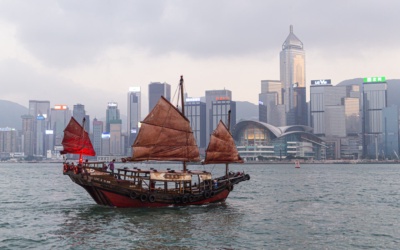
The city thrives on efficiency and contrast. You will find the world's longest outdoor escalator system hauling commuters up steep hillsides, while ancient red-sailed junk boats still bob in the harbor. It is a destination for those who love urban energy, but it also offers surprising pockets of tranquility in its outlying islands and sprawling country parks. Whether you are navigating the packed markets of Mong Kok or sipping cocktails at a rooftop bar in Central, the pace is relentless and addictive.
While Hong Kong has undergone significant political shifts in recent years, its core appeal as a global travel hub remains. The infrastructure is world-class, the food scene is arguably the best in Asia, and the natural scenery is far more accessible than most visitors realize. This guide provides the practical intelligence needed to navigate this dense, complex, and beautiful territory without falling into common tourist traps.
Orientation and Neighborhoods
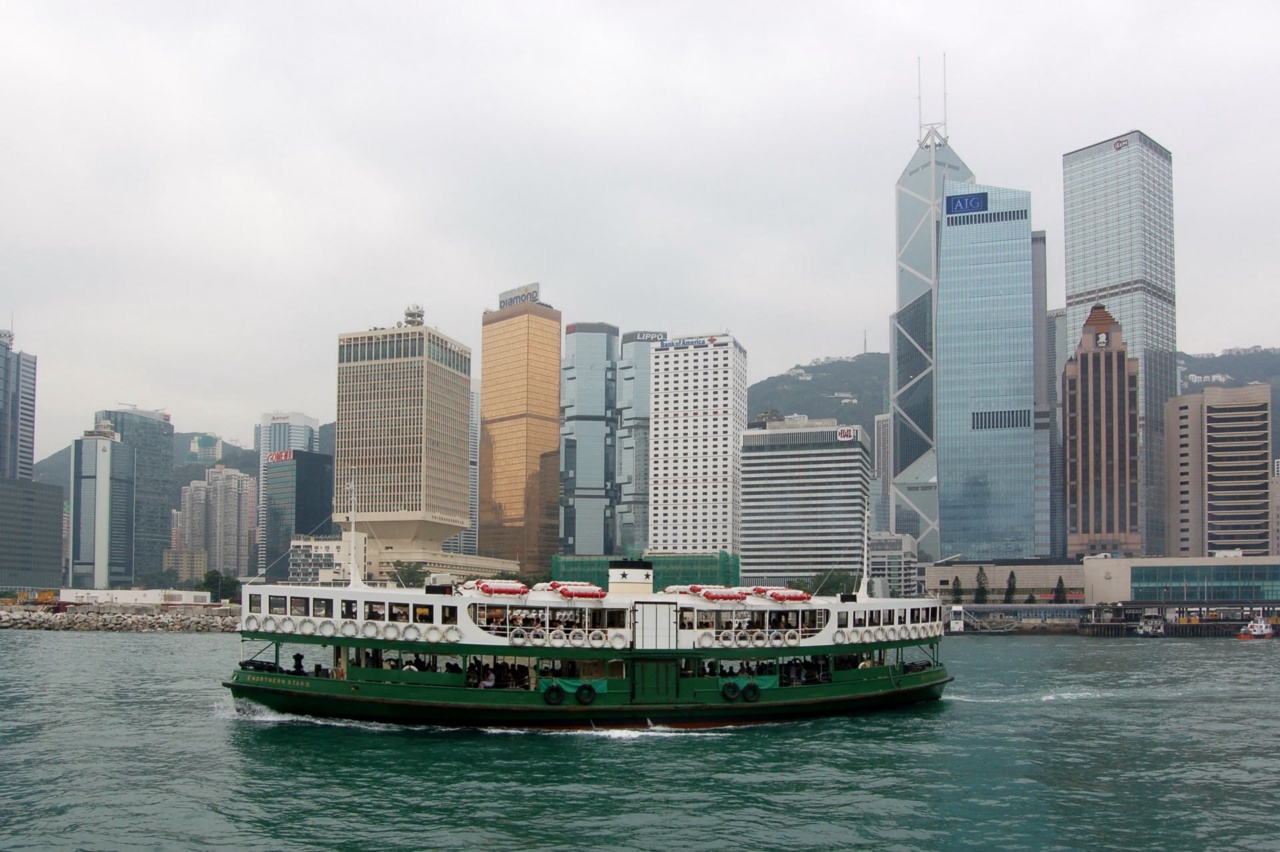
Hong Kong is primarily divided into Hong Kong Island, the Kowloon Peninsula, and the New Territories (including the Outlying Islands). The Victoria Harbour separates the island from the peninsula, with the Star Ferry providing the most iconic link between the two.
- Central & Sheung Wan (Hong Kong Island): The financial heart of the city. Central is home to luxury malls and skyscrapers, while Sheung Wan offers a mix of hip cafes, art galleries, and traditional dried seafood shops. Stay here for high-end hotels and proximity to nightlife.
- Tsim Sha Tsui (Kowloon): Often called TST, this is the main tourist hub. It offers the best views of the skyline across the water. It is packed with museums, shopping malls, and hotels ranging from luxury to budget.
- Mong Kok & Yau Ma Tei (Kowloon): The most densely populated places on earth. This is where you find the famous street markets (Ladies Market, Temple Street). It is gritty, vibrant, and ideal for budget travelers and photographers.
- Wan Chai & Causeway Bay (Hong Kong Island): Causeway Bay is a shopping mecca that never sleeps, while Wan Chai offers a mix of business hotels, old tenement buildings, and a lively bar scene.
- Old Town Central: A sub-district that covers the steep streets between Central and Sheung Wan, perfect for walking tours focused on history and street art.
Things to Do
Offers are only loaded from GetYourGuide after you click. GetYourGuide can then process your IP address and set cookies. Privacy Policy
GetYourGuide partner offers. GoAsia may earn a commission if you book through these offers. Check whether tickets or transfers are included, and follow the attraction's official booking and admission rules.
Best Time to Visit
Hong Kong has a subtropical climate with distinct seasons. Humidity is a major factor for most of the year.
| Season | Months | Weather | Crowds/Prices |
|---|---|---|---|
| Autumn | October - December | Clear skies, cool breezes, low humidity. Perfect for hiking. | High season, higher hotel rates. |
| Winter | January - February | Cool and dry, occasionally chilly. Can be cloudy. | Peak during Chinese New Year; otherwise moderate. |
| Spring | March - May | Warm and increasingly humid. Frequent fog and drizzle. | Moderate crowds; prices stable. |
| Summer | June - September | Hot, humid, and rainy. High risk of typhoons. | Low season, but schools are out so some attractions are busy. |
The absolute best time to visit is from mid-October to late December. The air is crisp, the sky is blue, and it is comfortable enough to walk the city for hours. Avoid the first week of October (Golden Week) and the Lunar New Year period unless you enjoy massive crowds and closed shops.
Getting There and Getting Around
Hong Kong International Airport (HKG) is one of the world's most efficient hubs. The fastest way to the city is the Airport Express train, which reaches Central in 24 minutes for roughly $15. Alternatively, the "A" series airport buses are a scenic and cheaper option, costing around $5 to $6.
The MTR (Mass Transit Railway) is the backbone of the city. It is clean, fast, and covers almost everywhere you want to go. Payment is easiest via an Octopus Card, a stored-value card that works on all transport, in convenience stores, and even at some restaurants. You can also use contactless credit cards or mobile payments at MTR gates.
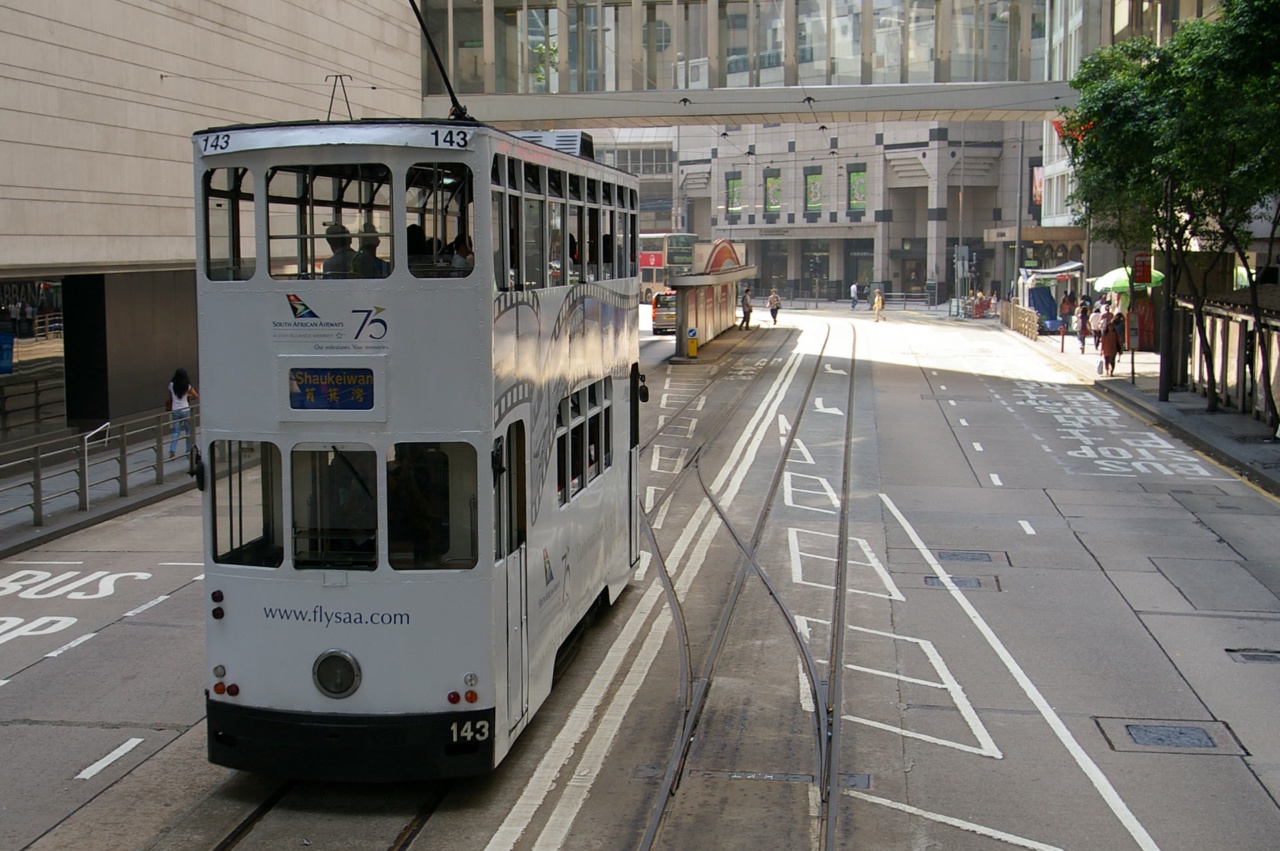
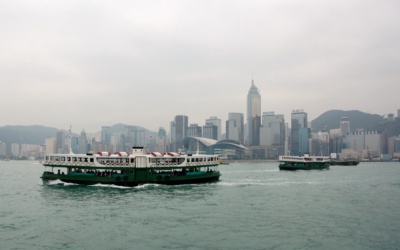
On Hong Kong Island, the Ding Ding (Tram) is a slow but charming way to see the city for less than $0.50. The Star Ferry is a mandatory experience for crossing the harbor, costing roughly $0.60 and offering world-class views. Taxis are plentiful and categorized by color: Red for most of the city, Green for New Territories, and Blue for Lantau Island. Rides are metered and relatively affordable, though drivers may have limited English. Uber is also widely available.
Top Sights and Experiences
The Must-Sees
- The Peak: Take the Peak Tram to the top for the definitive view of Hong Kong's skyscrapers and harbor. Tip: Skip the paid Sky Terrace 428 and walk the 1.5-mile Peak Circle Walk for the same views for free and without the crowds.
- The Star Ferry: Cross between Tsim Sha Tsui and Central at sunset. It is the cheapest and most beautiful commute in the world.
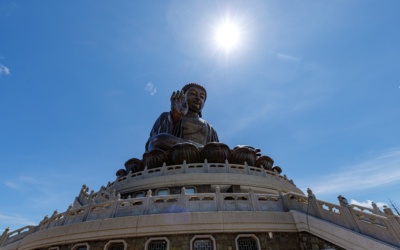
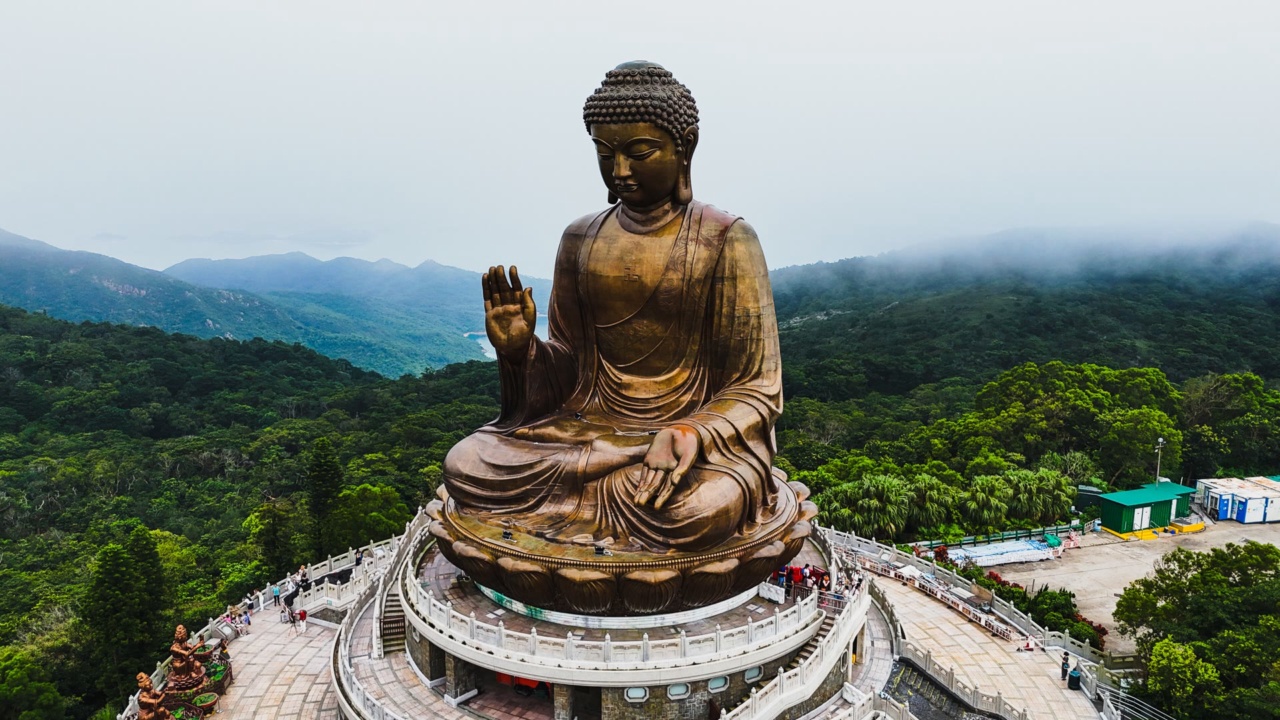
- Tian Tan Buddha (Big Buddha): Located on Lantau Island, this massive bronze statue requires a climb of 268 steps. Take the Ngong Ping 360 cable car to get there for stunning mountain and sea views.
- Temple Street Night Market: A vibrant mix of fortune tellers, opera singers, and stalls selling everything from electronics to tea sets. It is best visited after 8:00 PM.
Lesser-Known Gems
- Nan Lian Garden & Chi Lin Nunnery: A stunning Tang-style wooden temple complex and manicured garden in Diamond Hill. It is an oasis of silence in a loud city.
- Dragon's Back Hike: An accessible trail on Hong Kong Island that offers views of the coastline and ends at Big Wave Bay beach.
- Tai O Fishing Village: A traditional stilt-house village on Lantau Island that feels like a time capsule of old Hong Kong.
Overrated Attractions
- Avenue of Stars (during the day): It is just a walkway. Only visit at 8:00 PM to watch the Symphony of Lights show, though even the show can be underwhelming compared to the skyline itself.
- The Ladies Market: Most items are mass-produced souvenirs found elsewhere for cheaper. Go for the atmosphere, but don't feel obligated to shop.
Food and Drink
Hong Kong is a culinary capital where you can eat for $5 or $500. Cantonese cuisine dominates, but you will find world-class international options everywhere.
| Dish | Description | Where to Try | Price Range |
|---|---|---|---|
| Dim Sum | Small bite-sized portions served in bamboo baskets. | Traditional teahouses in Luk Yu or modern spots like Tim Ho Wan. | $15 - $40 per person |
| Roast Goose | Succulent meat with crispy, lacquered skin. | Yat Lok or Kam's Roast Goose. | $20 - $50 |
| Wonton Noodles | Springy egg noodles with shrimp dumplings in a clear broth. | Mak's Noodle or Tsim Chai Kee. | $5 - $10 |
| Egg Tarts | Flaky or shortcrust pastry with a creamy custard center. | Tai Cheong Bakery or Bakehouse. | $1 - $2 per piece |
| Pineapple Bun | A sweet bun topped with a crunchy crust (contains no pineapple). | Kam Wah Cafe in Mong Kok. | $2 - $4 |
For a local experience, visit a Dai Pai Dong (open-air food stall) in Sham Shui Po or a Cha Chaan Teng (tea restaurant) for breakfast sets consisting of macaroni soup, ham, and thick toast with milk tea.
Where to Stay
- Luxury ($300+ USD): Look at the waterfront in Tsim Sha Tsui (The Peninsula, Rosewood) or Central (Four Seasons, Mandarin Oriental) for iconic views.
- Mid-Range ($120 - $250 USD): Wan Chai and Sheung Wan offer excellent boutique hotels that are stylish and well-located.
- Budget ($40 - $100 USD): Mong Kok and Yau Ma Tei have many "guesthouses" which are tiny but clean rooms in high-rise buildings. Avoid the infamous Chungking Mansions unless you are a seasoned budget traveler.
Practical Tips
- Safety: Hong Kong is exceptionally safe for tourists. Petty crime is rare, but keep an eye on belongings in crowded markets.
- Payment: While many places take cards, small eateries and markets are strictly Cash or Octopus Card. Always carry at least $50 in cash.
- Connectivity: Pick up a prepaid SIM card at the airport (7-Eleven or specialized kiosks) for roughly $15 for 10 days of data.
- Language: English is an official language and widely spoken in tourist areas, though taxi drivers and local market vendors may only speak Cantonese.
- Cultural Etiquette: Tipping is not strictly required but rounding up the bill or leaving a few dollars at a nice restaurant is appreciated. On escalators, stand on the right, walk on the left.
Day Trips
- Macau: A 60-minute ferry or bus ride away. Known for its Portuguese heritage and massive casinos. It is worth it for the egg tarts and the ruins of St. Paul's.
- Lamma Island: A 25-minute ferry from Central. No cars are allowed here. It offers great seafood and easy walking trails.
- Cheung Chau: A small island famous for its annual Bun Festival and pirate caves. Great for a day of cycling and snacking.
- Sai Kung: The "back garden" of Hong Kong. It requires a bus or green taxi to reach, but offers the city's best beaches and incredible volcanic rock formations.
Sample 3-Day Itinerary
Day 1: The Iconic Skyline
Start with dim sum in Central, then take the Peak Tram to Victoria Peak. In the afternoon, descend and explore the Man Mo Temple in Sheung Wan. In the evening, take the Star Ferry to Tsim Sha Tsui to watch the skyline light up at 8:00 PM, followed by dinner in the backstreets of Jordan.
Day 2: Culture and Markets
Head to Lantau Island early to see the Big Buddha and Tai O Fishing Village. Return to Kowloon in the late afternoon to explore the flower, bird, and goldfish markets of Mong Kok. End your night with street food and beer at the Temple Street Night Market.
Day 3: Islands and Relaxation
Take a morning ferry to Lamma Island. Hike from Yung Shue Wan to Sok Kwu Wan, stopping for a seafood lunch by the water. Return to the city for some final shopping in Causeway Bay and a farewell cocktail at a rooftop bar like SEVVA or Aqua.
Budget Overview
| Category | Budget | Mid-Range | Comfort |
|---|---|---|---|
| Accommodation | $50 | $150 | $350 |
| Food | $25 | $60 | $150 |
| Transport | $5 | $15 | $40 |
| Activities | $10 | $30 | $70 |
| Daily Total | $90 | $255 | $610 |
Frequently Asked Questions
Is Hong Kong worth visiting?
Absolutely. It offers a unique blend of high-density urban energy, world-class dining, and accessible nature that few other cities can match. It is a vital stop for anyone interested in Asian culture and modern architecture.
How many days do you need in Hong Kong?
Three to four days is sufficient to see the major urban highlights and the Big Buddha. If you want to include hiking or multiple outlying islands, five to seven days is recommended.
Is Hong Kong safe for tourists?
Yes, Hong Kong remains one of the safest cities in the world for travelers. Violent crime is extremely low, and it is safe to walk alone at night in almost all areas.
What is the best time to visit Hong Kong?
The best period is from October to December when the weather is dry, cool, and sunny. This is ideal for both city walking and mountain hiking.
Is Hong Kong expensive?
It can be. While accommodation is pricey due to limited space, public transport is very cheap, and you can find excellent meals at local diners for under $10.
Can you drink tap water in Hong Kong?
The water is technically safe at the source, but old piping in many buildings means most locals prefer to boil it first or drink bottled/filtered water.
Do I need a visa to visit Hong Kong?
Many nationalities, including citizens of the US, UK, Canada, and Australia, can enter Hong Kong visa-free for stays ranging from 30 to 90 days. Always check the latest requirements before flying.
Is English widely spoken in Hong Kong?
Yes, English is an official language. You will find English signage everywhere, and most people in the service industry, hotels, and business districts speak it well.
Routes
🗺️ Getting Around Hong Kong - Local Transport Guide
→ Routes from Hong Kong (7)
Routes to Hong Kong (7)