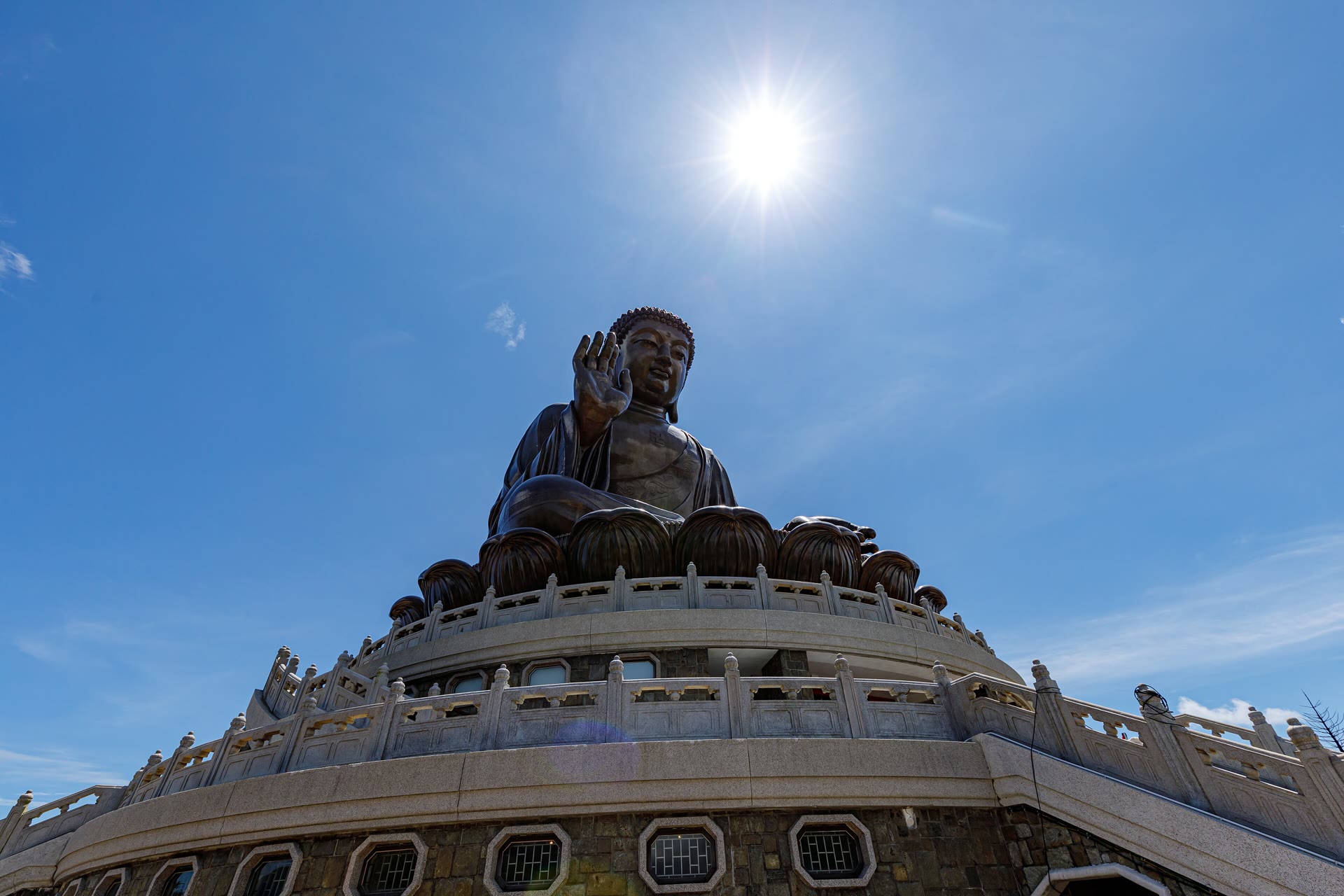
High on a plateau on Lantau Island, the largest island in Hong Kong, a bronze Buddha sits cross-legged above a sea of green peaks. The Tian Tan Buddha, known to most visitors simply as the Big Buddha, rises about 34 metres and weighs more than 250 tonnes, and the climb to reach its feet is part of the experience. On a clear day you can see ridgelines rolling toward the South China Sea. On a misty one, the statue floats in and out of cloud, which is its own kind of magic.
What makes this spot worth a half day or more is the combination on offer. You get a monumental religious statue, a working Buddhist monastery serving vegetarian meals, a scenic cable car ride over mountains and water, and easy access to the stilt fishing village of Tai O. It is one of the few places in Hong Kong where the experience is genuinely about nature and quiet rather than skyscrapers and crowds, even though it sits within the same compact territory.
This guide covers how to get to Ngong Ping, the difference between taking the cable car and the bus, what to expect at the Buddha and Po Lin Monastery, the steps you will climb, monastery etiquette, the very real chance of weather closures, and how to combine the trip with Tai O for a full day on Lantau.
What the Tian Tan Buddha and Ngong Ping Are
The Tian Tan Buddha was completed and consecrated in the early 1990s and sits next to Po Lin Monastery, a Buddhist complex founded by monks in the early twentieth century. The statue depicts the Buddha seated on a lotus, with one hand raised in a gesture of reassurance and the other resting palm up in giving. Its name references the Temple of Heaven in Beijing, whose circular base inspired the platform the Buddha sits on.
Ngong Ping is the name of the plateau and the area around the Buddha. It includes the monastery, the statue, and Ngong Ping Village, a purpose-built cluster of shops, restaurants, and a couple of paid attractions that sits at the top cable car station. The village is commercial and clearly built for tourists, but it is also where you arrive, eat, and catch onward transport, so most visitors pass through it regardless.
The site matters partly as a place of worship and partly as a symbol. Po Lin remains an active monastery, and the Buddha draws both pilgrims and sightseers. For travelers, it offers a contrast to the dense urban core of Hong Kong and a reason to explore Lantau, which is far larger and greener than first-time visitors expect.
Things to Do
Getting There: Cable Car or Bus
There are two main ways to reach Ngong Ping, and the choice shapes your whole day. Both start from areas you can reach by the MTR metro system, which makes this an easy independent trip without a tour.
The Ngong Ping cable car
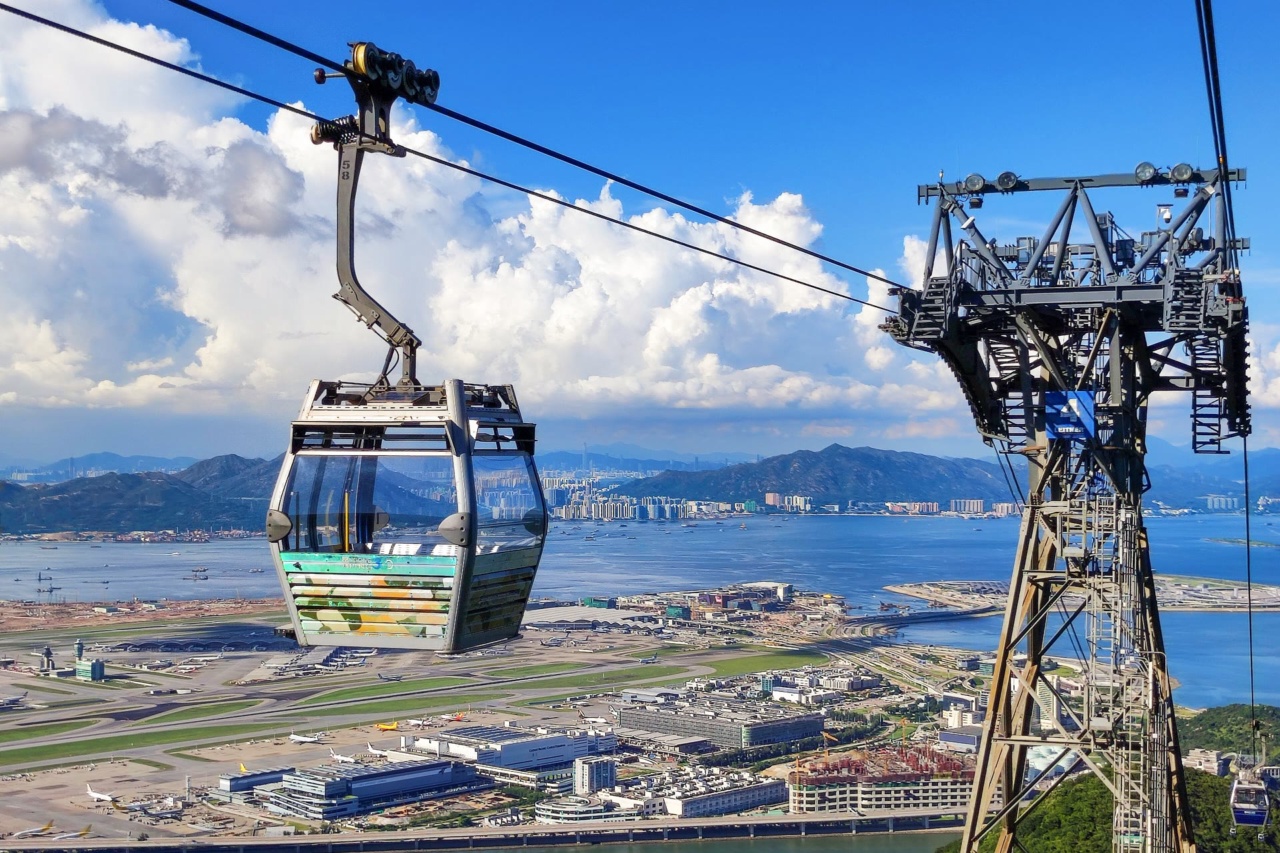
The Ngong Ping 360 cable car runs from Tung Chung, a town reachable directly by MTR, up over the mountains and water to Ngong Ping Village. The ride takes roughly 25 minutes one way and is the scenic headline of the trip. You glide above Tung Chung Bay, cross over green slopes, and on a clear day get a long view of the airport and the sea before the Buddha comes into sight.
You can usually choose between standard cabins and crystal cabins with glass floors, which cost more. The crystal floor is a fun gimmick but not essential. Buying tickets online in advance is strongly recommended, since the line at Tung Chung can be long on weekends and holidays, and timed entry helps you skip some of the wait. A round trip is the most common purchase, but you can buy one way and return by bus if you want variety or if the cable car is busy in one direction.
The bus alternative
Public buses run to Ngong Ping and are cheaper and unaffected by cable car maintenance or wind closures. From Tung Chung, look for the bus that climbs the mountain road directly to the Buddha. There is also a bus from Mui Wo, the ferry town reachable by boat from Central, for travelers who want to arrive by sea. The bus road is winding and the ride takes longer in feel than in minutes, but it is reliable and inexpensive.
Many independent travelers take the cable car up for the views and the bus down to save time and money, or do the reverse if the cable car queue is shorter in the afternoon. Keep an Octopus card topped up to make bus and MTR travel seamless.
The 268 Steps and the Buddha Itself
From Ngong Ping Village you walk a short, flat path to the base of the staircase. To reach the platform around the Buddha you climb 268 steps. This is the part people underestimate. The steps are not technical, but they are steep enough and exposed enough that on a hot, humid day they leave many visitors sweating. Take it slowly, carry water, and pause on the landings, which double as photo spots back over the monastery.
At the top, you can walk a full circle around the base of the statue and take in the views in every direction. Beneath the Buddha is an exhibition hall on multiple levels. Entry to the statue platform itself is generally free, but access to the inner exhibition hall is sometimes tied to buying a meal ticket at the monastery or a separate ticket, so check current arrangements on site or before you go. Inside you can see relics and displays related to the Buddha and the offerings ringed around the base, which represent figures making offerings of flowers, incense, and music.
If you cannot manage the steps, you can still see the Buddha from below, and the scale is impressive even from the ground. There is no step-free route to the very top platform, so factor this in if you are traveling with anyone who has mobility limits.
Po Lin Monastery and Vegetarian Meals
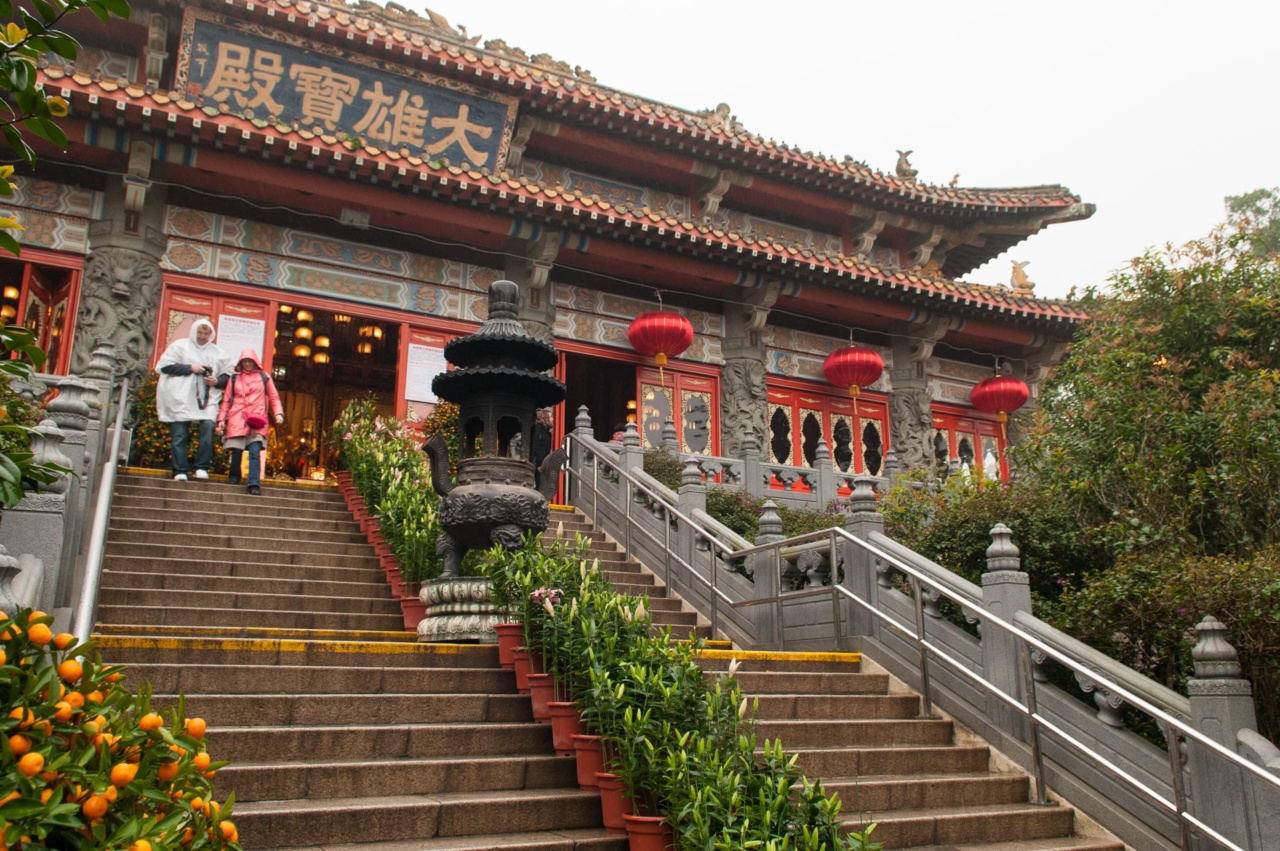
Directly across from the Buddha sits Po Lin Monastery, with its main halls, courtyards, and a large incense forecourt. The newer Hall of Ten Thousand Buddhas is richly decorated and worth stepping into. This is a working religious site, so dress and behave respectfully: keep shoulders covered, avoid loud conversation in the halls, do not point your feet at statues, and ask before photographing monks or anyone at prayer. Photography rules vary by hall, so look for signs and follow them.
The monastery runs a vegetarian dining hall that is a tradition for many visitors. The meal is meat-free in keeping with Buddhist practice and is usually sold as a set with different tiers, sometimes bundled with access to the Buddha exhibition. The food is simple and home-style rather than gourmet, but eating here is part of the cultural experience, and the dining hall offers a welcome rest and a place to refill on a hot day. There are also cheaper snack and noodle options in Ngong Ping Village if you prefer something quick.
Weather, Closures, and Timing
The single most important planning point for this trip is weather. Ngong Ping sits on an exposed plateau, and conditions here can be very different from central Hong Kong. The Buddha is frequently wrapped in cloud and fog, especially in spring and on humid overcast days. If your priority is the panoramic view and clear photos of the statue, check the forecast and lean toward a clear, dry day.
The cable car is sensitive to wind and lightning. In strong winds, thunderstorms, or typhoon conditions, it suspends service for safety, sometimes at short notice. It also closes periodically for scheduled maintenance, which can last days. Before committing to a cable car plan, verify that it is operating, and always have the bus as a backup so a closure does not cancel your whole day. During typhoon warnings, the entire Lantau outing should be reconsidered, as buses, ferries, and outdoor sites are all affected.
For timing within the day, aim to arrive early, ideally soon after the site and cable car open. The plateau gets busiest in the middle of the day when tour groups arrive, and morning often brings clearer air before afternoon haze or cloud builds. Weekdays are quieter than weekends and Hong Kong public holidays.
How Much Time You Need
The Buddha, monastery, steps, and a meal comfortably fill two to three hours at Ngong Ping itself. Add the round trip travel time. If you take the cable car both ways from Tung Chung, build in close to an hour of riding plus potential queueing. If you add Tai O, the whole outing becomes a full day from morning to late afternoon.
| Plan | Rough time needed | Best for |
|---|---|---|
| Buddha and monastery only | Half day | Short trips, limited time |
| Buddha, monastery, vegetarian meal | Half to most of a day | Cultural focus, relaxed pace |
| Ngong Ping plus Tai O village | Full day | First visit, photography, scenery |
Pairing With Tai O Fishing Village
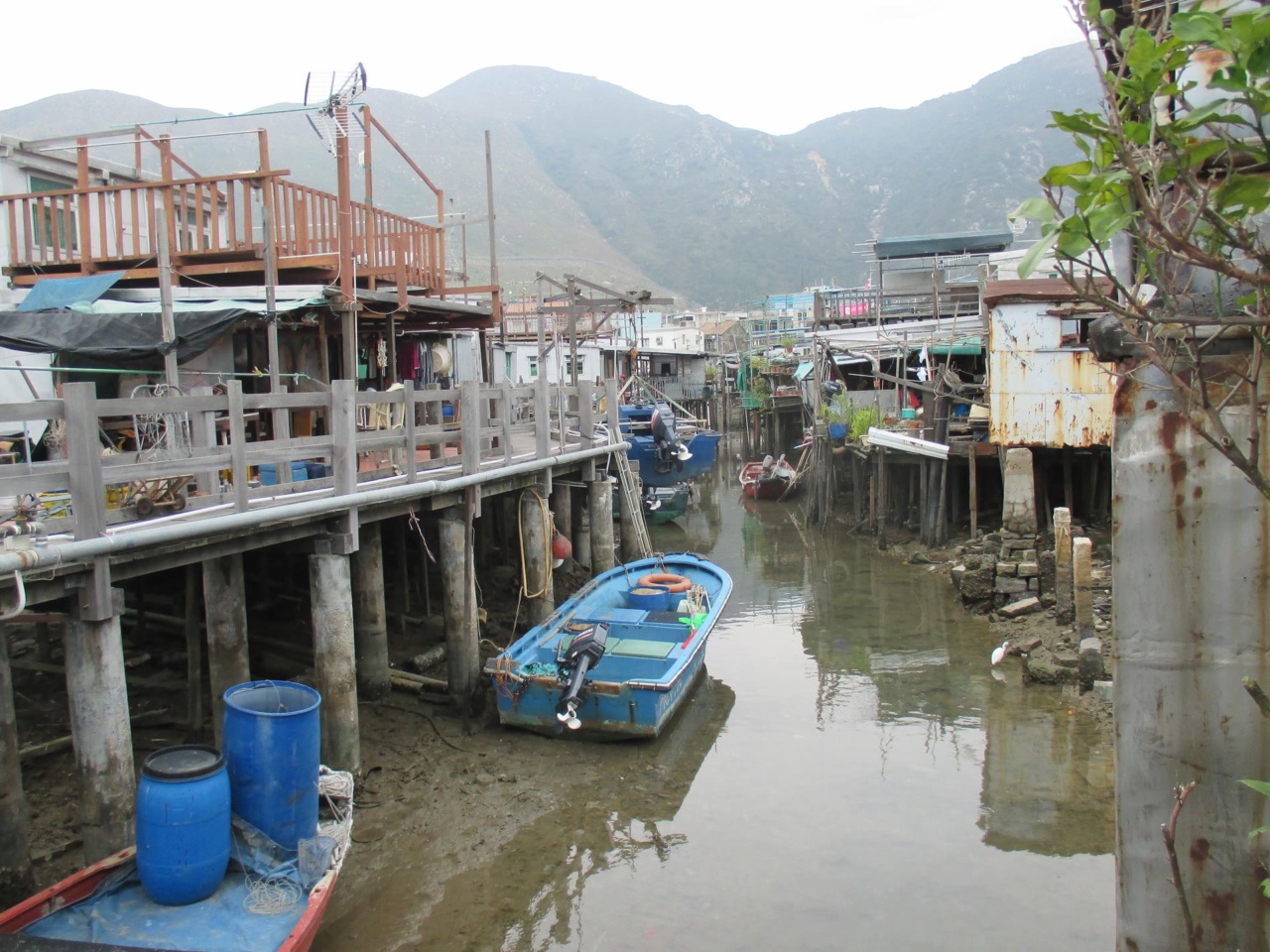
One of the best reasons to give Lantau a full day is Tai O, a fishing village on the western coast of the island, reachable by bus from Ngong Ping in around 15 to 20 minutes. Tai O is known for its stilt houses built over tidal channels, its drying seafood and shrimp paste, and a slow, lived-in atmosphere that feels worlds away from urban Hong Kong.
Walk the narrow lanes, cross the small footbridges over the waterways, and browse the stalls selling dried fish and snacks. Short boat tours run out into the harbour, and on lucky days they go in search of pink dolphins, although sightings are never guaranteed and you should set expectations accordingly. Sunset over the water here is a highlight if your schedule allows you to stay late before catching the bus back to Tung Chung.
The natural order for most visitors is the cable car or bus up to Ngong Ping in the morning, the Buddha and monastery, then a bus across to Tai O for the afternoon, and finally a bus from Tai O back to Tung Chung and the MTR. Going the other way works too if you want the Buddha in better afternoon light, though early haze and clouds are a risk.
Costs and Tickets to Plan For
Costs fall into a few buckets: transport to Tung Chung or Mui Wo by MTR or ferry, the cable car or bus to Ngong Ping, optional cable car cabin upgrades, the monastery meal and any exhibition ticket, and Tai O boat tours if you do them. The cable car is the largest single expense for most people, and buying online in advance is usually cheaper and faster than the on-site counter.
An Octopus card covers MTR, buses, and ferries and is the simplest way to handle the smaller fares without carrying coins. Because prices and bundles change, treat any figure you read in advance as an estimate and confirm current rates when you book. The bus is always the budget option if you skip the cable car entirely.
Practical Tips for Visiting Ngong Ping
- Check the cable car status and the weather forecast the day before and again that morning. Have a bus plan ready in case of closure.
- Book cable car tickets online with a time slot to cut your queue at Tung Chung, especially on weekends and holidays.
- Go early. Clearer skies, smaller crowds, and cooler temperatures for the 268 steps all favour a morning start.
- Carry water and wear shoes you can climb stairs in. The plateau is exposed, so bring sun protection and a light layer, as it can be windier and cooler than central Hong Kong.
- Dress respectfully for the monastery: cover your shoulders, keep noise down, follow photography signs, and do not block worshippers.
- Bring some cash even with an Octopus card, as small stalls and the Tai O boat operators may prefer it.
- Combine with Tai O for a full day, and check the last bus times back to Tung Chung so a long Tai O stay does not strand you.
- If you connect this with airport time, note Tung Chung is close to Hong Kong International Airport, which makes a Lantau day a smart use of a long layover with luggage stored.
Realistic Downsides
Be honest with yourself about a few things. Ngong Ping Village is commercial and can feel like a manufactured shopping precinct rather than an authentic place, and the Buddha plus monastery, while genuinely impressive, are heavily visited. On a foggy day the views vanish and the cable car loses much of its point. The steps and heat catch out unprepared visitors in summer. And the cable car closures, when they happen, frustrate people who built their day around the ride.
None of this should put you off, but it should shape your plan. Pick a clear day, start early, keep the bus as a backstop, and treat Tai O as the reward that turns a sightseeing stop into a memorable day on the island.
Fitting It Into a Hong Kong Trip
Lantau works well as a contrast day in the middle of an urban-heavy itinerary. After a couple of days of harbour views, markets, and skyline, the green plateau and the village rhythm of Tai O reset the pace. Because everything connects through Tung Chung on the MTR, you can slot it in without a tour and return to the city by evening. For more ideas on building out the rest of your Hong Kong and wider Asia route, GoAsia.cc has further destination guides to help you keep planning.
Frequently Asked Questions
Go on a clear, dry day and start early to beat tour groups and afternoon cloud. Take the cable car or bus up to Ngong Ping, see the Buddha and Po Lin Monastery, then add Tai O village in the afternoon for a full day. Always check the cable car status and weather first, and keep the bus as a backup.
The cable car is the main expense and is usually cheaper and faster if you book online with a time slot. The bus to Ngong Ping is a low-cost alternative, and an Octopus card covers MTR, buses, and ferries. The Buddha platform is generally free, while the monastery meal and inner exhibition may have separate or bundled tickets, so confirm current rates before you go.
Take the MTR to Tung Chung, then either ride the Ngong Ping cable car for around 25 minutes or take the public bus up the mountain road. You can also reach Lantau by ferry to Mui Wo and bus from there. Many travelers take the cable car one way and the bus the other to save time and money.
There are 268 steps from the base to the platform around the statue. They are not technical but are steep and exposed, so they feel tough on a hot, humid day. There is no step-free route to the top platform, though you can still view the Buddha impressively from ground level.
Yes. The Ngong Ping cable car suspends service in strong winds, thunderstorms, and typhoon conditions, and it also closes for scheduled maintenance that can last several days. Always check whether it is operating before you build your day around it, and have the bus ready as a backup.
For most visitors, yes. Tai O is a short bus ride from Ngong Ping and offers stilt houses, waterways, seafood stalls, and a slow village atmosphere that contrasts with the rest of Hong Kong. Check the last bus times back to Tung Chung so a long stay does not leave you stranded.
Dress respectfully with shoulders covered, keep your voice down inside the halls, and follow photography signs. Bring water, sun protection, and shoes suitable for stairs, plus a light layer since the plateau can be windier and cooler than the city. Carry some cash for stalls and Tai O boat tours.