
Macau
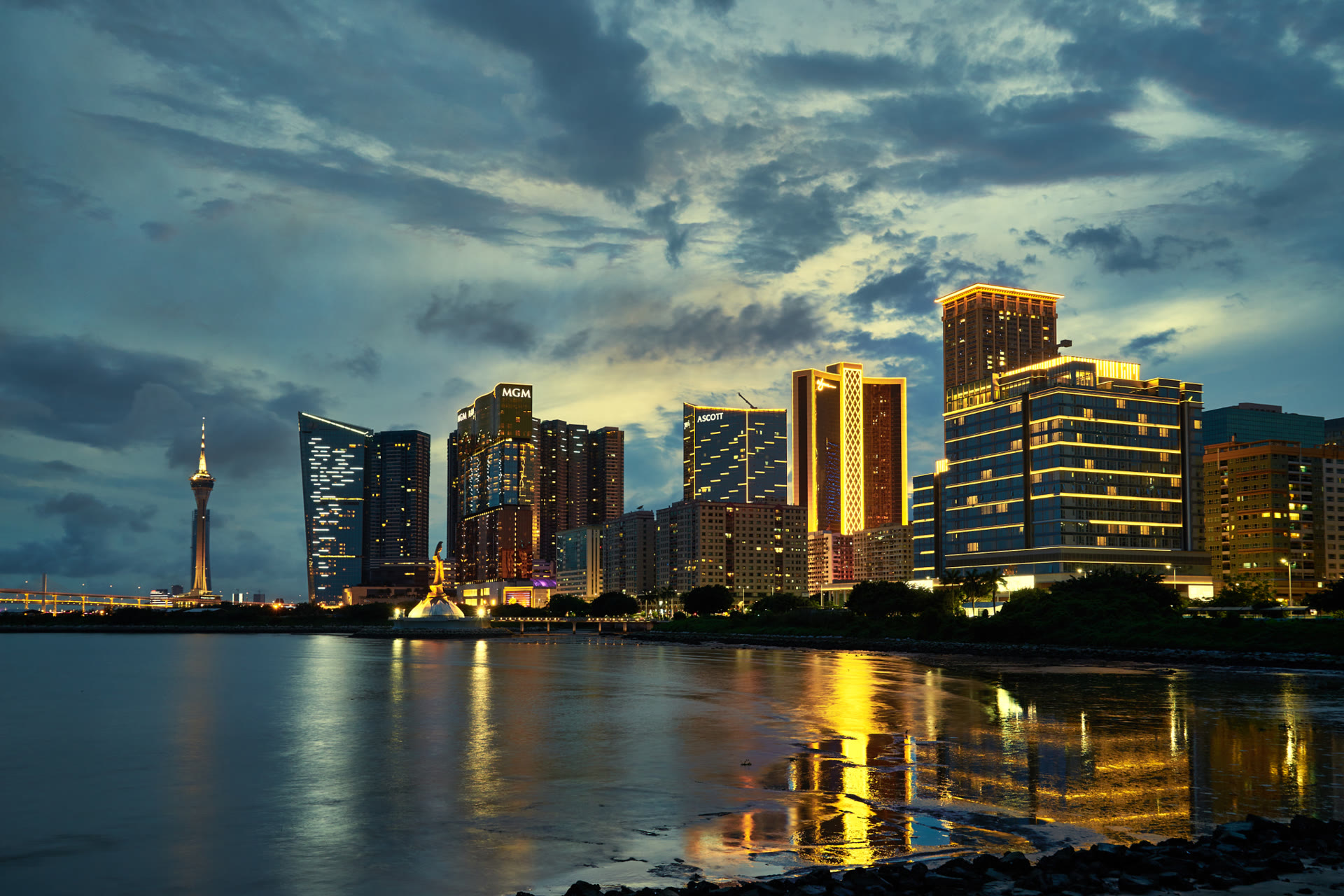
Macau is a high-octane fusion of Mediterranean charm and spectacular glitz, where Portuguese cathedrals sit in the shadow of the world's largest casinos. It is the only place in China where gambling is legal, making it a playground for luxury seekers and history buffs alike.
Last updated: October 15, 2026
Photo: Mike / Wikimedia Commons, CC BY 3.0
Contents
- 1. Orientation and Neighborhoods
- 2. Best Time to Visit
- 3. Getting There and Getting Around
- 4. Top Sights and Experiences
- 4.1 Must-See Historical Landmarks
- 4.2 The Glitz of the Cotai Strip
- 4.3 Lesser-Known Gems
- 4.4 Overrated Attractions
- 5. Food and Drink
- 6. Where to Stay
- 7. Practical Tips
- 8. Day Trips
- 9. Sample 3-Day Itinerary
- 9.1 Day 1: The Historic Heart
- 9.2 Day 2: Luxury and Entertainment
- 9.3 Day 3: Nature and Relaxation
- 10. Budget Overview
- 11. Frequently Asked Questions
Macau is a city of extreme contrasts, functioning as a Special Administrative Region of China that feels like a fever dream of two worlds. On one side of a narrow street, you will find pastel-colored plazas and Baroque churches that look like they were plucked straight from Lisbon. On the other, neon-drenched skyscrapers and massive integrated resorts dominate the skyline, housing some of the most profitable casinos on the planet. This unique Mediterranean-meets-Chinese atmosphere is the result of over 400 years of Portuguese rule, creating a cultural hybrid found nowhere else.
While often dismissed as the Las Vegas of Asia, Macau offers far more than baccarat tables and luxury shopping. It is a UNESCO Creative City of Gastronomy with a distinct Macanese cuisine that blends European, African, and Southeast Asian flavors. For the adventurous, it hosts the world's highest commercial bungee jump; for the contemplative, it offers quiet hiking trails and hidden temples on its southern islands. Whether you are here to hunt for Michelin stars or to wander through cobblestone alleys, Macau demands more than just a day trip from Hong Kong.
The city is geographically compact but densely packed. It consists of the Macau Peninsula, which is the historic heart connected to mainland China, and the islands of Taipa and Coloane. These two islands were joined by reclaimed land known as the Cotai Strip, which now serves as the epicenter of the city's modern entertainment industry. Navigating these zones requires a bit of planning, as the vibe shifts dramatically from the crowded, traditional markets of the north to the artificial opulence of the south.
Orientation and Neighborhoods
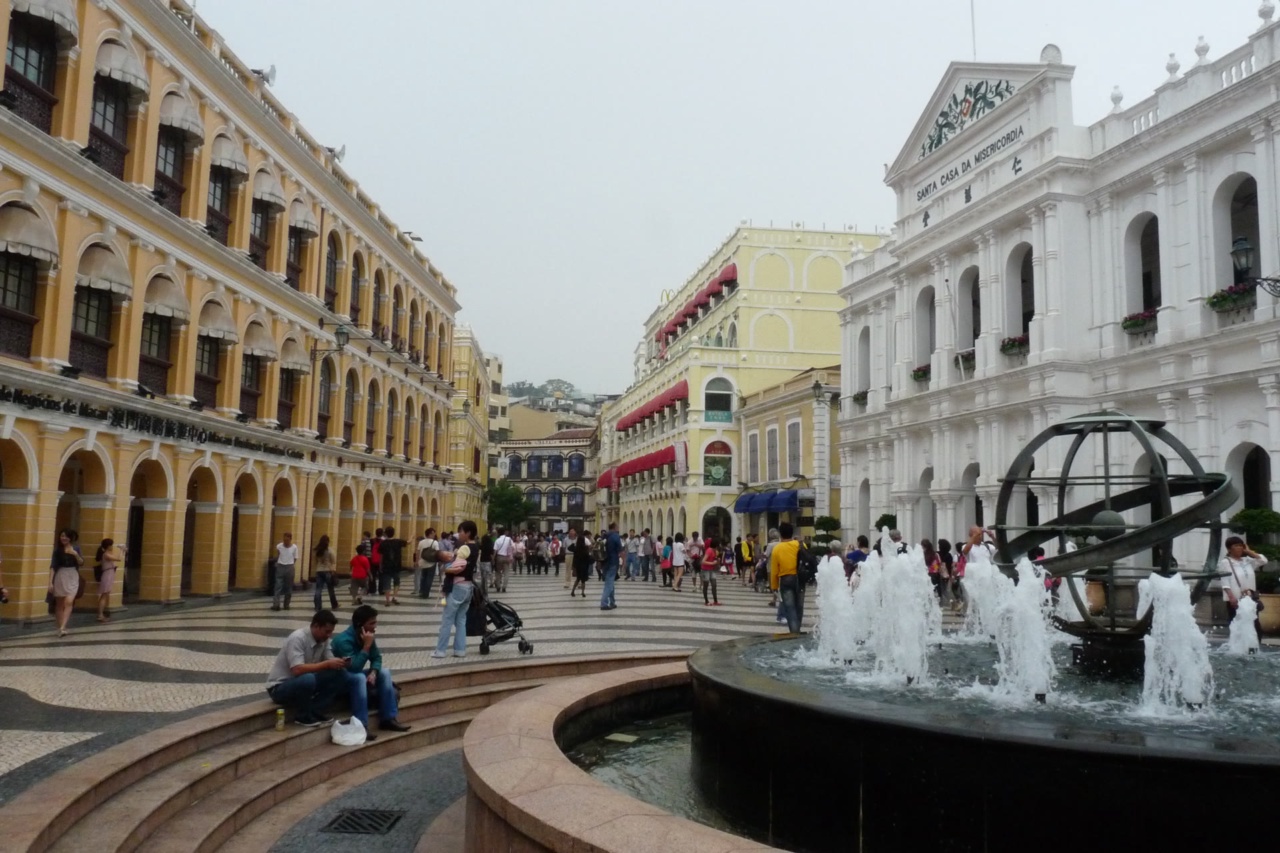
The Macau Peninsula is the historic core. This is where you will find the ruins of St. Paul's and the Senado Square. It is the best area for budget travelers and those who want to be immersed in the local Cantonese lifestyle. Staying here puts you within walking distance of the most significant colonial architecture and authentic street food stalls. The northern part of the peninsula is densely residential and offers a glimpse into the everyday life of locals, while the southern tip features older, iconic casinos like the Grand Lisboa.
Taipa Village offers a bridge between the old and new. It is a preserved pocket of traditional Chinese shophouses and Portuguese villas located just a short walk from the massive resorts of Cotai. This is an excellent area for families and foodies, as it is home to the famous Rua do Cunha food street. It feels more relaxed than the Peninsula but remains close to the action.
The Cotai Strip is where you find the mega-resorts like The Venetian, The Londoner, and Wynn Palace. If you are visiting for world-class entertainment, high-end shopping, or massive pool complexes, this is the place to be. It is entirely man-made and can feel a bit sterile, but the sheer scale of the architecture is a sight in itself. It is the most expensive area to stay but offers the highest level of convenience for luxury travelers.
Coloane is the city's green lung. Located at the southern tip, it has managed to avoid the casino boom. It features quiet beaches, hiking trails, and the charming Coloane Village, home to the original Lord Stow's Bakery. This is the best place to escape the crowds and experience a slower pace of life. It is less convenient for nightlife but perfect for those who prioritize nature and quiet.
Things to Do
Offers are only loaded from GetYourGuide after you click. GetYourGuide can then process your IP address and set cookies. Privacy Policy
GetYourGuide partner offers. GoAsia may earn a commission if you book through these offers. Check whether tickets or transfers are included, and follow the attraction's official booking and admission rules.
Best Time to Visit
Macau has a humid subtropical climate. The best time to visit is during the autumn months from October to December, when the weather is cool, dry, and sunny. This period avoids the oppressive humidity of summer and the grey drizzles of early spring.
| Month Range | Weather | Crowds | Prices |
|---|---|---|---|
| October - December | Mild and Sunny | Moderate | Average |
| January - March | Cool and Overcast | High (Lunar New Year) | High |
| April - June | Hot and Rainy | Moderate | Lower |
| July - September | Typhoon Season | Low | Lowest |
Avoid visiting during major Chinese public holidays, especially the Lunar New Year and Golden Week (first week of October). During these times, hotel prices triple, and the narrow streets of the historic center become almost impassable due to the sheer volume of tourists from the mainland. The Macau Grand Prix in November is a major event that draws crowds but is a fantastic experience for racing fans.
Getting There and Getting Around
Macau International Airport (MFM) serves many regional Asian carriers. A taxi from the airport to Cotai takes about 10 minutes and costs around $6 to $10 USD. For those coming from Hong Kong, the high-speed ferry takes about 60 minutes and costs roughly $22 to $25 USD. Alternatively, the Hong Kong-Zhuhai-Macau Bridge provides a bus connection that is cheaper (around $9 USD) and runs 24/7.
Getting around is relatively easy thanks to the free shuttle bus network operated by the major casinos. These buses run between the ferry terminals, the airport, and the resorts. You do not usually need to be a guest to use them. For shorter trips, the public bus system is extensive and costs a flat rate of roughly $0.75 USD per ride. You will need exact change in Macau Patacas (MOP) or a Macau Pass card. The Macau Light Rapid Transit (LRT) serves the Taipa and Cotai areas, providing a scenic and efficient way to move between resorts.
Taxis are plentiful but can be difficult to hail during shift changes (around 5:00 PM to 6:00 PM) or during heavy rain. Ride-hailing apps like Grab do not operate here, though there is a local radio taxi app. Walkability is excellent in the Peninsula's historic center and Taipa Village, but the distances between resorts in Cotai are larger than they look on a map.
Top Sights and Experiences
Must-See Historical Landmarks
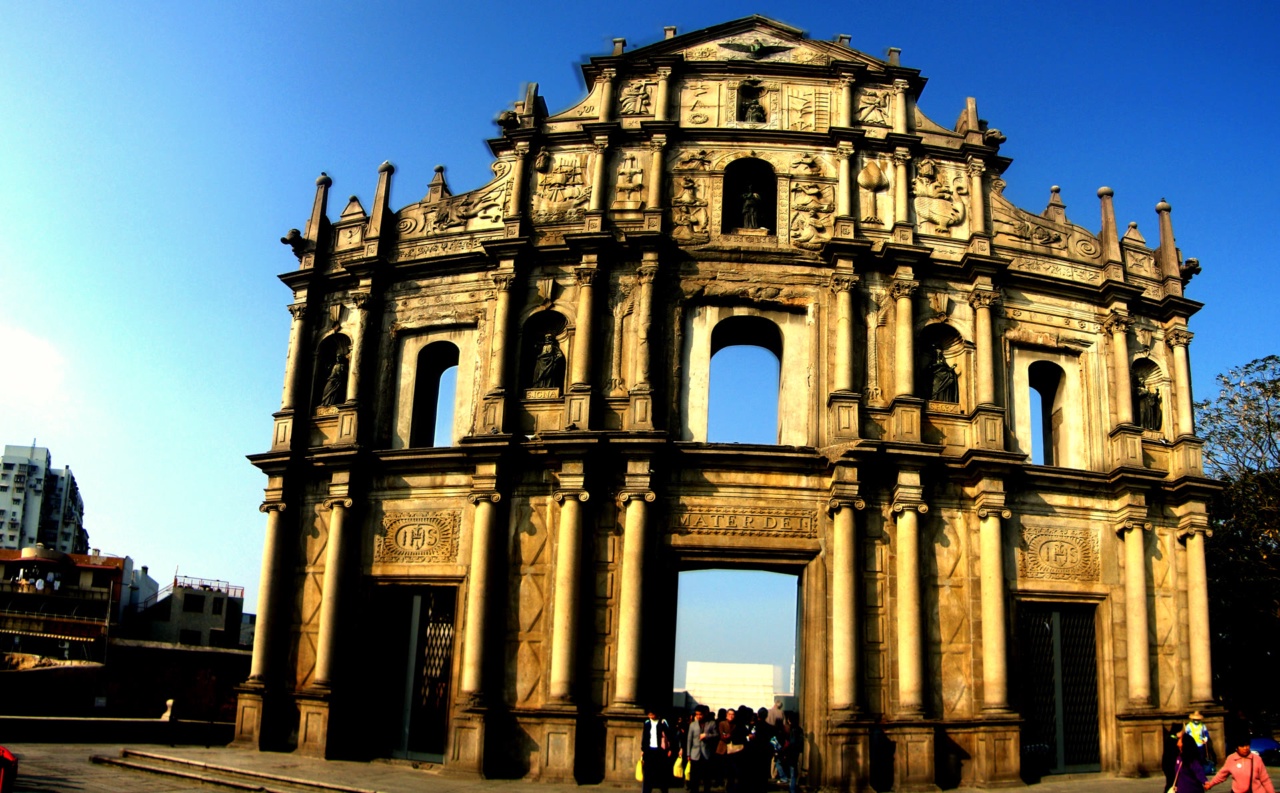
The Ruins of St. Paul's is the city's most iconic landmark. This 17th-century stone facade is all that remains of what was once the greatest Christian church in Asia. Arrive before 8:30 AM to photograph it without hundreds of people in your shot. Just a short walk away is Senado Square, paved with traditional Portuguese wave-patterned mosaics. Follow the path to St. Dominic's Church and the Monte Fort, which offers panoramic views of the city skyline and neighboring Zhuhai in mainland China.
The Glitz of the Cotai Strip
Even if you do not gamble, the resorts are worth a visit for their sheer spectacle. The Venetian Macao features indoor canals with singing gondoliers, while Wynn Palace has a free cable car ride (SkyCab) that circles a massive performance lake with choreographed fountains. For a unique view, head to the half-scale Eiffel Tower at The Parisian Macao. You can find more detailed transport routes to these resorts on GoAsia.cc.
Lesser-Known Gems
For a break from the crowds, visit A-Ma Temple, the oldest Taoist temple in Macau, located at the southern end of the peninsula. It predates the Portuguese arrival and is dedicated to the goddess of seafarers. Another hidden gem is the Guia Fortress and Lighthouse, which requires a short hike or a ride on the world's shortest cable car. It offers the best vantage point for watching the sunset over the Pearl River Delta.
Overrated Attractions
The Macau Tower Observation Deck is often cited as a must-do, but unless you are planning to bungee jump, the $20 USD entry fee is steep for views that are arguably better (and free) from Monte Fort or the hills of Taipa. Similarly, Fisherman's Wharf is a themed shopping mall that has struggled to stay relevant; it often feels deserted and lacks the authentic charm of the city's real historic districts.
Food and Drink
Macanese food is the world's first fusion cuisine. You must try Minchi, a comforting dish of minced meat sautéed with potatoes, onions, and soy sauce, usually topped with a fried egg. Street food is equally vital; the Pork Chop Bun is a Macau staple consisting of a seasoned bone-in pork chop inside a crispy toasted roll. For dessert, the Portuguese Egg Tart is non-negotiable. Unlike the Hong Kong version, Macau's tarts have a caramelized, scorched top and a flaky, buttery crust.
| Dish | Description | Where to Try | Typical Price |
|---|---|---|---|
| Portuguese Egg Tart | Creamy custard in flaky pastry | Lord Stow's Bakery | $1.50 |
| Pork Chop Bun | Fried pork chop in a crusty roll | Tai Lei Loi Kei | $6.00 |
| Minchi | Minced meat with fried potatoes | Riquexo | $12.00 |
| Almond Cookies | Crumbly, nutty traditional cookies | Pastelaria Koi Kei | $4.00 (box) |
| African Chicken | Spicy piri-piri style grilled chicken | Restaurante Litoral | $25.00 |
Street food is concentrated in Rua do Cunha in Taipa and the alleys surrounding the Ruins of St. Paul's. A casual meal at a local cha chaan teng (tea restaurant) will cost around $8 to $12 USD, while a dinner at a mid-range Macanese restaurant typically runs $25 to $40 USD per person.
Where to Stay
Budget ($50 - $90 USD): Look for guesthouses and older hotels in the Inner Harbour area of the Macau Peninsula. These properties are often dated but clean and put you right in the heart of the historic district. San Va Hospedaria is a famous, very basic heritage stay for those on a strict budget.
Mid-Range ($100 - $180 USD): Taipa Village and the area around the Outer Harbour Ferry Terminal offer great value. Hotels like the Artyzen Grand Lapa provide a resort feel with excellent pools without the astronomical price tags of the newer Cotai properties.
Upscale ($200+ USD): The Cotai Strip is the domain of five-star luxury. Morpheus at City of Dreams is an architectural marvel, while The Ritz-Carlton offers some of the best service in the region. For a more secluded luxury experience, Pousada de Coloane offers a beachside boutique vibe far from the casino floors.
Practical Tips
- Currency: The Macau Pataca (MOP) is the official currency, pegged to the Hong Kong Dollar (HKD). HKD is accepted everywhere at a 1:1 ratio, but you will often receive change in MOP. Note that MOP cannot be easily exchanged outside of Macau.
- Safety: Macau is exceptionally safe with very low rates of violent crime. Be wary of pickpockets in crowded tourist areas like the Ruins of St. Paul's.
- Tipping: Tipping is not mandatory. Most restaurants add a 10% service charge. Small change can be left at cafes, but it is not expected.
- Internet: Most public spaces and all hotels offer free Wi-Fi. If you need a SIM card, look for "CTM" kiosks at the airport or ferry terminals.
- Language: Cantonese and Portuguese are the official languages. English is widely understood in hotels and major tourist areas, but less so in local neighborhoods or on buses. Having your destination written in Chinese characters is helpful for taxi drivers.
- Water: Tap water is not recommended for drinking. Most hotels provide free bottled water daily.
Day Trips
Coloane Village: Technically part of Macau but feels like a separate world. Visit the Chapel of St. Francis Xavier, eat at the original Lord Stow's, and walk along the waterfront. It takes 20 minutes by bus from Cotai.
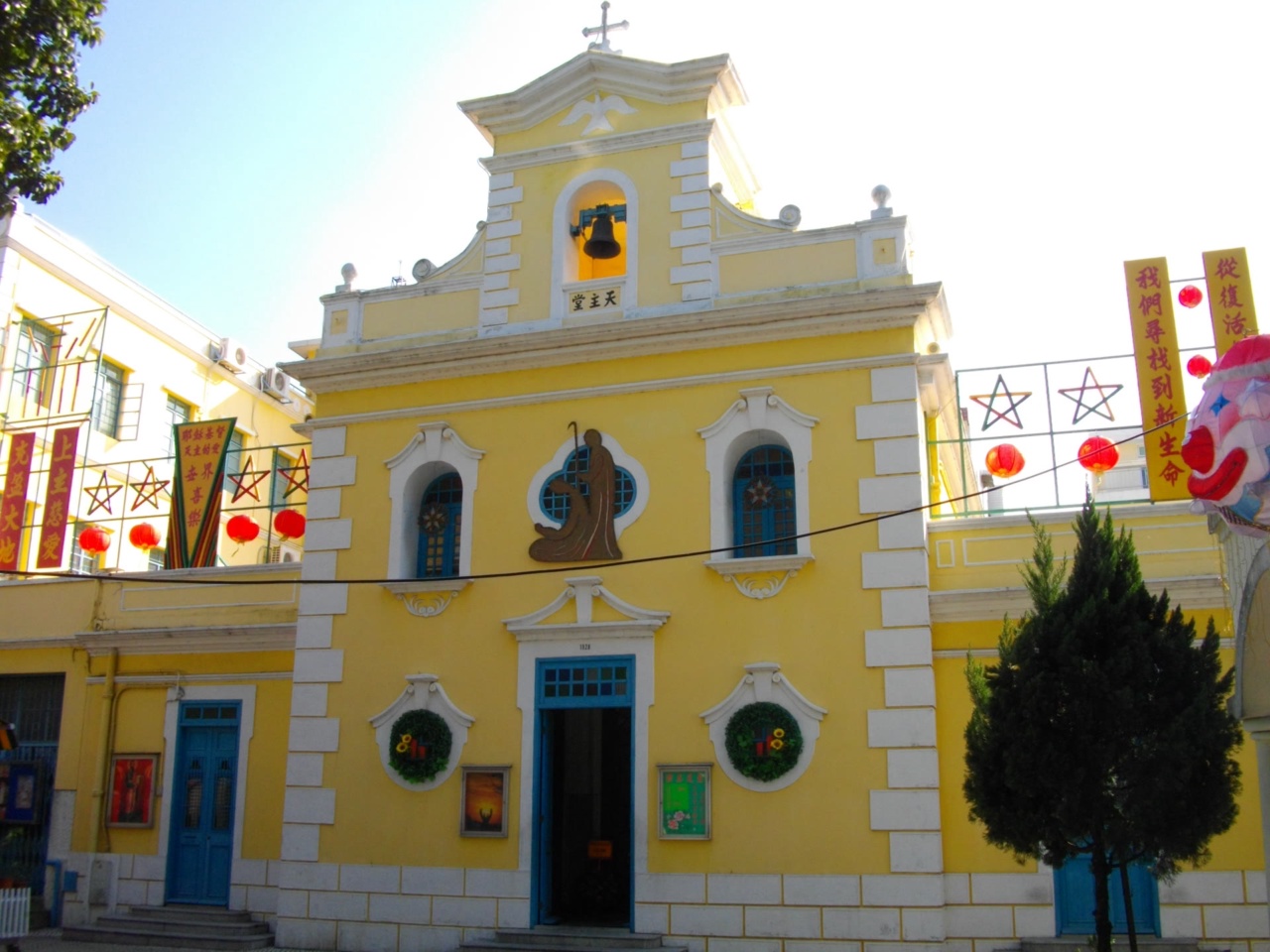
Hac Sa Beach: Known for its black sand (though much of it is now topped with yellow sand to prevent erosion). It is a popular spot for a seaside BBQ and a hike along the Long Chao Kok Coastal Trail. It is a 15-minute bus ride from Coloane Village.
Zhuhai, Mainland China: If you have a valid Chinese visa, you can walk across the Gongbei Border into Zhuhai. It is famous for massive underground shopping malls and much cheaper seafood. It is worth it for a few hours of shopping, but the border crossing can be time-consuming.
Hong Kong: While usually done the other way around, a day trip to Hong Kong is easy via ferry or bus. However, Hong Kong is too large to see in a day; only do this if you have a very specific goal like visiting Victoria Peak.
Sample 3-Day Itinerary
Day 1: The Historic Heart
Start your morning at Senado Square and walk up to the Ruins of St. Paul's before the tour groups arrive. Explore the Monte Fort and the Macau Museum located on the same hill. For lunch, grab a pork chop bun from a nearby stall. In the afternoon, wander the St. Lazarus District, a creative hub with beautiful colonial architecture. End your day with a traditional Macanese dinner at a local spot like Restaurante Fat Siu Lau.
Day 2: Luxury and Entertainment
Head to Taipa Village in the morning to see the Taipa Houses-Museum and snack your way through Rua do Cunha. In the afternoon, cross over to the Cotai Strip. Explore the recreations of Venice, London, and Paris. Watch the fountain show at Wynn Palace and consider booking tickets for a major show or visiting the teamLab SuperNature exhibition. Have a high-end dinner at one of the many Michelin-starred restaurants in the resorts.
Day 3: Nature and Relaxation
Take a bus to Coloane Village. Start with a fresh egg tart and a coffee by the water. Visit the Macau Giant Panda Pavilion in Seac Pai Van Park to see the resident pandas for a very small fee. Spend the afternoon at Hac Sa Beach or hiking the trails of Coloane Park. Return to the Peninsula for a final evening stroll along the Nam Van Lake to see the city lights reflected in the water.
Budget Overview
| Category | Budget | Mid-Range | Comfort |
|---|---|---|---|
| Accommodation | $60 | $130 | $250 |
| Food | $25 | $50 | $100 |
| Transport | $5 | $15 | $30 |
| Activities | $10 | $30 | $70 |
| Daily Total | $100 | $225 | $450 |
Frequently Asked Questions
Is Macau worth visiting?
Yes, Macau is worth visiting for its unique blend of Portuguese and Chinese heritage, world-class dining, and spectacular entertainment. It offers a cultural experience that is vastly different from Hong Kong or mainland China.
How many days do you need in Macau?
Two to three days is the ideal amount of time. This allows one day for the historic Peninsula, one day for the Cotai Strip resorts, and a final day for the relaxed islands of Taipa and Coloane.
Is Macau safe for tourists?
Macau is one of the safest cities in the world. Violent crime is extremely rare, though tourists should remain vigilant against pickpockets in crowded areas and ensure they only use licensed taxis.
Can you drink tap water in Macau?
No, it is not recommended to drink tap water in Macau. Most visitors rely on bottled water, which is provided for free in almost all hotel rooms and casino floors.
Do I need a visa to visit Macau?
Many nationalities, including citizens of the US, UK, Canada, and Australia, can enter Macau visa-free for periods ranging from 30 to 90 days. Check the latest requirements as they are separate from mainland China's visa policy.
Is Macau expensive?
Macau can be expensive if you stay in Cotai resorts and eat at Michelin-starred restaurants, but it is very manageable for budget travelers who stay on the Peninsula and eat at local markets and cafes.
What is the best neighborhood to stay in?
Stay on the Macau Peninsula for history and budget-friendly options, or the Cotai Strip for luxury resorts and proximity to casinos. Taipa Village is the best middle ground for families and food lovers.
Is English widely spoken in Macau?
English is widely spoken in the tourism and hospitality sectors. However, bus drivers and staff in smaller, local eateries may only speak Cantonese, so having a translation app or written addresses is useful.
Guides & Tips
Routes
Routes from Macau (4)
Routes to Macau (3)