Senado Square: The Heart of Macau's Historic Old Town

Senado Square: The Heart of Macau's Historic Old Town

Last updated: June 9, 2026

Stand in the middle of Senado Square and you are standing on one of the most photographed pavements in Asia. The ground is laid in a rolling wave pattern of black and white Portuguese cobblestones, the buildings around you are washed in soft pastel yellows, greens, and pinks, and the whole scene feels far more Mediterranean than Chinese. Yet this is the civic center of Macau, a former Portuguese colony returned to China, and it has been a public gathering space for centuries.

Senado Square is the natural starting point for any walk through Macau's old town, which is collectively inscribed on the UNESCO World Heritage list as the Historic Centre of Macao. From here, a chain of churches, temples, fortresses, and narrow lanes spreads out in every direction, and the most famous landmark of all, the Ruins of St Paul's, sits just a short uphill stroll away.

For independent travelers, the square is less a single attraction and more a hub. You can see the pavement in five minutes, but the area around it can easily fill a half day or a full day if you slow down for food, museums, and side streets. This guide explains how to use Senado Square as a base, what to see nearby, how to time your visit to dodge the worst crowds, and how to link it with A-Ma Temple and Monte Fort.

What Senado Square Is and Why It Matters

Senado Square, sometimes written as Senate Square or by its Portuguese name Largo do Senado, is a long triangular plaza in the center of the Macau Peninsula. It has served as Macau's main public square for hundreds of years and was historically the site of military parades, public celebrations, and official gatherings. Today it is a pedestrian zone lined with shops, cafes, and heritage buildings.

The square anchors the Historic Centre of Macao, a UNESCO World Heritage Site that recognizes the unique blend of Portuguese and Chinese culture that developed here over more than four centuries. The listing covers a network of more than twenty monuments and public spaces, and Senado Square is right in the middle of the cluster. The architecture reflects one of the oldest and most continuous points of contact between European and Chinese civilizations.

What makes the square so striking visually is its coherence. The pastel facades are mostly neoclassical and colonial in style, the wave-pattern cobblestones were laid by Portuguese craftsmen, and the buildings house institutions such as the Leal Senado building, the historic seat of Macau's municipal government, which faces the square. A fountain at the center is a popular meeting point and photo spot.

Things to Do

Getting to Senado Square

Macau is compact, and Senado Square sits in the dense heart of the peninsula, so reaching it is straightforward from almost anywhere in the territory.

If you are coming from Hong Kong, most travelers arrive by high-speed ferry to the Outer Harbour Ferry Terminal or by bus across the Hong Kong-Zhuhai-Macau Bridge. From mainland China, the most common land crossing is the Border Gate at Gongbei in Zhuhai. Confirm current visa and border requirements for both Macau and mainland China before you travel, since rules vary by nationality and change over time.

From the ferry terminals or casino areas, the easiest options are public buses, taxis, or the free shuttle buses run by major casino resorts, which drop you a short walk or taxi ride from the old town. Many travelers ride a casino shuttle to a hotel near the historic center and then walk in. Macau also has a light rail system, though its coverage of the central peninsula is limited, so check whether it reaches your starting point.

Once you are in the old town, you walk. The historic core is not built for cars, the lanes are narrow, and most of the key sites are within ten to fifteen minutes of the square on foot. Wear comfortable shoes, because the cobblestones are uneven and the route to St Paul's is gently uphill.

The Classic Walking Route to the Ruins of St Paul's

The single most popular thing to do from Senado Square is to walk the heritage corridor that leads to the Ruins of St Paul's. This is a well-marked, mostly pedestrian route that strings together several monuments, and it is the spine of any old town visit.

Start at Senado Square itself, taking time to photograph the fountain and the pastel buildings. From the top end of the square, the route continues into a series of pedestrian shopping streets that climb gently toward the ruins. Along the way you pass:

  • St Dominic's Church, a butter-yellow baroque church just off the square, one of the most beautiful interiors in Macau and free to enter.
  • Senado Square's surrounding lanes, packed with bakeries, jewelry stores, and shops selling Macanese snacks.
  • The approach streets to St Paul's, lined with stalls handing out free samples of almond cookies, pork jerky, and egg tarts.

The walk ends at the Ruins of St Paul's, the carved stone facade of a seventeenth-century church that burned in a fire, leaving only its grand front wall standing at the top of a wide staircase. It is the defining image of Macau and the most visited monument in the territory. Climbing the steps for the classic photo is essentially mandatory, and you can also explore the crypt and small museum behind the facade.

The whole walk from the square to the ruins takes only about ten minutes if you do not stop, but realistically you will want thirty minutes to an hour because of the shops and food stalls.

Combining Senado Square With Monte Fort and A-Ma Temple

The beauty of this part of Macau is how close the major sites are. With a little planning you can chain several UNESCO monuments together into one logical loop.

Monte Fort and the Macau Museum

Directly beside the Ruins of St Paul's, a path and stairs lead up to Monte Fort, a seventeenth-century hilltop fortress built by the Jesuits. It offers some of the best panoramic views over the old town and the modern skyline beyond, and the cannons still point outward across the city. The Macau Museum is built into the fort and gives useful context on the territory's history and its mix of cultures. Because the fort is right next to St Paul's, it makes sense to combine the two in a single stop.

A-Ma Temple

A-Ma Temple is the oldest temple in Macau and another UNESCO monument, but it sits at the southern tip of the peninsula, farther from Senado Square than St Paul's or Monte Fort. It is dedicated to the sea goddess Mazu and is widely believed to predate the arrival of the Portuguese. The walk from the square is long, so many travelers visit A-Ma Temple by taxi or bus, often on the way to or from the ferry terminal or as a separate leg of the day.

A practical sequence for a full day is to start at A-Ma Temple in the morning when it is quieter, then make your way north through the old town toward Senado Square, and finish with the uphill walk to St Paul's and Monte Fort. This lets you finish near the most famous photo spot and the food streets.

What to Eat Around Senado Square

The streets around Senado Square are one of the best places in Macau to eat your way through the local snack culture. Macanese cuisine blends Portuguese, Chinese, and Southeast Asian influences, and many of the most famous bites are sold from shops within a few minutes of the square.

  • Egg tarts, the Portuguese-style pastry with a caramelized top, are a Macau signature. You will find them at bakeries throughout the area.
  • Almond cookies, dense and crumbly, sold by the box and offered as free samples along the route to St Paul's.
  • Pork chop buns, a fried pork chop served in a simple bread roll, a beloved local street food.
  • Jerky, sweet dried pork and beef, sliced fresh and handed out in samples by competing shops.
  • Serradura and Portuguese egg pudding in cafes around the square for a sit-down sweet.

Many shops cluster on the streets between the square and St Paul's, so you can graze as you walk uphill. If you want a proper sit-down Macanese meal, step into the quieter side lanes off the main tourist drag, where prices tend to be lower and tables easier to find.

When to Visit and How to Handle the Crowds

Senado Square is one of the busiest places in Macau, and crowd management is the most important part of planning your visit. The square and the route to St Paul's can become extremely congested, especially on weekends, public holidays, and during major Chinese holiday periods.

The best strategy is to arrive early. In the morning, ideally before mid-morning, the cobblestones are clear enough to photograph and the food streets are calm. By midday and into the afternoon the area fills with tour groups and day-trippers, and the climb to St Paul's becomes a slow shuffle. Evenings can be pleasant too, when the buildings are lit and the day crowds thin out, though shops may close earlier.

Seasonally, Macau has a humid subtropical climate. Summer is hot, humid, and prone to heavy rain and the occasional typhoon, which can disrupt ferries and outdoor sightseeing. Autumn and winter tend to be drier and more comfortable for walking. Spring can be humid and overcast. Since the old town is best explored on foot, cooler and drier conditions make a big difference to the experience.

Time of DayCrowd LevelBest For
Early morningLowPhotos, calm walking, fresh food stalls
MiddayVery highLively atmosphere, but crowded and slow
Late afternoonHighShopping, snacking, people watching
EveningModerateLit facades, cooler air, thinner crowds

How Much Time to Budget

How long you spend depends on your interests. The square itself is quick, but the surrounding area rewards a slower pace.

  • Quick visit: About 1 to 1.5 hours to see Senado Square, walk to St Paul's, and snack along the way.
  • Half day: Around 3 to 4 hours to add Monte Fort, the Macau Museum, St Dominic's Church, and a proper meal.
  • Full day: A relaxed loop that includes A-Ma Temple, the southern lanes, the central square, and the St Paul's and Monte Fort cluster, with stops for food and museums.

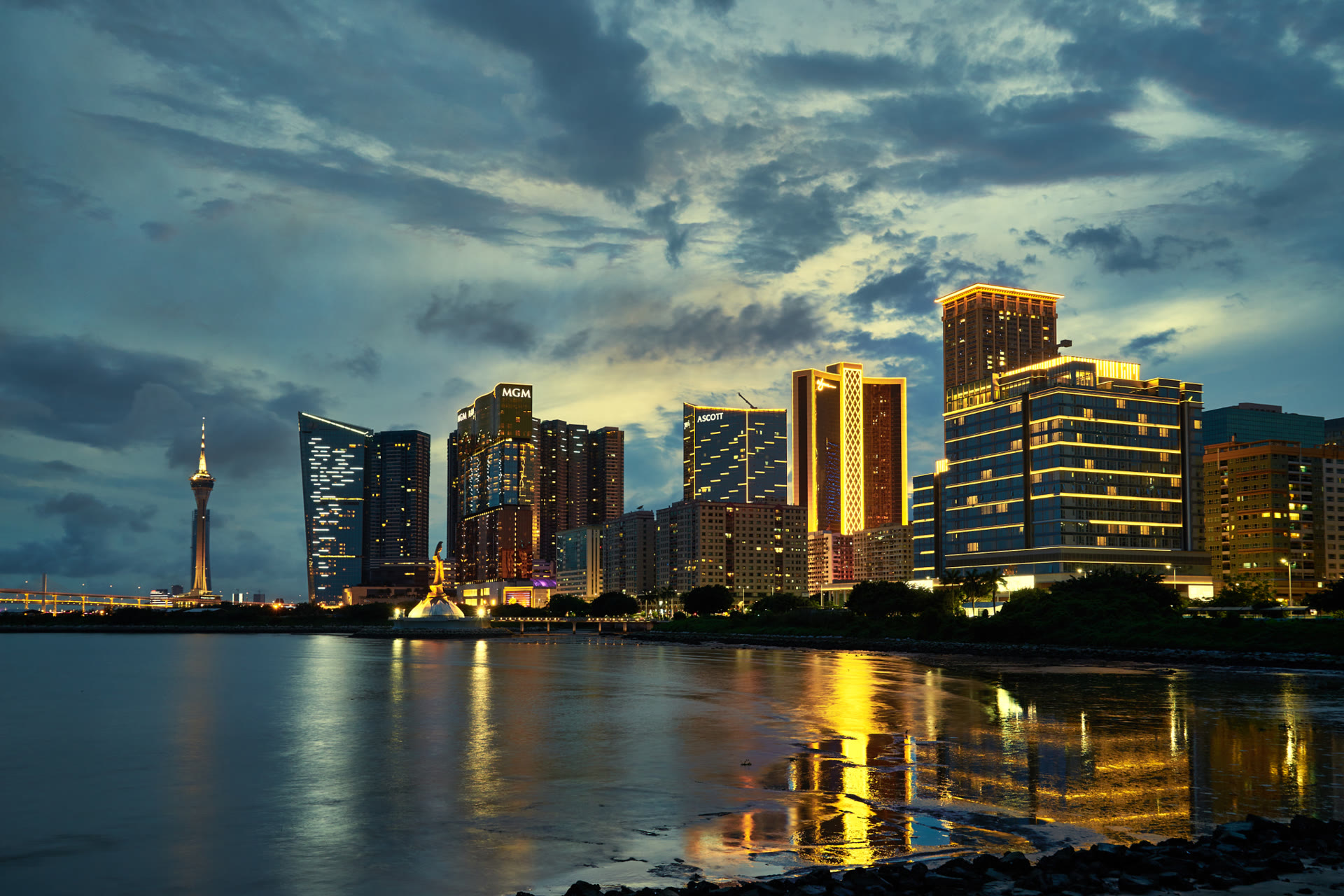
Because everything is close, you can adjust on the fly. Many travelers combine the old town with an afternoon in the casino resort district or a night view from a hilltop or tower elsewhere in Macau.

Practical Tips for Visiting Senado Square

  • Go early or late. The difference between an empty square at opening time and a packed one at midday is dramatic. If photos matter to you, arrive early.
  • Wear sturdy, comfortable shoes. The wave-pattern cobblestones are uneven and can be slippery when wet, and the route to St Paul's is uphill.
  • Carry small cash and a payment card. Many small shops and stalls prefer cash, while larger stores accept cards and common mobile payments. Confirm which methods are accepted before relying on one.
  • Take the free samples, then buy from a shop you like. The cookie and jerky stalls are generous with samples, which makes it easy to choose before committing to a box.
  • Pace your eating. The temptation is to taste everything in the first hundred meters. Spread your snacks across the walk so you still have appetite for a sit-down meal.
  • Use St Paul's as your landmark. If you get turned around in the lanes, the ruins sit high above the old town and the signage points toward them, making it easy to reorient.
  • Step into the side lanes. The main route is crowded, but the quieter streets just off it reveal old shophouses, local cafes, and a calmer slice of Macau.
  • Verify hours for indoor sites. Churches, the Macau Museum, and Monte Fort have set opening hours and possible closure days, so check current schedules before you plan your route around them.

Realistic Downsides to Know

Senado Square is genuinely beautiful, but it is not a quiet hidden gem. It is a high-traffic tourist zone, and at peak times the crowds can undermine the charm. The central streets are heavily commercialized, with chain shops and souvenir stores that look much the same across many Asian tourist districts. If you arrive at midday on a holiday expecting a peaceful colonial plaza, you will be disappointed.

The food, while excellent, can also be a tourist trap if you only eat at the busiest stalls. Quality and value improve when you wander off the main path. And while the square is free and open, the most memorable moments come from the surrounding monuments and lanes rather than the open plaza itself, so treat the square as a gateway rather than the main event.

Weather is another factor. The walking-heavy nature of the old town means hot, humid summer days or sudden rain can sap your energy quickly. Build in cafe breaks and carry water.

Where Senado Square Fits in a Macau Itinerary

For most independent travelers, Senado Square and its surrounding UNESCO monuments are the cultural core of a Macau visit, balancing the glitz of the casino resorts on the Cotai Strip. A common pattern is to spend a morning and early afternoon in the old town, then move to the resort district or a viewpoint later in the day.

If you are visiting Macau as a day trip from Hong Kong or Zhuhai, the Senado Square to St Paul's corridor plus Monte Fort is the most efficient way to capture the historic character of the territory in a few hours. With an overnight stay you can add A-Ma Temple, more museums, and a slower exploration of the lanes. For more ideas on building a Macau route and linking it with the rest of the region, GoAsia.cc is a useful place to continue planning your Asia trip.

However you structure it, treat Senado Square as the heart of the old town. From this single point of pastel buildings and rolling cobblestones, the entire historic center opens up on foot, and the walk uphill to the famous ruins is one of the most rewarding short journeys in this part of China.

Frequently Asked Questions

What is the best time to visit Senado Square to avoid crowds?

Arrive in the early morning, ideally before mid-morning, when the cobblestones are clear and the food streets are calm. Midday and weekends bring heavy crowds and slow shuffling along the route to St Paul's. Evenings are also pleasant, with lit facades and thinner day crowds, though some shops close earlier.

Is there an entrance fee for Senado Square?

Senado Square itself is a free, open public plaza with no admission charge, and the same applies to the Ruins of St Paul's facade and St Dominic's Church. Some nearby attractions such as the Macau Museum at Monte Fort may charge an entry fee. Check current ticket prices and opening hours for indoor sites before you go, since these can change.

How do I get to Senado Square from the ferry terminal or border?

From the ferry terminals or border crossings, you can take a taxi, public bus, or a free casino shuttle that drops you near the old town, then walk in. Macau's historic core is pedestrianized and compact, so once you reach the area you explore on foot. Confirm visa and border requirements for Macau and mainland China before traveling.

How long does it take to walk from Senado Square to the Ruins of St Paul's?

The walk takes only about ten minutes if you go straight there, following the pedestrian streets that climb gently uphill. In practice most travelers take thirty minutes to an hour because of the shops and free food samples along the route. St Dominic's Church and other landmarks sit along the same corridor.

Can I combine Senado Square with A-Ma Temple and Monte Fort?

Yes. Monte Fort is right next to the Ruins of St Paul's, so the two are easy to combine in one stop. A-Ma Temple is farther south near the ferry area, so many visitors reach it by taxi or bus, often visiting it earlier in the day and then working north toward the square and St Paul's.

What food should I try around Senado Square?

Look for Portuguese-style egg tarts, almond cookies, pork chop buns, and sweet dried pork or beef jerky, all sold along the streets between the square and St Paul's. Many stalls offer free samples, so taste before buying a box. For a sit-down Macanese meal, step into the quieter side lanes where prices are usually better.

Is Senado Square worth visiting if I only have a few hours in Macau?

Yes. The Senado Square to St Paul's corridor plus Monte Fort is the most efficient way to experience Macau's historic character in a short time. You can see the pastel architecture, the famous cobblestones, and the iconic ruins, and snack your way uphill, all within about one to two hours.